Most coffee drinkers don’t realize their morning cup could be harboring hidden mycotoxins from mold growth during harvest or storage. For those with gut sensitivity, brain fog, or autoimmune concerns, switching to a verified clean source is not a luxury—it is a necessary dietary change.
I’m Mohammad Maruf — the founder and writer behind AirfryerBite. I’ve spent months cross-referencing third-party lab results, altitude claims, and certifications to isolate the truly clean beans from the marketing noise.
After sifting through dozens of brands and their independent test reports, I assembled this roundup of the best mold free organic coffee options that actually prove their purity on paper, not just on the bag.
How To Choose The Best Mold Free Organic Coffee
Not all organic coffee is tested for mold. You need to look deeper than the USDA seal. The three pillars of a clean cup are altitude (dense beans resist mold), third-party lab verification (claims are cheap, certificates are proof), and roasting practices that destroy remaining spores without burning the bean.
Third-Party Lab Testing Is Non-Negotiable
Many brands say “mold free” without showing any documentation. The credible players publish certificates for ochratoxin A, aflatoxin B1, heavy metals, and acrylamide. If the brand does not link or share its lab results, assume the claim is marketing. Look for brands that test every batch, not just a single sample from years ago.
Altitude and Bean Density Directly Impact Mold Resistance
Beans grown above 4,000 feet—often labeled Strictly Hard Bean—develop a denser cellular structure that naturally resists fungal growth. High-altitude beans also mature slower, concentrating more antioxidants and flavor compounds. Low-altitude beans, by contrast, have a softer structure and higher moisture content, making them more vulnerable to mold during shipping and storage.
Roast Level and Freshness Matter for Mycotoxin Control
Dark roasting can degrade some mold toxins, but it also creates acrylamide, another compound of concern. Medium roasts strike the best balance: enough heat to kill spores without generating excessive acrylamide. Always choose coffee roasted within the last 4–6 weeks—stale beans stored in humid conditions can re-introduce mold after roasting.
Quick Comparison
On smaller screens, swipe sideways to see the full table.
| Model | Category | Best For | Key Spec | Amazon |
|---|---|---|---|---|
| Natural Force Clean Coffee | Whole Bean | Lab transparency seekers | 12 oz, medium roast, 3rd-party mycotoxin test | Amazon |
| Lifeboost Dark Organic | Whole Bean | Dark roast lovers with stomach issues | 12 oz, dark roast, low acid, +400 toxin panel | Amazon |
| Peak Performance High Altitude | Ground | Budget-friendly entry level | 12 oz, medium roast, single origin, SHB | Amazon |
| Fabula Low Acid Ground | Ground | Acid reflux and mold allergy sufferers | 12 oz, medium roast, Peru 7,000 ft, +350 chems tested | Amazon |
| Kion Organic Ground | Ground | Ethics and specialty grade | 12 oz, medium roast, specialty grade top 3% | Amazon |
In‑Depth Reviews
1. Natural Force Organic Mold Free Coffee
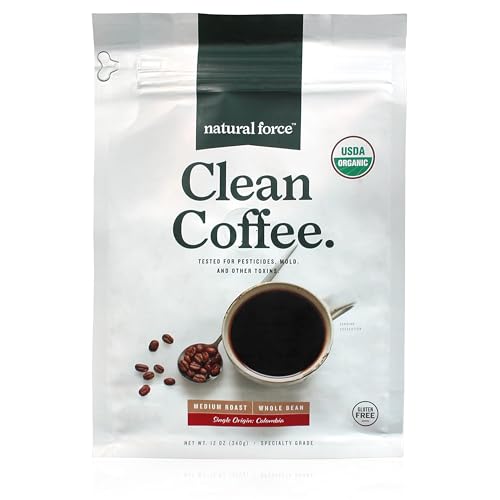
Natural Force leads this category because it publishes its third-party lab results for mold, mycotoxins, ochratoxin A, aflatoxins, heavy metals, and acrylamide. You can view the actual certificates on their site rather than taking a marketing tagline at face value. The medium roast whole bean format lets you grind fresh, preserving the low acid profile that makes this coffee gentle on sensitive stomachs.
Each 12-ounce bag is certified USDA Organic, paleo-friendly, and vegan. The beans are sourced with an emphasis on high-antioxidant content—Natural Force states cup-for-cup levels exceed those of blueberries and dark chocolate. The lack of blends reduces contamination risk from cross-batch mold.
Users report noticeably less bloating and acid reflux after switching from conventional brands. The flavor is smooth with no bitter aftertaste, which is rare for a low-acid bean. If you want whole bean coffee with verifiable test results and stomach-friendly acidity, this is the anchor pick.
Why it’s great
- Third-party lab results published for mycotoxins, heavy metals, and acrylamide
- Low-acid medium roast that works well for acid reflux sufferers
- Whole bean format preserves freshness and grind control
Good to know
- Requires a grinder, not ready for drip machines straight out of the bag
- Premium tier pricing reflects the batch-level testing cost
2. Lifeboost Dark Organic Coffee Beans
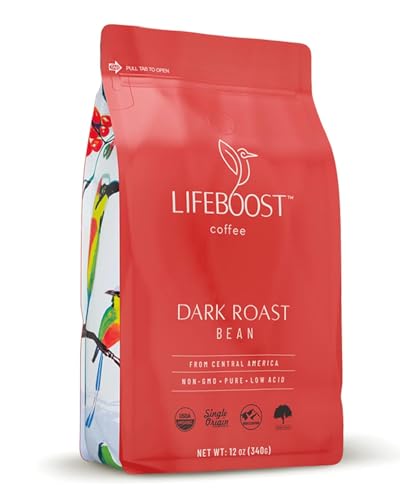
Lifeboost takes a darker roast path while keeping mold concerns front and center. The beans are grown at high elevation in Central America and third-party tested for mycotoxins, heavy metals, pesticides, and over 400 other contaminants. The dark roast profile naturally reduces acid content further, making this a strong option for those who want a bolder flavor with minimal stomach irritation.
The single-origin sourcing means the entire 12-ounce batch comes from one farm, not a blend where one contaminated bean variety spoils the lot. Beans are sun-dried and spring-water washed. The lack of a grinder? No issue—Lifeboost also offers a ground version, though the whole bean retains peak freshness longer.
Customers consistently mention the rich, smooth taste without the burnt bitterness that plagues many dark roasts. The low-acid claim holds up in practice, with several reviews noting relief from acid reflux after switching. If you prefer dark roast and want independent verification of mold-free status, Lifeboost is your pick.
Why it’s great
- Tested for 400+ toxins including mycotoxins and heavy metals
- Dark roast with low acid profile ideal for sensitive stomachs
- Single-origin beans reduce cross-contamination risk
Good to know
- Dark roast may taste too intense for light roast drinkers
- Whole bean format requires additional grinding equipment
3. Peak Performance High Altitude Organic Coffee
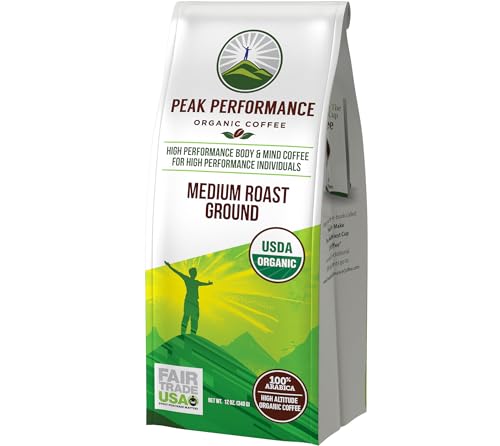
Peak Performance enters as the budget-friendly introduction to certified clean coffee. The ground medium roast is pre-ground for drip brewers, eliminating the need for a grinder. The beans are Strictly Hard Bean grade from the Guatemalan highlands, a designation that confirms the dense cellular structure naturally resistant to mold growth.
While this brand does not publish a full third-party mycotoxin panel like the premium options above its head, it does carry USDA Organic certification and single-origin sourcing. The single-origin factor alone cuts out the blended batch contamination risk. The company also runs a 1-for-1 donation program providing vitamins to children through Vitamin Angels.
The flavor is smooth and mild for a medium roast. Some drinkers may find the pre-ground format less aromatic than fresh-ground whole bean, but for convenience-focused buyers on a tighter budget, Peak Performance offers solid value. It is an honest entry-level option for those new to the mold-free category.
Why it’s great
- Pre-ground for drip coffee machines, no grinder needed
- Single-origin SHB beans from high-altitude Guatemalan farms
- Budget-friendly price point for organic entry
Good to know
- No published third-party mycotoxin lab report
- Ground format loses freshness faster than whole bean
4. Fabula Low Acid Coffee Ground

Fabula positions itself specifically for coffee drinkers with acid reflux, mold allergies, or general digestive sensitivity. The ground medium roast comes from Peru’s highlands at elevations up to 7,000 feet, giving the beans extended ripening time for more defined flavors. The brand tests every batch at independent labs for over 350 chemicals, including molds, mycotoxins, and pesticides.
The roast schedule is ongoing, meaning you receive recently roasted grounds with peak aroma rather than warehouse-aged stock. Flavor notes include caramelized sugars, nuttiness, and rich chocolate with a smooth body that avoids the sharp bite of stale low-acid coffees. The pre-ground format works for drip brewers and pour-over setups.
Customer feedback highlights a noticeable reduction in stomach pain after switching from conventional coffee. The “no molds, mycotoxins, or chemicals” guarantee backed by batch-level lab reports gives Fabula an edge for those who prioritize gastrointestinal comfort without sacrificing taste.
Why it’s great
- Tested for 350+ chemicals at independent labs per batch
- 7,000 ft elevation from Peru for dense, mold-resistant beans
- Freshly roasted with ongoing schedule for peak flavor
Good to know
- Pre-ground format limits freshness window to about 2 weeks
- Premium price point reflects batch-level lab testing costs
5. Kion Organic Ground Coffee
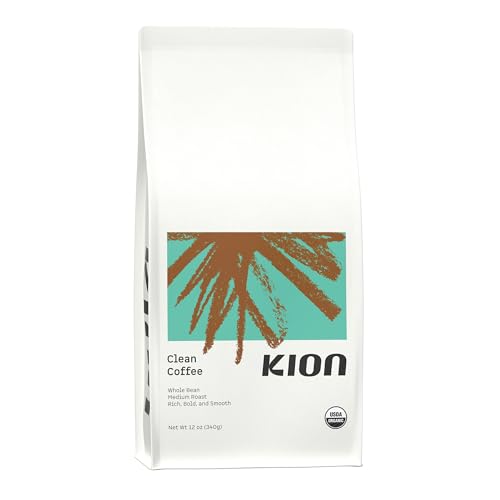
Kion stands out with its specialty grade classification—a rating held by only the top 3% of global coffee production. This grade requires near-zero defects in the raw bean, which directly correlates to lower mold and insect damage potential. The brand applies regular third-party testing for mold, mycotoxins, and pesticides, though it does not publish individual batch certificates as openly as Natural Force or Fabula.
The ground medium roast is nitrogen-flushed in its bag to preserve freshness after roasting. Kion uses an environmentally-friendly smokeless roaster and emphasizes ethically sourced single-origin beans. The flavor profile is described as rich, bold, and smooth without the acidity spike that triggers heartburn.
Customers who prioritize both ethical sourcing and cup quality gravitate toward Kion. The specialty grade specification sets a high bar for bean quality, and the smokeless roasting process reduces acrylamide formation compared to traditional drum roasting. If you want a clean cup with a premium bean pedigree, Kion belongs on your shortlist.
Why it’s great
- Specialty grade rating means top 3% quality with near-zero bean defects
- Nitrogen-flushed bags preserve freshness after roasting
- Ethically sourced from farms meeting high sustainability standards
Good to know
- Lab reports are not as transparently shared as Natural Force
- Ground format loses freshness faster than whole bean equivalent
FAQ
Do I need whole bean or ground for mold free coffee?
Can dark roasting completely eliminate mycotoxins?
What is the difference between organic and mold free certified coffee?
How long does mold free coffee stay safe after opening?
Final Thoughts: The Verdict
For most users, the best mold free organic coffee winner is the Natural Force Clean Coffee because it publishes batch-level third-party mycotoxin reports, offers a stomach-friendly low-acid medium roast, and comes in whole bean format to preserve freshness. If you want a dark roast with broad toxin screening, grab the Lifeboost Dark Organic. And for entry-level buyers who need pre-ground convenience without breaking their budget, nothing beats the Peak Performance High Altitude.