Blending a protein shake that actually tastes good and aligns with your diet can feel like a chemistry experiment gone wrong. The wrong milk alternative turns a promising shake into a watery, chalky, or unpleasantly beany mess that undermines your nutrition goals.
I’m Mohammad Maruf — the founder and writer behind AirfryerBite. I’ve spent years combing through nutritional labels, analyzing ingredient panels, and comparing mouthfeel and mixability across every plant-based milk category to separate what actually works for protein shakes from what just looks good on the shelf.
This guide focuses on the specific needs of blending, from complete protein content and separation resistance to sugar levels and texture compatibility, so you can find the right milk alternative for protein shakes.
How To Choose The Best Milk Alternative For Protein Shakes
Selecting the right base for your protein shake goes beyond flavor preference. The carton you grab determines your shake’s protein density, texture, and how it interacts with your protein powder.
Protein Density Per Serving
Soy milk typically delivers 8–12 grams of complete protein per 8-ounce serving, making it a heavyweight for muscle support. Almond and oat milks usually sit at 1–4 grams, which means your protein powder must carry the full load. If your goal is a higher protein count from the liquid itself, soy-based options are the clear choice.
Stabilizers and Ingredient Purity
Many brands rely on gums (gellan, guar, xanthan) and added oils to create a creamy mouthfeel. These additives can create a slimy or unnaturally thick consistency when blended with protein powder. Clean-label alternatives with three to five ingredients — water, the base nut or legume, and sea salt — typically mix more predictably and avoid that gummy residue.
Sugar Control and Calorie Management
Unsweetened varieties give you full control over the final shake’s sweetness, letting your protein powder’s flavor profile shine. A sweetened milk alternative plus a flavored protein powder can result in a cloying, high-sugar shake that works against your dietary targets. Always check the “added sugars” line on the nutrition panel.
Quick Comparison
On smaller screens, swipe sideways to see the full table.
| Model | Category | Best For | Key Spec | Amazon |
|---|---|---|---|---|
| EdenSoy Unsweetened Organic Soymilk | Soy Milk | Maximum plant protein per serving | 12g complete protein per 8 oz | Amazon |
| Premier Protein Almondmilk Shake | Protein Shake | Ready-to-drink convenience | 20g plant protein per 11.5 oz | Amazon |
| Califia Farms Organic Unsweetened Almond Milk | Almond Milk | Minimal ingredients, no gums | 3 ingredients: water, almonds, sea salt | Amazon |
| Mooala Organic Unsweetened Almond Milk | Almond Milk | Rich roasted almond flavor | Organic roasted almonds, no soy | Amazon |
| Quest Chocolate Protein Shake | Dairy Shake | Highest protein count per bottle | 45g protein per 14 oz bottle | Amazon |
In‑Depth Reviews
1. Edensoy Unsweetened Eden Organic Soymilk

This soy milk delivers 12 grams of complete protein per 8-ounce serving — more than double what most almond or oat alternatives provide. The protein profile includes all essential amino acids, making it a legitimate standalone protein source rather than just a mixing liquid. The ingredients list is exceptionally clean: only organic soybeans and purified water, with no gums, oils, or added sugars to interfere with your shake.
The texture is noticeably thicker and creamier than typical plant milks. It froths well when heated, blends smoothly with protein powder without clumping, and holds up in coffee without curdling. Multiple reviewers confirmed it has no beany aftertaste, which is a common complaint with lesser soy milks. The Swedish aseptic cartons keep it shelf-stable until opened, so you can stock a pantry supply without refrigeration.
The Cornucopia Institute ranked Edensoy the number one soymilk brand out of 62 evaluated, citing its organic sourcing from known US growers and the absence of synthetic additives. The higher cost per carton reflects that quality commitment. If your priority is maximizing protein from the liquid itself while keeping ingredients pure, this is the strongest option available.
Why it’s great
- 12g complete protein per serving from a single-ingredient base
- No gums, oils, or added sugars to affect shake texture
- Shelf-stable packaging allows bulk pantry storage
Good to know
- Premium price point compared to conventional soy milks
- Must shake well before use as sediment settles naturally
2. Premier Protein Non-Dairy Almondmilk Protein Shake
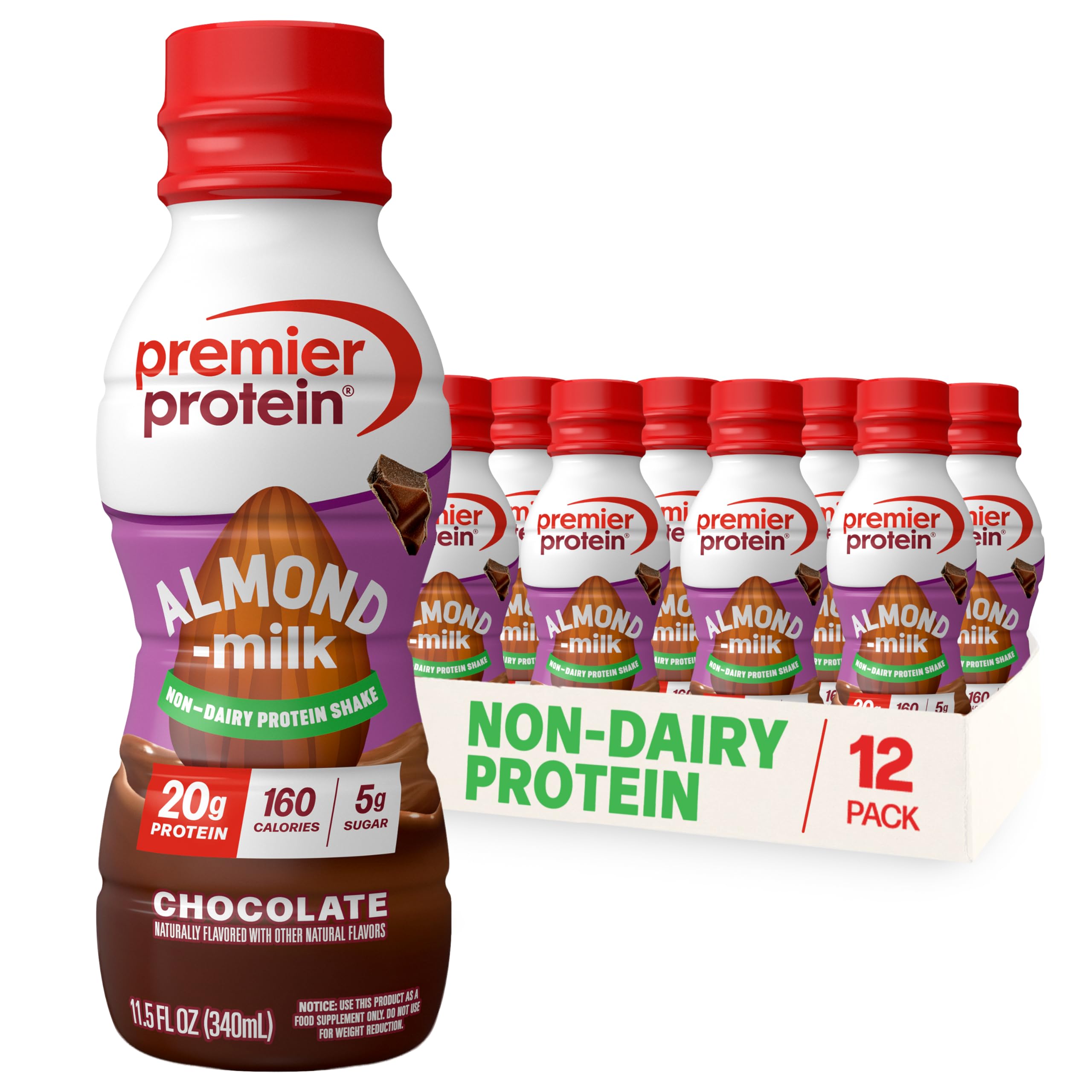
This is a complete ready-to-drink shake, not a standalone milk alternative. Each 11.5-ounce bottle provides 20 grams of plant-based protein derived from almond milk, with just 5 grams of sugar and 160 calories. It fits the milk alternative category because it replaces both the liquid and the protein powder in one pour, eliminating the need for blending entirely.
The chocolate flavor is noticeably richer than typical plant-based shakes, and reviewers consistently noted the absence of a lingering aftertaste — a common issue with pea or soy protein isolates. The texture is smooth without being overly thick, though a few reviews mentioned a slightly grainy mouthfeel that is best mitigated by serving it cold. It is also lactose-free, which resolved digestive discomfort for several lactose-intolerant users.
The main drawbacks are cost per serving and the limited flavor selection (Chocolate, Vanilla, Coffee). Because it is pre-mixed, you lose the ability to customize protein dosage or adjust sweetness. For anyone who wants a grab-and-go option that skips the measuring and blending steps entirely, this delivers reliable macronutrient numbers in a convenient package.
Why it’s great
- No mixing or measuring required — drink straight from the bottle
- 20g protein with only 5g sugar per serving
- No artificial flavors, colors, or sweeteners
Good to know
- Slightly grainy texture when not chilled
- Higher cost per serving than mixing your own
3. Califia Farms Organic Unsweetened Almond Milk

This almond milk contains exactly three ingredients: purified water, organic almonds, and sea salt. No oils, no gums like gellan or guar, no carrageenan, and no gluten or soy. For protein shake builders who want a neutral, clean base that won’t introduce stabilizer flavors or slimy textures, this is as pure as commercial almond milk gets.
The taste closely resembles homemade almond milk — fresh, lightly nutty, and not overly watery despite the absence of thickeners. Reviewers noted it handles hot liquids like tea without separating, which indicates stable emulsion. When mixed with protein powder, it blends evenly without clumps or foam, though its thin consistency means the shake’s body comes primarily from the powder itself.
A recurring practical issue is the carton design: some buyers reported the inner stopper tabs breaking and causing leaks when pouring. This is a packaging flaw rather than a product quality issue, but it is worth noting if you plan to store the cartons upright. The shelf-stable format means you can keep cases in the pantry, and the 32-ounce size is practical for single-shake use without committing to a larger volume.
Why it’s great
- Only three ingredients — no additives to interfere with shake flavor
- Certified USDA organic with zero artificial components
- Shelf-stable packaging for convenient bulk storage
Good to know
- Low protein content (about 1g per serving) requires powder to do the work
- Some cartons have experienced spout leakage issues
4. Mooala Organic Unsweetened Almond Milk
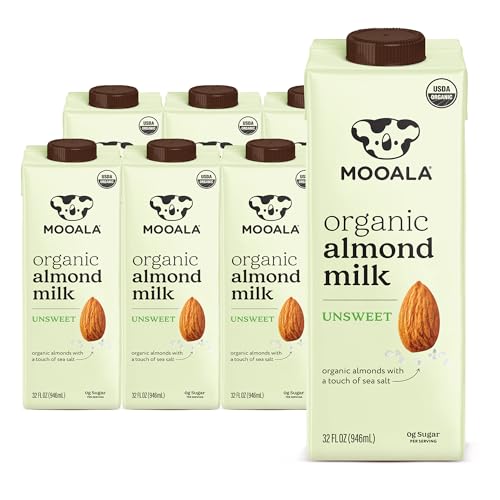
Mooala distinguishes itself by using organic roasted almonds rather than raw, which gives this milk a deeper, toastier nut profile. It remains unsweetened with no added sugar, making it suitable for both sweet and savory shake recipes. The ingredient list is short: organic almonds, sea salt, and water, plus added calcium and Vitamin E for nutritional support.
Reviewers consistently praised its creamy mouthfeel relative to other unsweetened almond milks. It whips well in a milk frother for cappuccino-style drinks and blends seamlessly into protein shakes without separating. One long-term user reported going through a case every three weeks for shakes and coffee, emphasizing its reliability as a daily base. The sodium content sits at 120mg per serving, which is lower than many competing almond milks.
The price is higher than typical almond milk, and availability can be inconsistent — some reviewers noted it occasionally goes out of stock on Amazon. The shelf-stable cartons also mean you need to refrigerate after opening, but the pantry storage before opening is convenient. If you prioritize a full-roasted almond taste and want to avoid soy, gluten, and dairy simultaneously, this is a strong contender.
Why it’s great
- Rich roasted almond flavor distinct from raw almond milks
- Creamy texture that froths well for coffee and shakes
- Organic, dairy-free, soy-free, and gluten-free
Good to know
- Premium pricing compared to standard almond milk options
- Occasional stock shortages on Amazon
5. Quest Nutrition Chocolate Protein Shake

While this is technically a dairy-based shake rather than a plant-based milk alternative, it earns a place on this list for anyone whose definition of “milk alternative” includes skipping the blending step entirely. Each 14-ounce bottle packs 45 grams of protein from ultrafiltered nonfat milk, with just 2 grams of sugar and 4 grams of net carbs. No other option in this guide comes close to that protein density per serving.
The chocolate flavor is noticeably indulgent — reviewers described it as resembling a milkshake rather than a health drink, with the sucralose aftertaste well-hidden. The consistency is thick and satiating, though a few users wished it were even thicker. It blends well with ice or sugar-free syrup if you want to modify the texture, and it works as a post-operative or meal-replacement option when eating solid food is difficult.
The main barrier is cost per bottle, which runs considerably higher than mixing your own shake from powder and milk alternative. It also contains milk and soy allergens, so it is not suitable for dairy-free or vegan diets. For anyone who needs the absolute highest protein count in a grab-and-go liquid format, this is the undisputed winner.
Why it’s great
- 45g protein per bottle — highest count among all options reviewed
- Only 2g sugar and 4g net carbs per serving
- Tastes like a milkshake without the sugar load
Good to know
- Contains dairy and soy — not suitable for vegan or dairy-free diets
- High cost per serving compared to DIY shakes
FAQ
Which milk alternative has the most protein for shakes?
Why do some milk alternatives get slimy in protein shakes?
Final Thoughts: The Verdict
For most users, the milk alternative for protein shakes winner is the Edensoy Unsweetened Organic Soymilk because it delivers 12 grams of complete protein per serving from a clean, gum-free ingredient list that blends reliably without slimy textures. If you want ready-to-drink convenience with no mixing required, grab the Premier Protein Almondmilk Shake. And for the absolute highest protein count per bottle from a grab-and-go option, nothing beats the Quest Chocolate Protein Shake.