Finding a milk substitute that doesn’t trigger digestive distress while still delivering on taste and texture can feel like an impossible mission. The dairy aisle is packed with options, but many are loaded with gums, oils, and added sugars that compromise both flavor and nutrition.
I’m Mohammad Maruf — the founder and writer behind AirfryerBite. I spent weeks analyzing the nutritional panels, ingredient lists, and customer feedback across dozens of lactose-free and plant-based milks to separate the genuinely gut-friendly options from the marketing hype.
Whether you need a creamy pour for your morning coffee or a reliable base for smoothies, this guide cuts through the noise to help you choose the right milk alternative for lactose intolerance without wasting money on products that fall short.
How To Choose The Best Milk Alternative For Lactose Intolerance
Not all milk alternatives are created equal when your gut is the deciding factor. Many plant-based milks hide stabilizers that can mimic lactose-intolerance symptoms, while some ultra-filtered dairy options remove the lactose entirely without losing the protein profile. Focus on three critical areas to narrow your choice.
Ingredient Purity: The Shorter The List, The Better
The single biggest trap in this category is the “clean label” facade. Brands often add sunflower lecithin, gellan gum, or locust bean gum to improve mouthfeel, but these additives can ferment in the colon and cause gas, bloating, and cramping in sensitive individuals. Look for milks with five ingredients or fewer — ideally just water, the base nut or grain, and a pinch of salt. If you see carrageenan on the label, skip it entirely; this seaweed-derived thickener is linked to intestinal inflammation in some people.
Protein & Calcium Density: Don’t Trade Nutrition For Comfort
Many lactose-free milks are nutritionally hollow. Standard almond milk often delivers only 1 gram of protein per cup, which is a fraction of dairy’s 8 grams. If you’re replacing milk as a staple, choose an option fortified with calcium (aim for 30% or more of the daily value per serving) and one that offers at least 4-5 grams of protein. Pea-protein-based milks and ultra-filtered lactose-free dairy are the two categories that consistently bridge this gap without triggering symptoms.
Shelf Stability vs. Refrigerated Freshness
Your storage habits matter. Shelf-stable cartons (sold in aseptic packaging) can sit in your pantry unopened for months, making them ideal for bulk buying or emergency backstock. Refrigerated options have a shorter lifespan but often taste closer to fresh dairy. Both can be lactose-free or plant-based, so choose based on how quickly you go through a carton and whether you have fridge space for a 6-pack.
Quick Comparison
On smaller screens, swipe sideways to see the full table.
| Model | Category | Best For | Key Spec | Amazon |
|---|---|---|---|---|
| Darigold FIT High Protein Milk | Ultra-Filtered Dairy | Protein seekers wanting real dairy taste | 25g protein per 14oz bottle | Amazon |
| SPROUD Unsweetened Pea Milk | Plant-Based | Nut-free, high-protein coffee & cereal use | Pea protein, 0g sugar, shelf-stable | Amazon |
| Califia Farms Organic Almond Milk | Plant-Based | Minimalists avoiding oils and gums | 3 ingredients: water, almonds, sea salt | Amazon |
| Mooala Organic Almond Milk | Plant-Based | Budget-friendly pantry stocking | Shelf-stable, organic roasted almonds | Amazon |
| Elmhurst 1925 Unsweetened Almond Milk | Plant-Based | Clean-label purists wanting high almond content | 5g protein, no gums or emulsifiers | Amazon |
In‑Depth Reviews
1. Darigold FIT High Protein Milk 2%
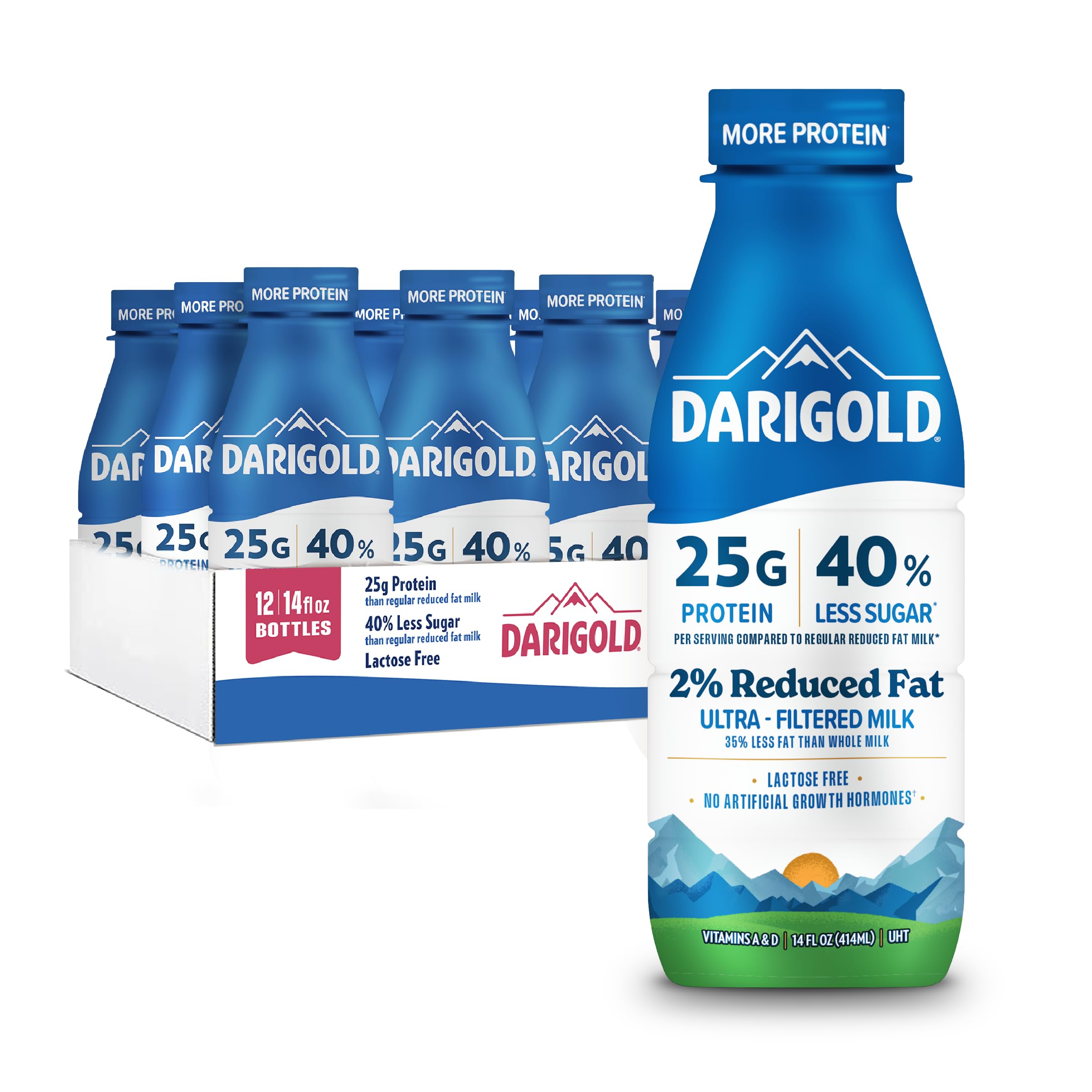
Darigold FIT sits at the premium end of the ultra-filtered dairy category, and for good reason. Each 14-ounce bottle delivers 25 grams of protein with 40% less sugar than standard milk, all while being completely lactose-free thanks to the filtration process that physically removes the lactose molecules. The 2% fat content gives it a creamy mouthfeel that rivals whole milk, making it an easy swap for cereal, coffee, or drinking straight.
The shelf-stable packaging is a practical bonus — unopened bottles stay fresh at room temperature, which is ideal for anyone who buys in bulk or lacks consistent fridge space. Once opened, it stays fresh for up to 7 days refrigerated. The nutrition density here is unmatched by any plant-based competitor in this lineup, with added Vitamin D, Calcium, Potassium, and Vitamin A rounding out the profile.
If your primary goal is maintaining high protein intake without triggering lactose symptoms, this is the most direct solution. The only trade-off is that it is still derived from dairy, so individuals with a dairy protein allergy (not lactose intolerance) should stick to the plant-based options below.
Why it’s great
- 25g protein per bottle — highest in this roundup
- Lactose removed via ultrafiltration, not enzymes
- 40% less sugar than regular milk, no artificial sweeteners
Good to know
- Not suitable for dairy protein allergy or vegan diets
- Must be consumed within 7 days after opening
- Higher price point than entry-level almond milks
2. SPROUD Unsweetened Pea Milk
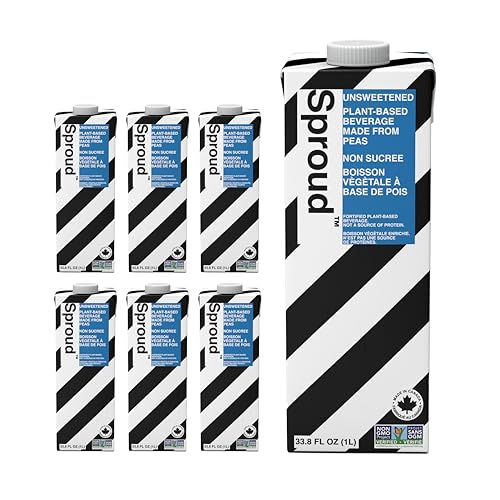
SPROUD takes a different approach by building its milk alternative around pea protein, which delivers a nutrition profile far closer to dairy than standard almond or oat milks. Each liter provides the same calcium levels as cow’s milk plus added vitamins D2, B2, and B12, with zero sugar and zero carbs in the unsweetened version. The texture lands somewhere between semi-skimmed and whole milk — thin enough to pour smoothly but with enough body to work in lattes and baking.
The environmental angle is worth noting: pea protein requires ten times less water to cultivate than almonds and less land than oats or soy. The packaging is shelf-stable and eco-conscious, reducing carbon footprint by roughly one-third compared to refrigerated alternatives. After opening, it needs refrigeration and should be used within 5-7 days.
This is the strongest option for anyone who needs a nut-free, soy-free, and gluten-free base that still packs meaningful protein. The only downside is that pea protein carries a slightly earthy aftertaste that some drinkers notice in plain applications, though it disappears completely in smoothies or coffee.
Why it’s great
- Nut-free, soy-free, and gluten-free — allergy-friendly across the board
- Calcium matched to dairy milk plus added B vitamins
- Zero sugar and zero carbs in unsweetened version
Good to know
- Earthy pea-protein flavor may be noticeable when drinking plain
- Not as widely available in physical grocery stores
- Protein content per serving is lower than ultra-filtered dairy options
3. Califia Farms Organic Unsweetened Almond Milk

Califia Farms strips almond milk down to its absolute essentials: purified water, organic almonds, and sea salt. No oils, no gums, no carrageenan, no soy, and no gluten. This ingredient philosophy directly addresses the gut sensitivity problem — for many lactose-intolerant individuals, it is not just the lactose itself but the thickeners and emulsifiers in plant milks that cause bloating and discomfort.
The texture is noticeably thinner than almond milks that rely on sunflower lecithin or gellan gum for body, but the trade-off is a cleaner digestion experience. The 32-ounce cartons come in a 6-pack and are shelf-stable until opened. Because settling is natural in additive-free almond milk, you need to shake the carton vigorously before each pour to redistribute the almond sediment.
This is the best choice for anyone whose digestive system reacts badly to the chemical stabilizers found in most mainstream plant milks. The protein content is low at roughly 1g per serving, which is typical for almond milk, so it works best as a cereal or coffee additive rather than a protein source.
Why it’s great
- Only three ingredients — truly clean label, no hidden additives
- USDA organic certification verified
- Zero gums, oils, carrageenan, or emulsifiers
Good to know
- Low protein (about 1g per serving)
- Requires vigorous shaking before each use due to natural settling
- Thinner consistency may not satisfy those used to creamy oat milks
4. Mooala Organic Almond Milk Unsweetened
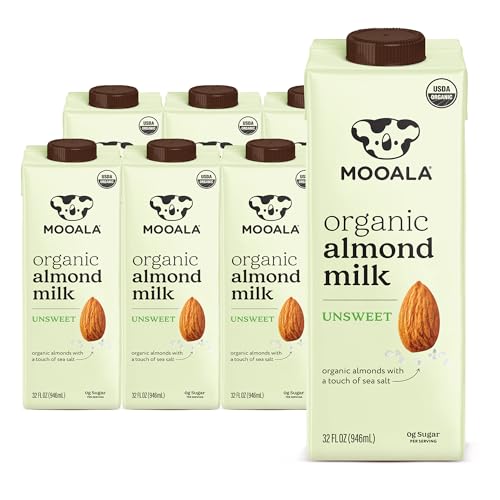
Mooala’s unsweetened almond milk uses organic roasted almonds, which gives it a slightly deeper, toastier flavor compared to raw-almond-based competitors. The ingredient list stays tight: organic almonds, filtered water, and sea salt — no gums, no emulsifiers, no carrageenan. Each carton is shelf-stable until opened, making it easy to keep a 6-pack stashed in the pantry for emergencies or bulk meal prep.
In terms of nutrition, it provides a good source of Calcium and Vitamin E without any added sugar. Like most almond milks, the protein count is minimal, so it is not a meal replacement or workout recovery drink. The texture is smooth and light, working well in cereal bowls, smoothie blends, and as a milk substitute in baking recipes where the dairy flavor is not the star.
The roasted almond flavor sets it apart when drinking it straight or using it in coffee, though some users report that the roasted note can clash with very delicate tea varieties. If you prioritize a long shelf life and a clean organic profile over protein density, this is a reliable mid-range option that won’t upset your stomach.
Why it’s great
- Roasted almonds create a unique, warm flavor profile
- Shelf-stable packaging ideal for bulk storage
- Organic, dairy-free, soy-free, and gluten-free
Good to know
- Low protein content (standard for almond milk)
- Roasted flavor may not pair well with delicate teas
- Settles naturally; must be shaken thoroughly before pouring
5. Elmhurst 1925 Unsweetened Almond Milk

Elmhurst 1925 operates on a “Simpler. Better.” philosophy, and the ingredient list reflects that commitment: filtered water and almonds. No gums, no emulsifiers, no added sugars, no artificial flavors. What sets Elmhurst apart from other almond milks is its HydroRelease method, which extracts more almond solids per serving. The result is 5 grams of protein per cup — roughly five times what most almond milks deliver — and a noticeably creamier texture that does not rely on thickeners.
Each pack contains six 32-ounce shelf-stable cartons, giving you 192 ounces total. The higher almond concentration means the milk has a more pronounced almond flavor and a richer mouthfeel, making it one of the few plant-based options that can stand in for dairy in creamy sauces or full-bodied lattes without falling flat. It is also certified vegan and kosher.
The premium price point reflects the higher almond-to-water ratio and the proprietary extraction process. If you are willing to pay more for a cleaner ingredient deck and significantly better protein numbers than standard almond milk, Elmhurst delivers. The only catch is that its strong almond presence can overpower lighter dishes if you are not careful with ratios.
Why it’s great
- 5g protein per serving — exceptional for almond milk
- No gums, emulsifiers, or artificial ingredients of any kind
- Creamy texture from higher almond content, not additives
Good to know
- Higher price point than most almond milk brands
- Strong almond flavor can dominate delicate recipes
- Sold in 32oz cartons; availability may vary regionally
FAQ
Can I use these milk alternatives in cooking and baking the same way as dairy milk?
Why do some plant-based milks contain more protein than others even when made from the same nut?
Is shelf-stable milk less nutritious than refrigerated milk alternatives?
What is the difference between lactose-free dairy and dairy-free plant milk?
Final Thoughts: The Verdict
For most users, the milk alternative for lactose intolerance winner is the Darigold FIT High Protein Milk because it delivers the highest protein density, a genuine dairy taste, and complete removal of lactose through ultrafiltration — without the gums or fillers that plague many plant milks. If you want a nut-free, vegan-friendly option that still packs protein, grab the SPROUD Unsweetened Pea Milk. And for the cleanest possible ingredient deck with decent protein from a plant source, nothing beats the Elmhurst 1925 Unsweetened Almond Milk.