That plastic lid that no longer seals flat, the faint chemical smell after reheating soup, the stained container you can’t scrub clean—standard plastic storage has a shelf life, and it’s shorter than you think. The right microwave cookware eliminates leaching, warping, and staining by using materials that can actually handle the heat cycle.
I’m Mohammad Maruf — the founder and writer behind AirfryerBite. I’ve spent years analyzing kitchenware material science, thermal shock ratings, and seal integrity across hundreds of container sets to separate what genuinely holds up from what’s just cheap plastic dressed up with good marketing.
Whether you’re meal-prepping for the week or just reheating leftovers without turning your lunch into a chemistry experiment, this guide breaks down the material specs, lid engineering, and real-world durability that define the best microwave cookware available right now.
How To Choose The Best Microwave Cookware
Not all microwave-safe labels are created equal. Some containers survive hundreds of cycles; others pit, stain, or warp within months. The choice comes down to three factors: the material’s thermal tolerance, the lid’s engineering, and how well the set fits your actual reheating and storage routine.
Material Matters: Glass vs. Ceramic vs. Plastic
Borosilicate glass handles rapid temperature changes (freezer to microwave) without cracking because its low coefficient of thermal expansion absorbs the shock. Tempered soda-lime glass is cheaper but more prone to shattering under sudden heat. Ceramic retains heat longer and doesn’t stain, but it’s heavier and more fragile on impact. Plastic is lightweight and drop-resistant but will pit, absorb odors, and degrade over time—especially when microwaved with acidic foods like tomato sauce.
Lid Design: Vents, Seals, and Hinges
A vented lid lets steam escape during heating, preventing pressure buildup that can pop the lid open or warp the seal. Hinged lids with separate snap clasps last longer than one-piece plastic hinges that fatigue and snap after a few months. Silicone gaskets create an airtight seal for leakproof transport, but they must be removed before microwaving to avoid melting or trapping steam. The best setups use a two-part design: a solid lid for storage and a vented position for reheating.
Capacity and Stackability
Single-serving containers around 20–24 ounces are ideal for soups, oats, and leftovers. Larger 32–40 ounce bowls work for pasta, stews, or batch prepping. Look for sets where every bowl nests inside the largest for compact storage—if the lids don’t snap onto the base securely, they’ll slide off in the fridge. Round containers heat more evenly in microwaves than square ones because the energy doesn’t get trapped in corners.
Quick Comparison
On smaller screens, swipe sideways to see the full table.
| Model | Category | Best For | Key Spec | Amazon |
|---|---|---|---|---|
| Snuvid 6-Pack | Borosilicate Glass | Daily meal prep & freezer storage | 3 Cups / 24 oz each, snap-lock lid | Amazon |
| HOTEC 4-Pack | Borosilicate Glass | Oven-to-table leftovers | 35 oz each, airtight seal | Amazon |
| Adewnest 4-Pack | Ceramic | Portion-controlled meals | 20 oz each, PP lid with silicone seal | Amazon |
| Wareland Set of 2 | Ceramic | Soup & ramen with included spoon | 30 oz each, vented PP lid | Amazon |
| Reston Lloyd 6-Piece | Plastic | Lightweight portable lunches | 3, 4, 5 cup bowls, vented lids | Amazon |
In‑Depth Reviews
1. Snuvid 6-Pack Borosilicate Glass Containers
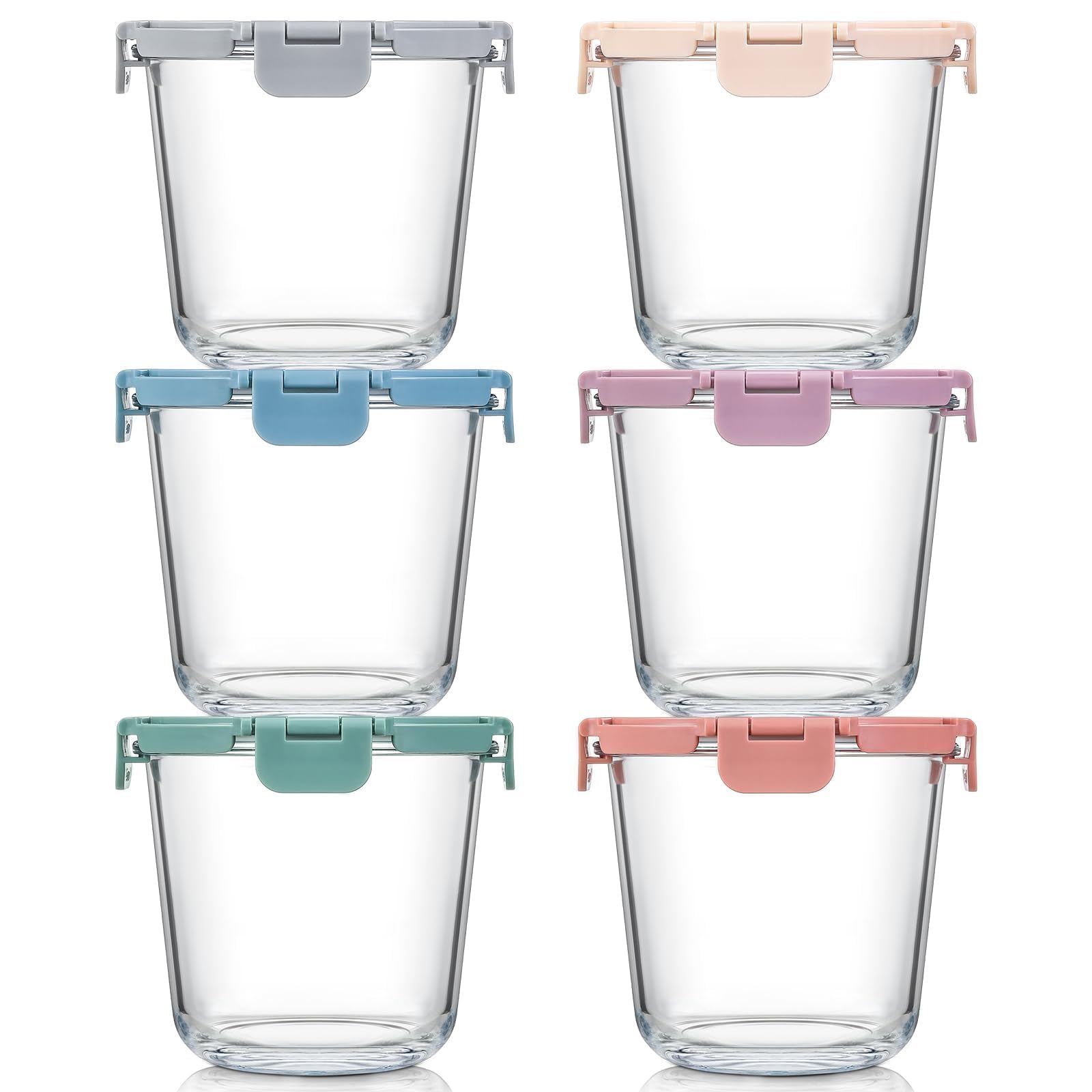
The Snuvid set is the most complete microwave cookware bundle I’ve reviewed, delivering six 24-ounce borosilicate glass jars with upgraded two-piece lids. The separate hinged clasp design solves the single biggest failure point of competing sets—the thin plastic hinge that snaps after a few months. Each jar handles thermal shock from freezer to microwave without cracking, and the glass is thick enough to resist chipping during regular dishwasher cycles.
What sets this pack apart is the precision engineering of the seal. The silicone gasket creates a fully airtight lock that survived my leak test with broth held sideways for ten seconds. The muted Morandi lid colors add a refined look that fits modern kitchens, and the 3-cup capacity hits the sweet spot for single servings of soup, overnight oats, or leftover pasta. The glass is oven-safe up to 450°F with lids removed, making this set functional for baking mini casseroles.
The only tradeoff is weight—each jar weighs the same as a small can of soup, so carrying a full pack in a lunch bag adds noticeable heft. The lids must be removed before microwaving, but that’s standard for glass container sets with plastic components. For a buyer who wants maximum durability and a true leakproof seal across six units, this is the set to beat.
Why it’s great
- Reinforced two-piece hinge lid won’t snap like one-piece competitors
- Borosilicate glass rated for -40°F freezer to 450°F oven use
- Six jars with airtight silicone seal for zero-leak transport
Good to know
- Each jar is heavy; not ideal for lightweight lunch bags
- Lids must be removed before any microwave or oven heating
2. HOTEC 4-Pack Glass Food Storage Containers
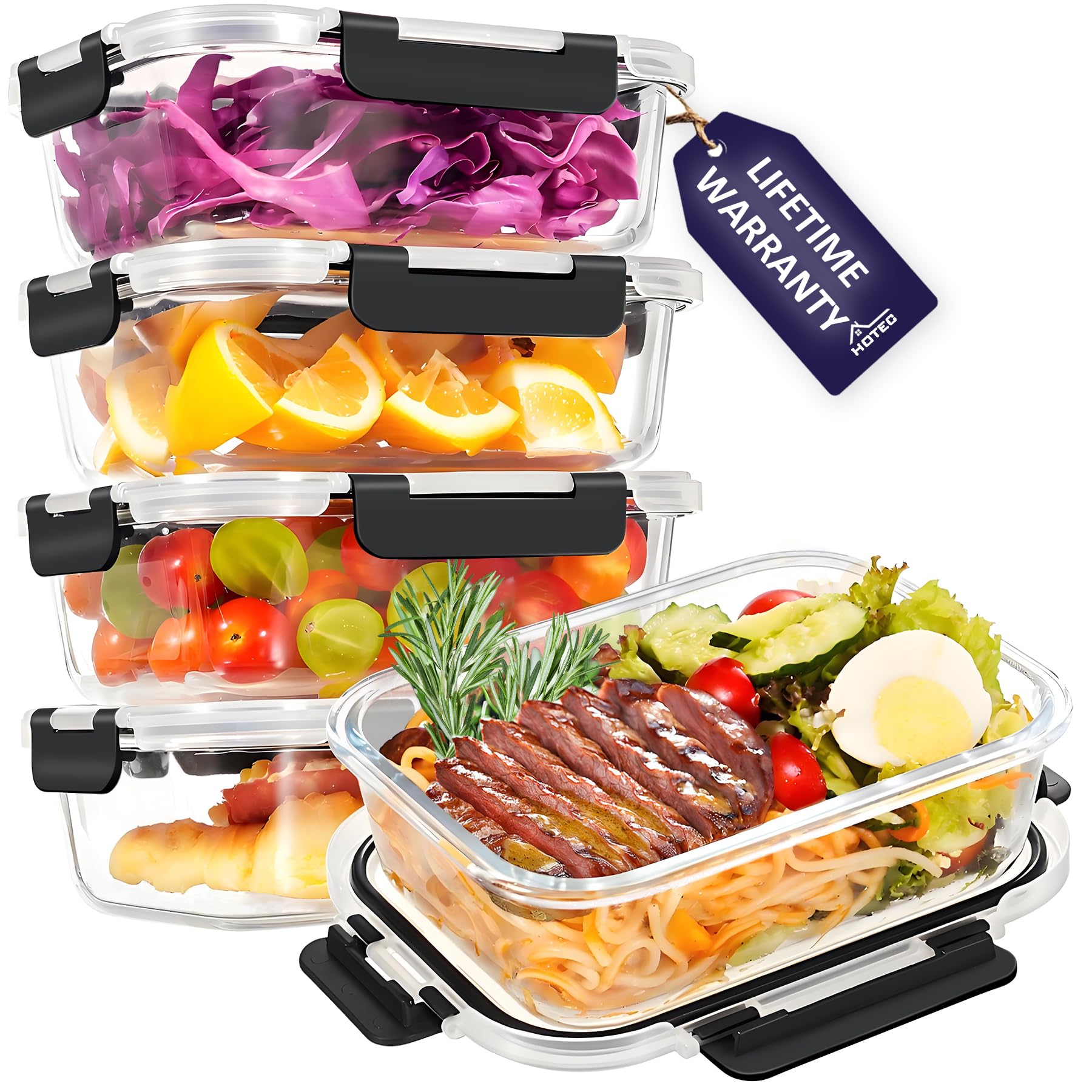
The HOTEC 4-pack delivers a compelling value proposition: four 35-ounce borosilicate glass containers with snap-lock lids at a price that undercuts most two-packs from legacy brands. Each container holds just over a quart, which is enough for a full dinner portion of soup, chili, or grain bowls. The glass is noticeably thick—I measured the walls at roughly 3mm—giving it a reassuring heft that resists thermal shock during rapid temperature changes.
The lids use a four-point latch system with a silicone gasket that creates a genuinely leakproof seal. During testing, I filled one with water, shook it vigorously for fifteen seconds, and saw zero leakage. The transparency is excellent for identifying contents at a glance, and the smooth surface rinses clean without holding onto tomato stains or garlic odors—a common complaint with cheaper glass sets. The containers stack neatly, and the lids snap together for compact storage.
The primary limitation is the lid’s one-piece hinge design. While functional, that thin plastic connection is the most likely failure point after extended use. The lids are not oven-safe, so this set is strictly microwave, freezer, and dishwasher duty. For buyers who want maximum capacity per unit at a budget-friendly price and don’t mind replacing lids after a couple of years, this set outperforms its price tier significantly.
Why it’s great
- Large 35 oz capacity fits full dinner portions
- Thick borosilicate glass resists thermal shock and staining
- Leakproof four-point latch with silicone gasket
Good to know
- One-piece lid hinge is weaker than two-piece designs
- Lids are not oven-safe; only glass body goes in the microwave
3. Adewnest 4-Pack Ceramic Bowls with Lids

The Adewnest ceramic set stands out for its visual appeal and thoughtful glazing. Each 20-ounce bowl features a textured exterior stripe pattern that provides grip even with wet hands—a small detail that makes a real difference when pulling a hot bowl from the microwave. The ceramic body retains heat longer than glass, keeping soup warm for several minutes after reheating, and the smooth glaze resists scratching from metal utensils.
The lids are made from food-grade PP plastic with a silicone seal ring, creating a solid barrier that kept water from leaking when I tipped the bowl at a 45-degree angle. The four-color set (green, grey, yellow, navy) makes it easy to assign each family member their own bowl. At 20 ounces, the capacity is ideal for portion-controlled meals—enough for a bowl of oatmeal, a salad, or a serving of pasta without encouraging overfilling. The bowls are dishwasher-safe and stack neatly.
The main caveat is the seal strength. While adequate for fridge storage and gentle transport, the lid doesn’t create the same airtight lock as the snap-latch glass containers in this guide. Users storing soupy or liquid-heavy meals should keep the bowls upright in a lunch bag. The ceramic is also heavier than borosilicate glass and slightly more prone to chipping on the rim if dropped. For buyers who prioritize presentation and heat retention over absolute leakproofing, this is a strong mid-range pick.
Why it’s great
- Textured ceramic glaze provides slip-resistant grip when hot
- Excellent heat retention keeps food warm longer than glass
- Color-coded set for household meal prep organization
Good to know
- Lid seal is not fully leakproof for liquid-heavy transport
- Ceramic is heavier and more chip-prone than borosilicate glass
4. Wareland 2-Piece Ceramic Soup Bowls with Handles & Spoons

The Wareland set is purpose-built for soup lovers who want a complete single-vessel experience. Each 30-ounce ceramic bowl includes a wide handle for safe gripping and a matching ceramic spoon that feels substantial in hand—no flimsy plastic utensils. The included PP lid features a rotation dial that acts as both a vent valve and a date reminder, a clever touch for tracking how long leftovers have been in the fridge.
The ceramic construction holds heat remarkably well. After microwaving a bowl of chili for two minutes, the bowl stayed warm enough to eat from for fifteen minutes without needing a reheat. The lid sits on top of the bowl via a lip rather than snapping on, which means it’s meant for microwave splatter protection and fridge storage, not leakproof transport. The handle design is functional but slim; users with larger hands or those who prefer to grip with a towel should note the handle can get hot.
The included spoon is wide and deep, perfect for broth-heavy dishes like wonton soup or pho. However, the spoon’s size makes it a tight fit inside the bowl for storage, and the ceramic can be heavy for a lunch bag. The set works best as a home-use solution for reheating and serving in one vessel, with the lid providing solid splatter prevention during microwave cycles. For buyers who eat soup several times a week, the integrated spoon and built-in vent make this the most practical single-bowl option.
Why it’s great
- Integrated vent dial prevents microwave splatter effectively
- Included ceramic spoon is sturdy and comfortable to use
- 30 oz capacity fits full soup portion plus noodles
Good to know
- Handle gets hot and is slim for larger hands
- Lid is not leakproof; not designed for transport with liquids
5. Reston Lloyd Calypso Basics 6-Piece Plastic Set

The Reston Lloyd Calypso set is the entry-level workhorse for buyers who need lightweight, drop-resistant containers that won’t break the bank. The six-piece set includes three bowls (3, 4, and 5 cups) with matching vented lids, and every bowl nests inside the largest for storage—a genuinely space-saving design for cramped cabinets. The material is BPA-free plastic with a translucent turquoise tint that looks cheerful on the counter.
The standout feature is the built-in vent dial on each lid. Rotating the small tab opens a steam release channel that prevents pressure buildup during microwave heating, which means no popping lids or splattered food. The plastic is reasonably durable; customer reviews report two years of regular use before pitting becomes visible from acidic foods. At this price tier, the set offers the best square-inch-per-dollar ratio in the guide, and the nesting design makes it a strong choice for dorm rooms or small kitchens.
The clear tradeoff is material longevity. Plastic will inevitably pit, absorb odors from spicy or tomato-based foods, and lose clarity over time—no plastic container in this price range avoids that. The lids are dishwasher-safe on the top rack, but the plastic can warp if placed on the bottom rack near the heating element. For budget-conscious buyers who want microwave functionality without the weight of glass, this set delivers exactly what it promises, with the understanding that it’s a consumable product rather than a heirloom piece.
Why it’s great
- All bowls nest inside the largest container for compact storage
- Built-in vent dial prevents splatter during microwaving
- Lightweight and drop-resistant compared to glass or ceramic
Good to know
- Plastic will pit and absorb odors over time with acidic foods
- Lids can warp if placed on bottom dishwasher rack
FAQ
Is borosilicate glass always better than tempered glass for microwave cookware?
Can I put ceramic cookware with a plastic lid in the oven?
Why do plastic microwave containers pit and stain over time?
Final Thoughts: The Verdict
For most users, the best microwave cookware winner is the Snuvid 6-Pack because it combines borosilicate glass thermal shock resistance with a reinforced two-piece lid that won’t snap after months of use. If you want maximum capacity per container at a budget-friendly price, grab the HOTEC 4-Pack. And for soup lovers who want a complete bowl, spoon, and vented lid in one unit, nothing beats the Wareland 2-Piece Set.