A smoothie loaded with vibrant green tea powder should taste refreshing and energizing, not like a mouthful of dust. The wrong matcha clumps, turns brown, and leaves a chalky, bitter residue that ruins the entire drink. Finding a powder that dissolves seamlessly and delivers a clean, earthy flavor is the difference between a morning ritual you crave and one you choke down.
I’m Mohammad Maruf — the founder and writer behind AirfryerBite. I’ve spent months cross-referencing lab tests, customer feedback patterns, and certification records to pinpoint the matcha powders that actually perform in a blender without turning murky or harsh.
This guide breaks down the top contenders for matcha powder for smoothies, focusing on the specific specs—grind fineness, organic certification, harvest origin, and bag size—that separate a silky, nutrient-dense pour from a gritty disappointment.
How To Choose The Best Matcha Powder For Smoothies
Not all green tea powder is built for a blender. Smoothies require a fine, consistent grind that disperses evenly in cold liquid, plus a flavor profile that complements fruit and milk rather than overpowering it with astringency. Here are the three decision points that separate a great smoothie matcha from a regrettable purchase.
Grade Matters More Than You Think
Culinary grade matcha is the correct choice for smoothies. Ceremonial grade, while higher in pigment and smoother when whisked alone, loses its nuanced character when mixed with banana, spinach, or protein powder—and costs significantly more per gram. Look for a culinary blend that explicitly states it handles high-temperature baking or blending without losing color or turning bitter. A 100-gram bag offers around 50 servings, making it the practical sweet spot for daily smoothie drinkers.
Grind Fineness Determines Mouthfeel
A particle size below 30 microns is ideal for smoothies. Coarser grinds settle at the bottom of the glass and leave a sandy texture that no amount of blending fixes. Reputable brands use slow stone-grinding techniques that preserve chlorophyll and prevent heat damage during milling. If a bag lacks any mention of stone grinding or micron fineness, treat the texture as a gamble.
Origin and Certification Affect Purity
Authentic Japanese matcha from regions like Uji, Kagoshima, or Nishio is shade-grown, which increases L-theanine production and reduces bitterness. USDA Organic or JAS certification ensures no synthetic pesticides or fertilizers contaminated the leaves—important when you are drinking the entire leaf ground up rather than steeping it. Avoid blends that source from China or fail to disclose the harvest region; those powders typically taste grassy or harsh in a cold smoothie.
Quick Comparison
On smaller screens, swipe sideways to see the full table.
| Model | Category | Best For | Key Spec | Amazon |
|---|---|---|---|---|
| Naoki Matcha All Purpose | Culinary Grade | Versatile smoothie & baking | 3.5 oz bag, JAS Organic | Amazon |
| Jade Leaf Culinary Grade | Culinary Grade | Daily lattes & smoothies | 3.53 oz bag, USDA Organic | Amazon |
| Kenko USDA Organic | Culinary Grade | Freshness-focused blender use | 3.5 oz bag, Nishio origin | Amazon |
| Ujido Summer Harvest | Culinary Blend | Mellow flavor, budget | 2 oz bag, Uji origin | Amazon |
| MatchAiA Organic | Premium Culinary | Large volume value | 12.3 oz tin, USDA Organic | Amazon |
In‑Depth Reviews
1. Naoki Matcha Organic All Purpose Blend
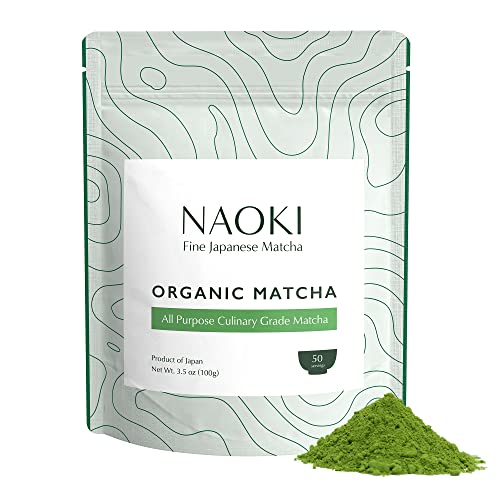
Naoki strikes the perfect balance between smooth, umami-rich flavor and the robust character needed to cut through milk and fruit in a blender. Harvested from Kagoshima Prefecture and certified organic by JAS, this culinary grade powder retains a vibrant green hue even after being mixed with cold almond milk or frozen banana. The 100-gram resealable pouch provides roughly 50 servings, making it a practical daily option for smoothie drinkers who want consistent quality without a ceremonial price tag.
Customer feedback consistently highlights how easily it dissolves—no clumps, no gritty sediment. Multiple reviewers mention switching from cheaper alternatives because Naoki’s stone-ground texture blends seamlessly into both hot lattes and cold smoothies without turning bitter. The earthy flavor is present but not aggressive, meaning you can add a full teaspoon per serving without overwhelming the other ingredients.
One minor trade-off: the pouch is not a tin, so you will want to transfer it to an airtight container and store it in the fridge after opening to preserve freshness over the month. The powder is ground right before export, so you start with peak freshness, but the bag’s seal degrades with repeated use.
Why it’s great
- Smooth, no-bitter flavor profile ideal for fruit blends
- JAS organic certification ensures pure cultivation
- Resealable bag keeps powder fresh during daily use
Good to know
- Pouch packaging requires transfer to a dry container for long-term storage
- Smaller 3.5 oz size per bag than some value competitors
2. Jade Leaf Matcha Organic Culinary Grade

Jade Leaf sources its leaves from Uji and Kagoshima, two of Japan’s most respected tea regions, and grinds them into a culinary grade powder that holds its color remarkably well in cold applications. The 100-gram pouch yields roughly 50 lattes or up to 100 thin usucha servings, which translates to excellent per-drink value for smoothie enthusiasts who go through a bag weekly. The powder has a naturally low caffeine content—roughly 16–24 mg per serving—making it a clean energy boost without the crash if you drink multiple smoothies a day.
Reviewers consistently praise the smooth, velvety texture and the absence of an artificial aftertaste when mixed with sweetened almond milk or oat milk. The vibrant green color stays intact even after blending with spinach, berries, or protein powder, indicating that the chlorophyll and catechins are well-preserved. Many users store the resealable bag in the fridge and report no clumping or loss of freshness within the first 30 days of opening.
The only catch is that this is explicitly a culinary blend, so it has a slightly more robust flavor profile than ceremonial grades. If you prefer a very subtle matcha taste, dial back the serving to half a teaspoon per smoothie. The bag’s small dimensions (0.75 x 5.5 x 5.5 inches) also mean it fits easily in a pantry shelf or refrigerator door.
Why it’s great
- Vibrant green color holds up in dense smoothie blends
- Low caffeine content suitable for multiple daily servings
- 50-servings-per-bag value for daily drinkers
Good to know
- Culinary grade is slightly more robust than ceremonial—adjust serving size
- Pouch packaging is not airtight after first open; store in separate container
3. Kenko Matcha USDA Organic Culinary Grade
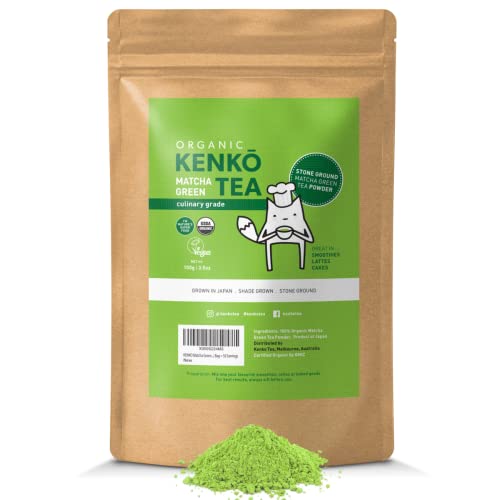
Kenko stands out because the company orders its matcha in small batches and grinds it within the month of your purchase, meaning the bag you receive is measurably fresher than most store-shelf alternatives. Sourced from the Nishio region—renowned for producing the highest quality first-harvest leaves—this culinary grade powder undergoes monthly radiation and heavy metal testing, which adds a layer of safety that budget matcha powders skip entirely. The 100-gram bag delivers around 50 servings, and the freshness window means the aroma and color peak immediately upon arrival.
User reviews emphasize the smooth, mild character with no bitterness, even when whisked into cold water or milk. The fine grind dissolves quickly with a bamboo whisk, and the vibrant green hue stays vivid in smoothies mixed with banana and almond milk. Several buyers mention switching from coffee to this matcha and noticing sustained energy without jitters, thanks to the preserved L-theanine content.
The downside is the shorter shelf life—because it is ground fresh, you need to use it within roughly 30 to 45 days to experience peak flavor and color. Let it sit longer than two months and the powder may lose its bright green tint and develop a much flatter taste. Also, the bag is not resealable, so you must transfer it to an airtight jar immediately after opening.
Why it’s great
- Ground within the past month for peak freshness
- Monthly heavy metal and radiation testing for purity
- Smooth, mild flavor profile suits cold smoothies perfectly
Good to know
- Short optimal freshness window—use within 30–45 days of opening
- Non-resealable bag requires immediate transfer to an airtight container
4. Ujido Summer Harvest Culinary Matcha
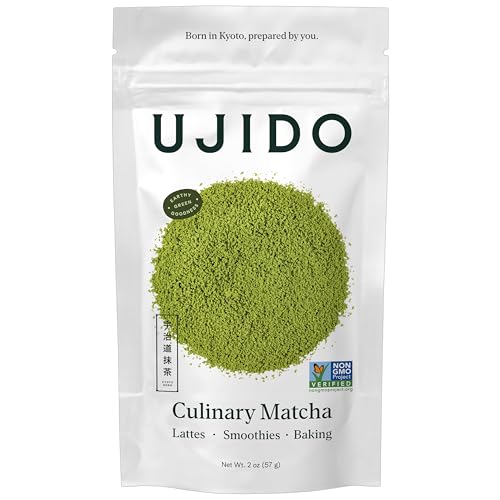
Ujido offers a second-harvest culinary matcha that skews closer to ceremonial in smoothness while staying budget-friendly. Picked in early summer from the Uji region—the birthplace of matcha—this powder delivers a mellow, soothing flavor that needs very little sweetener to taste enjoyable. The 2-ounce bag provides 46 servings, making it a compact but practical choice for someone who wants a smooth foundation for fruit-forward smoothies without paying for a larger quantity they may not finish quickly.
Buyers report that this matcha works beautifully in sugar-free lattes sweetened with honey or maple syrup, and the gentle profile means it does not turn bitter even when steeped slightly above the ideal 185°F range. For smoothie use, the powder mixes cleanly with whole milk or plant milk and blends well with banana or berries without clumping. Several reviews note that the flavor remains vibrant when used in baking as well, confirming its versatility across temperatures.
The smaller bag size is both a strength and a limitation: it helps guarantee you consume the powder within its optimal freshness window, but heavy smoothie drinkers will need to repurchase more often. A few customers noticed the powder became harder to dissolve after the bag sat open for several weeks, so keep it sealed in the fridge and use it steadily.
Why it’s great
- Exceptionally smooth, mellow flavor near ceremonial quality
- Small 2 oz size ensures you use it before it loses freshness
- Versatile across cold drinks, baking, and hot lattes
Good to know
- Smaller bag means more frequent repurchasing for heavy users
- Some clumping reported after several weeks in storage
5. MatchAiA Organic Matcha Green Tea Powder
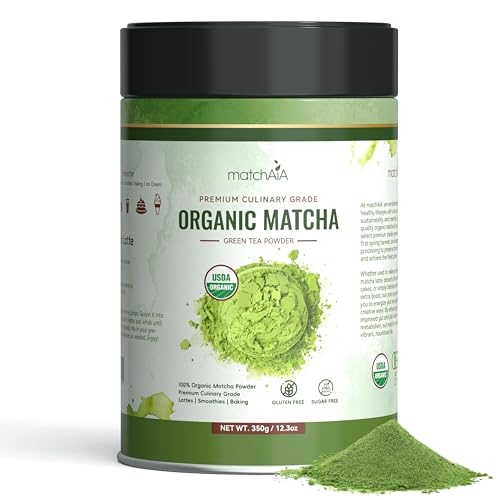
MatchAiA breaks the mold with a massive 350-gram tin—more than three times the volume of most competitors—making it the clear choice for households that blend matcha smoothies daily or run a small café. The powder is USDA Organic and sourced from a 14,000-acre sustainable tea garden, then stone-ground to preserve nutrients. The tin packaging itself is a major advantage: it protects the powder from light, air, and moisture far better than a resealable pouch, keeping the matcha fresh for the duration of such a large container.
Customer feedback is positive overall, with many praising the unsweetened, pure green tea taste that pairs well with milk and fruit. The powder dissolves fairly well in cold water with a good stir, and multiple users report no bitter aftertaste. The per-gram value is unmatched among the options here, so if you are burning through a bag every two weeks, this tin will last over a month and save you repeated shipping fees.
The trade-off is that the texture is not as micro-fine as some premium culinary blends—a few reviews note a slightly less silky mouthfeel compared to higher-priced small-batch powders. If absolute smoothness is your top priority, a smaller-batch brand may suit you better. But for pure volume and steady quality in fruit-heavy smoothies where texture is less critical, MatchAiA delivers strong.
Why it’s great
- Largest tin size—12.3 oz provides exceptional per-gram value
- Tin packaging preserves freshness far better than pouches
- USDA Organic and stone-ground for nutrient retention
Good to know
- Grind is slightly coarser than premium small-batch matcha
- Best suited for fruit-heavy smoothies where micro-fineness is less critical
FAQ
Can I use ceremonial grade matcha in a smoothie without ruining its flavor?
Why does my matcha clump and float on top of the smoothie?
How should I store matcha to maintain its vibrant color for smoothies?
Final Thoughts: The Verdict
For most users, the matcha powder for smoothies winner is the Naoki Matcha Organic All Purpose Blend because it delivers a silky, non-bitter grind at a fair per-serving cost with reliable JAS organic certification. If you want the freshest possible powder with rigorous heavy-metal testing, grab the Kenko Matcha USDA Organic Culinary Grade. And for high-volume blending where value per tin matters most, nothing beats the MatchAiA Organic Matcha Green Tea Powder.