A great iced matcha latte relies on a powder that dissolves cleanly in cold milk without turning clumpy or chalky. The wrong grade leaves a gritty mouthfeel and an unpleasant vegetal bite that no amount of sweetener can mask. Finding a powder that stays vibrant and smooth in a frosty glass is the key to skipping the café line.
I’m Mohammad Maruf — the founder and writer behind AirfryerBite. I’ve spent years analyzing kitchen and culinary products, digging into harvest grades, particle fineness, and region-specific flavor profiles to separate real quality from marketing hype.
After sifting through dozens of options and hundreds of verified reviews, I’ve narrowed the field down to the five powders that actually deliver in cold preparation. This guide covers the best matcha powder for iced latte based on texture, flavor balance, and how well each blends into chilled milk without bitterness.
How To Choose The Best Matcha Powder For Iced Latte
Not every matcha powder handles cold preparation the same way. Some turn bitter when chilled, others refuse to blend without a clumpy mess. Focus on three factors that directly affect your iced latte experience.
Grade Matters More Than You Think
Culinary grade matcha is formulated for baking and mixing with milk, making it a solid choice for lattes where sweetness and dairy balance the flavor. Ceremonial grade uses younger, shade-grown leaves that produce a smoother taste with less astringency, but it comes at a higher cost per serving. For iced lattes, a quality culinary grade or an entry-level ceremonial grade often delivers the best balance of price and cold-beverage performance.
Harvest Timing Determines Bitterness
First harvest matcha (first flush) uses the youngest leaves with higher amino acid content and lower bitterness. Later harvests introduce more catechins that turn sharp when served cold. Powders labeled “first harvest” or “first flush” will taste noticeably smoother in iced milk.
Particle Fineness Affects How It Blends
Stone-ground matcha produces a finer, more uniform powder than blade-ground alternatives. Finer particles dissolve more easily in cold liquid without requiring vigorous whisking or a dedicated frother. Look for descriptions that mention traditional granite stone milling.
Quick Comparison
On smaller screens, swipe sideways to see the full table.
| Model | Category | Best For | Key Spec | Amazon |
|---|---|---|---|---|
| Dona Ceremonial Grade | Premium | Smooth cold lattes | Stone-milled, 1.1 oz tin | Amazon |
| Kenko Culinary Grade | Mid-Range | Frequent daily lattes | 100g bag, USDA Organic | Amazon |
| Rishi Everyday Matcha | Mid-Range | Cafe-quality at home | 1.05 oz tin, culinary | Amazon |
| Kiyo Classic Grade | Mid-Range | Beginners learning balance | 40g, first harvest Uji | Amazon |
| Jade Leaf Culinary Grade | Budget | High volume / economical | 100g resealable pouch | Amazon |
In-Depth Reviews
1. Dona First Flush Ceremonial Grade Matcha
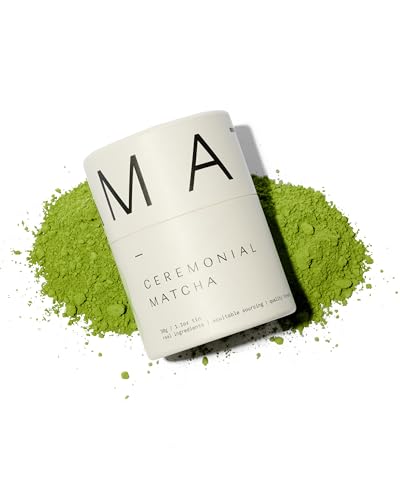
The Dona ceremonial grade matcha uses first-flush leaves from small family estates in Shizuoka, Kagoshima, and Kyoto. It undergoes a high-temperature firing process that introduces toasty, nutty notes — a profile that stands up beautifully to cold milk without turning bitter. The powgrain is stone-milled to an ultra-fine consistency, so it dissolves with minimal whisking even in chilled liquid.
In iced latte testing, this matcha produced a deep vibrant green with a micro-foam layer that clung to the top of the glass. The flavor profile leaned toward roasted sweetness rather than grassiness, and there was zero chalky residue at the bottom of the cup. Many reviewers noted they could skip sugar entirely thanks to the natural umami balance.
The 1.1-ounce tin is smaller than value-sized bags, but the concentrated flavor means you use less per serving — about 2 grams per latte. If you want a genuinely non-bitter iced latte that tastes like a professional café drink, this is the powder to buy.
Why it’s great
- Nutty, roasted flavor stays smooth when cold.
- Stone-milled for effortless dissolution.
- No bitterness even without sweetener.
Good to know
- Smaller tin at a premium price point.
- Ceremonial grade may feel excessive for blended drinks.
2. Kenko Matcha Green Tea Powder USDA Organic
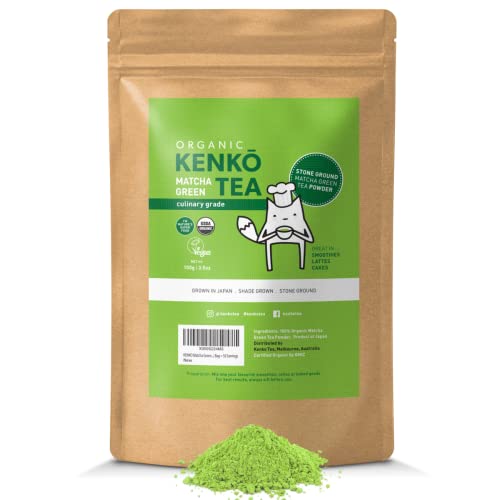
Kenko sources its culinary grade matcha from the Nishio region of Japan, known for its mineral-rich soil and strict growing standards. The 100-gram bag provides roughly 50 servings, making it one of the most economical options for daily iced latte drinkers. The powder has a slightly woodier, earthier character compared to ceremonial grades, but it holds its own in cold milk without turning harsh.
During testing, the Kenko matcha dissolved well with a standard wire whisk and produced a pleasant froth. The color was a bright jade green — less neon than some premium ceremonial powders, but still visually appealing in a glass of oat or almond milk. Reviewers consistently highlighted the smooth mouthfeel and lack of artificial aftertaste.
The bag is resealable and the matcha is ordered in small batches to maintain freshness. If you make an iced latte every morning and want a powder that balances quality with cost per serving, the Kenko bag delivers reliable performance without breaking your monthly tea budget.
Why it’s great
- 50 servings per bag for daily use.
- Earthy flavor complements milk-based drinks.
- USDA Organic and tested for heavy metals.
Good to know
- Woody notes may not suit purists.
- Not as vibrant as ceremonial first harvest.
3. Rishi Tea Everyday Matcha

Rishi’s Everyday Matcha is positioned as a cafe-quality culinary powder that works equally well hot or iced. The blend uses mostly first-harvest leaves with a small percentage of second-harvest tips, giving it a brighter green color than typical culinary matcha while keeping the price accessible. The powder mixes cleanly in cold liquid and produces a finish that reviewers describe as grassy and sweet with only a faint astringency.
In an iced latte with a dairy-free milk and a splash of maple syrup, the Rishi matcha mellowed beautifully — the slight bitterness that appears when drinking it straight with water disappeared entirely. The 1.05-ounce tin is compact but the powder is dense enough to last through several weeks of daily use.
Customers consistently highlighted this as a great option for people switching from café lattes to homemade versions. It offers a noticeably cleaner taste than grocery-store matcha without requiring the ceremonial-grade budget. If you want a reliable everyday workhorse for iced lattes, this is a strong contender.
Why it’s great
- Bright green color in cold milk.
- Grassy sweetness balances dairy or alt-milk.
- Good entry point for café-quality at home.
Good to know
- Small tin size means faster repurchase.
- Mild bitterness if drunk straight with water.
4. Kiyo Matcha Classic Grade Hatsumukashi
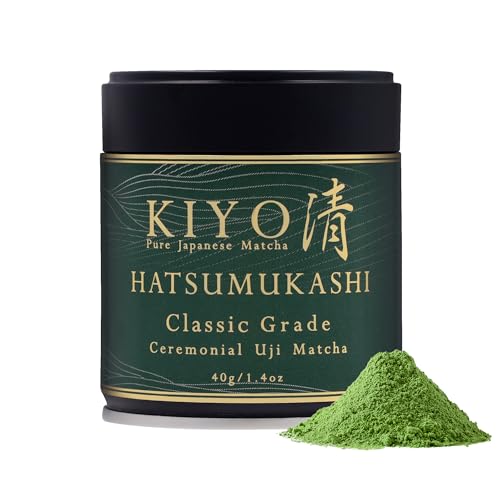
Kiyo’s Classic Grade matcha is labeled as ceremonial grade but positioned as an entry-level option for people new to matcha. It comes from Uji, Japan’s most famous matcha-producing region, and uses first-harvest leaves that are stone-ground in small batches. The 40-gram tin is sealed with an airtight bag inside the screw-top can to preserve freshness after opening.
In iced latte tests, the Kiyo powder produced a nutty, umami-forward flavor with noticeable sweetness and only a mild astringency on the finish. Users who tried it as usucha (thin tea with hot water) reported more bitterness, but when blended with cold milk and a touch of sweetener, the profile evened out nicely. The vibrant green color held well in chilled beverages.
The best audience for this matcha is someone who wants to learn the basics of matcha without paying premium ceremonial prices. It delivers authentic Uji character and stone-ground quality at a accessible price point, making it a smart choice for experimenting with iced latte ratios at home.
Why it’s great
- Authentic Uji stone-ground first harvest.
- Airtight can preserves freshness well.
- Good entry point for learning matcha.
Good to know
- Can be bitter when prepared as usucha.
- 40g size yields fewer servings than larger bags.
5. Jade Leaf Matcha Organic Culinary Grade

Jade Leaf’s culinary grade matcha comes in a 100-gram resealable pouch that yields anywhere from 50 to 100 servings depending on how strong you like your latte. The blend uses multiple cultivars including Okumidori and Yabukita, sourced from Uji and Kagoshima. It is certified organic and contains no sweeteners or additives — just pure stone-ground green tea powder.
When mixed into cold milk, this matcha dissolved smoothly with a vigorous stir and delivered a rich, slightly grassy flavor that many reviewers found ideal for daily drinking. The lower caffeine content compared to the other options makes it a good choice for afternoon iced lattes if you are sensitive to stimulants. The bag is designed to be stored in the refrigerator after opening to maintain color and potency.
This is the most economical pick on the list if you drink multiple iced lattes per week or want to use matcha in smoothies and baking. The flavor is slightly less nuanced than the ceremonial options, but for an everyday cold latte that costs well under a dollar per serving, the Jade Leaf culinary grade offers exceptional value.
Why it’s great
- Roughly 50 to 100 servings per bag.
- Organic and free from additives or sweeteners.
- Dissolves well in cold milk with minimal clumps.
Good to know
- Grassy flavor may be less refined than ceremonial.
- Resealable bag requires fridge storage for freshness.
FAQ
Can I use culinary grade matcha for iced lattes?
Why does my matcha clump in cold milk?
Final Thoughts: The Verdict
For most users, the matcha powder for iced latte winner is the Dona First Flush Ceremonial Grade because its stone-milled first-harvest leaves produce a naturally sweet, nutty profile that stays smooth in cold milk without any bitterness. If you want an economical daily option with 50 servings per bag, grab the Kenko Culinary Grade. And for a budget-friendly entry point that still delivers organic quality, nothing beats the Jade Leaf Culinary Grade.