Flipping over a tub of protein powder to check the macros has become a ritual of distrust. The promised grams of protein often come padded with sugars, gums, and filler proteins that spike insulin more than muscle synthesis. The best macro protein powder isn’t about the flashy label on the front—it’s about the honesty of the nutrition panel on the back, the quality of the amino acid profile, and the absence of ingredients that sabotage your goals. The category has matured past vanilla tubs with vague marketing; today’s smart buyer reads the fine print before the first scoop hits the shaker.
I’m Mohammad Maruf — the founder and writer behind AirfryerBite. I research and compare nutritional supplements and kitchen gear by cross-referencing manufacturer specs, third-party testing data, and verified buyer feedback to identify which products deliver on their claimed macros without cutting corners on ingredient quality.
Whether you need a lean post-workout whey isolate, a plant-based blend with prebiotic fiber, or a clear protein that drinks like juice, the best macro protein powder depends on how well its real-world nutritional profile matches your daily targets and digestive tolerance.
How To Choose The Best Macro Protein Powder
The most common mistake buyers make is focusing only on the protein grams per serving without looking at the full nutritional context. A scoop that delivers 30g of protein alongside 10g of added sugar and 400mg of sodium isn’t a macro-friendly pick. You need to evaluate the entire profile—calories, carbs, fats, fiber, and sugar—against your specific daily targets. Here are the three factors that separate a true macro tool from a sugary meal replacement in disguise.
Protein Source and Amino Acid Completeness
The source of the protein determines how quickly it digests and how complete its amino acid profile is. Whey isolate delivers the highest protein density with the fewest carbs and fats—ideal for cutting phases and post-workout windows because it clears the stomach fast and spikes leucine levels rapidly. Whey concentrate retains more of the milk sugars and fats, making it thicker and slightly slower to absorb. Plant blends (pea, brown rice, chia) require careful formulation to achieve a complete amino acid profile; look for blends that combine multiple plant sources to ensure you get all nine essential amino acids without excess carbs.
Net Carbs, Sugars, and Fiber Balance
Macro counting hinges on net carbs—total carbohydrates minus fiber. A protein powder with 7g of prebiotic fiber and 0g added sugar delivers a very different metabolic effect than one with 5g of sugar and 1g of fiber. For keto and low-carb diets, prioritize powders with naturally-occurring sugars under 2g per serving and a fiber content that supports gut health without kicking you out of ketosis. If you’re using the powder as a meal replacement or breakfast base, the fiber content becomes just as important as the protein count because it determines satiety and blood sugar response.
Sweeteners, Additives, and Digestive Tolerance
Artificial sweeteners like sucralose, acesulfame potassium, and high amounts of stevia can trigger bloating, gas, and insulin responses in sensitive individuals. “No added sugar” doesn’t automatically mean clean—check whether the sweetness comes from stevia leaf, monk fruit, or erythritol, and in what concentration. Digestive enzymes (protease, amylase, lactase) added to whey isolates can dramatically reduce bloating for those with mild lactose sensitivity. If you experience stomach discomfort from protein powders, the culprit is usually the sweetener blend or the presence of gums like xanthan and carrageenan, not the protein itself.
Quick Comparison
On smaller screens, swipe sideways to see the full table.
| Model | Category | Best For | Key Spec | Amazon |
|---|---|---|---|---|
| Clean Simple Eats Whey Isolate | Premium Whey Isolate | Grass-fed purity with digestive enzymes | 20g protein, digestive enzymes per serving | Amazon |
| Optimum Nutrition Gold Standard | Trusted Whey Blend | Consistent post-workout muscle support | 24g protein, 5.5g BCAAs per serving | Amazon |
| Oath Nutrition Clear Whey Isolate | Clear Whey Isolate | Light, juice-like shake without heaviness | 20g protein, no added sugar per serving | Amazon |
| Premier Protein Plus Fiber | Protein + Fiber | Gut health and satiety in one scoop | 25g protein, 7g prebiotic fiber per serving | Amazon |
| Premier Protein Powder Vanilla | High-Protein Whey | Low sugar muscle recovery and meal base | 30g protein, 1g sugar per serving | Amazon |
| Orgain Organic Vegan Protein | Organic Plant Blend | Plant-based diet with prebiotic fiber | 21g protein, 6g prebiotic fiber per serving | Amazon |
| UpNourish Strawberry Banana Vegan | Superfood Vegan | Budget-friendly plant protein with probiotics | 21g protein, 1.5B probiotics per serving | Amazon |
In‑Depth Reviews
1. Clean Simple Eats Whey Isolate Protein Powder
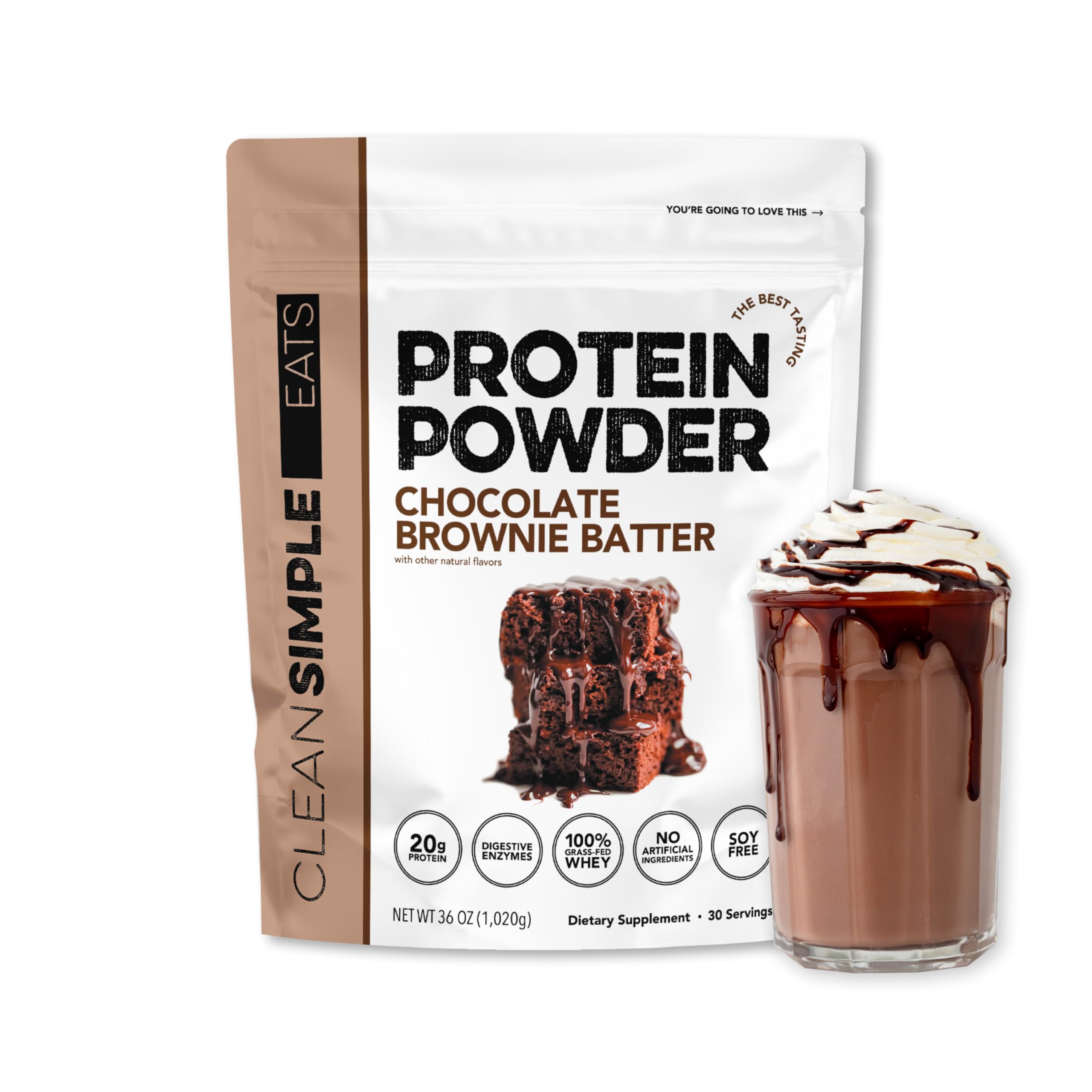
The Clean Simple Eats Whey Isolate sets the standard for ingredient transparency in the premium segment. Each scoop delivers 20g of cold-processed, grass-fed whey isolate with zero added sugar, sweetened only with natural non-caloric sources. The Brownie Batter flavor is notably accurate—it avoids the chalky, chemical aftertaste that plagues many chocolate isolates and instead lands on a creamy, batter-like mouthfeel that integrates well into oatmeal, pancakes, and smoothies without overpowering the base ingredients.
The inclusion of a digestive enzyme blend (protease, lactase, amylase) is a practical differentiator for anyone who experiences bloating from standard whey concentrates. The enzymes help break down the protein and residual lactose more efficiently, reducing gas and discomfort. This makes the powder suitable even for some individuals with mild lactose sensitivity who cannot tolerate budget whey isolates. The formula is also gluten-free, soy-free, and contains no artificial flavors or dyes, which backs up the “clean” branding meaningfully.
The main compromise is the price per gram of protein, which sits at the higher end of the market. The 30-serving tub provides 600g of protein, which is efficient for individual use but less economical for heavy lifters consuming multiple scoops daily. The powder requires vigorous mixing—a shaker bottle with a wire whisk ball works best—to avoid clumps, especially when using cold water or almond milk. For those prioritizing ingredient purity and digestive comfort over raw cost-per-serving, this is a standout choice that supports consistent daily use without gut irritation.
Why it’s great
- Cold-processed grass-fed whey isolate with intact amino acid profile
- Digestive enzyme blend minimizes bloating and gas
- Zero added sugar and no artificial sweeteners or dyes
Good to know
- Premium price point compared to standard whey blends
- Requires vigorous mixing to avoid clumps in cold liquids
2. Optimum Nutrition Gold Standard 100% Whey
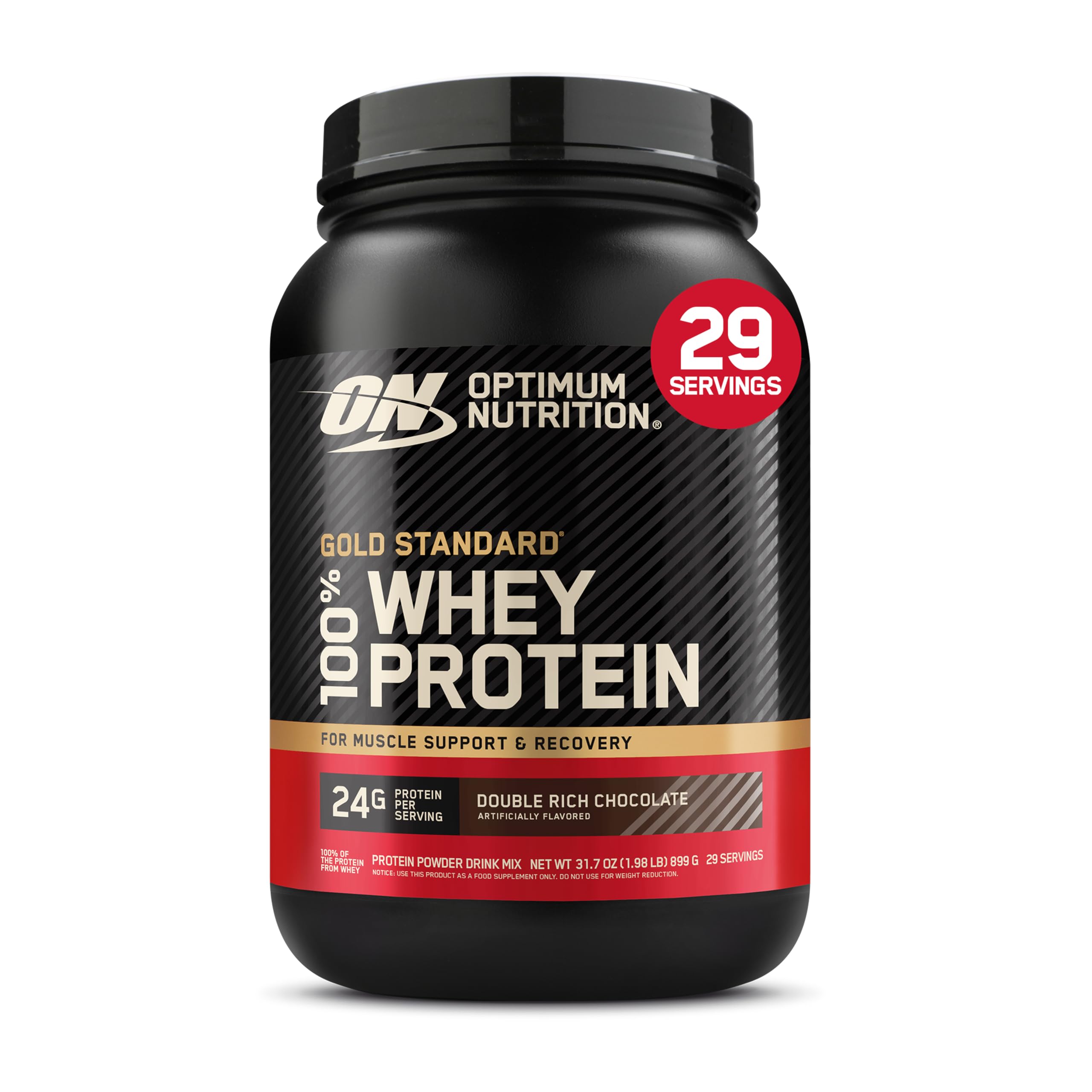
Optimum Nutrition Gold Standard is the reference standard against which most whey blends are measured, and the Double Rich Chocolate flavor version continues to dominate the category for good reason. Each scoop provides 24g of protein from a blend of whey isolate (the primary ingredient), whey concentrate, and hydrolyzed whey peptides, delivering 5.5g of naturally-occurring branched-chain amino acids (BCAAs) including 2.5g of leucine—the key trigger for muscle protein synthesis. The macro profile is tight: roughly 120 calories, 1g sugar, and 3g carbs per serving, making it suitable for cutting phases and post-workout windows where rapid amino acid delivery matters.
The instantized formula solves a common pain point in the category: mixability. The powder dissolves with a spoon or in a shaker without clumping or grit, creating a smooth, milk-shake-like texture that doesn’t degrade over time. The flavor profile is balanced—not overly sweet, not aggressively chocolaty—avoiding the artificial aftertaste that cheaper wheys carry. Many users report comfortable digestion even at higher serving frequencies, though the presence of concentrate and gums may cause mild bloating in truly sensitive individuals.
Given the brand’s 35-year track record and the sheer volume of positive reviews across millions of units sold, the consistency here is the real value. The 1.98-pound tub delivers roughly 30 servings, which lands at a mid-range cost per gram of protein. The only notable caveat is the inclusion of acesulfame potassium and sucralose as sweeteners, which some users find triggers sweetness fatigue over time. For anyone needing a reliable, versatile whey that mixes effortlessly and performs predictably across bulking and maintenance phases, this remains the safest bet in the market.
Why it’s great
- Industry-leading mixability with no clumps or grit
- Macro-friendly at 120 calories and 1g sugar per serving
- Consistent quality and trusted third-party testing reputation
Good to know
- Contains whey concentrate which may cause mild bloating for some
- Sweetened with acesulfame K and sucralose
3. Oath Nutrition Clear Whey Isolate Protein Powder
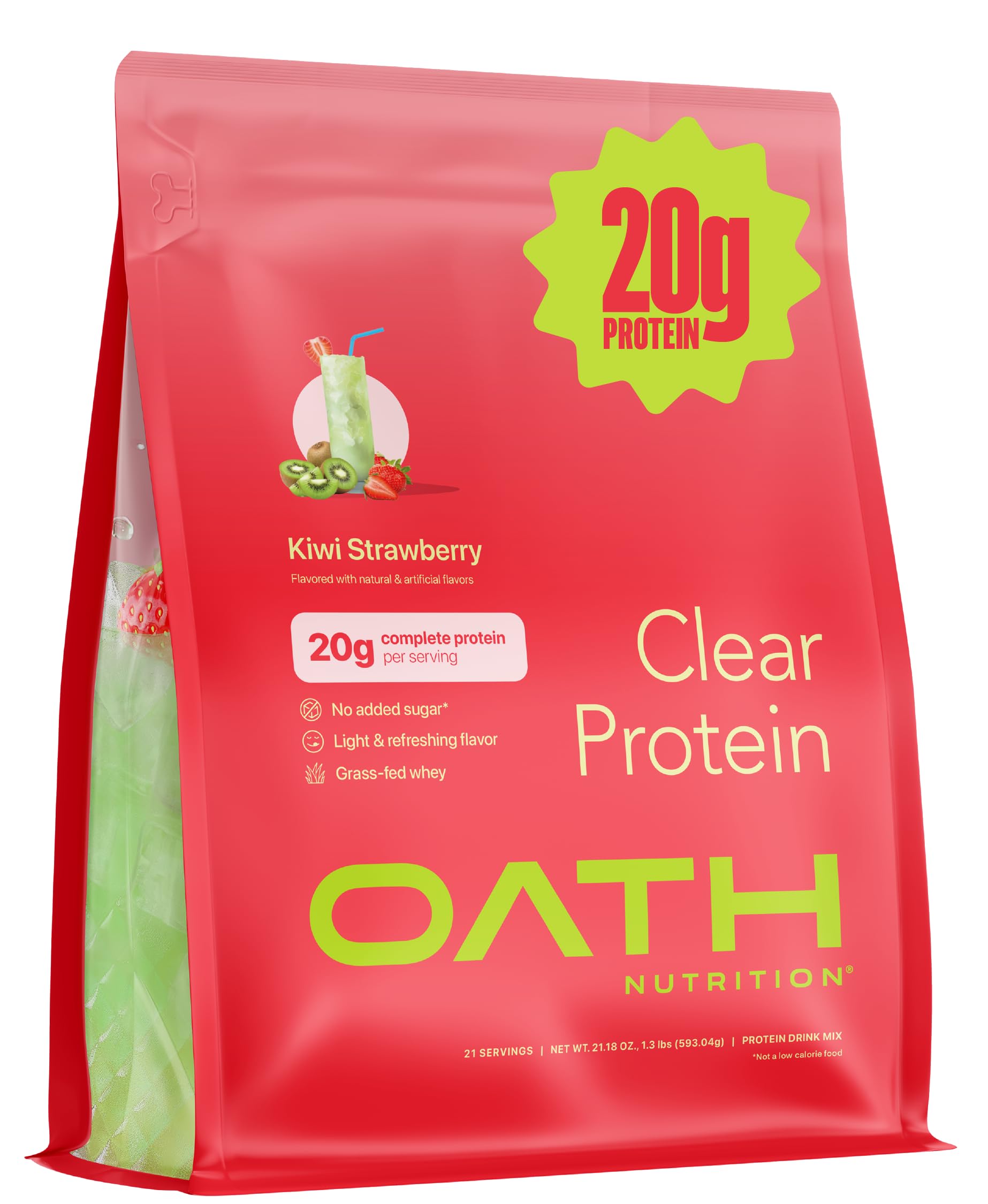
Oath Nutrition Clear Whey Isolate solves a texture problem that has long frustrated athletes who cannot stomach thick, creamy shakes. This is a whey protein isolate that, when mixed with water, transforms into a translucent, lightly sweet beverage that mimics a fruit juice or sports drink rather than a milkshake. The Kiwi Strawberry flavor is bright and tart-sweet, with no added sugar and a clean finish that leaves no chalky residue on the palate. Each serving provides 20g of complete, grass-fed protein with a fast-absorbing hydrolyzed profile ideal for inter-workout sipping or post-cardio refueling.
The dissolving behavior requires specific technique: the powder tends to clump in cold water when shaken lightly. The manufacturer recommends adding the scoop to warm water first (about a quarter of the total volume), swirling to dissolve, then topping with ice water. Using a blender bottle with a whisk ball or a Ninja-style blender yields a completely smooth, clump-free drink. Once dissolved correctly, the texture is light and refreshing, with no gumminess or thickness—significantly different from traditional whey concentrates and isolates.
The sweetness level is high—some users find it overly sweet even when diluted beyond the recommended ratio. This is a common trade-off in clear whey isolates because the flavoring needs to mask the inherent bitterness of hydrolyzed whey peptides. The 21-serving bag provides 420g of protein at a mid-to-premium price per gram, but the convenience of a portable, juice-like protein source justifies the cost for those who value variety in their supplementation routine. If you want a protein that feels more like a hydration break than a meal, this is one of the few options that actually delivers on that claim.
Why it’s great
- Unique clear, juice-like texture—no milky thickness
- Grass-fed whey isolate with fast-absorbing hydrolyzed profile
- No added sugar and a refreshing fruit flavor
Good to know
- Requires warm water first to dissolve fully without clumps
- Sweetness level is strong; diluting beyond instructions helps
4. Premier Protein Plus Fiber
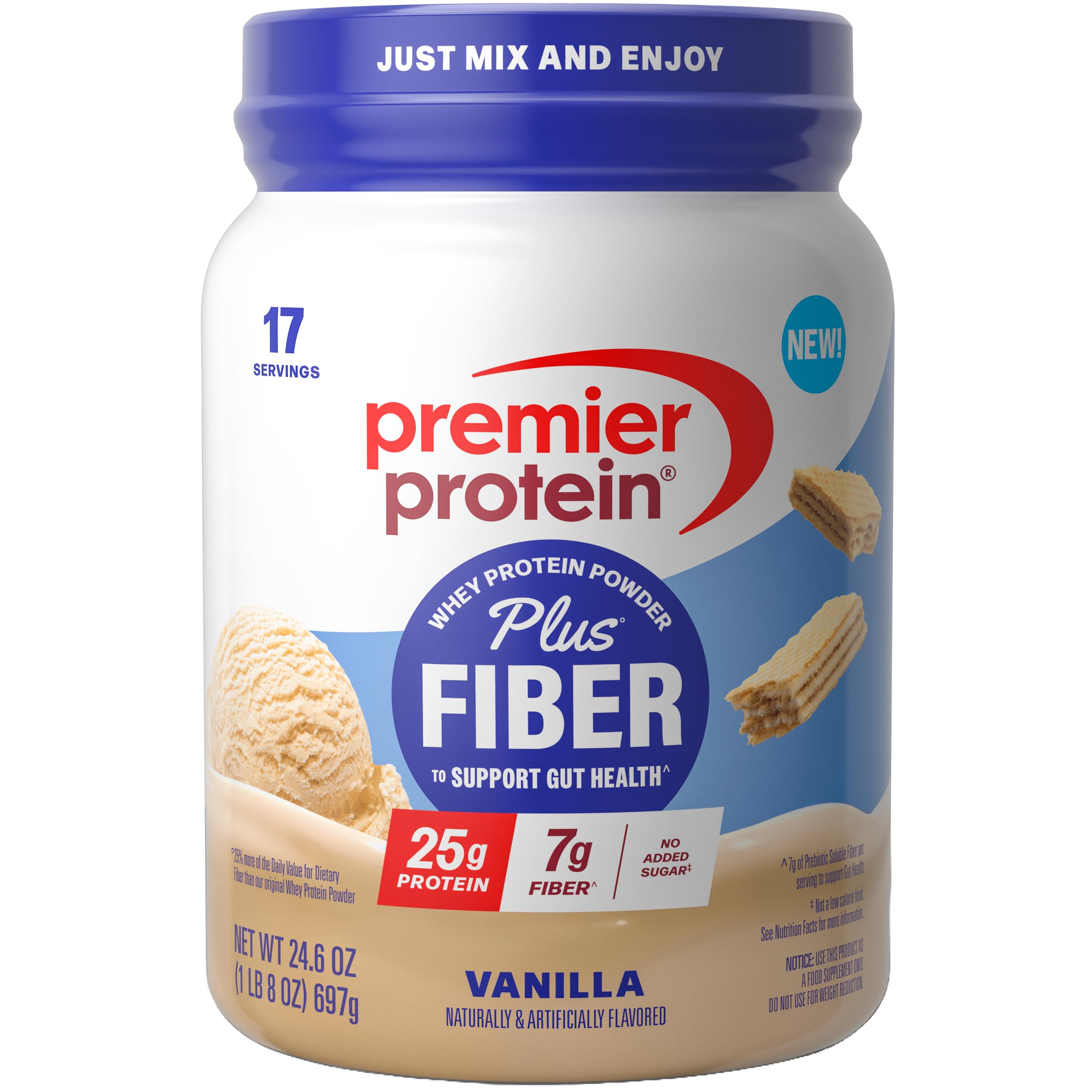
Premier Protein Plus Fiber solves the dual problem of hitting both protein and fiber targets in a single serving. The Vanilla flavor delivers 25g of whey protein alongside 7g of prebiotic fiber, comprising three different fiber sources (inulin, acacia gum, and chicory root fiber) that support gut microbiome diversity and regular digestion. With no added sugar and only 150 calories per serving, the macro profile is unusually clean for a dual-purpose powder—many fiber-added proteins sacrifice protein density or add sugar to mask the fiber bitterness, but this formulation keeps the taste on par with the original Premier line.
The versatility is a strong point. The Vanilla flavor works as a smoothie base, a coffee creamer, or a standalone shake with water or milk. It mixes smoothly without the grit or chalkiness that often accompanies fiber-enriched powders, partly because the prebiotic fiber blend dissolves more thoroughly than psyllium husk or oat fiber alternatives. Users with digestive sensitivity to inulin should start with a smaller serving to assess tolerance, as the sudden introduction of 7g of prebiotic fiber can cause gas and bloating in unaccustomed guts.
The caveat is the sweetener profile: the powder uses a combination of sucralose and acesulfame potassium, which some users find leaves a lingering artificial sweetness that builds with daily use. The tub provides 17 servings, which is standard for the category but means more frequent repurchases compared to larger-value options. For anyone who wants to consolidate their supplement stack—getting protein and fiber in one scoop without the calorie load of a meal replacement—this is a practical, thoughtfully engineered solution that addresses a genuine gap in the market.
Why it’s great
- Combines 25g protein with 7g prebiotic fiber in one serving
- No added sugar and low calorie count (150 cal per scoop)
- Mixes smoothly without chalkiness common in fiber powders
Good to know
- Sweetened with sucralose and acesulfame K
- High inulin content may cause gas in sensitive individuals
5. Premier Protein Powder, Vanilla Milkshake

Premier Protein’s Vanilla Milkshake powder delivers the highest protein density in this comparison at 30g per serving, with only 1g of sugar and 150 calories—a macro profile that is difficult to match at its price tier. The protein comes entirely from whey (a blend of isolate and concentrate), providing a complete amino acid profile with all essential amino acids. The resulting shake is thick and creamy when mixed with milk, or lighter but still smooth when mixed with water, owing to the emulsifiers and stabilizers in the formulation.
The flavor is described by many users as reminiscent of melted vanilla ice cream, with a sweetness that comes partly from stevia and partly from sucralose. It avoids the metallic or chemical aftertaste that plagues many high-protein powders. The mixability is excellent—the powder dissolves readily with a spoon or shaker, with minimal clumping. This makes it convenient for fast post-workout shakes or for mixing into coffee and oatmeal with zero fuss.
The primary consideration is the inclusion of whey concentrate alongside isolate, which adds a small amount of lactose and milk fats. While most users tolerate it well, individuals with diagnosed lactose intolerance may experience gas or bloating. Additionally, the 17-serving tub is on the smaller side, and regular users will find themselves reordering frequently. For its combination of high protein, low sugar, and palatable taste, this is a strong mid-range option that delivers dense macros per scoop without requiring a premium budget.
Why it’s great
- 30g protein with only 1g sugar and 150 calories per scoop
- Easy mixability with no clumping in cold liquids
- Pleasant vanilla flavor works well in coffee and oatmeal
Good to know
- Contains whey concentrate which may affect lactose-sensitive users
- 17 servings per tub leads to frequent repurchases
6. Orgain Organic Vegan Protein Powder
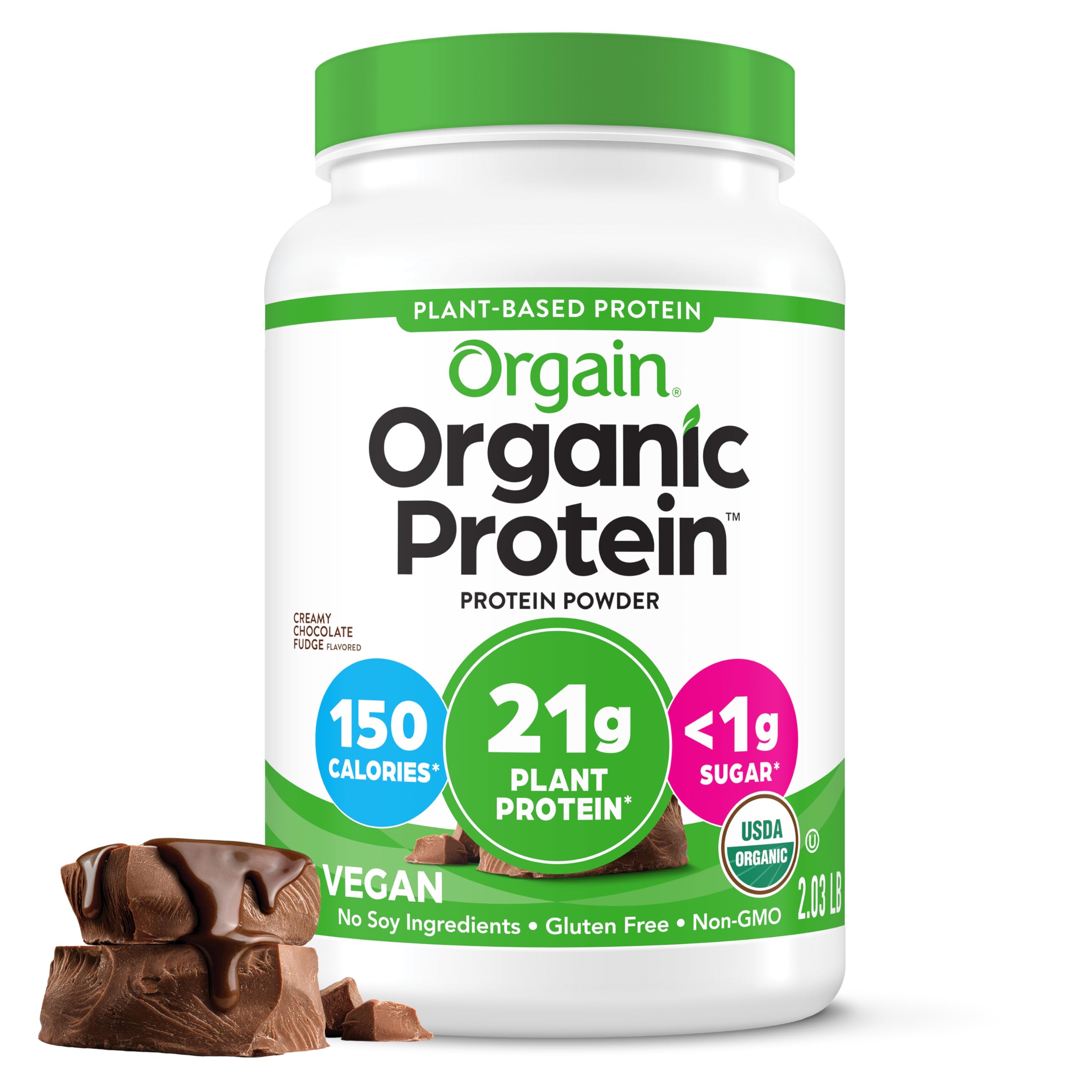
Orgain Organic Vegan Protein Powder competes directly with the plant-based premium segment by delivering 21g of organic plant protein (pea, brown rice, and chia seed blend) alongside 6g of prebiotic fiber. The Creamy Chocolate Fudge flavor is one of the more convincing plant-based chocolates on the market—it avoids the raw, beany undertaste that characterizes many pea protein-only powders, partly due to the chia seed contribution which adds a smooth mouthfeel and a nutritional boost of omega-3s. The macro profile shows 0g added sugar with low net carbs, making it compatible with low-carb and keto diet approaches.
The powder meets USDA Organic certification and is verified plant-based by third-party auditors, which reduces the risk of cross-contamination with non-organic or animal-derived ingredients. It is free from erythritol, carrageenan, soy, gluten, and artificial additives. The texture is slightly thicker than whey counterparts, with a modest chalkiness that users either accept as a characteristic of plant proteins or mitigate by blending with almond milk and frozen fruit. The mixability is decent with a blender, less reliable with hand-shaking alone.
The main constraint is the protein density: at 21g per serving, you need a larger scoop or an extra serving to match the 30g delivery of a whey isolate. This also means the tub runs out faster if you are aiming for a high daily protein intake. The sweetness comes from monk fruit and stevia, which some users find leaves a mild aftertaste that is more noticeable in the chocolate flavor than in the vanilla variant. For plant-based eaters who want a clean, organic protein with meaningful fiber content, this is a solid choice that backs up its claims with verifiable certifications.
Why it’s great
- USDA Organic and third-party plant-based verified
- 6g prebiotic fiber supports digestion and satiety
- No erythritol, carrageenan, soy, or artificial ingredients
Good to know
- 21g protein per serving is lower density than whey isolates
- Mild chalkiness common to pea protein blends
7. UpNourish Strawberry Banana Vegan Protein Powder

UpNourish Strawberry Banana Vegan Protein Powder carves out a value niche by packing 21g of plant protein with 1.5 billion CFU probiotics and 54 superfood extracts into each serving. The superfood blend includes alfalfa, kale, broccoli, spinach, goji berry, and seabuckthorn, among others, providing a broader micronutrient profile than standard vegan protein powders. The flavor is strawberry-banana, which effectively masks the earthy notes typical of multi-greens blends; users describe it as thicker and creamier than expected for a plant-based powder, especially when mixed with almond milk.
The macro profile is lean: 0g sugar, low carbohydrates, and no dairy, soy, or gluten. The probiotics are heat-sensitive, so the powder must be mixed with cold or room-temperature liquids to preserve bacterial viability. The digestive performance is generally favorable, with many users reporting reduced bloating compared to whey alternatives. The versatility is limited—the strawberry-banana flavor strongly asserts itself, which works as a standalone shake but may not blend well into savory dishes or neutral coffee bases.
The main limitation is the 15-serving tub size, which provides a lower total protein mass than larger containers in the same price bracket. The taste has a multivitamin-like aftertaste that some users find lingers, likely stemming from the dense superfood blend rather than the protein itself. For buyers on a budget who want a single product that combines protein, probiotics, and whole-food micronutrients, this is a functional all-in-one that covers more nutritional bases than a simple isolate.
Why it’s great
- 54 superfoods plus 1.5B CFU probiotics in one serving
- Zero sugar, dairy-free, soy-free, and gluten-free
- Thick, creamy texture for a plant-based protein
Good to know
- 15 servings per tub offers lower total protein quantity
- Multivitamin aftertaste from dense superfood blend
FAQ
How do I calculate net carbs in a protein powder for keto dieting purposes?
What does “isolate” mean on a whey protein label and does it justify the higher price?
Why do some plant-based protein powders cause more bloating than whey?
Final Thoughts: The Verdict
For most users, the best macro protein powder winner is the Clean Simple Eats Whey Isolate because it combines grass-fed whey isolate with digestive enzymes and zero added sugar, delivering a clean macro profile that supports daily use without gut irritation. If you want the highest protein density at an economical price, grab the Premier Protein Vanilla Milkshake with 30g protein and 1g sugar per scoop. And for a plant-based option with fiber and organic certification, nothing beats the Orgain Organic Vegan Protein for its clean ingredient list and meaningful gut health support.