Finding a snack that supports weight loss without derailing your carb count can feel like a losing battle. Many bars marketed as “healthy” are packed with hidden sugars and processed fillers that spike insulin and stall progress. The best low-carb protein bar for weight loss must deliver satiety, clean macros, and a flavor that keeps you from reaching for something worse.
I’m Mohammad Maruf — the founder and writer behind AirfryerBite. I’ve analyzed hundreds of nutrition labels, consumer reviews, and ingredient lists to separate marketing fluff from real results in the weight loss snack category.
After combing through dozens of options, I’ve narrowed the field to the five bars that actually deliver on their promises. This guide cuts through the noise and points you straight to the low-carb protein bar for weight loss that fits your goals and your taste buds.
How To Choose The Best Low-Carb Protein Bar For Weight Loss
Not every bar with a protein claim belongs in your cart. For weight loss, you need a bar that keeps you full, balances blood sugar, and fits your carb ceiling. Here are the three specs that actually separate a good choice from a sugar bomb in disguise.
Net Carbs vs. Total Carbs
Total carbohydrates include fiber and sugar alcohols, which your body doesn’t fully digest. Net carbs subtract fiber and certain sugar alcohols from total carbs, giving you the digestible carb count that impacts blood sugar. For weight loss, a net carb count under 5 grams per bar keeps you in a fat-burning zone. Any bar over 10 net carbs is likely a maintenance or energy bar, not a weight loss tool.
Protein Density and Satiety
Protein per calorie is the real metric. A bar with 15–20 grams of protein in a 180–220 calorie package provides a high satiety-to-energy ratio. That lean protein keeps hunger hormones suppressed for 3–5 hours, reducing the urge to graze between meals. Bars with less than 10 grams of protein are better classified as glorified granola bars.
Sweetener Profile
Sugar alcohols like erythritol and allulose have minimal impact on blood glucose and do not feed gut bacteria that cause bloating. Stevia and monk fruit are clean plant-based options. Avoid maltitol, sorbitol, and high-maltose syrups — they spike insulin nearly as much as sugar and can cause digestive distress. A clean sweetener list is non-negotiable for weight loss consistency.
Quick Comparison
On smaller screens, swipe sideways to see the full table.
| Model | Category | Best For | Key Spec | Amazon |
|---|---|---|---|---|
| Quest Overload Cookie Commotion | Mid-Range | Sustained fullness & texture | 20g protein, 1g sugar, 3g net carbs | Amazon |
| KIND Protein MAX Variety Pack | Premium | Whole ingredients & fiber | 20g protein, 1g sugar, 0g added sugar | Amazon |
| Quest Crispy Birthday Cake | Value | Crispy texture & calorie control | 17g protein, 1g sugar, 2g net carbs | Amazon |
| Munk Pack Fiber Nut Bar | Premium | Gut health & low net carbs | 5g protein, 1g sugar, 3g net carbs | Amazon |
| ALOHA Lemon Cashew | Premium | Organic plant-based & clean label | 14g protein, 5g sugar, 9g fiber | Amazon |
In‑Depth Reviews
1. Quest Overload Cookie Commotion
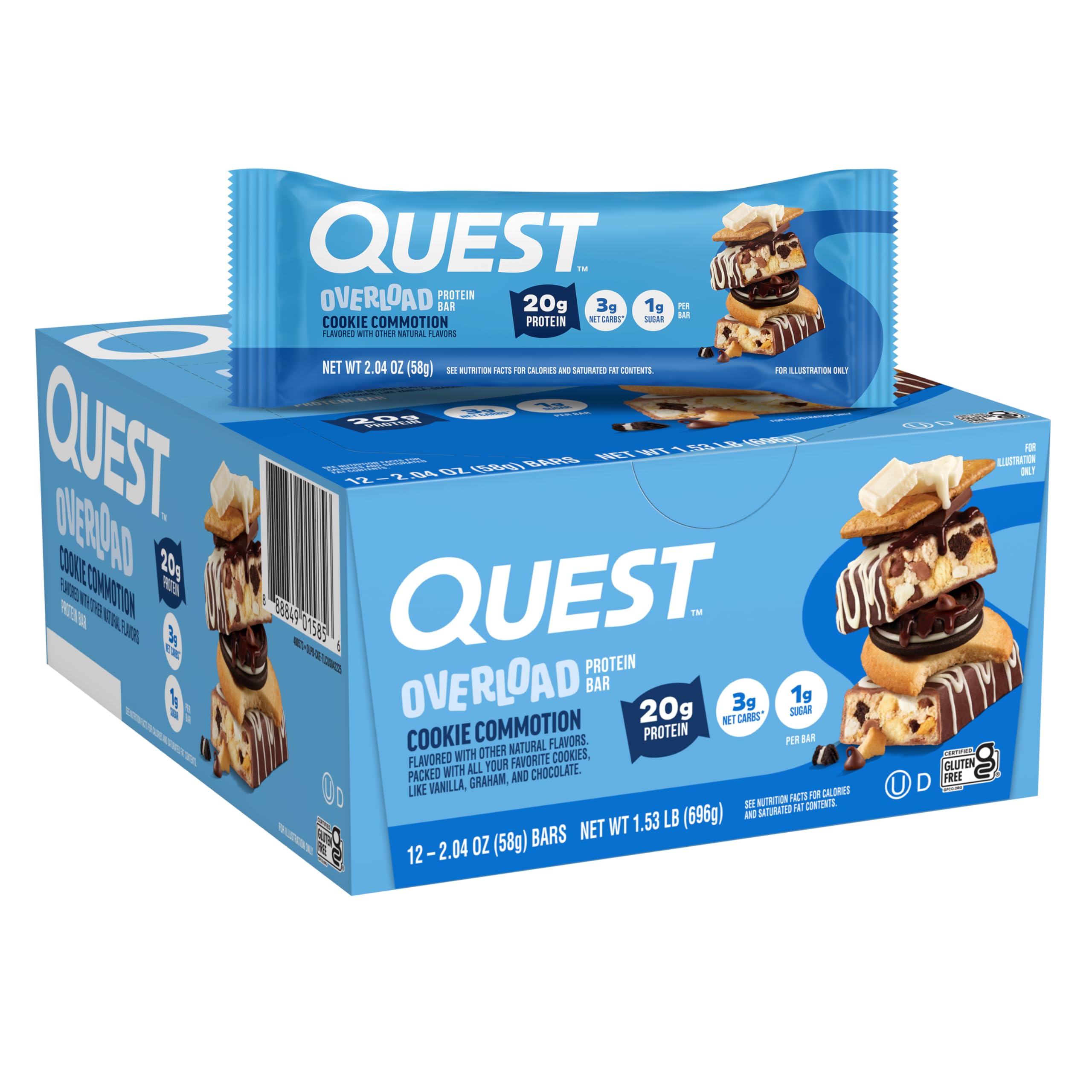
The Quest Overload Cookie Commotion lands at the top because it nails the hardest part of any low-carb bar: it tastes like a candy bar without the sugar crash. With 20 grams of protein and only 3 grams of net carbs, this bar provides high satiety for roughly 5 hours based on verified user feedback. The texture is notably layered — crunchy cookie pieces and chocolatey chips break up the usual dense-chewy protein bar experience.
Each bar is 2.04 ounces and individually wrapped, making it easy to toss in a gym bag or desk drawer without refrigeration. The sweetener profile relies on erythritol and stevia, both of which have negligible glycemic impact. Multiple reviewers specifically noted zero protein aftertaste, which is rare in the 20-gram protein tier.
For weight loss, the macros are ideal: 1 gram of sugar, 3 grams net carbs, and a protein density that suppresses hunger effectively. The Cookie Commotion flavor variety also means you’re less likely to get bored and start cheating on your plan. The only tradeoff is a slightly higher cost per bar compared to the value tier, but the satiety duration makes it a cost-per-hour winner.
Why it’s great
- 20g protein with zero aftertaste
- Crunchy, layered texture prevents snack boredom
- Lowest net carbs in its protein class
Good to know
- Contains almond and milk allergens
- Slightly higher cost per bar than entry-level options
2. Quest Crispy Birthday Cake
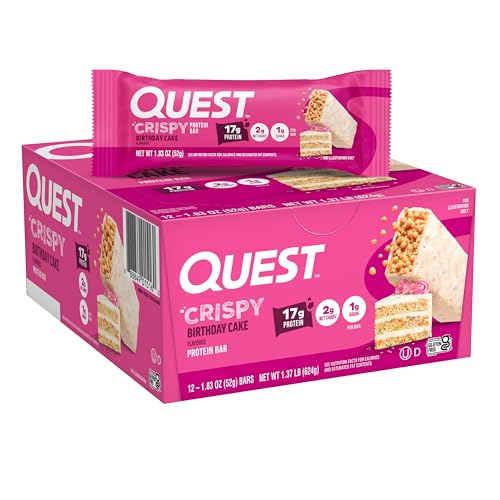
The Quest Crispy Birthday Cake bar is the most cost-effective entry in this lineup without sacrificing macro discipline. Each 1.83-ounce bar delivers 17 grams of protein, 1 gram of sugar, and just 2 grams of net carbs — the lowest net carb count in this review. The texture is noticeably different from standard Quest bars: it has a crisp, puffed rice treat consistency that feels less like a meal replacement and more like a dessert hack.
Users consistently report that half a bar is enough to crush a sugar craving, which effectively doubles the value per box. The calorie count sits around 150 per bar, making it the lightest option in this list while still providing meaningful protein. It is gluten-free, keto-friendly, and contains no artificial growth hormones. The coating has a very slight waxy mouthfeel according to some reviewers, but most agree the tradeoff is worth the macro profile.
For weight loss, the 2-gram net carb count gives you flexibility to pair this bar with other low-carb foods without going over your daily limit. It’s an ideal rescue snack for travel, work, or any situation where you’re surrounded by higher-carb temptations. The birthday cake flavor is sweet, so if you have a sensitive palate, consider splitting the bar into two servings.
Why it’s great
- Only 2g net carbs — best in class for carb restriction
- Light, crispy texture avoids the sticky protein bar problem
- Low enough calorie count (150) for flexible snacking
Good to know
- Waxy coating noted by some users
- Very sweet — half a bar may satisfy better than a full bar
3. KIND Protein MAX Variety Pack
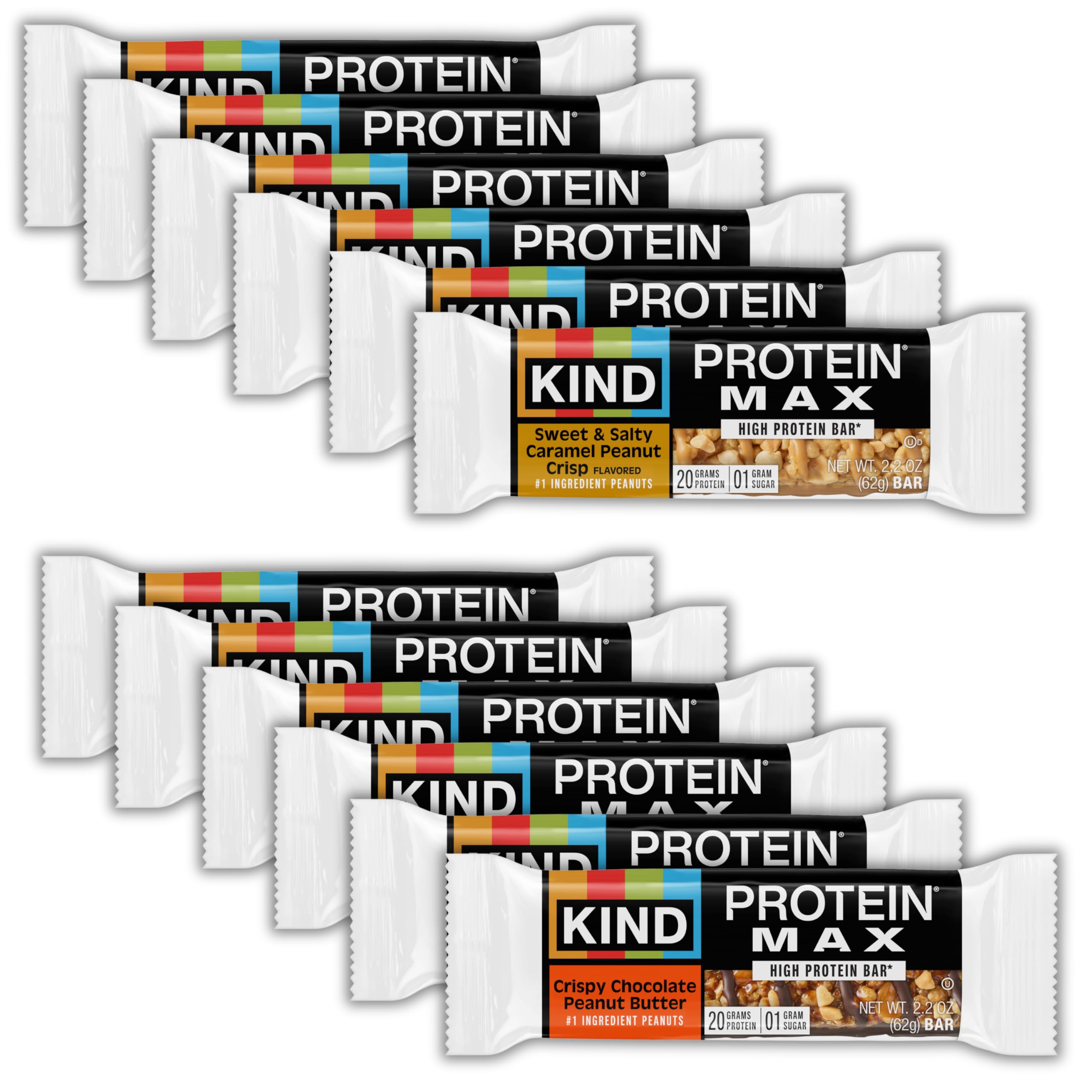
KIND Protein MAX breaks from the isolate-heavy approach of other bars by using nutrient-dense peanuts as the number one ingredient. Each bar provides 20 grams of protein with zero grams of added sugar and only 1 gram of total sugar — a clean profile that supports steady blood glucose throughout the day. The variety pack includes 6 bars each of Crispy Chocolate Peanut Butter and Sweet & Salty Caramel Crisp, giving you rotation without committing to one flavor.
The texture is noticeably denser and chewier than the Quest Crispy line, which some users find more satisfying and others find tough to chew. The bars are non-GMO verified, gluten-free, kosher, and contain no sugar alcohols or artificial sweeteners. The fiber content is higher than most competitors, contributing to a longer satiety window. Multiple reviewers report the bars keep them full for 4–5 hours and have already led to repeat purchases.
For weight loss, the combination of real food ingredients and zero added sugar makes this bar a strong choice for those who prioritize clean labels. The density means you’ll likely feel full after a single bar, unlike some lighter options that leave you wanting more. The tradeoff is a drier texture that won’t appeal to everyone, and the bars are not a low-calorie food — they are designed for meal-level satiety.
Why it’s great
- Real food ingredients — peanuts are the first ingredient
- Zero added sugar with 20g protein
- High fiber reinforces satiety and digestion
Good to know
- Dense, chewy texture — not for those who prefer crisp bars
- Not a low-calorie food; account for calorie density
4. Munk Pack Fiber Nut Bar, Peanut Butter Dark Chocolate

Munk Pack takes a different approach by emphasizing gut health alongside carb restriction. Each bar contains 5 grams of fiber and 3 grams of net carbs, sweetened with allulose — a rare sugar that has zero glycemic impact and actually supports gut microbiome diversity. The 5 grams of protein per bar is lower than the competition, but this bar is designed as a fiber-first snack rather than a protein replacement. For weight loss, the prebiotic fiber supports the GLP-1 pathway, which is the same hormonal mechanism targeted by prescription weight loss medications.
The Peanut Butter Dark Chocolate flavor balances roasted nuts and dark chocolate without any sugar alcohols or artificial additives. The bars are gluten-free, keto-friendly, plant-based, and Non-GMO Project Verified. Type 2 diabetic users in the review data specifically reported no blood sugar spikes after consumption, which is a strong signal for metabolic safety. The texture is a soft nut-and-seed chew that avoids the chalky or waxy feel of some protein-heavy bars.
For weight loss, the gut health angle gives this bar a unique edge: better gut bacteria diversity is linked to reduced cravings and improved metabolic flexibility. The tradeoff is the lower protein content, so this bar works best as a mid-afternoon snack rather than a full meal replacement. The cost per bar is on the higher side, but the clean ingredient list and functional fiber justify the premium for those prioritizing digestive health.
Why it’s great
- Allulose sweetener — zero blood sugar impact
- Prebiotic fiber supports appetite-regulating GLP-1
- Clean label — no sugar alcohols or artificial flavors
Good to know
- Only 5g protein — not a standalone meal replacement
- Higher price per bar compared to value options
5. ALOHA Organic Plant Based Protein Bar, Lemon Cashew

ALOHA’s Lemon Cashew bar is the only USDA Organic option in this lineup, and it stands out for users who want to avoid every synthetic additive. Each bar contains 14 grams of organic plant-based protein from brown rice and pumpkin seed protein, 9 grams of fiber, and only 5 grams of sugar with no stevia or erythritol. The sweetener profile relies on organic coconut sugar and a touch of monk fruit, which gives it a cleaner taste than bars using isolated sugar alcohols.
The texture is soft and slightly crumbly — not as dense as nut-based bars but more substantial than puffed rice options. Real lemon rind pieces provide a bright, citrus note that cuts through the nutty base, making it a refreshing alternative to the chocolate-heavy protein bar market. The bar is vegan, soy-free, dairy-free, paleo-friendly, and certified gluten-free. The high fiber content (9 grams) makes it one of the most gut-friendly options in terms of digestive regularity.
For weight loss, the 14 grams of protein is adequate for a snack but not enough for meal replacement on its own. The 5 grams of sugar is higher than the Quest or Munk Pack options, but the sugar comes from whole food sources rather than refined sweeteners. The cost is the highest per bar in this guide, reflecting the organic certification and specialty ingredient sourcing. If your priority is absolute ingredient transparency, this is the bar to beat.
Why it’s great
- USDA Organic with no stevia, erythritol, or maltitol
- 9g fiber from whole food sources
- Unique lemon-cashew flavor profile avoids chocolate fatigue
Good to know
- 5g sugar is higher than most other bars here
- Premium cost per bar; watch for sales
FAQ
Can I eat a low-carb protein bar every day while trying to lose weight?
Why do some protein bars cause bloating and gas?
Final Thoughts: The Verdict
For most users, the low-carb protein bar for weight loss winner is the Quest Overload Cookie Commotion because it delivers 20 grams of protein with only 3 grams of net carbs and a satisfying textured crunch that makes weight loss feel less like deprivation. If you want whole food ingredients and zero added sugar, grab the KIND Protein MAX Variety Pack. And for gut health support with prebiotic fiber and allulose sweetening, nothing beats the Munk Pack Fiber Nut Bar.