The low-calorie protein shake aisle is a minefield. On one shelf sits a bottle packed with 250 calories of fake sugar and gum thickeners, and on the other sits a genuinely lean 100-calorie formula that actually tastes like real chocolate milk. Separating the two requires reading ingredients, not just labels.
I’m Mohammad Maruf — the founder and writer behind AirfryerBite. I’ve spent years dissecting the nutritional profiles and ingredient sourcing of hundreds of ready-to-drink shakes to find which brands actually deliver on their protein-to-calorie promises without relying on excessive processing.
This guide narrows the field to five proven contenders, each validated by real customer feedback for taste, satiety, and macro integrity. Here is the definitive ranking of the best low-calorie protein shakes currently hitting shelves.
How To Choose The Best Low-Calorie Protein Shakes
Zeroing in on a truly lean shake requires reading past the front-of-can marketing. The real story lives in the ingredient deck, the protein source, and the sugar content per serving. Here are the three filters that matter most.
1. Protein Grams Per Calorie (The Density Ratio)
A shake that delivers 30g of protein but costs you 200 calories has a density ratio of 1g protein per 6.6 calories. A shake delivering 20g of protein at only 100 calories has a superior ratio of 1g per 5 calories. Always calculate this number; a high-protein, high-calorie shake defeats the purpose of a low-calorie goal.
2. Full Ingredient Honesty
Check for vegetable oils listed as the first ingredient — that is a red flag for unnecessary fat and calories. Look for shakes that use ultrafiltered milk or whey isolate as the primary base, avoiding gums, carrageenan, and artificial thickeners that can cause bloating. The cleanest options use stevia or monk fruit as the sole sweetener and never hide added sugars behind labels like “evaporated cane syrup.”
3. Satiety Without the Sludge
Some low-calorie shakes achieve their low caloric load by being watery and unsatisfying. The best formulations use ultrafiltration to concentrate protein naturally, which creates a thicker, more satiating mouthfeel without adding calories or fillers. If a shake feels thin going down, it will not keep you full long enough to be worth drinking.
Quick Comparison
On smaller screens, swipe sideways to see the full table.
| Model | Category | Best For | Key Spec | Amazon |
|---|---|---|---|---|
| Slate Milk Classic Chocolate | Ultrafiltered Milk | Clean ingredient profile & low sugar | 20g protein, 100 cal, 1g sugar | Amazon |
| Premier Protein Coffeehouse Caramel Macchiato | Whey Protein | Morning coffee replacement | 30g protein, 160 cal, 2g sugar | Amazon |
| Quest Nutrition Chocolate | Whey Isolate Blend | Maximum protein per serving | 45g protein, 190 cal, 2g sugar | Amazon |
| Premier Protein Non-Dairy Almondmilk | Plant-Based | Dairy-free & lactose sensitive | 20g protein, 160 cal, 5g sugar | Amazon |
| Atkins Creamy Chocolate Coconut | Keto-Friendly | Budget-friendly keto option | 15g protein, 170 cal, 1g sugar | Amazon |
In‑Depth Reviews
1. Slate Milk Classic Chocolate
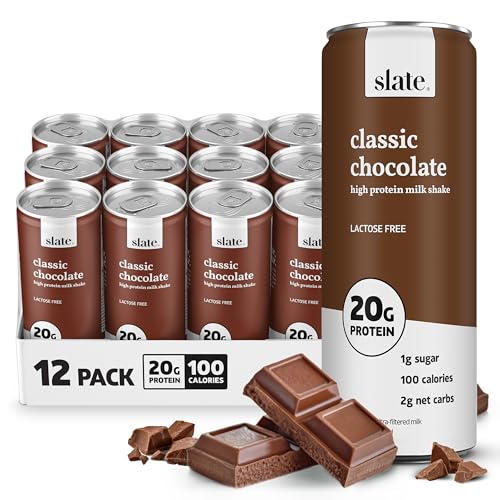
Slate Milk hits the perfect center of the low-calorie Venn diagram: real milk taste, 100 calories, and just 1g of sugar. The ultrafiltration process removes the lactose sugars while concentrating the milk proteins, resulting in a texture that drinkers describe as “like chocolate milk, not a protein shake.” There is zero chalkiness, and the sweetness comes from stevia and monk fruit rather than sucralose, giving it a clean finish that doesn’t linger.
At 20g of protein per 11-ounce can, the density ratio is an impressive 5 calories per gram of protein, placing it among the most efficient shakes in this ranking. Customers consistently note that the can format (no refrigeration required) makes it a convenient grab-and-go breakfast or post-workout option, though the can does need to be chilled for optimal taste. The texture is lighter and more refreshing than standard whey shakes, which some users in the reviews described as “not as creamy as I’d like” — though that tradeoff is part of what keeps the calorie count so low.
For anyone seeking a low-calorie shake that doesn’t taste like a diet product, Slate is the clear winner. The natural ingredients, lack of artificial thickeners, and honest macro profile make it the shake I reach for most often. The premium price point is the only hesitation — but given the ingredient quality and the fact that it tastes identical to a real chocolate milk, the cost feels justified.
Why it’s great
- Tastes exactly like real chocolate milk, no chalky aftertaste
- Only 100 calories with a 5:1 calorie-per-protein ratio
- Ultrafiltered for natural sweetness without added sugar
Good to know
- Premium cost compared to standard whey shakes
- Texture is slightly lighter/less creamy than some drinkers prefer
- Chocolate powder can settle at bottom; shake well before drinking
2. Premier Protein COFFEEHOUSE Caramel Macchiato
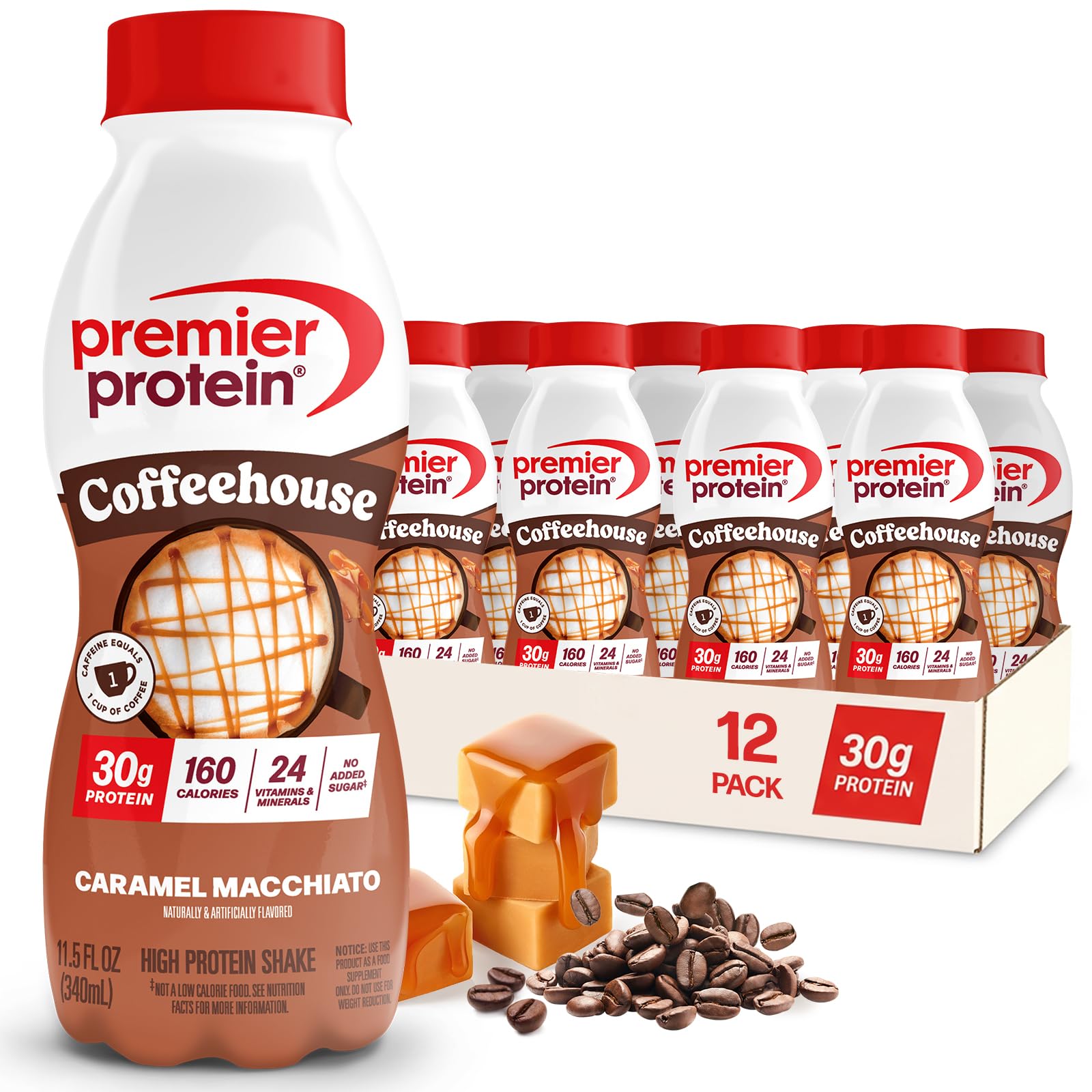
This shake solves two problems at once: delivering 30g of protein and the caffeine equivalent of a cup of coffee in a single 160-calorie bottle. The caramel macchiato flavor is sweet without being cloying — real drinkers note that it serves as a “Slim Fast substitute” and works exceptionally well poured over ice or used as a coffee creamer. The texture is notably thinner than standard protein shakes; several reviewers described it as “watery,” which actually makes it more drinkable like a real coffee beverage rather than a thick sludge.
The macro breakdown of 30g protein with only 2g sugar and 3g carbs makes it a compelling post-workout or morning option for anyone who also wants a caffeine hit. Customers ranked it as the best-tasting protein shake they have tried, specifically praising the lack of slimy thickeners. The bundle of 24 vitamins and minerals adds genuine nutritional depth beyond just protein. On the downside, the bottle format means you need to check expiration dates closely — and at roughly a dollar per bottle, it sits in the mid-range cost tier.
If your routine demands both protein and caffeine in one portable package, this shake eliminates the need for a separate coffee stop. The thin mouthfeel is a feature, not a flaw, for coffee drinkers who dislike the heavy texture of traditional protein shakes. Recommended for mornings, post-workout recovery, or afternoon energy dips when you want both fuel and focus.
Why it’s great
- 30g protein plus caffeine equivalent of one cup of coffee
- Only 160 calories with 2g sugar and 3g carbs
- Packs 24 vitamins and minerals for complete nutrition
Good to know
- Texture is thin/watery compared to standard protein shakes
- Mid-range cost; subscribing helps lower per-bottle price
- Flavor is sweet; may not suit those who prefer unsweetened coffee
3. Quest Nutrition Chocolate Protein Shake

Quest rewrites the rulebook for high-protein low-calorie shakes by packing 45g of protein into just 190 calories. That is a density ratio of 4.2 calories per gram of protein — the most efficient of any shake on this list. The chocolate flavor is described by reviewers as “really great” and “doesn’t taste low-carb,” with a thick, milkshake-like consistency that makes it feel indulgent despite the tight macros. It contains only 2g of sugar and 4g of net carbs, making it compatible with strict low-carb and keto regimens.
The 14-ounce bottle is larger than most competitors, giving you a significantly higher volume per serving. Real users noted this shake works well blended with ice, fruit, or sugar-free syrup as a meal replacement. The high bioavailability protein comes from ultrafiltered nonfat milk, which provides a creamy base without excess calories. The presence of sucralose is the only caveat — some drinkers detect a very mild aftertaste, though most reviewers said it is “well-masked” by the chocolate flavor. At a premium cost of around per serving, this is not an everyday shake for everyone.
For serious athletes, post-operative recovery, or anyone who needs the highest protein per calorie ratio on the market, Quest is the definitive choice. The thickness makes it more filling than thinner shake options, and the 45g of protein handles heavy workout days or long fasting windows without leaving you hungry.
Why it’s great
- Unmatched 45g protein at only 190 calories
- Thick, milkshake-like texture that feels indulgent
- Only 2g sugar and 4g net carbs per bottle
Good to know
- Premium cost — roughly per serving
- Contains sucralose; slight aftertaste noted by some
- Thick consistency may be too heavy for a quick sipper
4. Premier Protein Non-Dairy Plant Based Almondmilk Protein Shake
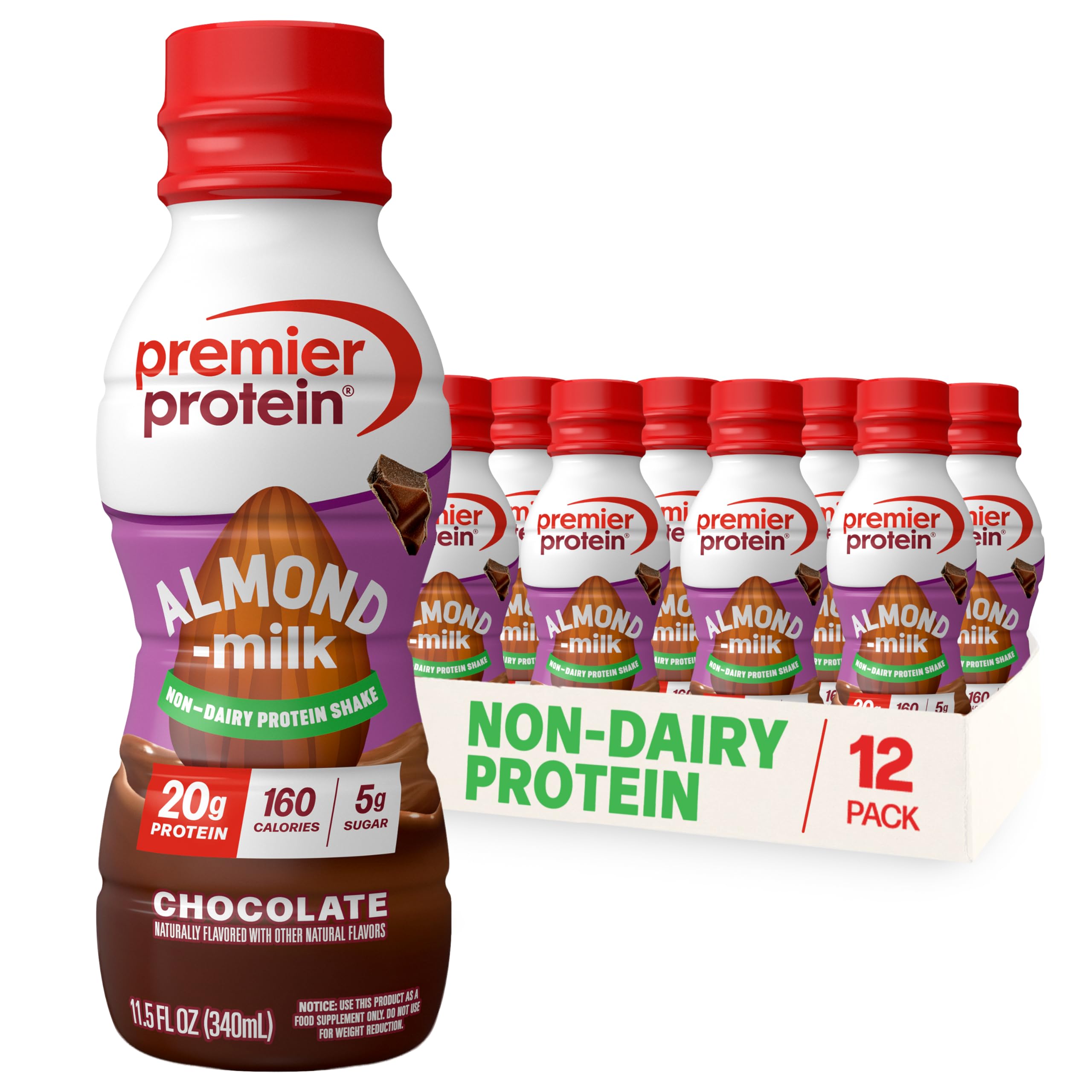
For anyone who avoids dairy but still wants a reliable low-calorie protein source, this Premier Protein almondmilk shake delivers 20g of plant-based protein at 160 calories. The chocolate flavor is made with real almondmilk, creating a rich cocoa taste that drinkers found “pretty good” and a “worthwhile” alternative to the original dairy version. Real user feedback indicates it does not trigger lactose intolerance symptoms, making it a viable option for those with sensitive digestive systems. The texture is slightly grainy compared to whey-based shakes; customers recommend serving it cold for the best drinking experience.
With 5g of sugar per serving, this shake is on the higher end of the low-calorie spectrum for sugar content. However, it also carries the advantage of zero artificial flavors, colors, or sweeteners, appealing to those who prefer cleaner ingredient decks. The 160-calorie count is reasonable for a plant-based shake, and the convenience of a shelf-stable case makes it easy to stock up. The main tradeoff is the slightly thinner mouthfeel — users who switch from the Dairy Premier line noticed the almond version is not quite as rich. The cost is in the mid-range tier, though some reviewers considered it “over priced” compared to traditional whey shakes.
If dairy intolerance or a plant-based lifestyle is your primary constraint, this shake offers the best balance of macros and taste among non-dairy options. It is a strong everyday choice for quick breakfasts or snack replacement when you need a protein boost without dairy side effects.
Why it’s great
- 20g plant-based protein in a dairy-free format
- No artificial flavors, colors, or sweeteners
- Does not trigger lactose intolerance symptoms
Good to know
- Slightly grainy texture; best served cold
- 5g sugar per serving — higher than other options on this list
- Less creamy than standard whey-based shakes
5. Atkins Creamy Chocolate Coconut Protein Shake
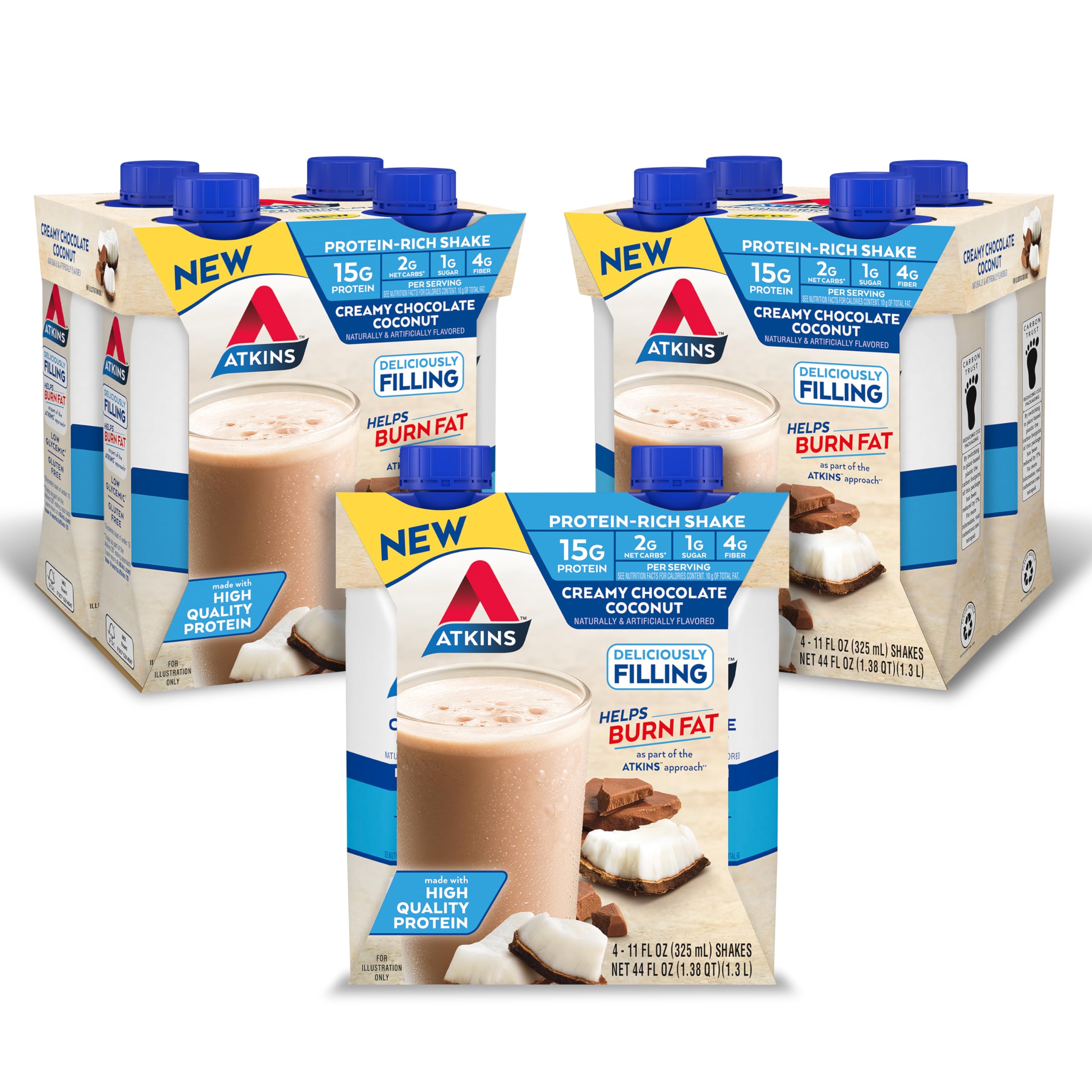
Atkins offers the most budget-conscious entry into the low-calorie shake category without sacrificing flavor. This chocolate coconut blend delivers 15g of protein with only 1g of sugar and 2g of net carbs per 11-ounce can, making it a solid fit for keto and low-carb diets. Real drinkers describe the taste as “solid” and mention it blends smoothly into coffee as a flavored creamer — a versatile trick that extends its use beyond straight drinking. The coconut note is subtle but distinct, with some customers specifically noting it satisfies their sweet tooth.
The shake contains 4g of fiber per serving, which adds a genuine satiety boost that helps it keep you full despite the lower protein count. The 170-calorie total is reasonable for a meal replacement snack. However, a careful look at the ingredient list reveals vegetable oil as the first listed ingredient — a notable red flag for anyone prioritizing clean ingredient sourcing. Several reviews raised concern about this, though the overall rating remains strong due to the flavor and low price point. Additionally, the shelf life is limited; multiple buyers reported receiving cans with only 3 months until expiration, so checking the date on arrival is essential.
If you are on a tight budget and need a keto-compatible, low-sugar shake that actually tastes good, the Atkins Chocolate Coconut delivers value where it counts. The vegetable oil base is a compromise to accept, but for the price point, the flavor and macro profile are hard to beat.
Why it’s great
- Budget-friendly entry point with great coconut-chocolate flavor
- Only 1g sugar, 2g net carbs — keto-approved macros
- 4g fiber adds real satiety to the 15g protein
Good to know
- Vegetable oil is the first ingredient — not the cleanest profile
- Short shelf life upon delivery; check expiration dates immediately
- 15g protein is lower than most competitors on this list
FAQ
What is the ideal protein-to-calorie ratio for a low-calorie shake?
Are plant-based low-calorie shakes as effective as dairy-based ones?
How do I spot hidden sugars in a protein shake?
Final Thoughts: The Verdict
For most users, the best low-calorie protein shakes winner is the Slate Milk Classic Chocolate because it achieves the holy grail of real chocolate milk taste, 100 calories, and only 1g of sugar without any artificial thickeners. If you want a caffeinated morning shake that replaces both breakfast and coffee, grab the Premier Protein Coffeehouse Caramel Macchiato. And for maximum protein density per calorie, nothing beats the Quest Nutrition Chocolate at 45g of protein in 190 calories.