Teak cutting boards are prized for their natural oils and dense grain, but even the hardest wood needs regular conditioning to prevent drying, cracking, and absorbing stains from intense kitchen use. The wrong oil can leave a greasy residue or, worse, go rancid over time, which defeats the purpose of maintaining a sanitary food-prep surface.
I’m Mohammad Maruf — the founder and writer behind AirfryerBite. I’ve spent years analyzing the chemical composition of food-grade wood conditioners, testing how blends of oils and waxes penetrate teak’s tight grain to create durable, waterproof barriers.
Whether you maintain a single board or a collection of wooden utensils, choosing the right oil for teak cutting board can extend the life of your investment and keep your kitchen hygienic for years.
How To Choose The Best Oil For Teak Cutting Board
Selecting the right conditioner for teak requires understanding how the wood’s natural grain interacts with different oil and wax formulations. Teak’s density means it absorbs product more slowly than open-grain woods like walnut or oak, so the penetration rate and the molecular weight of the oil matter more here than in any other wood type.
Purity of Ingredients and Food Safety Certifications
Look for conditioners that explicitly state “food grade” or “food safe” and cite compliance with FDA regulations such as 21CFR 175.300. Mineral oils should be USP-grade, while plant-based options like coconut, flaxseed, or tung oil must be cold-pressed and free of chemical solvents. Avoid any blend containing petroleum distillates or synthetic drying agents, as these can off-gas into food-prep areas.
Viscosity and Penetration into Teak’s Tight Grain
Thin oils like pure fractionated coconut oil or food-grade mineral oil seep deep into teak’s cellular structure, displacing moisture from within. Thicker pastes and wax-dominant blends sit closer to the surface, creating a physical water barrier. For boards that see daily use with acidic ingredients like lemon or tomato, a dual-action formula that combines penetrating oil with surface-sealing wax offers the best protection against staining and warping.
Residue, Odor, and Curing Time
Some conditioners leave a tacky film if applied too thickly or not buffed correctly. Beeswax-heavy pastes require a short cure time before the board is ready for food contact. Oils that contain citrus or lemon extracts dry faster and leave a cleaner feel, but those with strong fragrances can subtly transfer to foods. A neutral or very mild scent is preferable for a dedicated cutting board oil.
Quick Comparison
On smaller screens, swipe sideways to see the full table.
| Model | Category | Best For | Key Spec | Amazon |
|---|---|---|---|---|
| Cutting Board Gel | Oil + Wax | Teak boards that need sealed protection | 8 oz gel with citrus scent | Amazon |
| Black Diamond Stoneworks | Oil + Wax | Dry boards needing deep hydration | 5.7 oz coconut-beeswax-carnauba | Amazon |
| TotalBoat Wood Honey | Pure Oil | Restoring old charcuterie boards | 8 oz solvent-free conditioning oil | Amazon |
| Ziruma Non-Toxic Wood Wax | Wax Paste | Eco-friendly care with lemon scent | 7 oz beeswax-flaxseed paste | Amazon |
| Howard Butcher Block Oil | Pure Mineral Oil | Budget-friendly bulk care | 12 oz (3-pack) USP-grade mineral oil | Amazon |
In‑Depth Reviews
1. Cutting Board Gel By Rowdy Rooster Woodworks
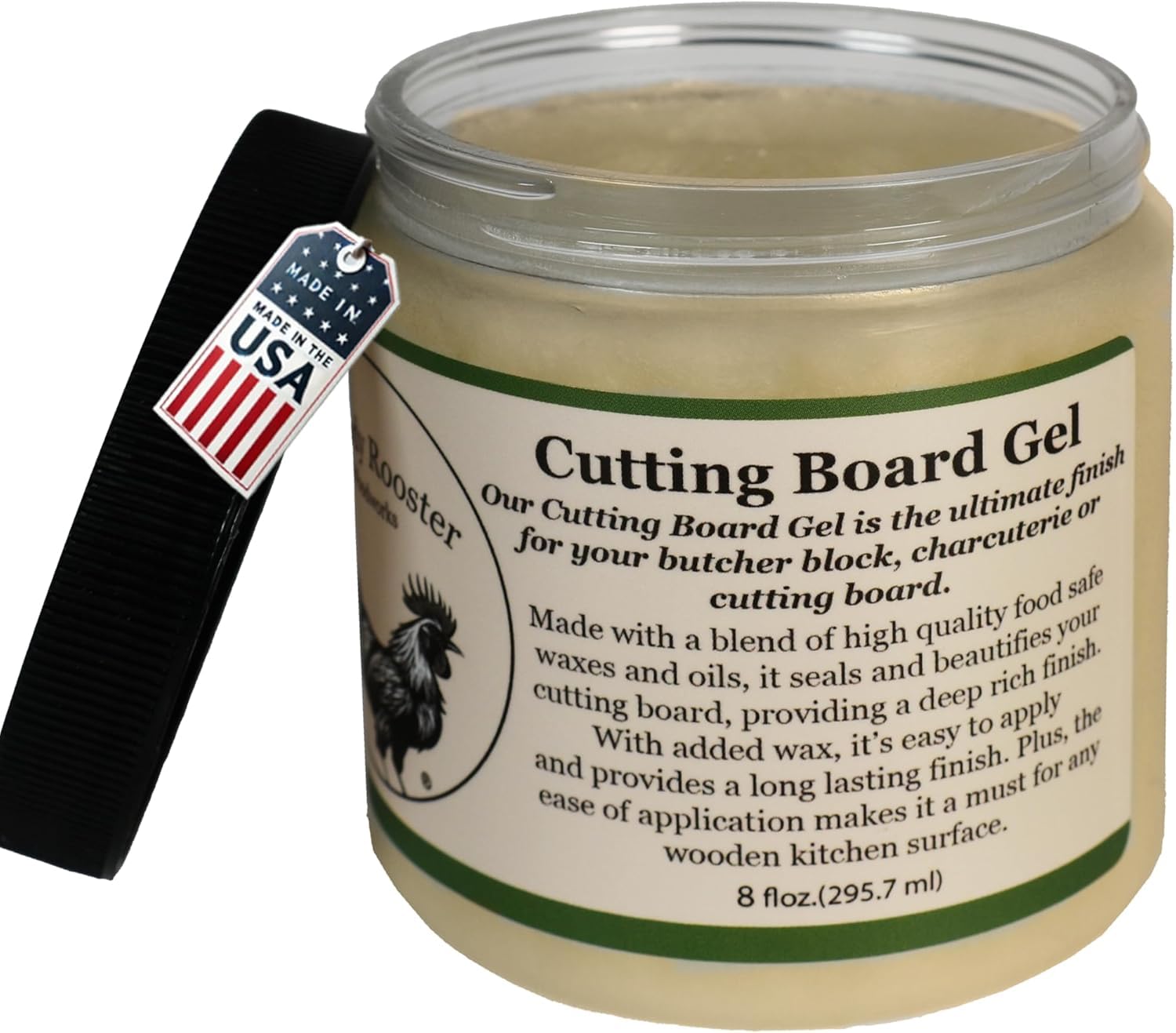
This gel formula directly addresses the challenge of conditioning teak: its hybrid consistency combines food-grade mineral oil with beeswax, allowing deep penetration into teak’s dense cells while leaving a surface-level wax barrier that repels water and stains. The 8-ounce jar uses a pleasant citrus scent that won’t transfer to food, and the gel spreads like soft butter without dripping, making vertical grain cleaning far less messy than thin oils.
Verified reviewers specifically note its performance on teak cutting boards — after a single overnight soak on paper towels, the wood regained its warm golden hue with no tackiness. The dual-action approach eliminates the need for separate oiling and waxing steps, a significant time saver for anyone who maintains multiple boards or a butcher block island. Its 2.5 x 2.5 x 3-inch container is compact enough for a drawer, and the gel consistency prevents spills common with liquid oils.
The one caveat: larger boards require a generous first application. Users reported needing about half the jar for a full-size butcher block counter. For monthly maintenance on a standard 12×18-inch teak board, the jar lasts several months. The November 2024 release date means this is a relatively new formulation, but early reviews show strong consistency and no rancidity after repeated use.
Why it’s great
- All-in-one oil and wax saves time compared to two-step treatments
- Gel consistency stays where applied, no dripping off vertical teak grain
- Verified by teak owners to restore color and water resistance overnight
Good to know
- Larger boards need up to half the jar for initial conditioning
- Citrus scent, while pleasant, may not appeal to those wanting odorless products
2. Black Diamond Stoneworks Natural Coconut Oil Conditioner
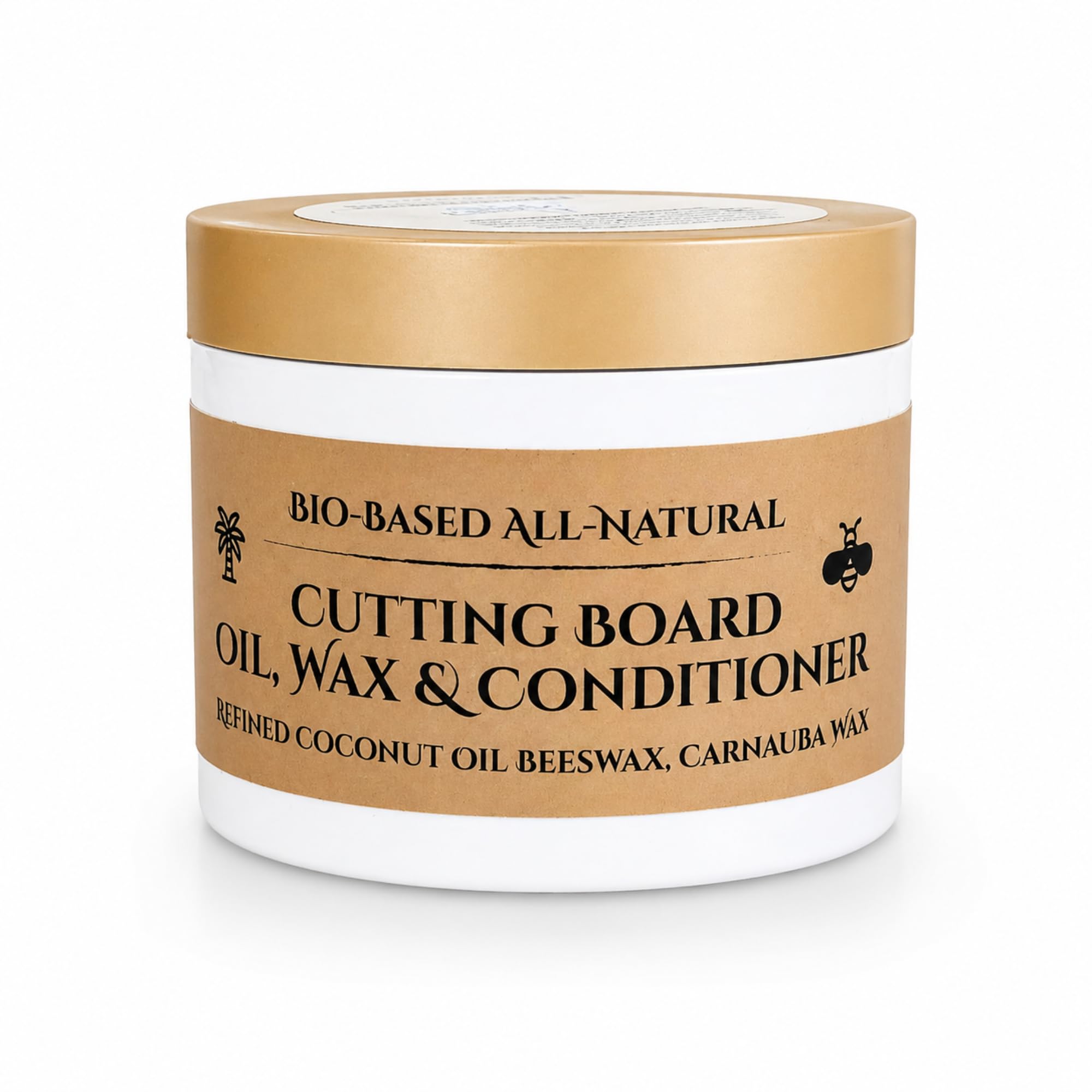
Using refined coconut oil as its base, this 5.7-ounce conditioner skips mineral oil entirely in favor of a food-grade blend that includes beeswax and carnauba wax. The combination penetrates teak’s pores with a lighter molecular weight than heavy pastes, while the waxes lock in moisture and create a satin sheen. The consistency is runnier than a paste but thicker than pure oils, putting it in the ideal viscosity range for teak’s tight grain.
Reviewers highlight how the watery gel consistency allows a small amount to cover substantial surface area — a 5.7-ounce tub lasts one to two years with monthly application on utensils and boards. The beeswax imparts a slight amber tint when first applied, but it dries completely clear, leaving no color transfer to light-colored teak. Users who condition bamboo and olive wood spoons alongside teak boards found the same overnight soak technique revived dry, cracked handles without leaving sticky residue.
The formula is entirely mineral-oil-free, which appeals to those seeking plant-based alternatives. However, the thinner consistency means vertical teak grain may require more careful application to avoid drips. Drying time is shorter than wax-heavy pastes — the board is ready for food contact within a few hours of buffing, not overnight.
Why it’s great
- Plant-based coconut oil base absorbs faster than mineral oil into teak
- Triple-wax blend (coconut, beeswax, carnauba) creates durable water barrier
- One jar lasts 1-2 years for regular monthly application
Good to know
- Runny consistency can drip from vertical board edges if over-applied
- Untested by reviewers on high-moisture foods like raw meat
3. TotalBoat Wood Honey Conditioning Oil
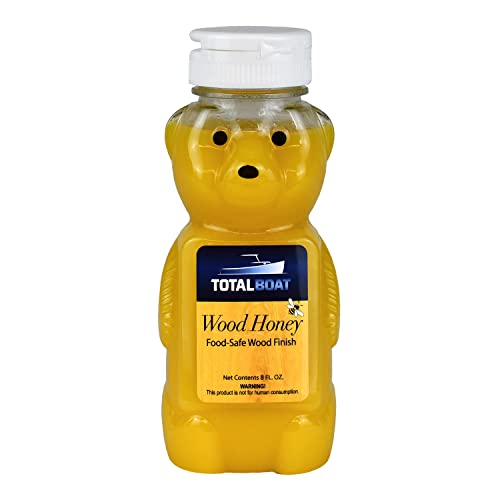
TotalBoat’s Wood Honey is a solvent-free, food-safe conditioning oil that cures into a water-resistant satin finish certified under FDA 21CFR 175.300, making it one of the safest options for direct food contact surfaces. Its viscosity sits between cooking oil and thin tung oil, allowing it to soak deep into teak’s grain without pooling on the surface. The manufacturer recommends waiting 5-7 days after the final coat for full curing, which produces a durable barrier that repels coffee, soda, and tea stains.
Woodworkers and home cooks alike praise its low odor — far milder than pure tung oil — and its ability to warm up the natural grain without creating a glossy, plasticky look. For teak boards, this means the wood retains its tactile, matte character while gaining substantial moisture protection. The 8-ounce bottle covers multiple boards, but buyers note that the original applicator bottleneck causes drips; transferring the oil to a condiment-style squeeze bottle improves control significantly.
The curing time is the main trade-off. While fast-drying options let you use the board within hours, Wood Honey’s 5-to-7-day cure ensures the oil fully polymerizes for a long-lasting seal. If you rotate between several boards and can let one cure while using another, this is a top-tier choice. For a single daily-use board, the wait may be inconvenient.
Why it’s great
- FDA 21CFR 175.300 certified for direct food contact after full cure
- Low odor compared to tung oil, suitable for indoor application
- Cured finish resists water and common staining liquids like tea
Good to know
- Requires 5-7 days curing before the board is ready for full use
- Original bottleneck causes drips; transferring to a precision bottle is recommended
4. Ziruma Non-Toxic Wood Wax

Ziruma’s paste wax is formulated without any mineral oil or petroleum derivatives, using only beeswax, cold-pressed flaxseed oil, and lemon essential oil. This composition is particularly well-suited for teak, which naturally contains its own oils — the flaxseed oil replenishes what the wood loses over time, while the beeswax seals the surface without blocking the wood’s ability to breathe. The 7-ounce can yields enough paste for multiple applications on a large cutting board plus wooden utensils.
Reviewers consistently note that the lemon scent is present but not overpowering, providing a fresh kitchen aroma during application that dissipates quickly. The paste has a firm waxy skin upon opening (users cut it out to access the soft paste underneath), and it applies easily with a microfiber cloth. Unlike liquid oils that can drip, the wax stays exactly where you put it — ideal for vertical-grain teak boards. After application and buffing, the wood feels conditioned but not greasy, and utensils regain a like-new appearance.
The main limitation is that flaxseed oil, being a drying oil, can take longer to fully cure than mineral oil. The manufacturer does not specify an exact cure time, but users report waiting 24 hours before using the board. The paste format also means you cannot soak the board overnight like you can with liquid oils; the wax sits on the surface rather than penetrating deeply, so it is best for maintenance rather than reviving severely dried-out boards.
Why it’s great
- Completely free of mineral oil and synthetic chemicals
- Paste format stays put on vertical teak grain without dripping
- Pleasant lemon scent leaves kitchen smelling fresh during application
Good to know
- Flaxseed oil requires longer cure time than mineral-based oils
- Not ideal for deep-soak restoration of extremely dry or cracked teak
5. Howard Butcher Block and Cutting Board Oil (3-Pack)
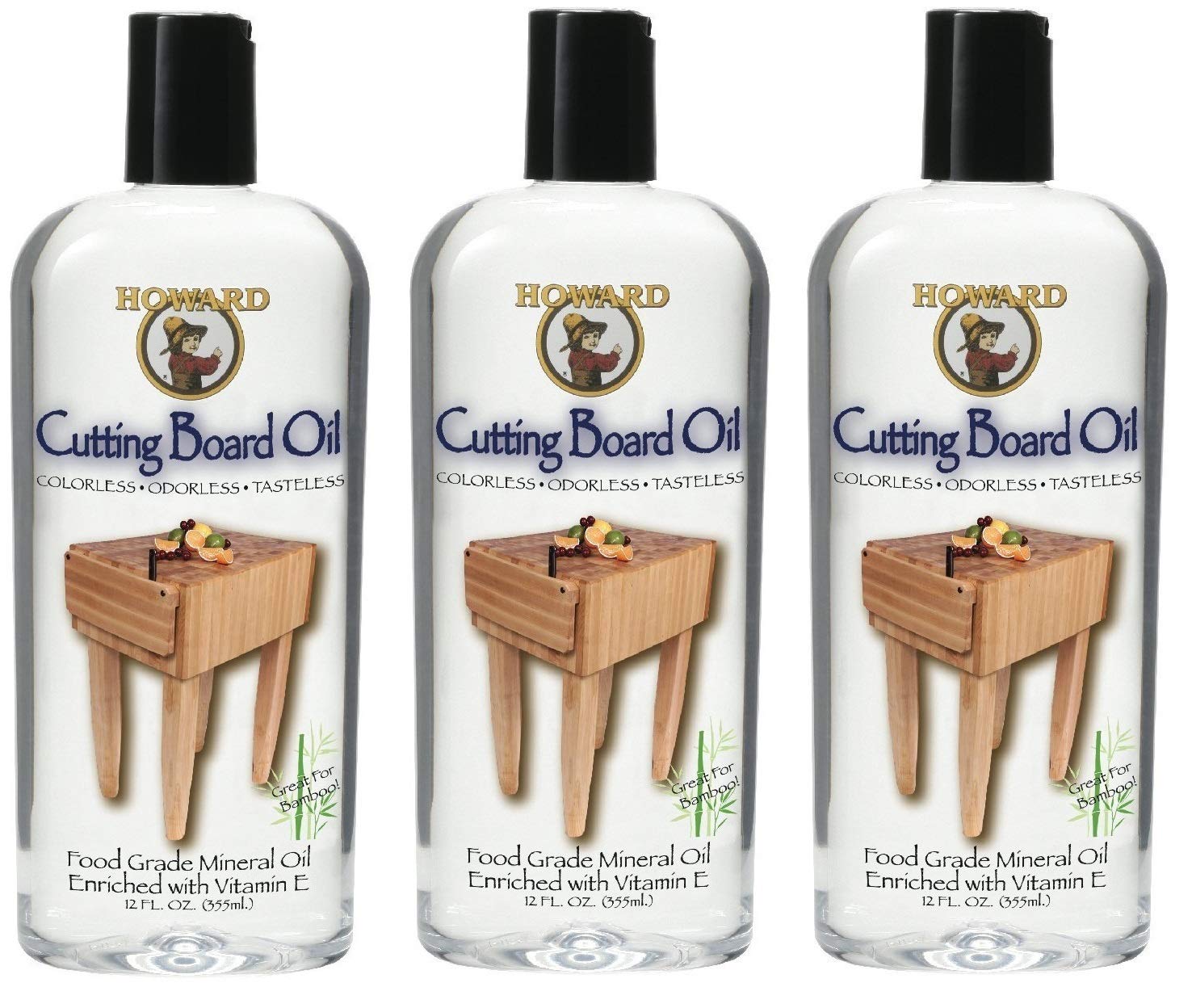
Howard’s BBB012 is the classic mineral-oil staple that has been trusted for wood maintenance since 2014. This 3-pack delivers 36 total ounces of colorless, odorless, tasteless USP-grade mineral oil enriched with Vitamin E, making it the most straightforward option for teak cutting board care. The oil’s low viscosity allows it to penetrate deep into teak’s tight grain, displacing moisture and preventing the drying and splitting that occurs in low-humidity environments.
Long-term users report reordering this product over multiple years for daily-use boards. The mineral oil does not go rancid — a critical advantage over plant-based oils for those who oil boards weekly. A silicone brush application method works best, with a second coat needed for initial seasoning of new or very dry boards. The 3-pack format is ideal for households with multiple boards, butcher block counters, and wooden utensils, or for splitting with a fellow wood-care enthusiast.
The downside is that pure mineral oil offers no surface-level water barrier. After the oil penetrates, the board remains susceptible to staining from acidic ingredients like tomato sauce or red wine unless waxed separately. Users who want a single-step solution will need to pair this with a wax finish, adding an extra step to the maintenance routine. Additionally, the large bottle design lacks precision pouring, so a separate dispenser is helpful to avoid waste.
Why it’s great
- 36 total ounces of USP-grade mineral oil at a budget-friendly per-ounce cost
- Colorless, odorless, tasteless — no risk of flavor transfer to food
- Vitamin E enrichment helps condition wood and extend oil shelf life
Good to know
- No wax component; requires separate waxing for stain and water resistance
- Large bottle needs a precision dispenser to avoid waste during application
FAQ
Can I use olive oil on my teak cutting board?
How often should I oil a teak cutting board?
How long does teak cutting board oil need to soak in?
Is beeswax mixed with mineral oil better than pure mineral oil for teak?
Final Thoughts: The Verdict
For most users, the oil for teak cutting board winner is the Cutting Board Gel by Rowdy Rooster Woodworks because its gel consistency bridges penetrating oil with sealing wax in a single step, saving time while delivering deep hydration and lasting water resistance on teak’s tight grain. If you prefer a completely plant-based formula, grab the Ziruma Non-Toxic Wood Wax. And for bulk budget-friendly maintenance across multiple boards, nothing beats the Howard Butcher Block and Cutting Board Oil 3-Pack.