Finding a ready-to-drink shake that actually tastes like a real milkshake without loading up on sugar and artificial junk is the holy grail of high-protein nutrition. Most bottles either deliver a chalky, watery disappointment or a sugar bomb that derails your macros before you finish the sip.
I’m Mohammad Maruf — the founder and writer behind AirfryerBite. I’ve spent years analyzing the texture, ingredient integrity, protein density, and sweetness profiles of over 80 commercial protein shakes to separate the genuinely creamy from the glorified vitamin water.
This guide breaks down the top contenders based on real customer feedback, ingredient transparency, and measurable specs like grams of protein per ounce and sugar content. My goal is to help you confidently choose the best protein milkshake for your specific diet and lifestyle goals.
How To Choose The Best Protein Milkshake
Not all protein shakes are designed for the same goal. Some prioritize max protein per bottle, others focus on clean ingredients, and a few are engineered to mimic the taste of a classic diner milkshake. Before you grab a 12-pack, here are the three filters that separate a daily-driver shake from a regrettable bulk buy.
Protein Source and Digestion Profile
The protein source defines how your body processes the shake. Whey protein isolate absorbs quickly and is ideal post-workout but triggers bloating for many. Ultrafiltered milk retains the natural micellar casein and whey in a more balanced ratio, delivering a slower, sustained release. Plant-based options like pea or almond protein are gentler on sensitive stomachs but often have a grittier mouthfeel. Check for lactose-free labeling or A2 beta-casein if dairy causes issues for you.
Sweetener Strategy and Aftertaste
Sugar content tells only half the story. A shake with 1g of sugar might use stevia, monk fruit, or sucralose — each leaves a distinct aftertaste that some find metallic or lingering. Shakes sweetened with natural alternatives (stevia + monk fruit blends) tend to have a cleaner finish than those relying solely on sucralose. If you are sensitive to artificial sweeteners, look for “no artificial sweeteners” on the label and scan ingredient lists for sugar alcohols like erythritol or xylitol.
Caloric Density and Intended Use
A shake’s calorie count per ounce dictates its role. Shakes hovering around 100–160 calories per 11 oz serve as lean snacks or post-workout recovery. The 530-calorie options (like Boost Very High Calorie) are designed for weight gain or medical nutrition and have a noticeably thicker, more satiating consistency. If you want a meal replacement that keeps you full for hours, higher calorie density is a feature, not a flaw.
Quick Comparison
On smaller screens, swipe sideways to see the full table.
| Model | Category | Best For | Key Spec | Amazon |
|---|---|---|---|---|
| Quest Nutrition Chocolate | High Protein | Max protein per serving | 45g protein / 14 fl oz | Amazon |
| Pioneer Pastures A2 Chocolate | Clean A2 Dairy | Gentle digestion + high protein | 30g protein / 11 fl oz | Amazon |
| Premier Protein Coffeehouse Caramel Macchiato | Caffeinated | Morning convenience + protein | 30g protein / 11.5 fl oz | Amazon |
| Slate Milk Classic Chocolate | Ultrafiltered Milk | Low sugar chocolate milk taste | 20g protein / 11 fl oz | Amazon |
| Kate Farms Organic Strawberry | Organic Vegan | Plant-based clean nutrition | 16g protein / 11 fl oz | Amazon |
| Premier Protein Non-Dairy Almondmilk Chocolate | Plant Based | Lactose-intolerant friendly | 20g protein / 11.5 fl oz | Amazon |
| Boost Very High Calorie Chocolate | Calorie Dense | Medical weight gain | 530 calories / 8 fl oz | Amazon |
In‑Depth Reviews
1. Quest Nutrition Chocolate Protein Shake

Quest delivers the highest raw protein count in this lineup — 45g per 14-ounce bottle — without the thick, gloppy texture that often accompanies high-protein drinks. The chocolate flavor comes across as genuinely indulgent, closer to a diner-style milkshake than a fitness supplement. The ultrafiltered nonfat milk base provides a smooth mouthfeel that masks the sucralose aftertaste better than competitors in this protein tier.
At 4g net carbs and only 2g of sugar, this shake fits comfortably into low-carb and keto frameworks while still delivering enough volume to function as a meal replacement. Customers consistently note the 45g protein is “undetectable” in terms of chalkiness, a direct result of the ultrafiltration process that retains the creamy milk solids without added thickeners. The 12-pack format is practical for weekly prep.
Where this shake shines brightest is post-workout recovery and high-protein diet adherence. The satiety factor is real — users report feeling full for hours after one bottle, which curbs mid-morning snacking. The only trade-off is the price per serving, which sits at the premium end of the spectrum, especially compared to 30g options from Premier Protein or Slate.
Why it’s great
- Highest protein density at 45g per bottle — unmatched in this guide
- Smooth, non-chalky texture that closely mimics a real milkshake
- Low sugar and carb profile fits keto and low-carb diets
Good to know
- Uses sucralose — some may detect a mild artificial sweetener tail
- Premium pricing per serving compared to 30g alternatives
- Thicker consistency may not suit those who prefer a thinner, more drinkable shake
2. Pioneer Pastures High Protein A2 Milkshakes — Chocolate
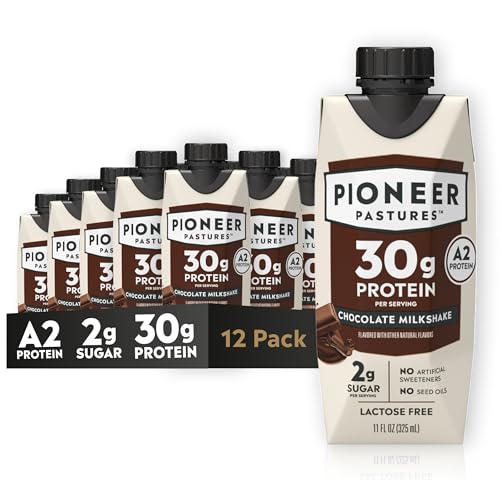
Pioneer Pastures targets a specific pain point most protein shake drinkers ignore until it hits them: digestive distress. By using ultrafiltered A2 milk (which lacks the A1 beta-casein peptide linked to inflammation and bloating in sensitive individuals), this shake delivers 30g of protein from a single-source dairy base — no added protein isolates, no seed oils, and no artificial sweeteners. The result is a clean, minimally processed drink that tastes like high-quality chocolate milk.
The sweetness comes from a stevia and monk fruit blend, which leaves a much cleaner finish than sucralose-heavy alternatives. Customers with post-gastric bypass diets and those managing lactose intolerance report zero GI issues, a major differentiator in this category. The 11-ounce serving size feels compact but packs enough density to work as a post-workout recovery or breakfast replacement.
Texturewise, the chocolate flavor is creamy without being cloying, and the lack of carrageenan means no artificial thickening. Shelf stability makes it gym-bag friendly. The main barrier is cost — this is a premium product with a per-bottle price that reflects the A2 sourcing and clean ingredient philosophy.
Why it’s great
- Single-source A2 milk protein is easier on digestion than standard whey
- No artificial sweeteners, seed oils, or carrageenan
- Tastes like fresh chocolate milk without chalky aftertaste
Good to know
- Premium pricing — the most expensive per-ounce option here
- Mild sweetness may not satisfy those used to sucralose-based shakes
- 12-pack often goes out of stock due to popularity
3. Premier Protein COFFEEHOUSE Caramel Macchiato
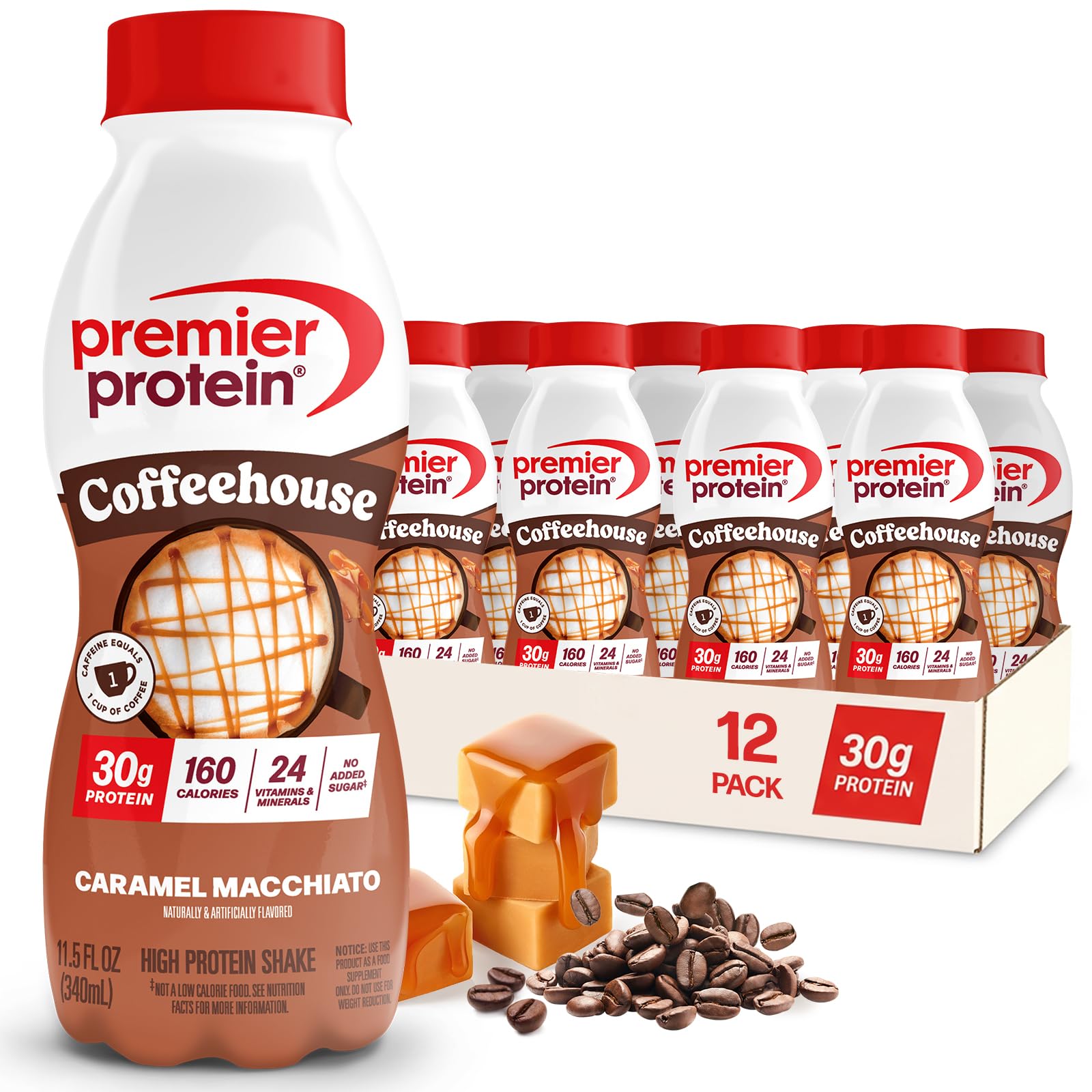
Premier Protein’s Coffeehouse line solves a dual problem: getting your caffeine fix and your protein hit in a single bottle. Each 11.5-ounce Caramel Macchiato shake delivers 30g of protein alongside caffeine equivalent to one cup of coffee, with no added sugar. The flavor profile is noticeably less sweet than traditional coffee shop macchiatos but retains enough caramel warmth to feel like a treat rather than a compromise.
Customers consistently mention the lack of “slimy thickeners” as a standout feature — the shake pours and drinks like a thin iced coffee, making it easy to chug post-workout or use as a high-protein coffee creamer. The 24 vitamins and minerals add a nutritional density that sets it apart from standalone protein shakes, effectively functioning as a breakfast replacement with caffeine included.
At roughly a dollar per bottle with a subscription, it undercuts many 30g competitors on cost while delivering a flavor that reviewers describe as “the best I’ve tried, by far.” The only drawback is the thin consistency — those looking for a thick, milkshake-like mouthfeel will find this too watery.
Why it’s great
- Combines 30g protein with coffee-caffeine in one portable bottle
- No thickeners or slimy texture — drinks like real iced coffee
- Affordable per-serving cost with subscription
Good to know
- Thin, watery consistency not suitable for milkshake cravings
- Contains milk and soy — not suitable for plant-based diets
- Caffeine content may be too low for heavy coffee drinkers
4. Slate Milk Classic Chocolate
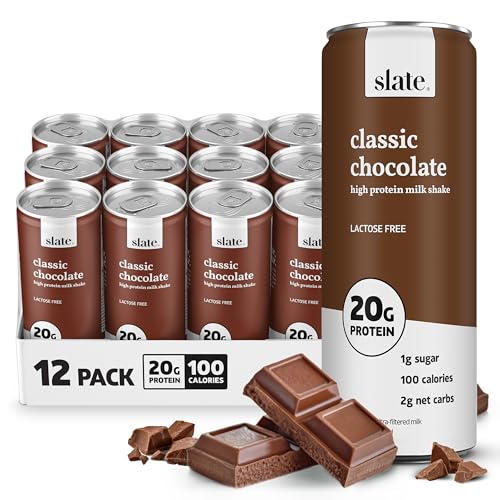
Slate uses an ultrafiltration process that strips lactose and excess water from milk, concentrating the natural protein and minerals without needing protein isolates. The result is a 20g protein shake with only 1g of sugar, 2g net carbs, and 100 calories that genuinely tastes like chocolate milk rather than a protein supplement. The inclusion of electrolytes adds a functional layer that benefits post-sweat recovery.
The can format is a distinctive choice — pasteurized without preservatives for shelf stability, it holds the flavor better than some plastic bottles, though the chocolate sediment can settle if not shaken vigorously. Customer feedback consistently praises the “not overly sweet” profile and the absence of the chalky or metallic aftertaste that plagues many low-sugar shakes. The 11-ounce serving is compact but efficient for a midday protein top-up.
Where Slate loses points is versatility. At 20g of protein per can, it falls short for those targeting 30g+ per shake, meaning you may need two cans to match the macros of a single Quest or Pioneer Pastures bottle. The per-can pricing is reasonable but adds up if you need higher protein density.
Why it’s great
- Tastes like real chocolate milk — no chalky or chemical finish
- Very low sugar (1g) and low calorie (100) per serving
- Added electrolytes support hydration and recovery
Good to know
- Only 20g protein per can — lower than many competitors
- Chocolate sediment settles at the bottom; needs vigorous shaking
- Thinner consistency than traditional milkshake drinkers expect
5. Kate Farms Organic Nutrition Shake — Strawberry
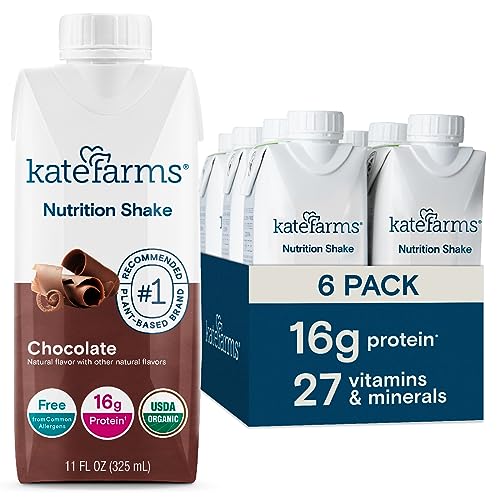
Kate Farms takes a fundamentally different approach — plant-based, organic, and built around pea protein rather than dairy. Each 11-ounce bottle delivers 16g of protein, 27 vitamins and minerals, and a phytonutrient blend sourced from broccoli, kale, berries, and turmeric. This is not a high-protein muscle builder; it is a medical-grade nutrition shake designed for those who need clean, easily digestible calories without common allergens.
The strawberry flavor is noticeably mild and lacks the hyper-sweetness of mass-market shakes. Customers with ARFID, cancer recovery needs, or general appetite loss report that this is the only shake they can tolerate — a testament to its gentle ingredient profile. The certified USDA Organic, Non-GMO, gluten-free, and kosher seals make it a top-tier choice for clean-eating purists.
The protein count is low compared to the rest of this guide. At 16g per serving, it is best positioned as a snack or supplement rather than a primary post-workout recovery drink. The price per 6-pack is also higher on a per-gram-of-protein basis, but the ingredient quality and allergen-friendly formulation justify the cost for specific dietary needs.
Why it’s great
- USDA Organic and Non-GMO with clean, whole-food phytonutrients
- Free from common allergens — suitable for restricted diets
- Mild, non-offensive taste well-tolerated by sensitive stomachs
Good to know
- Only 16g protein per serving — low for muscle-building goals
- Plant-based texture may taste slightly grainy to some
- Higher cost per gram of protein compared to dairy-based options
6. Premier Protein Non-Dairy Almondmilk Chocolate
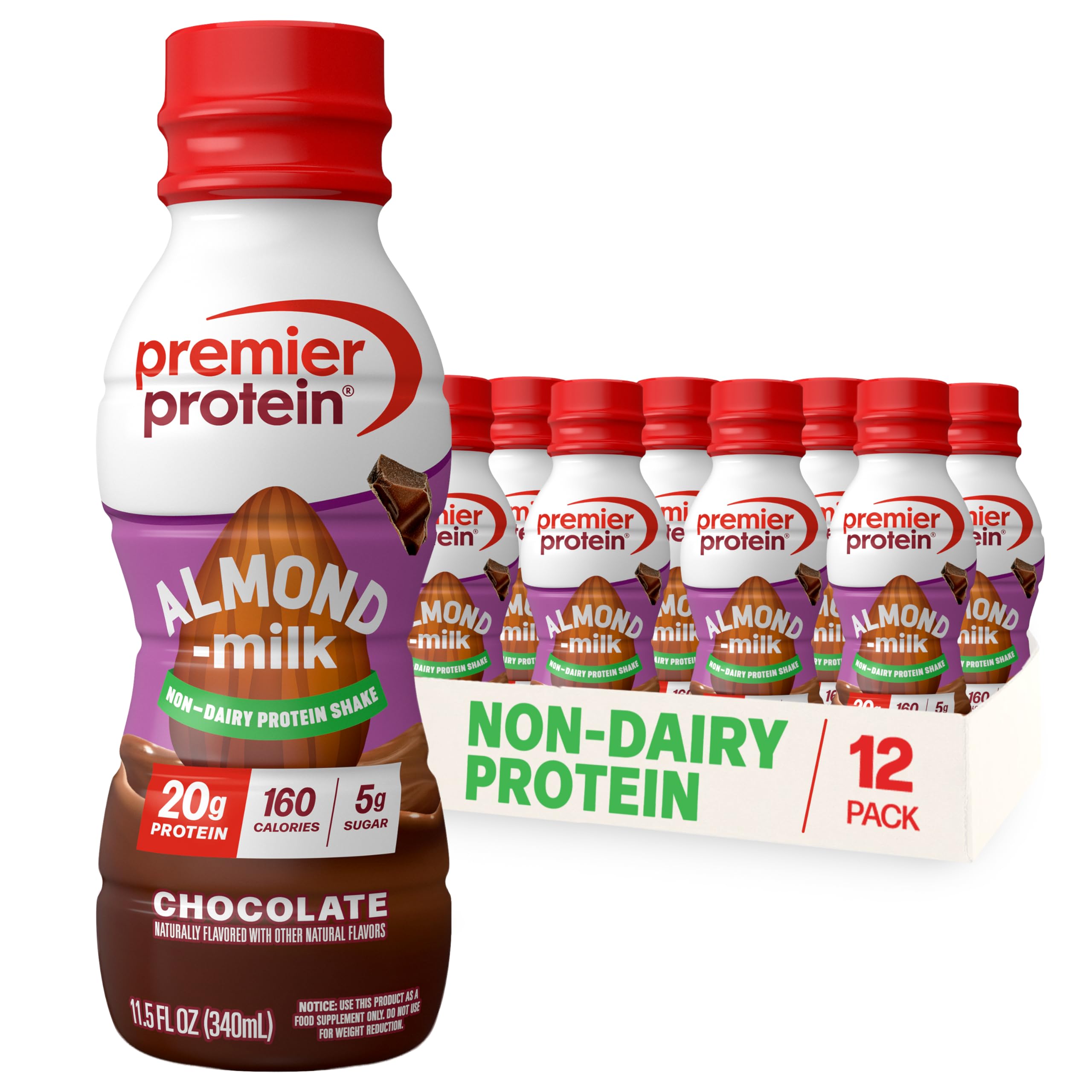
Premier Protein extends its reach into the plant-based segment with an almondmilk-based shake that delivers 20g of plant protein, 5g of sugar, and 160 calories per 11.5-ounce bottle. The cocoa flavor does a respectable job of masking the inherent graininess of plant protein, though customer reviews note a “slightly grainy texture” that is best mitigated by drinking it ice-cold. The absence of artificial flavors, colors, and sweeteners keeps the ingredient list refreshingly short.
For lactose-intolerant shoppers, this shake solves the digestive discomfort that plagues whey-based options without sacrificing too much on protein count. Multiple verified buyers report zero stomach issues, even those who typically react to dairy. The three-flavor lineup (Chocolate, Vanilla, Coffee) provides variety, though Chocolate is the clear standout in terms of balanced sweetness.
The trade-off is texture and protein density. At 20g per bottle, it lags behind the 30g and 45g options in this guide, and the almondmilk base produces a thinner, less satiating mouthfeel. The per-bottle cost is competitive for a plant-based shake, but customers note the price feels high relative to the protein yield.
Why it’s great
- Completely dairy-free — safe for lactose-intolerant and vegan diets
- No artificial flavors, colors, or sweeteners
- Good chocolate flavor with minimal plant-protein aftertaste
Good to know
- Grainy texture, especially if not served cold
- Only 20g protein — lower than many dairy-based competitors
- Thin consistency that does not satisfy milkshake cravings
7. Boost Very High Calorie Chocolate

Boost Very High Calorie is not designed for the fitness enthusiast — it is a medical nutrition tool engineered for weight gain, recovery from illness, and appetite support. Each 8-ounce bottle packs 530 calories, 22g of protein, and 26 vitamins and minerals in a deliberately thick, nutrient-dense format. The chocolate flavor is well-regarded, but the viscosity is significantly thicker than standard shakes, which is by design: the goal is maximum caloric density in minimum volume.
Customer feedback reveals its primary use case clearly: cancer patients, elderly individuals with low appetite, and anyone recovering from surgery who needs to maintain or regain weight. The 530-calorie punch in a small bottle is a genuine lifesaver for those who struggle to eat enough solid food. The “sip slowly” recommendation is real — drinking it too fast can feel heavy on the stomach.
This is not a shake for everyday snacking or post-workout sipping unless you are actively trying to gain weight. The thickness, calorie load, and price point position it as a specialty product. The all-natural flavor base with no artificial colors or sweeteners is a bonus, but the primary value is the caloric density, not the taste experience.
Why it’s great
- Highest caloric density in this guide — 530 calories in just 8 oz
- Packed with 26 vitamins and minerals for complete nutrition
- No artificial flavors, colors, or sweeteners
Good to know
- Very thick consistency — may be hard to swallow for some
- Designed for medical weight gain, not everyday protein supplementation
- High per-bottle cost relative to standard protein shakes
FAQ
How do I know if a protein milkshake will cause bloating?
Is a 45g protein shake too much for one serving?
Can I use protein milkshakes as a meal replacement daily?
What does A2 milk mean in a protein shake?
Final Thoughts: The Verdict
For most users, the best protein milkshake winner is the Quest Nutrition Chocolate because it delivers an unmatched 45g of protein in a genuinely creamy, milkshake-like texture without excessive sugar or carbs. If you want a shake that is gentle on digestion with clean ingredients, grab the Pioneer Pastures A2 Chocolate. And for a caffeine-and-protein combo that simplifies your morning routine, nothing beats the Premier Protein Coffeehouse Caramel Macchiato.