Finding a whole bean decaf coffee that delivers the same depth, aroma, and body as its caffeinated counterpart is a challenge that too many bags fail to meet. Weak flavor, a dull finish, or an odd chemical aftertaste from the decaffeination process are real disappointments that frustrate buyers who refuse to compromise on their evening cup.
I’m Mohammad Maruf — the founder and writer behind AirfryerBite. I’ve spent years analyzing roaster sourcing practices, decaffeination methods, roast profiles, and bean origins to separate the truly great decafs from the watery imposters.
Whether you are brewing a French press at night or dialing in a shot of decaf espresso, finding the best whole bean decaf coffee means understanding which roasters respect the bean even after the caffeine is gone.
How To Choose The Best Whole Bean Decaf Coffee
Decaf beans undergo a process that strips away at least 97% of caffeine, but not all methods protect the delicate flavor compounds equally. Three factors—decaffeination method, roast profile, and bean origin—determine whether your cup tastes like real coffee or a flat shadow of it.
Decaffeination Method: Swiss Water vs. CO2 vs. Chemical Solvent
The Swiss Water Process uses pure water and osmosis to remove caffeine while locking in flavor compounds, making it the cleanest choice for drinkers who want zero chemical residue. CO2 processing is also clean and preserves the bean structure well, often favored by high-end roasters. Avoid beans processed with ethyl acetate or methylene chloride if you are sensitive to chemical aftertastes—these solvent-based methods can leave a faint note that cheap decafs are known for.
Roast Level and Bean Origin
Decaf beans often roast darker because the decaffeination process changes the bean’s internal density and moisture content. A medium roast typically offers the best balance of body and acidity without the bitterness of a dark roast. Light roast decafs are rarer and can taste flat if the bean quality is low. Stick with 100% Arabica beans for a smoother, more aromatic cup—Robusta blends in decaf can turn harsh and hollow quickly.
Quick Comparison
On smaller screens, swipe sideways to see the full table.
| Model | Category | Best For | Key Spec | Amazon |
|---|---|---|---|---|
| Counter Culture Slow Motion | Mid-Range | Evening pour-over with full body | Swiss Water Process, 12 oz | Amazon |
| Jim’s Organic Sweet Nothings | Premium | Bright, floral light roast lovers | Swiss Water Process, Light Roast, 12 oz | Amazon |
| Eight O’Clock The Original Decaf | Premium | Big batch French press on a budget | 100% Arabica, 21 oz | Amazon |
| Blue Bottle Organic Decaf | Mid-Range | Clean Swiss Water cup any time | Swiss Water Process, Medium-Dark Roast, 12 oz | Amazon |
| Lavazza Dek Filtro | Mid-Range | Espresso shots with crema | 60% Arabica, 40% Robusta, 17.6 oz | Amazon |
In‑Depth Reviews
1. Counter Culture Slow Motion Decaf

Counter Culture’s Slow Motion decaf is a rarity in the decaf category: a medium roast that holds onto the complexity of molasses and cocoa without any hollow notes. The Swiss Water Process removes caffeine cleanly, so you get a full-bodied cup that rivals their caffeinated blends. At 12 ounces per bag, this is a roaster that treats decaf with the same sourcing rigor as their single-origin offerings.
Customers consistently praise the smooth mouthfeel and low acidity, with several noting it produces as much crema as top Italian espresso blends when used in a machine. The beans are sustainably sourced and the roaster is a certified B Corp, which matters if ethical sourcing is part of your buying criteria.
If you want a decaf that doesn’t taste like a compromise, this is the benchmark. It is versatile enough for drip, French press, or espresso, and the flavor development is deep enough to satisfy drinkers who normally avoid decaf entirely.
Why it’s great
- Rich molasses and cocoa notes with smooth finish
- Swiss Water Process for zero chemical aftertaste
- Low acidity and excellent crema for espresso
Good to know
- 12 oz bag may run out quickly for daily drinkers
- Some users prefer a lighter roast profile
2. Jim’s Organic Coffee Sweet Nothings Decaf
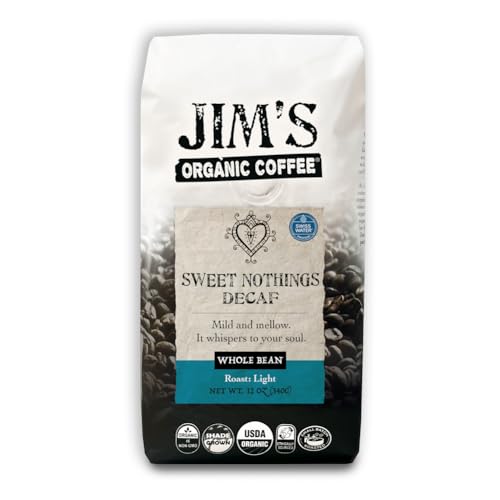
Jim’s Organic Coffee is a pioneer in the organic coffee space, and their Sweet Nothings decaf aims to deliver the floral and citrus notes of a light roast—something few decaf beans can pull off. The Swiss Water Process is used here as well, and the tasting notes of floral, citrus, and aromatic rich make this one of the more complex decafs on the market.
Customer feedback highlights a split: drinkers who love light roasts appreciate the unique profile, but several buyers note the beans appear darker than a typical light roast, likely due to the Swiss Water process altering the bean color. If you are strictly after a traditional light roast color, this may surprise you. Flavor-wise, it still delivers a bright cup with very smooth mouthfeel.
This is the best option if you want a decaf that tastes distinct from the typical medium-dark roasts that dominate the category. It works especially well in a pour-over or AeroPress where the delicate floral notes can shine.
Why it’s great
- Rare light roast profile for decaf with floral notes
- Swiss Water Process, USDA Organic certified
- Small-batch roasted for freshness
Good to know
- Beans appear darker than advertised light roast
- Higher price per ounce than mid-range blends
3. Eight O’Clock Coffee The Original Decaf

Eight O’Clock Coffee has been a staple in American kitchens for decades, and their Original Decaf whole bean is a volume-friendly option that still delivers a sweet, fruity, and well-balanced cup. The 21-ounce bag is significantly larger than the 12-ounce bags common in the premium tier, making it a practical choice for households that go through beans quickly.
Customers report that this decaf is nearly indistinguishable from regular coffee when brewed in a French press, especially if you use a slightly heaping scoop to compensate for the typical decaf body reduction. The medium roast profile is smooth without bitterness, and the 100% Arabica bean sourcing is a cut above many mass-market decafs that use Robusta filler.
If your priority is value per pound without dropping to commodity-grade flavor, Eight O’Clock strikes a strong balance. It is not as complex as the premium roasters, but it is reliable, consistent, and widely available.
Why it’s great
- Generous 21 oz bag provides excellent value
- Smooth medium roast with sweet, fruity notes
- 100% Arabica beans, Kosher certified
Good to know
- May require slightly more grounds for full body
- Not as complex as single-origin roasters
4. Blue Bottle Whole Bean Organic Decaf
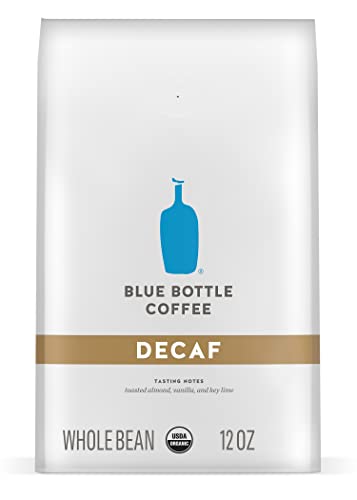
Blue Bottle’s Organic Decaf is a medium-dark roast that relies on the chemical-free Swiss Water Process to strip caffeine while retaining a smooth, slightly dark taste. At 12 ounces, it is a mid-range offering from a roaster known for meticulous sourcing and a clean flavor profile. Customers describe it as better than Starbucks decaf, with no bitter edge and a finish that works well for drip coffee or espresso.
Several verified buyers specifically call it an excellent decaf espresso option, noting that the beans grind evenly and produce a nice crema without the metallic taste that some dark roasts introduce. The organic certification adds peace of mind for drinkers who want to avoid pesticide residues in their coffee.
If you are looking for a reliable daily decaf that is widely available and backed by a reputable roaster, Blue Bottle delivers a clean, no-nonsense cup. It is not the most complex or adventurous option, but it is consistent and hard to mess up.
Why it’s great
- Smooth, clean flavor with no chemical aftertaste
- Excellent performance for espresso shots
- Organic and Swiss Water Process certified
Good to know
- Medium-dark roast may be too bold for light roast fans
- 12 oz bag is small for heavy daily drinkers
5. Lavazza Dek Filtro Whole Bean
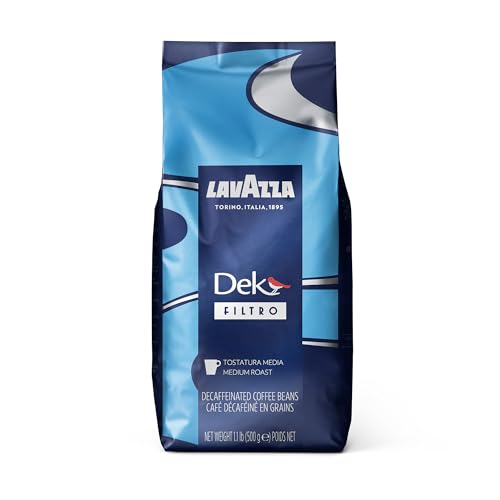
Lavazza Dek Filtro is an Italian whole bean decaf that blends 60% Arabica with 40% Robusta, a ratio that gives it a distinct edge in espresso applications where crema and body are critical. The CO2 decaffeination process is solvent-free and clean, so aroma notes of roasted cereals and barrique come through without chemical interference. The 1.1-pound bag is a solid value for the price tier.
Customer reviews are split: espresso enthusiasts rave about the crema and ease of dialing in, while some drinkers find the Robusta presence gives an odd flavor that they describe as not bitter but unusual. If you are brewing drip coffee, the Robusta percentage can make the cup feel heavier and more earthy than a pure Arabica decaf.
This is a specialized choice best suited for espresso drinkers who want a decaf that performs under pressure. For drip or French press, the 100% Arabica options above will likely taste cleaner and more refined.
Why it’s great
- Excellent crema production for espresso shots
- CO2 decaf process, no chemical taste
- Generous 17.6 oz bag for the price
Good to know
- Robusta blend may taste odd to pure Arabica drinkers
- Not ideal for light roast or pour-over fans
FAQ
What decaffeination method produces the best flavor?
Why do my decaf beans look darker than the label says?
Can I use whole bean decaf for espresso?
Does whole bean decaf stay fresh longer than ground decaf?
Final Thoughts: The Verdict
For most users, the best whole bean decaf coffee winner is the Counter Culture Slow Motion Decaf because it delivers the richest body and deepest flavor without any chemical aftertaste, making it the closest decaf has ever come to full-caffeine coffee. If you want a bright, floral cup with light roast complexity, grab the Jim’s Organic Sweet Nothings Decaf. And for a high-volume daily driver that balances value with solid flavor, nothing beats the Eight O’Clock The Original Decaf.