A teenager’s body is in constant build mode — bones lengthening, muscle fibers repairing after practice, and the brain demanding steady fuel for focus. This is not the time for sketchy ingredients, excessive artificial sweeteners, or a label filled with chemicals you cannot pronounce. The right protein powder for a teen acts as a nutritional safety net, bridging the gap between a busy schedule and the body’s high demand for quality amino acids, vitamins, and minerals.
I’m Mohammad Maruf — the founder and writer behind AirfryerBite. I have spent years dissecting supplement labels, comparing third-party testing protocols, and analyzing how specific protein blends, digestive enzymes, and added nutrient profiles actually perform for adolescent growth demands.
This guide cuts through the marketing fog to deliver a practical, safety-focused comparison of the top options available. Whether your teen is a picky eater, a competitive athlete, or simply needs a convenient boost between school and activities, you will find a clear path to the protein powder for teens that fits your priorities.
How To Choose The Best Protein Powder For Teens
Selecting a protein powder for a teenager is fundamentally different from picking one for an adult gym-goer. The priority shifts from raw muscle mass to balanced growth, bone density, and digestive comfort. Here is the framework you need to evaluate each option.
Protein Source: Whey vs. Plant-Based
Whey protein delivers a complete amino acid profile and is absorbed quickly, making it ideal for post-practice recovery. However, some teens are sensitive to lactose or prefer a vegan lifestyle. Premium plant blends using pea, brown rice, and chia seeds can deliver all nine essential amino acids without dairy. Look for at least 20 grams of protein per serving from either source. Avoid protein powders that rely heavily on soy isolates, which can be harder for some adolescents to digest.
Ingredient Purity and Added Nutrients
The label tells the real story. Skip products with artificial colors, high-fructose corn syrup, or preservatives. For teens, the most valuable added ingredients are probiotics for digestive health, vitamin D3 and K2 for calcium absorption and bone density, and omega-3 fatty acids for brain function. A protein shake that doubles as a nutrient delivery system is far more valuable than one that simply spikes protein grams.
Sweeteners and Taste Profile
Teens are notoriously picky about taste, but a great flavor should not come from sucralose or aspartame overload. Stevia, monk fruit, or organic cane sugar in moderation are better choices. Read reviews for phrases like “chalky texture” or “artificial aftertaste” — these are deal-breakers for consistent daily use. A great-tasting powder that your teen actually wants to drink is worth more than a perfect label they refuse to touch.
Serving Size and Caloric Density
A growing teen athlete may need 250–350 calories in a shake, while a sedentary teen simply filling nutritional gaps may need only 120–150 calories. Match the serving size and fat/carb content to your teen’s specific activity level. Overfeeding protein and calories to an inactive teen can lead to unnecessary weight gain, while underfeeding a high-school athlete can stall recovery.
Quick Comparison
On smaller screens, swipe sideways to see the full table.
| Model | Category | Best For | Key Spec | Amazon |
|---|---|---|---|---|
| NuBest Tall Protein | Premium | Growth & Bone Support | 10g protein + Probiotics + D3/K2 | Amazon |
| Optimum Nutrition Gold Standard | Premium | Athlete Recovery | 24g whey + 5.5g BCAAs | Amazon |
| NATURELO Plant Protein | Premium | Clean Plant Nutrition | 22g organic plant protein + BCAAs | Amazon |
| Orgain Organic Vegan | Mid-Range | High Fiber & Gut Health | 21g plant protein + 6g prebiotic fiber | Amazon |
| Premier Protein Vanilla | Mid-Range | Low Sugar Everyday Boost | 30g whey + 1g sugar | Amazon |
| Healthy Heights Grow Daily | Mid-Range | Pediatrician-Formulated Growth | 18g whey + no HGH/corn syrup | Amazon |
| UpNourish Vegan Protein | Budget | Budget Plant-Based with Probiotics | 21g plant protein + 1.5B probiotics | Amazon |
In‑Depth Reviews
1. NuBest Tall Protein Powder for Kids & Teens

This formula is engineered specifically for growing adolescents, not repurposed from an adult mass-gainer. Each serving delivers 10 grams of premium whey protein paired with L-Arginine and L-Taurine to support healthy tissue and bone development. The real advantage lies in the nutrient stack — 1 billion CFU probiotics for digestive health, marine-algae-derived calcium and magnesium for bone density, plus vitamin D3 and K2 to ensure proper calcium absorption.
Citruslabs testing data shows 88% of parents recommend it, with reported improvements in focus, digestion, and physical strength in kids using it regularly. Parents of picky eaters consistently praise the taste — no chalky aftertaste, easy to mix into a morning shake or post-school snack. The 15-serving size provides a two-week supply, making it easy to trial without committing to a massive tub.
The chocolate flavor is well-received by even the most selective teens. It is free from gluten, soy, grains, and GMOs, and manufactured in an FDA-registered, GMP-certified facility. For a parent seeking a complete nutritional shake that actively supports bone growth, digestion, and immunity, this is the most targeted option on the list.
Why it’s great
- Specifically formulated for teens with bone-supporting D3+K2 and calcium
- Includes probiotics and omega fatty acids for gut and brain health
- Great taste that even picky eaters consistently enjoy
Good to know
- Only 10g protein per serving — lower than typical adult powders
- Smaller 15-serving tub requires more frequent repurchasing
2. Optimum Nutrition Gold Standard 100% Whey, Double Rich Chocolate
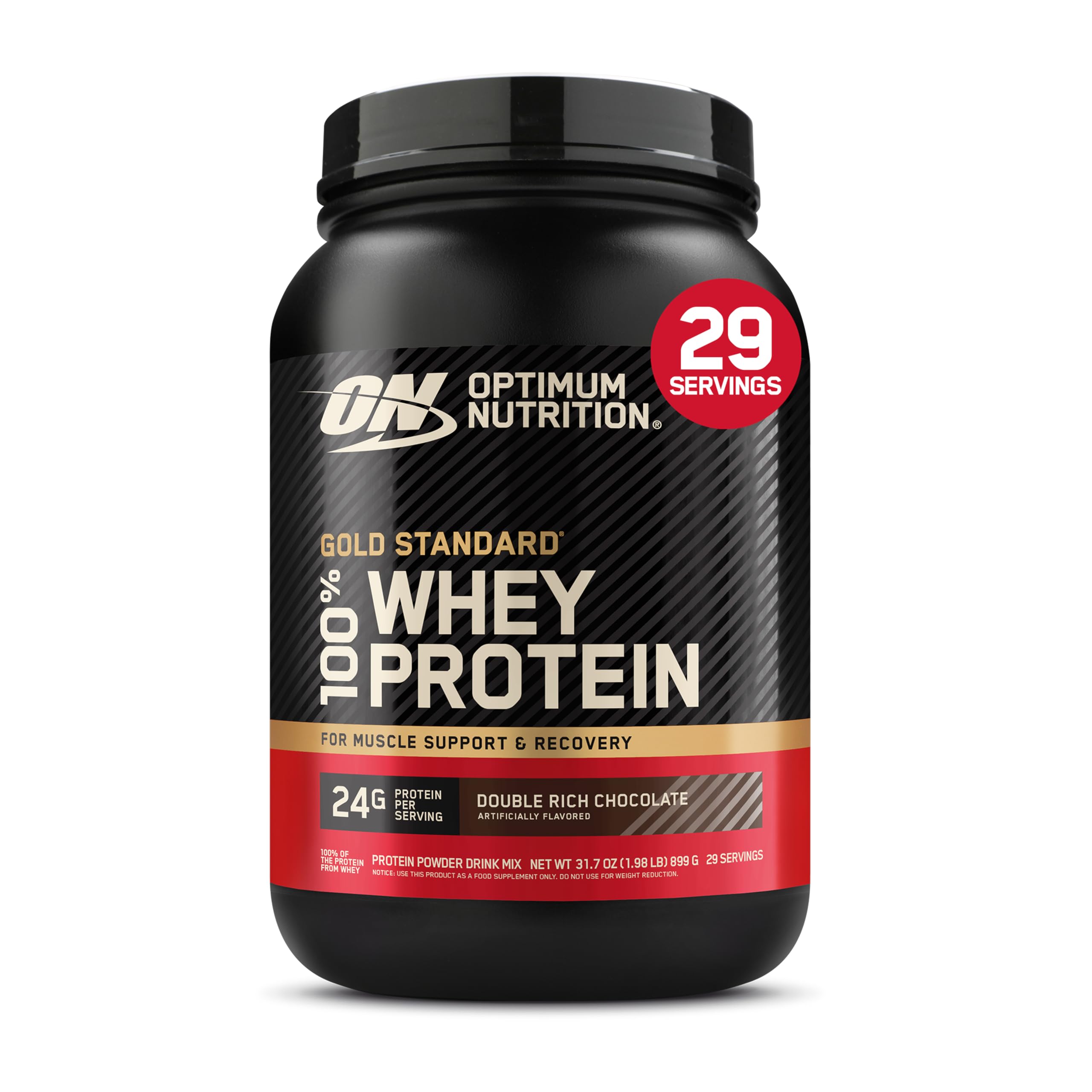
Optimum Nutrition Gold Standard has been the benchmark for whey protein quality for nearly two decades. Each scoop provides 24 grams of fast-absorbing whey protein isolate and concentrate, with only about 1 gram of sugar and 3 grams of carbs. The 5.5 grams of naturally-occurring BCAAs, including leucine, isoleucine, and valine, are specifically relevant for teens engaged in regular resistance training or high-school sports.
The Double Rich Chocolate flavor mixes smoothly with water or milk using just a shaker bottle — no blender needed. Reviews consistently highlight the smooth, non-gritty texture and balanced sweetness that avoids the artificial aftertaste common in cheaper whey powders. The 1.98-pound tub provides roughly 30 servings, making it a cost-efficient choice for the serious young athlete.
Keep in mind this is a pure protein supplement without added vitamins, probiotics, or bone-supporting nutrients. It works best for teens who already have a solid diet and need targeted post-workout recovery fuel. Parents of teens with lactose sensitivity should start with a small serving, as whey concentrate contains trace lactose.
Why it’s great
- Industry-standard whey isolate for rapid muscle recovery
- Low sugar and carb count — clean fuel for athletes
- Proven mixability and consistently great chocolate flavor
Good to know
- No added vitamins, probiotics, or bone-support nutrients
- Whey concentrate may cause minor digestive issues for lactose-sensitive teens
3. NATURELO Plant Protein Powder, Vanilla
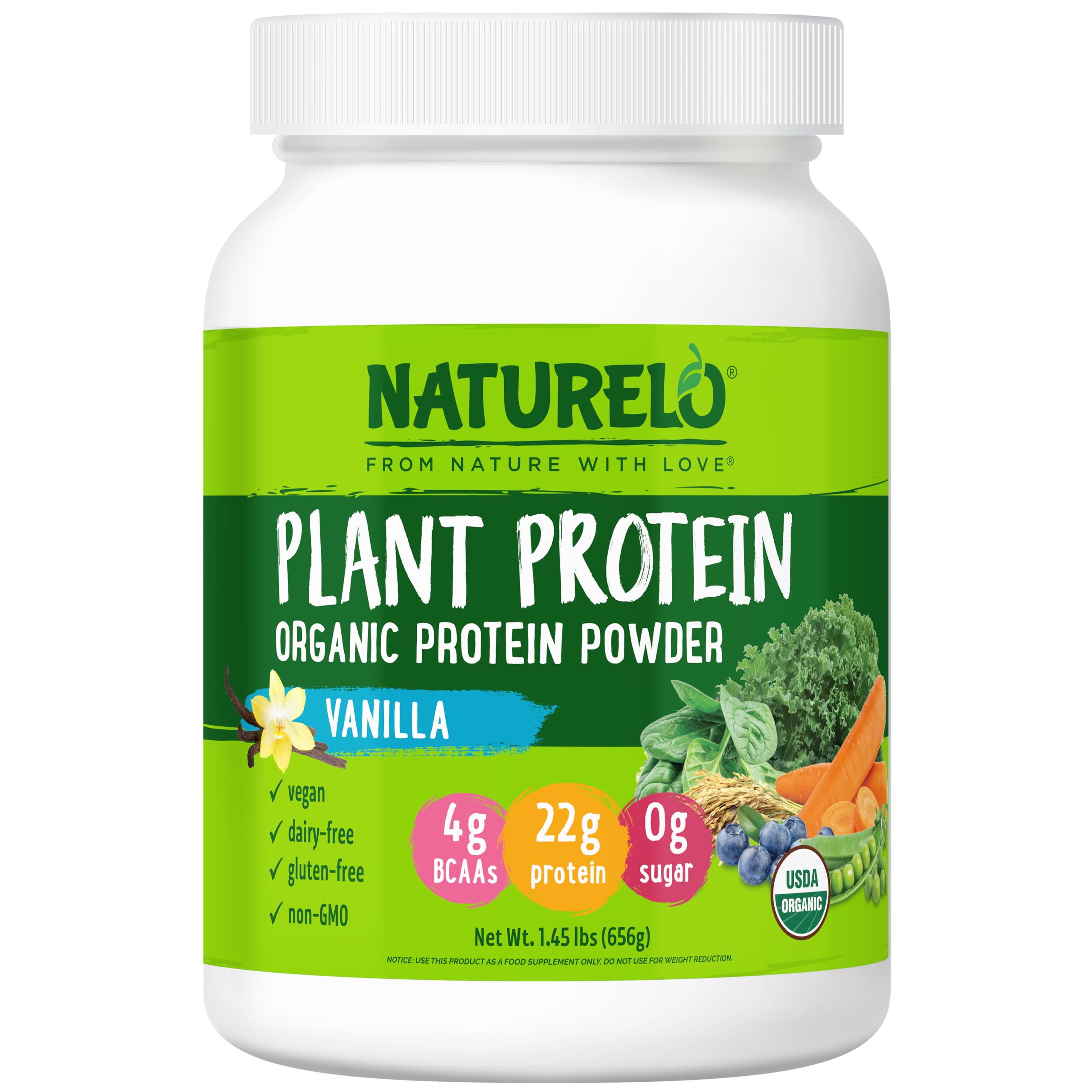
NATURELO takes a whole-foods approach with 22 grams of plant protein sourced from organic pea and organic brown rice, providing all nine essential amino acids. The formula includes 4 grams of BCAAs per scoop to support muscle repair and endurance. What sets it apart is the organic superfood blend — spinach, kale, blueberry, pomegranate, and carrot — adding phytonutrients that no standard whey powder offers.
At just 120 calories and zero added sugars per serving, this is an excellent option for teens who need a lean protein boost without excess calories. The vanilla flavor relies on stevia (rebaudioside A) for sweetness, and feedback is split: some users love the clean taste with no artificial sugar, while others note a slight stevia aftertaste. Mixing with a blender or strong shaker helps achieve a smooth consistency, as some find it slightly gritty with just a spoon.
The free-from list is extensive — no gluten, dairy, soy, artificial flavors, synthetic coloring, or preservatives. For vegan teens or those with multiple food allergies, this is one of the cleanest profiles available. The organic certification from a third party adds an extra layer of trust.
Why it’s great
- Organic plant protein with a complete amino acid profile
- Includes organic superfoods for added phytonutrients
- Very low calorie and sugar — fits lean nutrition goals
Good to know
- Stevia sweetener may not suit all taste preferences
- Can be slightly gritty if not blended thoroughly
4. Orgain Organic Vegan Protein Powder, Creamy Chocolate Fudge
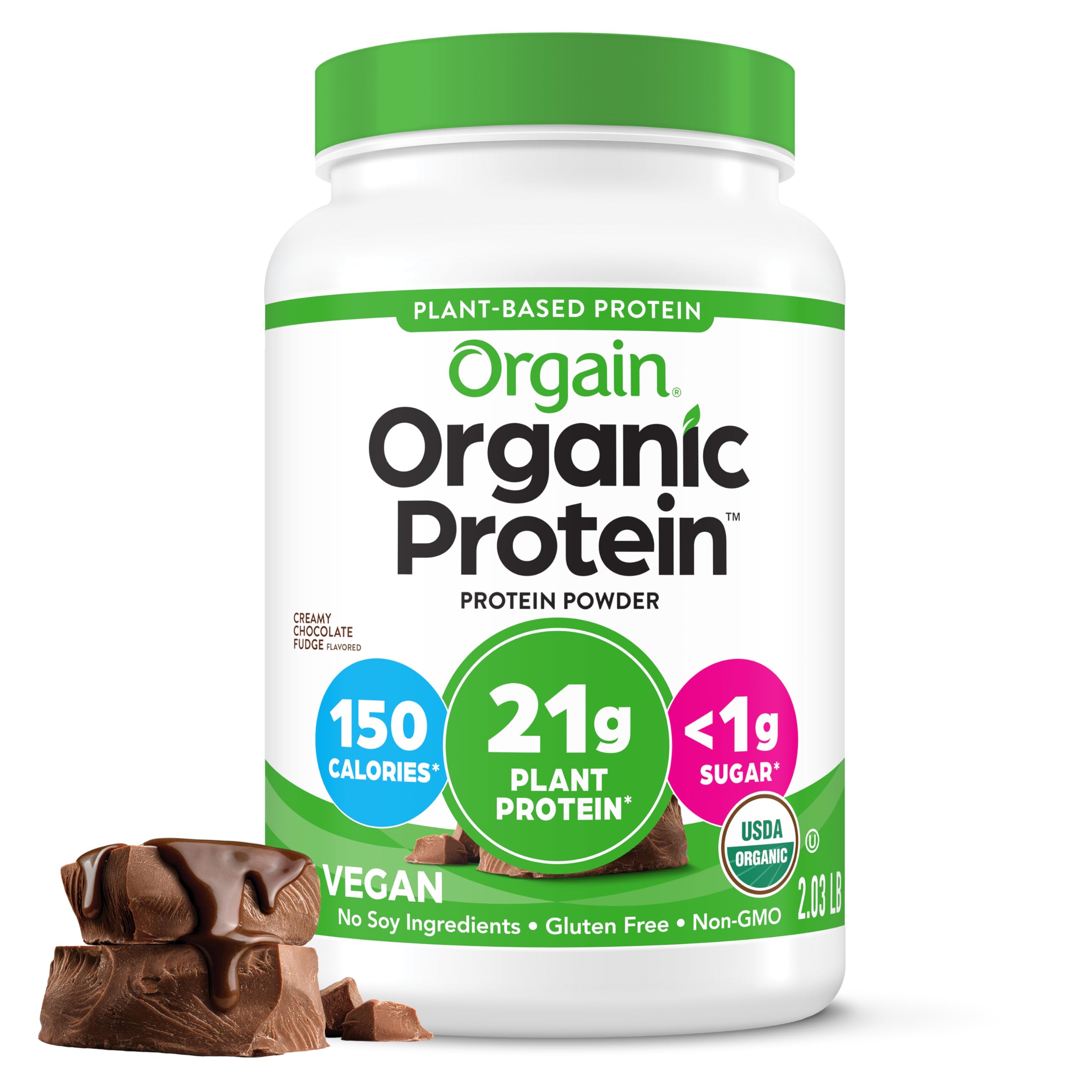
Orgain’s Creamy Chocolate Fudge delivers 21 grams of organic plant protein from peas, brown rice, and chia seeds, plus 6 grams of prebiotic dietary fiber for digestive support. The fiber content is a major differentiator — it helps regulate digestion and promotes longer satiety, which can prevent mindless snacking between meals. The blend contains zero added sugar and is sweetened with stevia, with no erythritol or artificial sweeteners.
Customer feedback heavily emphasizes the rich cocoa aroma and smooth, creamy texture when mixed with almond milk or water. Several reviewers report no gastric discomfort, even for those with severe lactose intolerance and IBS. The flavor profile is consistently described as chocolatey without being overly sweet — a strong selling point for teens who want a treat-like shake without the sugar crash.
The tub provides 20 servings, and each serving packs 150 calories. It is USDA Organic, vegan, kosher, gluten-free, and Non-GMO. This is an ideal choice for teens who need a plant-based protein with extra fiber to support gut health and sustained energy through long school days.
Why it’s great
- High prebiotic fiber content for digestive and satiety support
- Rich chocolate taste with no artificial or stevia aftertaste
- Multiple organic and third-party certifications
Good to know
- Scoop can be buried deep in the powder — check before first use
- May be too thick when mixed with milk instead of water
5. Premier Protein Powder, Vanilla Milkshake

Premier Protein packs 30 grams of whey protein with a remarkably low 1 gram of sugar per serving, making it one of the highest protein-to-sugar ratios available. The Vanilla Milkshake flavor is designed to taste like creamy vanilla ice cream without the sugar load, which explains its popularity among teens who crave a sweet treat but need clean nutrition. The protein comes entirely from whey, providing a complete amino acid profile for muscle recovery.
Mixability is a strong point — the powder dissolves smoothly in water with minimal clumping, producing a creamy texture without a chalky finish. The 17-serving tub is compact, but each serving delivers a powerful protein punch at only 150 calories. Reviews consistently note that the flavor profile avoids the artificial aftertaste problem that plagues many low-sugar protein powders.
This product is keto-friendly, gluten-free, soy-free, and low in fat. For teens who struggle with weight management or whose parents want to limit sugar intake, this is an excellent tool. The one caveat is the reliance on whey — those with lactose sensitivity should start cautiously.
Why it’s great
- Exceptional 30g protein with only 1g sugar per serving
- Creamy, ice-cream-like flavor that teens actually enjoy
- Dissolves smoothly with no chalky residue
Good to know
- Whey-based — not suitable for vegan teens or those with dairy allergies
- Limited serving count per tub compared to bulk options
6. Healthy Heights Grow Daily Kids Protein Drink Mix, Vanilla

Healthy Heights is formulated by pediatricians specifically for boys aged 10 and older, focusing on healthy growth without artificial shortcuts. Each serving delivers 18 grams of high-quality whey protein, with a strict no-HGH, no-corn-syrup, and no-preservatives policy. The formula is designed to promote fat-free muscle mass and fill nutritional gaps common in picky eaters and active pre-teens.
Real-world feedback from parents is compelling — one reviewer reported their son (a picky eater in the 10th percentile) gained weight and grew roughly half an inch in just three weeks of consistent use. The vanilla flavor mixes well into chocolate milk for a more palatable taste. However, some users note that the texture can be grainy if not shaken vigorously or blended thoroughly.
The bag contains 10 servings, which is smaller than most other options. This makes it a good trial size, though frequent purchases may be needed for daily use. It is designed to be used as a drink mix, a protein pancake base, or a snack supplement, offering versatility for parents who want to sneak protein into various meals.
Why it’s great
- Developed by pediatricians with specific teen growth needs in mind
- No HGH, corn syrup, or preservatives — clean formulation
- Real parent-reported results in weight gain and height over weeks
Good to know
- Grainy texture if not blended thoroughly
- Only 10 servings per bag — better for trial than bulk use
7. UpNourish Strawberry Banana Vegan Protein Powder

UpNourish combines 21 grams of plant-based protein with a blend of 54 superfoods including alfalfa, broccoli, spinach, blueberry, and goji berry, plus 1.5 billion CFU probiotics for digestive health. The Strawberry Banana flavor is designed with zero sugar, no dairy, and no GMOs, making it suitable for vegan teens and those with lactose intolerance. The low-carb, keto-friendly profile fits leaner dietary needs.
Taste feedback is divided. Several reviewers describe the flavor as excellent when mixed with almond milk and frozen fruit, noting a thick, creamy texture with no grittiness. Others report a lingering multivitamin aftertaste that they find unpleasant. The powder mixes well with a shaker, but the aftertaste issue suggests a trial purchase before committing to regular use.
At 15 servings per container, this is one of the most budget-friendly plant-based options available. It works best for teens who prioritize clean ingredients over intense flavor, or who enjoy adding fruit and milk alternatives to mask any aftertaste. The probiotic content adds genuine value for gut health.
Why it’s great
- 54 superfood blend plus probiotics — serious phytonutrient density
- Zero sugar, dairy-free, and GMO-free — very clean profile
- Excellent value for a plant-based protein with superfoods
Good to know
- Lingering multivitamin aftertaste reported by some users
- Best blended with fruit to mask the flavor
FAQ
Is whey or plant protein better for a teenage athlete?
How much protein does a 14-year-old actually need per day?
Can protein powder cause side effects in teenagers?
What should I look for in a protein powder for a picky eater?
Is it safe for a 13-year-old to take protein powder every day?
Final Thoughts: The Verdict
For most parents seeking a complete, science-backed solution, the protein powder for teens winner is the NuBest Tall Protein Powder because it combines targeted bone-support nutrients, probiotics, and a taste that picky teens actually enjoy. If your teen is a serious athlete needing rapid muscle recovery, grab the Optimum Nutrition Gold Standard Whey for its proven 24-gram whey isolate with BCAAs. And for a clean, plant-based option that supports gut health with prebiotic fiber, nothing beats the Orgain Organic Vegan Protein. Match the powder to your teen’s specific activity level, dietary restrictions, and taste preferences, and you will see consistent, fuss-free use.