Your body is burning an extra 500 calories a day just to produce breast milk, and your protein needs have jumped by nearly 25% to support both your recovery and your baby’s rapid growth. Finding a clean, safe, and effective protein source that won’t pass unwanted additives through your milk is a non-negotiable priority — not just for you, but for your little one’s developing system.
I’m Mohammad Maruf — the founder and writer behind AirfryerBite. I’ve spent years analyzing the nutritional profiles, sourcing standards, and hidden additives in health supplements, giving me a sharp eye for separating genuinely safe postpartum fuel from marketing hype.
After a deep review of organic certifications, ingredient labels, and third-party testing protocols, I’ve assembled the shortlist of the cleanest and most effective options to help you confidently choose the best protein powder for breastfeeding for your unique nutritional needs.
How To Choose The Best Protein Powder For Breastfeeding
Choosing a protein powder while nursing is about more than just muscle recovery — it’s about ensuring every scoop supports your milk quality without introducing anything that could unsettle your baby. Here are the three most critical filters to apply.
Prioritize Clean, Organic, and Third-Party Tested Sourcing
Your baby’s digestive system is still developing, making them especially sensitive to pesticides, hormones, and heavy metals. Look for powders carrying a USDA Organic seal, grass-fed certification for whey products, and evidence of third-party testing for contaminants like lead, arsenic, and cadmium. A brand that openly lists its testing protocol — like AGN Roots with its Informed Sport certification — offers the highest level of reassurance.
Match the Protein Type to Your Digestion
Whey protein is a complete protein with a high leucine content, but some nursing moms find it causes bloating or gas in their baby due to dairy proteins passing through breast milk. If you or your baby are sensitive, a plant-based option like pea, brown rice, or chia protein — such as Orgain or Plantvital — can provide a gentler alternative. These vegan blends also often include fiber and probiotics, which support your own postpartum digestion.
Check for Hidden Stimulants, Sweeteners, and Fillers
Many standard protein powders pack in artificial sweeteners like sucralose, sugar alcohols like erythritol, or caffeine-based thermogenics that are not safe during breastfeeding. Always scan the ingredient list for “natural flavors” that could hide stimulants, and avoid any product marketed as a “pre-workout” blend. Unflavored options like simply tera’s or AGN Roots give you total control over what you consume.
Quick Comparison
On smaller screens, swipe sideways to see the full table.
| Model | Category | Best For | Key Spec | Amazon |
|---|---|---|---|---|
| Boobie Body Superfood Protein | Postpartum Meal Replacement | Lactation support & energy | 19g vegan protein, zero sugar, moringa & turmeric | Amazon |
| AGN Roots Grass Fed Whey Isolate | Whey Isolate | Highest purity & third-party testing | 25g protein, 6.5g BCAAs, Informed Sport tested | Amazon |
| Garden of Life Organic Whey | Grass-Fed Whey | Probiotic support with protein | 21g protein, 2B CFU probiotics, USDA Organic | Amazon |
| Orgain Organic Plant Based Protein | Vegan Protein | Dairy-free smoothie boosting | 21g protein, 5g fiber, 0g sugar, Vanilla Bean | Amazon |
| simply tera’s Organic Whey Protein | Minimal Ingredient Whey | Cleanest two-ingredient formula | 21g protein, only 2 ingredients, unsweetened | Amazon |
| Plantvital Organic Vegan Protein | Protein & Greens Blend | All-in-one greens + protein | 24g protein, 15 superfoods, 1B probiotics | Amazon |
| Vital Proteins Collagen Peptides | Collagen Supplement | Skin, hair & nail recovery | 18g collagen, 120mg hyaluronic acid, unflavored | Amazon |
In‑Depth Reviews
1. Boobie Body Superfood Protein Pregnancy and Postpartum Meal Replacement Shake
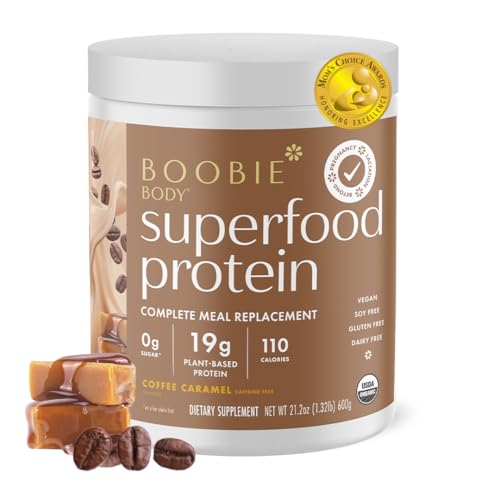
This is the only powder on this list specifically engineered for breastfeeding mothers, and it shows. Developed by an International Board-Certified Lactation Consultant (IBCLC), Boobie Body delivers 19 grams of organic vegan protein per serving alongside nine superfoods like moringa and turmeric — both traditionally used to support milk production. The Coffee Caramel flavor provides a gentle caffeine-free energy lift without the jitters, making it a viable meal replacement for those rushed postpartum mornings.
The formula is entirely organic, gluten-free, dairy-free, and contains zero sugar, which eliminates the blood sugar spikes that can affect both your energy and your milk composition. With only 1 net carb per serving, it also fits a low-carb approach if you are managing postpartum weight. Early adopters report a noticeable boost in milk supply — some adding a few ounces per day — although results vary by individual.
On the downside, the taste consistency varies significantly across flavors; the Chocolate Bliss option has been flagged for being overly gritty, while the Coffee Caramel and Vanilla Cookie flavors are generally well-received. It is also a premium option, and users note that doubling the serving size to meet higher protein needs can become costly. If your primary goal is lactation-friendly nutrition in a grab-and-go format, this is the most directly targeted solution available.
Why it’s great
- Developed by a lactation consultant specifically for nursing mothers.
- Zero sugar and only 1 net carb per serving.
- Includes lactation-supporting superfoods like moringa and turmeric.
Good to know
- Some flavors have a gritty texture that requires a blender.
- Premium pricing; frequent use can add up.
- Flavor preference is highly subjective — sample before committing to a tub.
2. AGN Roots Grass Fed Whey Protein Powder Isolate
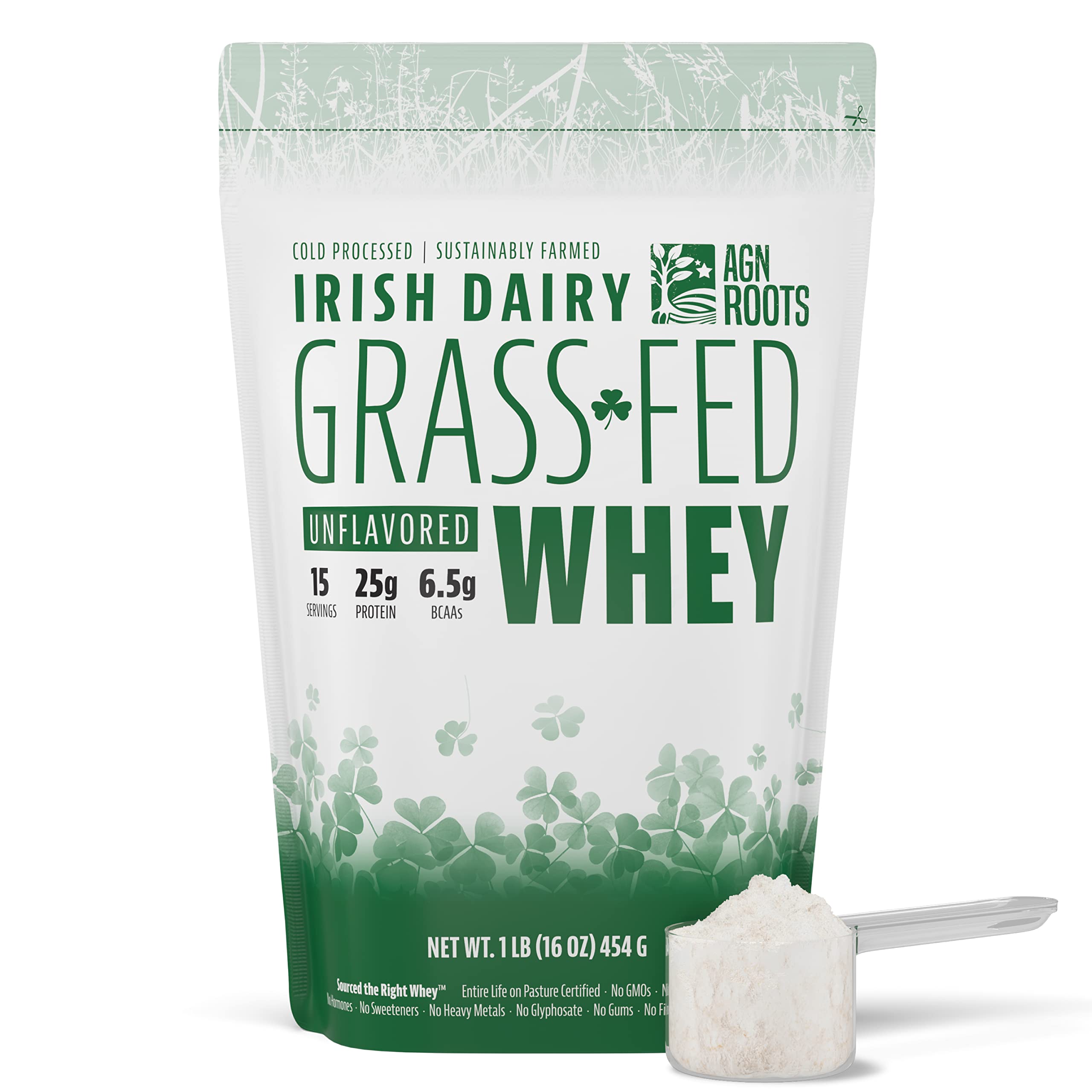
If your priority is absolute ingredient transparency and third-party verification, AGN Roots sets the benchmark. This unflavored, unsweetened whey isolate is cold-processed and microfiltered to preserve the natural bioavailability of its 6.5 grams of BCAAs per 25-gram serving — a notably high concentration for the category. What truly distinguishes it is the triple certification: Animal Welfare Approved by A Greener World, Informed Sport and Informed Protein tested for over 250 banned substances and heavy metals, and registered with the ASPCA’s Shop with Your Heart program.
The sourcing is equally rigorous — the whey comes from cows that spend their entire lives on pasture, avoiding the concentrated animal feeding operations (CAFOs) that produce most mass-market whey. Because it contains no flavorings, sweeteners, or additives, it is safe for nursing mothers who need to avoid anything that might pass through to their baby. Users consistently report no bloating or digestive upset, which is a common concern with standard whey concentrates.
The trade-off is that the unflavored nature means you must be willing to mix it into smoothies, coffee, or oatmeal — it has a mild creamy dairy taste on its own, not a dessert profile. The default pouch size can also be large for infrequent users, and storage is less convenient than a resealable tub. For the nursing mother who wants the gold standard in purity and is comfortable blending her own flavors, this is a top-tier pick.
Why it’s great
- Extensive third-party testing for contaminants and banned substances.
- Highest natural BCAA concentration among grass-fed whey options.
- Zero additives — no sweeteners, fillers, or artificial ingredients.
Good to know
- Unflavored — requires pairing with fruit or milk for taste.
- Pouch packaging is less convenient than a tub for daily scooping.
- Premium pricing; larger orders can be more economical.
3. Garden of Life Organic Whey Protein Chocolate

Garden of Life delivers a well-rounded whey option that checks the key boxes for a nursing mother without the premium price tag of an isolate. Each two-scoop serving provides 21 grams of organic grass-fed whey protein along with 2 billion CFU of the probiotic B. lactis, which can support postpartum digestive health — a common concern after childbirth. The chocolate flavor uses raw fair-trade cacao and no added sugars, keeping the ingredient list clean.
The protein is cold-processed, microfiltered, and certified USDA Organic, Non-GMO Project Verified, and Gluten-Free, which gives solid confidence that you are not consuming pesticide residues or synthetic hormones. At 120 calories per two scoops, it is a lean option that fits well into a breakfast smoothie or post-nursing snack. Users note that the taste has improved in recent formulations, blending smoothly in milk or water without the chalky aftertaste common to organic whey.
One practical drawback is the scooper design — some users find the handle too short to reach the bottom of the jar as the powder level drops, making the last few servings awkward to measure. The probiotic content is a nice digestive bonus, but keep in mind that some infants can be sensitive to dairy proteins in breast milk, so monitor your baby for gas or fussiness if you switch to this whey. For a broadly accessible, certified organic whey that adds a digestive boost, this is a strong contender.
Why it’s great
- Certified USDA Organic and Non-GMO Project Verified.
- Includes 2 billion CFU probiotics for digestive support.
- No added sugars; sweetened only with natural cacao.
Good to know
- Scoop handle is short; difficult to reach powder at the bottom.
- Whey protein may cause gas in sensitive breastfed babies.
- Some users report mild bloat during initial probiotic adaptation.
4. Orgain Organic Plant Based Protein Powder, Vanilla Bean
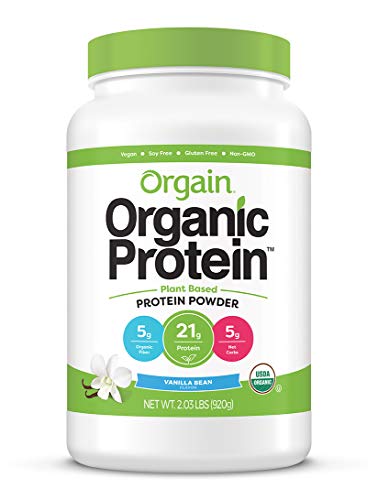
Orgain is one of the most recognized names in plant-based protein, and for good reason — its Vanilla Bean formula offers a reliable, dairy-free option for nursing mothers who prefer to avoid whey. Each serving packs 21 grams of protein sourced from pea, brown rice, and chia seeds, plus 5 grams of organic dietary fiber to help regulate postpartum digestion. With zero grams of sugar and only 5 grams of net carbs, it fits a variety of dietary approaches.
The certification list is extensive: USDA Organic, vegan, gluten-free, dairy-free, lactose-free, soy-free, kosher, and Non-GMO Project Verified. This makes it one of the safest choices if you are concerned about common allergens passing through your milk. The flavor is noticeably sweet thanks to organic stevia and monk fruit, which many users enjoy in coffee or smoothies, though some find it too sweet for plain water mixing.
Texture-wise, it blends reasonably well in a shaker bottle with minimal clumping, though it is not as smooth as whey. The price per serving is competitive for the organic plant-based category, making it an accessible daily staple. If you are looking for a clean, versatile, allergen-friendly powder that can serve as a meal replacement or smoothie booster while nursing, Orgain delivers consistent quality.
Why it’s great
- Organic, vegan, and free from the top eight allergens.
- Includes 5 grams of fiber for digestive regularity.
- Zero sugar and low net carbs for stable energy.
Good to know
- Sweetened with stevia — may be too sweet for some palates.
- Plant-based texture is slightly grainier than whey.
- Some users report a mild aftertaste in water.
5. simply tera’s Organic Whey Protein Powder

simply tera’s stands out for its minimalist philosophy — this unflavored, unsweetened whey contains exactly two ingredients: organic whey protein from pasture-raised cows and sunflower lecithin for mixability. There are no artificial sweeteners, no natural flavors, no gums, and no fillers. For a nursing mother who wants absolute control over what goes into her body, this is the simplest possible entry point.
The 21 grams of complete protein per serving include all 18 amino acids, with the protein sourced from small family farms in the USA where cows are grass-fed and never treated with rBGH. Users consistently praise its clean taste — many describe it as having no weird aftertaste or chemical notes, and it mixes well in smoothies, yogurt, or baked goods. The unflavored profile also means you can add it to savory dishes like soups or oatmeal without clashing flavors.
Because it is a whey concentrate rather than an isolate, it contains slightly more lactose and milk fat, which could cause digestive rumblings in highly sensitive mothers or babies. The 12-ounce size is also relatively small, so heavy users will repurchase frequently. If your priority is the shortest, cleanest ingredient list possible and you are comfortable with whey, simply tera’s delivers exactly what it promises — nothing more, nothing less.
Why it’s great
- Only two ingredients — no artificial anything.
- Sourced from pasture-raised, grass-fed cows on US family farms.
- Versatile unflavored format works in sweet and savory recipes.
Good to know
- Whey concentrate may cause gas in very sensitive babies.
- Small 12-ounce package requires frequent reordering.
- Unflavored taste is plain; needs mixing for palatability.
6. Plantvital Unflavored Organic Vegan Protein Powder
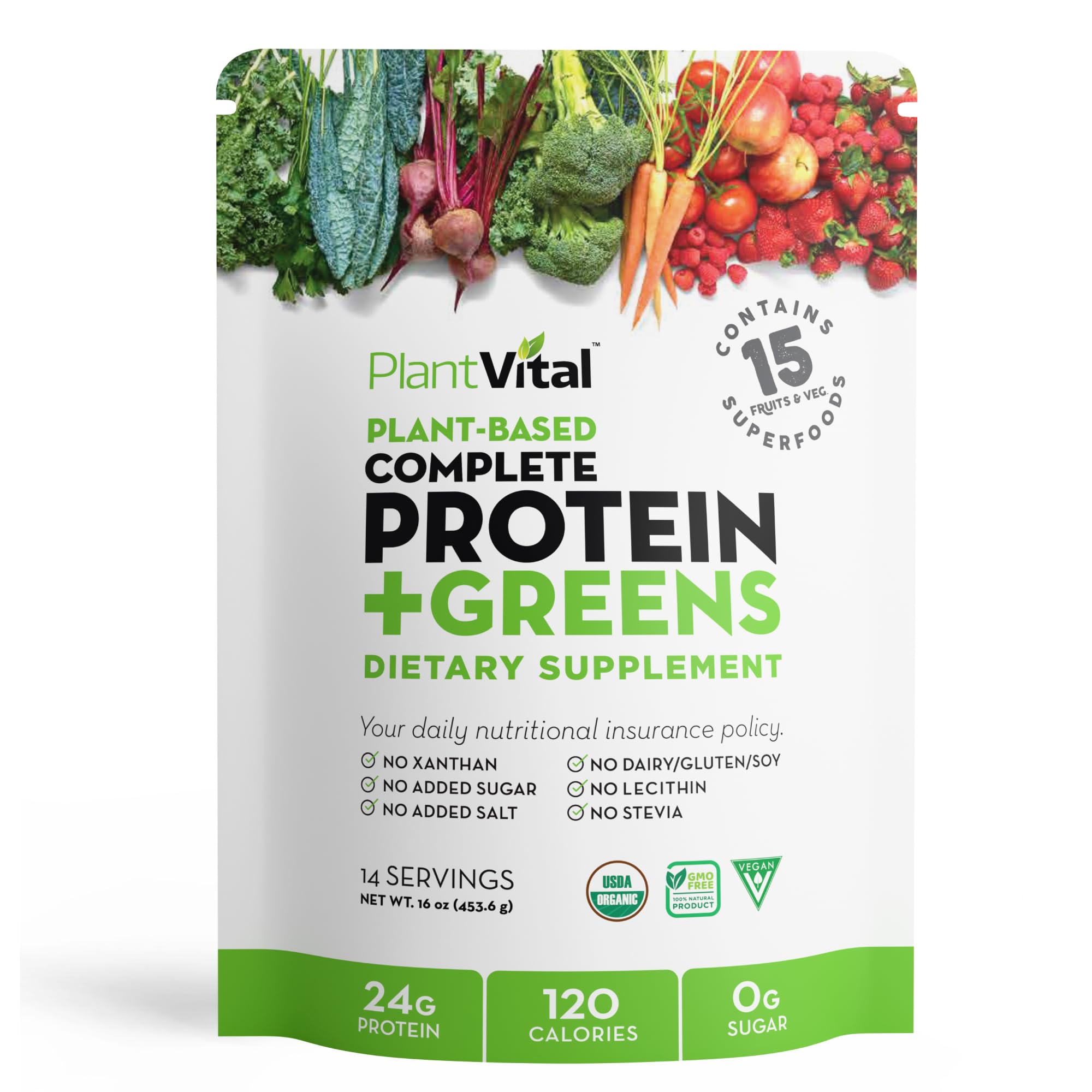
Plantvital takes a different approach by combining protein with a full greens supplement in one scoop. Each serving delivers 24 grams of organic plant-based protein plus a blend of 15 superfoods, vegetables, essential amino acids, and 1 billion CFU of probiotics. It is sugar-free, gluten-free, lactose-free, and soy-free, and the brand explicitly notes it is safe for pregnant and nursing women — a direct claim that not all powders make.
The unflavored format means no stevia, monk fruit, or any sweetener is added, which is a significant advantage for mothers looking to avoid all taste-altering additives. The protein blend supports steady energy, muscle recovery, and general postpartum nutrition without blood sugar fluctuations. The inclusion of B12 is also a thoughtful addition for nursing mothers, who have higher requirements for this vitamin.
The major drawback is the taste — or rather, the lack of it in a palatable sense. Unflavored plant proteins, especially those containing greens, have a naturally earthy, sometimes hay-like profile. Several users describe it as requiring strong masking agents like cocoa, banana, berries, or peanut butter to be drinkable. If you are willing to blend it into a smoothie and prioritize nutrient density over flavor, this is a powerful all-in-one option. If you expect to drink it solo with water, look elsewhere.
Why it’s great
- 24g protein plus 15 superfoods and greens in one serving.
- No sweeteners, fillers, or artificial additives of any kind.
- Explicitly labeled safe for pregnancy and breastfeeding.
Good to know
- Strong earthy taste requires blending with fruit to mask.
- Small 16-ounce pouch yields only about 14 servings.
- Texture can be gritty if not mixed in a blender bottle properly.
7. Vital Proteins Collagen Peptides Advanced Powder

While not a complete protein powder in the traditional sense — it provides 18 grams of collagen per serving rather than a full amino acid profile — Vital Proteins is included here because of its outstanding reputation for postpartum recovery and its compatibility with breastfeeding. The formula adds 120 mg of hyaluronic acid and 100% of the daily value of Vitamin C, both of which support skin elasticity, joint recovery, and tissue repair after childbirth.
The collagen is sourced from grass-fed, pasture-raised bovine hides and is hydrolyzed for easy digestion and absorption. It dissolves completely in both hot and cold liquids without any flavor or texture change, making it the easiest supplement to incorporate into your daily routine — stir it into your morning coffee, tea, or oatmeal without altering the taste. Many users report visible improvements in hair growth and thickness, nail strength, and reduced joint pain within weeks of consistent use.
The key limitation is that collagen is not a complete protein — it lacks sufficient tryptophan and isoleucine to fully meet your protein needs on its own. You should treat it as a targeted supplement for skin, hair, and joints rather than a primary protein source. It is also priced at a premium per serving, and some users find they need two servings daily for optimal results. For nursing mothers specifically focused on postpartum hair regrowth and skin recovery, this is a standout choice.
Why it’s great
- Dissolves completely in hot or cold liquids without flavor.
- Clinically backed ingredients for skin, hair, and joint recovery.
- Grass-fed, pasture-raised bovine source with no dairy or gluten.
Good to know
- Not a complete protein — use it alongside a full protein source.
- Premium pricing, especially if using twice-daily servings.
- Results for hair and nails typically take 4–8 weeks to appear.
FAQ
Can I take whey protein while breastfeeding?
How much protein do I need daily while breastfeeding?
Is collagen powder safe for breastfeeding?
What ingredients should I avoid in a protein powder while nursing?
Final Thoughts: The Verdict
For most users, the protein powder for breastfeeding winner is the Boobie Body Superfood Protein because it is the only product on this list that was designed from the ground up for lactation, with input from a certified lactation consultant and a clean, organic, zero-sugar formula. If you want the absolute highest purity and third-party testing assurance, grab the AGN Roots Grass Fed Whey Isolate. And for a budget-friendly, allergen-free plant-based option that blends easily into your daily routine, nothing beats the Orgain Organic Plant Based Protein Powder.