A soggy, oil-logged piece of fish isn’t just disappointing — it’s the direct result of choosing the wrong frying oil. A low smoke point causes the oil to break down before the fish crisps, while a heavy flavor masks the delicate taste of the fish itself. The right oil for the job delivers a shatteringly crisp crust and a clean, neutral taste that lets the fish shine.
I’m Mohammad Maruf — the founder and writer behind AirfryerBite. I’ve spent years analyzing the technical specs of cooking oils, from smoke point curves to fatty acid profiles, so you know exactly which bottle belongs in your pantry.
After comparing smoke points, flavor neutrality, and value for deep frying, this guide breaks down the top contenders for the best oil to fry fish so you can skip the guesswork and get perfectly crispy results every batch.
How To Choose The Best Oil To Fry Fish
Not every oil can handle the sustained 350-375°F heat required for a proper fish fry without burning or smoking. The top three factors — smoke point, flavor neutrality, and value per gallon — are what separate a great frying oil from a disaster.
Smoke Point: The Heat Ceiling
Any oil you use for deep frying fish must have a smoke point of at least 400°F. Oils with lower smoke points, like extra virgin olive oil, break down quickly at frying temperatures, producing off-flavors and harmful compounds. Refined oils like peanut, canola, grapeseed, and vegetable oil all cross this threshold comfortably.
Flavor Neutrality: Let the Fish Talk
The best oil for fried fish is one that doesn’t compete. Strongly flavored oils (sesame, unrefined coconut, extra virgin olive) will dominate the delicate taste of cod, haddock, catfish, or tilapia. A neutral-tasting oil gives you a clean canvas for your batter and seasoning.
Value and Reusability: Cost Per Fry
Fish frying typically requires several inches of oil in a pot or deep fryer — that’s a lot of volume. Buying larger bottles (gallon or 128 fl oz) lowers the cost per batch, and oils that can be filtered and reused make that investment go further. Oils with high oxidative stability, like peanut oil, are ideal for multiple uses.
Quick Comparison
On smaller screens, swipe sideways to see the full table.
| Model | Category | Best For | Key Spec | Amazon |
|---|---|---|---|---|
| Pompeian Grapeseed Oil | Premium Oil | Ultra-high smoke point frying | 510°F Smoke Point | Amazon |
| Amazon Grocery Peanut Oil | Mid-Range Oil | Crispy fish fry with reusability | 128 fl oz Gallon size | Amazon |
| Crisco Pure Canola Oil (2-Pack) | Mid-Range Oil | High-volume, neutral frying | 256 fl oz total | Amazon |
| Wesson Vegetable Oil | Budget Oil | All-purpose, affordable frying | 1.25 gal (160 fl oz) | Amazon |
| Iberia Canola Oil | Budget Oil | Small batch or one-off frying | 48 fl oz bottle | Amazon |
In-Depth Reviews
1. Pompeian 100% Grapeseed Oil
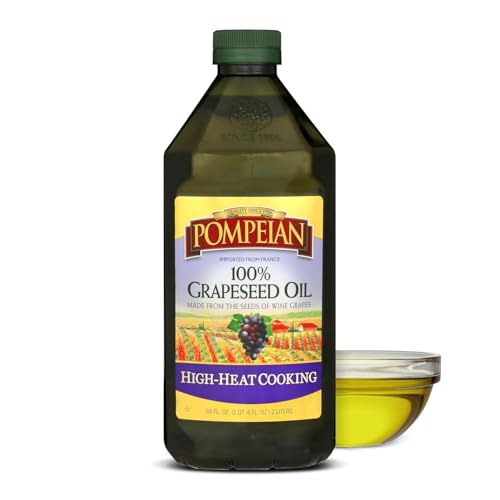
The Pompeian Grapeseed Oil is a standout choice for fish frying. Its smoke point of up to 510°F is one of the highest you’ll find in any neutral cooking oil, meaning it will never scorch or produce acrid smoke at standard deep-fry temperatures around 375°F. This gives you a wide safety margin even if you accidentally overshoot the heat during preheating.
In terms of flavor impact, this oil is remarkably light and subtle — almost invisible on the palate. That matters for fish because you want the natural sweetness of the cod or catfish to come through, not a lingering greasy aftertaste. Customers consistently call it a kitchen staple for high-heat cooking, cast iron care, and baking alike.
If you fry fish frequently, you may find yourself reaching for this bottle often. It’s non-GMO verified, kosher, and naturally gluten-free, which makes it suitable for households with dietary restrictions.
Why it’s great
- Exceptionally high 510°F smoke point prevents burning
- Very light, neutral taste doesn’t mask fish flavor
- Non-GMO verified and kosher certified
Good to know
- 68 fl oz is smaller than budget gallon options
- Grapeseed oil can be pricier per ounce than canola or peanut
2. Amazon Grocery Peanut Oil, 128 Fl Oz

Peanut oil is a traditional favorite for fish frying for good reason. It combines a high smoke point with a surprisingly neutral taste — far more muted than you’d expect from a nut-based oil. This refined peanut oil from Amazon Grocery delivers the crisp, non-greasy coating you want on fried fish without any nutty aftertaste interfering.
The 128 fluid ounce (one gallon) bottle is the perfect volume for deep frying. You can easily fill a large Dutch oven or countertop deep fryer without needing a second bottle. Customers note that because it’s a refined oil, the protein allergens responsible for peanut allergies are effectively removed, making it safer for households with mild peanut sensitivities.
Another big advantage of peanut oil is its reusability. After frying, you can filter the oil through a fine mesh strainer or cheesecloth to remove debris, store it in a cool dark place, and reuse it for another batch. This makes the per-fry cost much lower than it first appears. Reviewers also highlight how well the oil holds up without producing a burnt smell.
Why it’s great
- Full gallon size ideal for deep frying
- Refined, neutral taste enhances rather than masks fish
- Can be filtered and reused multiple times
Good to know
- Not suitable for anyone with diagnosed peanut allergies
- Plastic bottle can be heavy to pour when full
3. Crisco Pure Canola Oil, 1 Gallon (Pack of 2)
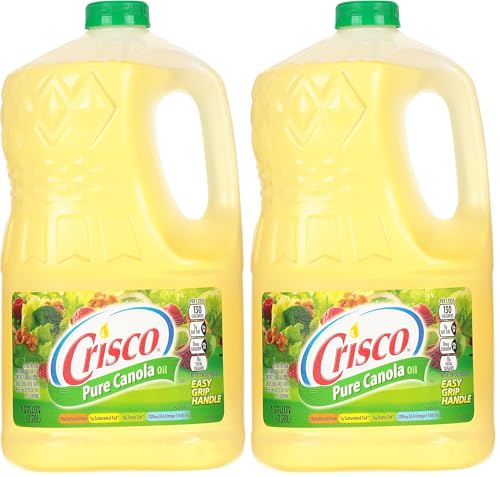
If you fry fish in large volumes — think family gatherings, fish fries, or meal-prepping portions for the week — the Crisco Canola Oil 2-pack is the volume champion. With two full gallons (256 fl oz total), you have enough oil for several successive batches without running to the store. Canola oil delivers a dependable smoke point around 400-420°F, perfectly adequate for deep frying fish.
The flavor profile of Crisco Pure Canola Oil is completely neutral. There is zero perceptible taste, so your seasoned batter or cornmeal coating does all the flavor work. It’s also cholesterol-free and contains 0g trans fat per serving, which makes it a cleaner option than some cheaper blended oils.
Customers praise this pack for beating grocery store prices by a meaningful margin. Arriving in two separate gallon jugs rather than one giant container makes storage easier — you can keep one in the pantry and one in reserve. Reviewers also note that the bottles are well-sealed and arrive without leaks, which is a practical concern for any liquid shipped in bulk.
Why it’s great
- Massive 256 fl oz total volume for heavy use
- Flavorless, clean taste for versatile frying
- Two separate jugs convenient for storage
Good to know
- Canola has a slightly lower smoke point than peanut or grapeseed
- Heavy package due to combined weight of both jugs
4. Pure Wesson Vegetable Oil, 1.25 gal

Wesson Vegetable Oil is the old-school all-purpose option that has been a pantry staple for generations. This 1.25 gallon size is a club-level quantity designed for frequent frying. Vegetable oil is typically a blend of soybean and/or canola oils, refined for a high smoke point that generally sits around 400-420°F — enough for fish frying without complaint.
The taste of Wesson Vegetable Oil is neutral, with no distinct character. It works well for fish, chicken, french fries, onion rings, and any batter-fried food where you don’t want the oil to shout over the seasoning. It contains zero grams of trans fat per serving and has no preservatives added, which appeals to those trying to avoid overly processed ingredients.
While vegetable oil is one of the most affordable options, it doesn’t have the same oxidative stability as peanut oil for repeated re-use. If you plan to fry fish once and discard the oil, this is a perfectly fine choice. But if you want to filter and re-use multiple times, peanut or grapeseed oil will last a bit longer before turning rancid.
Why it’s great
- Large 1.25 gal bottle excellent value for one-time frying
- Neutral flavor works across many fried foods
- No preservatives and zero trans fat
Good to know
- Less stable for multiple re-uses compared to peanut oil
- Blend composition may vary by batch
5. Iberia Canola Oil, 48 Ounce

Iberia Canola Oil is a straightforward, no-fuss option for the occasional fish fry. The 48 fluid ounce bottle is smaller than the gallon-sized contenders, making it a good entry-level purchase if you’re trying canola oil for the first time or if you only fry small portions. It has a neutral taste and a high heat tolerance, which are the two non-negotiable qualities for frying fish.
The oil is low in unsaturated fat and contains healthy omega-3 and omega-6 fatty acids, giving it a marginally better nutritional profile than some other frying oils. It works for grilling, sautéing, stir-frying, and salad dressings as well, so you can use the whole bottle even if you don’t fry fish every week.
One thing to note: a few customer reviews mention that the expiration date on the bottle can be relatively soon after purchase. If you buy this, check the date and plan to use it within a reasonable window. For small households that don’t go through oil quickly, that’s something to keep in mind. Otherwise, it’s a solid, affordable canola oil that performs exactly as advertised.
Why it’s great
- Compact bottle easy to store in small kitchens
- Neutral flavor suitable for all cooking uses
- Contains healthy omega fatty acids
Good to know
- 48 oz is small for multiple deep-fry batches
- Check expiration date as it may be close
FAQ
What is the best smoke point for frying fish?
Can I reuse oil after frying fish?
Final Thoughts: The Verdict
For most users, the best oil to fry fish winner is the Amazon Grocery Peanut Oil because it hits the sweet spot of a neutrally flavored, high-smoke-point oil in a full gallon that can be reused. If you want the absolute highest smoke point for worry-free frying, grab the Pompeian Grapeseed Oil. And for budget-conscious, high-volume frying where you plan to discard the oil after one use, nothing beats the Wesson Vegetable Oil.