Finding a protein shake that doesn’t trigger digestive distress is the real challenge when you’re lactose intolerant. Traditional whey protein is off the table, leaving you navigating a landscape of plant proteins, lactose-free milk isolates, and whole-food blends that can taste like cardboard — or worse, leave you bloated and gassy. The stakes are high: you need enough protein to support muscle recovery and satiety without the side effects that derail your day.
I’m Mohammad Maruf — the founder and writer behind AirfryerBite. I’ve analyzed the ingredient labels, protein sourcing, sugar profiles, and digestive compatibility of dozens of lactose-free protein shakes to separate the truly stomach-friendly formulas from the marketing hype.
After reviewing the top contenders, these are the seven formulas that offer real protein density, clean ingredients, and proven tolerance for sensitive guts. Whether you need a grab-and-go bottle or a versatile powder, this guide to the best protein shake for lactose intolerance covers your options.
How To Choose The Best Protein Shake For Lactose Intolerance
The core job of a lactose-free protein shake is to deliver a meaningful protein dose — typically 20 to 26 grams per serving — without triggering the bloating, cramping, or gas that comes from undigested lactose. Three main formulation approaches dominate this category, and each has trade-offs in taste, texture, and cost.
Plant-Based Protein Blends: Pea, Brown Rice, and Pumpkin
Most lactose-free shakes rely on a blend of plant proteins to create a complete amino acid profile. Pea protein isolate is the workhorse here — it offers solid leucine content for muscle synthesis and a smooth texture when properly emulsified. Brown rice protein fills in the methionine gap that pea protein lacks. The best blends also include pumpkin seed or chia protein for added fiber and mineral density. Watch out for gritty textures; high-quality plant shakes use micro-grinding or cold-processing to avoid chalkiness.
Lactose-Free Milk Protein: Ultrafiltrated Dairy
If you tolerate dairy proteins but not the lactose enzyme, ultrafiltered milk opens up a different path. This process physically strains out lactose molecules, leaving behind concentrated casein and whey proteins that are naturally lactose-free. The result is a shake that tastes much closer to traditional chocolate milk but with only a trace of sugar. These drinks are shelf-stable and require no refrigeration until opened, making them a strong option for on-the-go use. The trade-off is a thinner mouthfeel compared to plant-based emulsifiers.
Whole-Food and Multi-Source Animal Proteins
A less common but effective approach uses a blend of animal proteins from beef, chicken, salmon, and egg whites, combined with plant proteins for completeness. These whole-food blends avoid all dairy ingredients by definition, and they provide a diverse amino acid profile that mimics a full meal. The texture tends to be thicker, and the flavor profiles are more savory. These are premium-priced but are the best option for anyone who reacts to even trace amounts of pea or soy protein.
Quick Comparison
On smaller screens, swipe sideways to see the full table.
| Model | Category | Best For | Key Spec | Amazon |
|---|---|---|---|---|
| Premier Protein Non-Dairy Almondmilk Shake | Ready-to-Drink | On-the-go convenience, mild taste | 20g Plant Protein, 160 cal, 5g Sugar | Amazon |
| Orgain Organic Vegan Protein Powder | Powder | Budget-friendly, high fiber | 21g Plant Protein, 6g Prebiotic Fiber, Organic | Amazon |
| Slate Milk Classic Chocolate | Ready-to-Drink | Real milk taste without lactose | 20g Milk Protein, 1g Sugar, 100 cal | Amazon |
| OWYN High Protein Shake (Vanilla) | Ready-to-Drink | Zero sugar, allergen-friendly | 26g Plant Protein, 0g Sugar, 3g Fiber | Amazon |
| REDCON1 MRE LITE (Vanilla Milkshake) | Powder | Whole-food animal protein variety | 26g Protein, 1g Carb, Beef/Salmon/Egg | Amazon |
| Koia Plant Based Protein Shake (Cacao Bean) | Ready-to-Drink | Complete nutrition, digestive support | 20g Plant Protein, 6g Prebiotic Fiber | Amazon |
| Nutricost Organic Pea Protein Isolate (Unflavored) | Powder | Clean, unflavored base for smoothies | 20g Pea Protein per scoop, 5lb Tub | Amazon |
In‑Depth Reviews
1. Premier Protein Non-Dairy Plant Based Almondmilk Protein Shake (Chocolate)
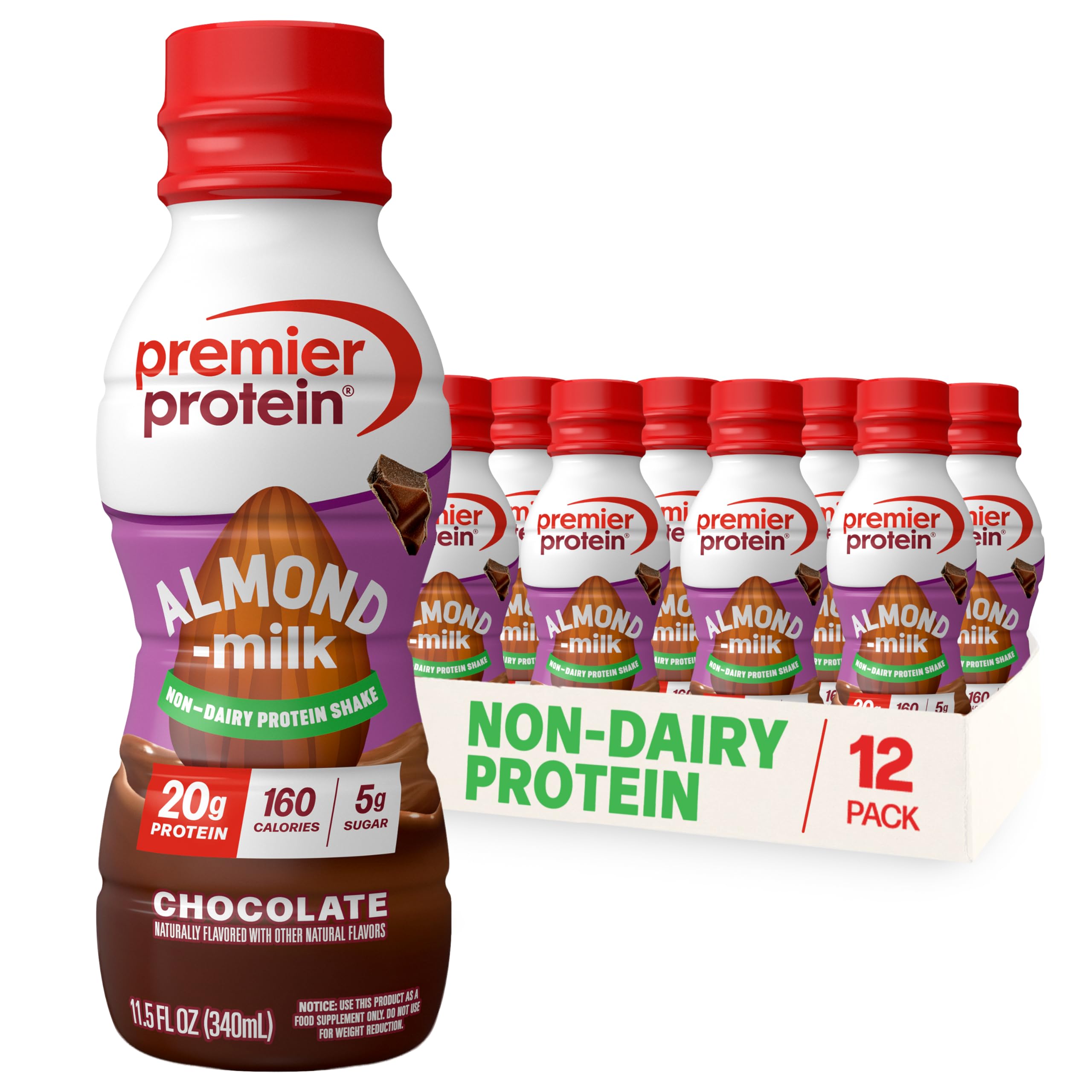
Premier Protein’s non-dairy entry swaps whey for almondmilk and plant protein, delivering 20 grams of protein in a ready-to-drink 11.5-ounce bottle that requires no mixing. At 160 calories and 5 grams of sugar, it leans toward the lighter side of the category — no heavy creaminess, just a clean cocoa flavor that customers describe as “no aftertaste” and “not thick in texture.” The absence of artificial flavors, colors, and sweeteners keeps the ingredient panel short and clean for sensitive stomachs.
Multiple verified buyers with lactose intolerance report zero digestive upset, and several note that the texture is slightly grainy unless served ice-cold. The three-flavor lineup (Chocolate, Vanilla, Coffee) provides variety, though availability at local retailers is inconsistent — buying by the 12-pack case on Amazon solves that issue entirely. The slim bottle fits car cup holders, making it a practical post-gym or breakfast-on-the-run option.
The biggest criticism centers on perceived value: at a mid-range price for a ready-to-drink shake, some buyers feel it’s expensive compared to powder alternatives. However, the convenience of zero prep and confirmed gastrointestinal tolerance makes it a strong candidate for anyone new to non-dairy shakes who wants to test the waters without commitment to a bulk powder tub.
Why it’s great
- Convenient RTD bottle, no mixing required
- Clean ingredient list with no artificial sweeteners
- Verified digestive tolerance from lactose intolerant users
Good to know
- Can have a slightly grainy texture if not served cold
- Higher sugar content (5g) than some other non-dairy options
- Price per bottle is higher than powder-based alternatives
2. REDCON1 MRE LITE Whole Food Protein Powder (Vanilla Milkshake)
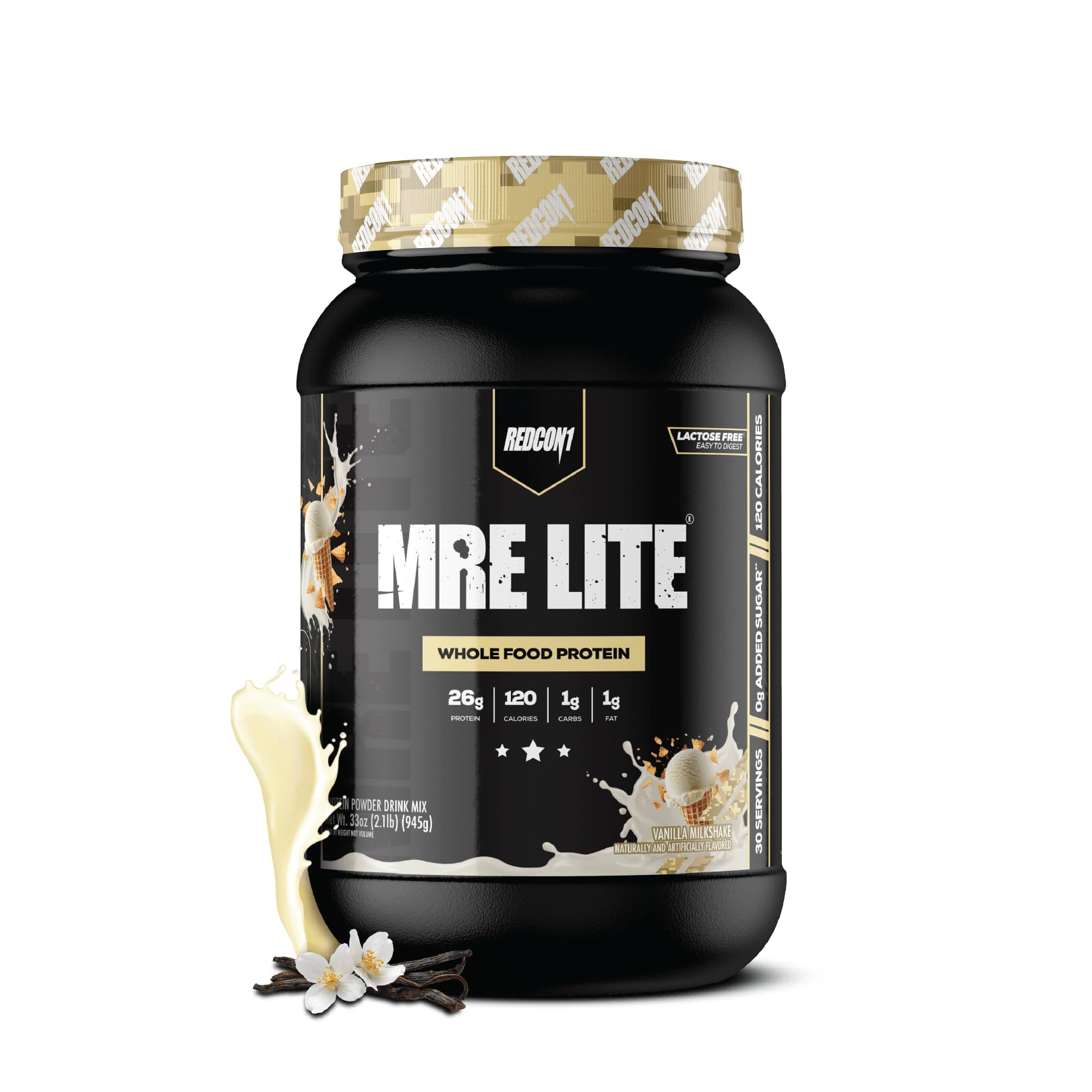
REDCON1 takes a fundamentally different approach by sourcing protein from beef, salmon, chicken, egg, brown rice, and pea — a whole-food multi-source blend that avoids dairy entirely. Each serving delivers 26 grams of protein with only 1 gram of carbohydrate and zero sugar, making it one of the lowest-carb options in this review. The formula is engineered for those who need macronutrient precision alongside lactose-free assurance.
Customer feedback highlights the Vanilla Milkshake flavor as genuinely enjoyable, though a minority of users find the sweetness level overwhelming when mixed with coffee or yogurt. Mixability requires attention: reviewers recommend using extra water or blending with a shaker to avoid chunkiness. When prepared correctly, the texture is smooth, and several long-term users call it their “favorite protein powder” for energy and digestion.
At a premium price point for a 30-serving tub, this is an investment for serious athletes or meal-preppers who want a powder that can double as a creamer substitute in tea or a protein bite base. The transparent label listing actual food sources rather than isolated fractions appeals to buyers who prioritize whole-food nutrition over processing convenience.
Why it’s great
- Multi-source whole food protein with diverse amino acid profile
- Extremely low carb (1g) and zero sugar
- Versatile for shakes, baking, or as a coffee creamer
Good to know
- Can clump if not mixed with enough liquid
- Vanilla Milkshake flavor may be too sweet for some
- Premium price per serving compared to single-source powders
3. Orgain Organic Vegan Protein Powder (Creamy Chocolate Fudge)
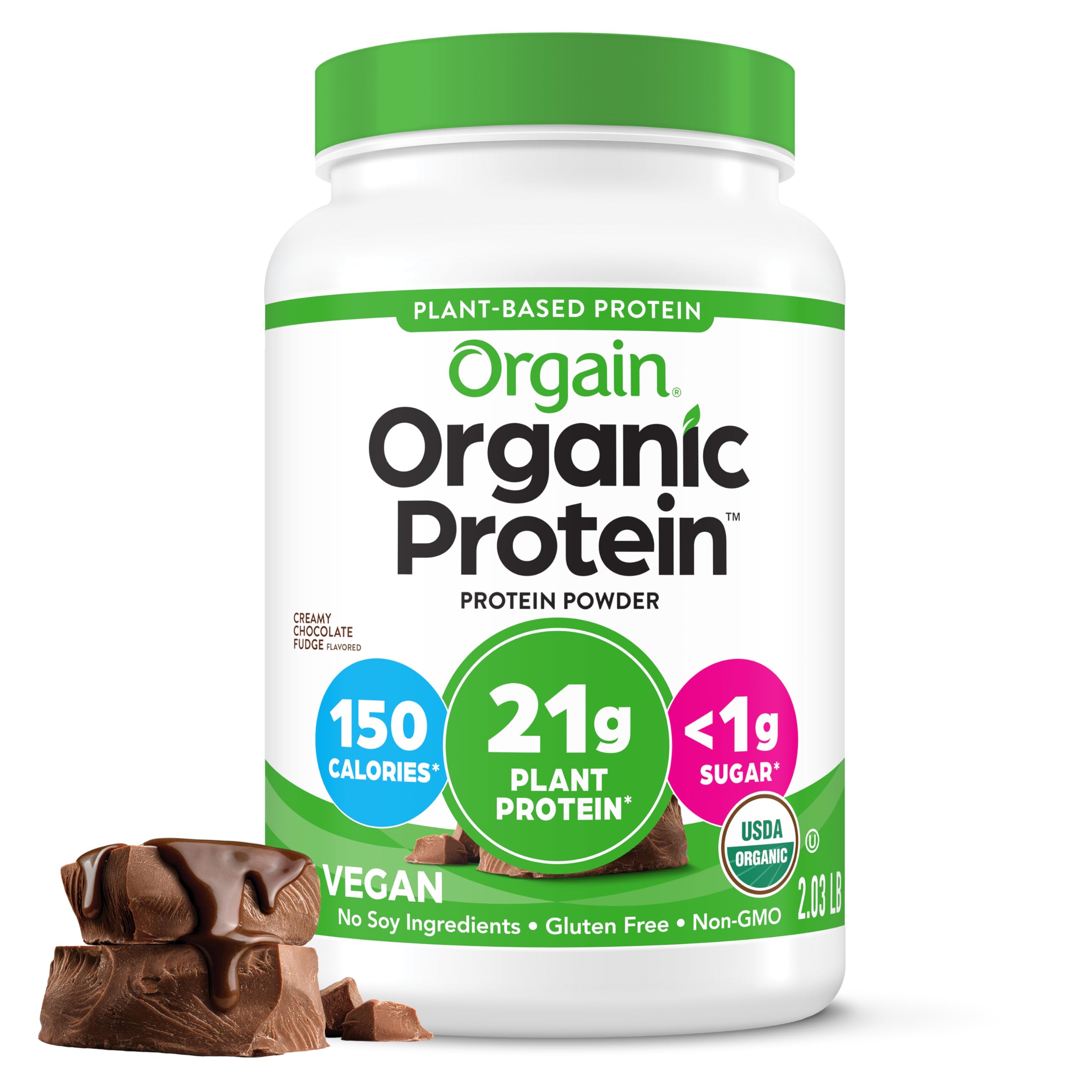
Orgain’s Organic Vegan Protein Powder is a budget-friendly workhorse that has been a staple in the plant protein category since 2014. The Creamy Chocolate Fudge flavor uses a blend of organic pea, brown rice, and chia seed protein to hit 21 grams per two-scoop serving, with the added digestive bonus of 6 grams of prebiotic fiber. At 150 calories per serving and zero added sugar, it fits cleanly into moderate-calorie meal plans.
Verified buyers consistently note excellent mixability with almond milk or oat milk, describing the texture as “creamy” and “no grit.” The slight chalkiness mentioned by some is characteristic of pea-based protein blends, but reviewers say it contributes to a satisfying creaminess rather than an unpleasant mouthfeel. The stevia-based sweetness avoids the bitter aftertaste that plagues many stevia-sweetened competitors. Multiple users confirm zero stomach issues despite lactose intolerance, including those with IBS.
The biggest practical consideration is the 20-serving count per 2.03-pound tub, which means a heavier up-front cost for a tub that goes through quickly if you use a full two-scoop serving daily. For the price, the ingredient transparency — USDA Organic, non-GMO, gluten-free, no carrageenan — and the confirmation of digestive comfort make this the best entry point for anyone switching from whey to plant-based protein.
Why it’s great
- Excellent value for a certified organic, multi-source plant protein
- 6g prebiotic fiber supports digestive health
- Zero reported digestive issues across verified reviews
Good to know
- 20 servings per tub — requires frequent repurchase for daily use
- Chalky texture noticeable if mixed with water only
- Scoop tends to be buried deep in the powder
4. Koia Plant Based Protein Shake (Cacao Bean)

Koia’s Cacao Bean ready-to-drink shake distinguishes itself with a smooth, creamy texture that rivals dairy-based shakes, achieved through a brown rice, pea, and chickpea protein blend. Each 11-ounce bottle provides 20 grams of complete plant protein, 6 grams of prebiotic dietary fiber, and 21 vitamins and minerals, positioning it as a full meal replacement rather than just a protein supplement. At 3 grams of sugar and 180 calories, it balances nutrition density with digestive comfort.
Long-term users returning for years cite Koia as the only prepared shake that doesn’t trigger stomach issues, with some using it daily as a breakfast and post-gym staple. The Cacao Bean flavor is widely considered the best in the Koia lineup — richer and less watery than the Vanilla variant. The shelf-stable packaging is a practical advantage for stashing in a gym bag or desk drawer without refrigeration, though customers universally recommend serving it chilled for optimal taste.
The premium price per case is the main friction point, with even strong advocates noting that the cost limits how often they can use it. Autoship discounts help offset this, but the per-bottle cost is higher than mixing a powder. For those willing to pay for convenience and confirmed digestive compatibility, Koia offers the most complete nutritional package in the RTD segment.
Why it’s great
- Smooth, creamy texture with no chalky residue
- Complete nutrition with 21 vitamins and minerals
- Backed by years of daily use from lactose intolerant customers
Good to know
- Premium price per case compared to powder options
- Cacao Bean flavor is best — Vanilla is less popular
- Refrigeration is recommended for best taste, despite shelf-stability
5. OWYN Only What You Need High Protein Shake (Vanilla)
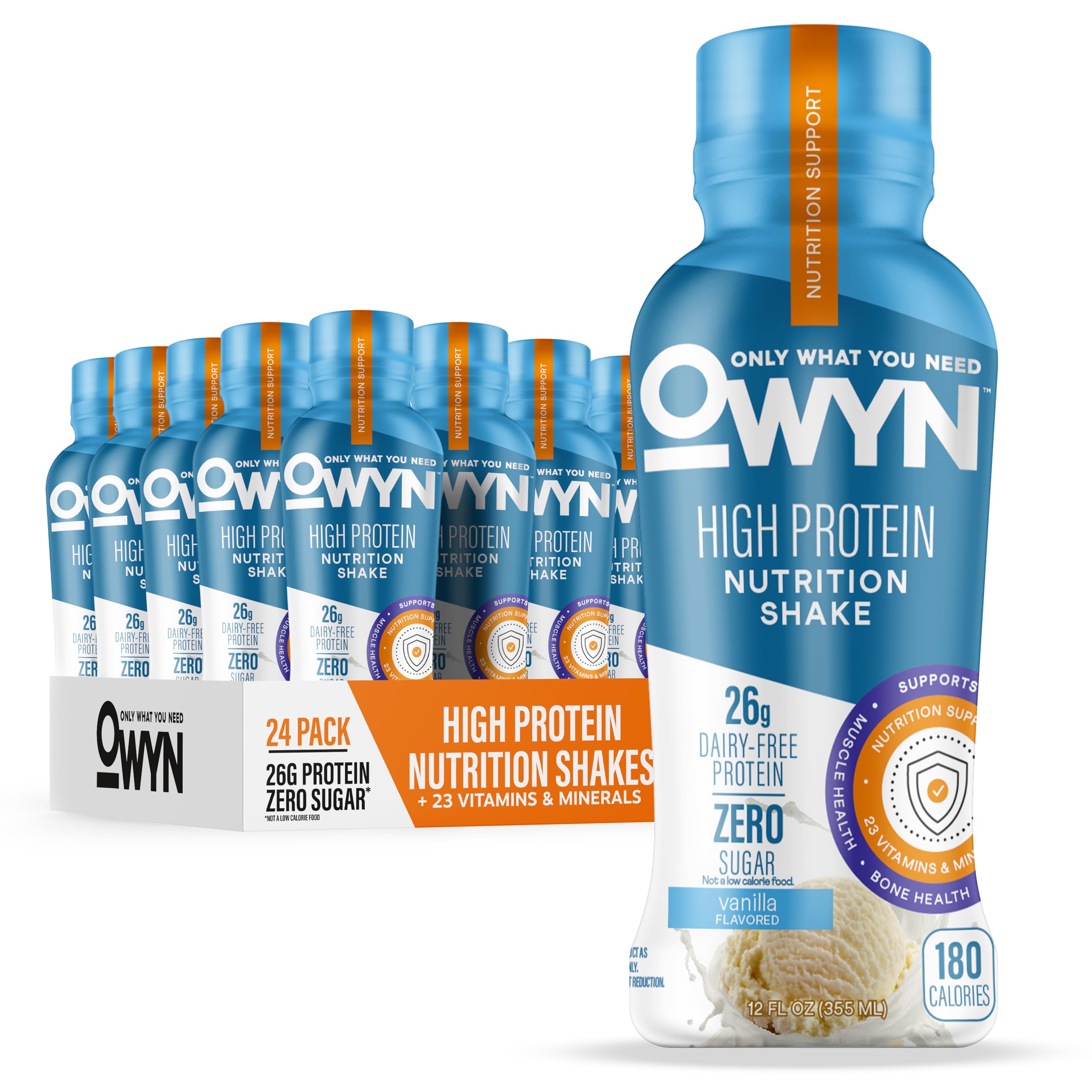
OWYN (Only What You Need) delivers the highest protein count in the RTD category with 26 grams per bottle, using a plant protein blend of pea, pumpkin seed, and flaxseed oil. The standout feature is zero grams of sugar — sweetened entirely with monk fruit, avoiding both artificial sweeteners and sugar alcohols that can cause their own digestive distress. Each bottle also packs 3 grams of fiber and 23 vitamins and minerals, making it a functional meal replacement for active lifestyles.
Verified reviews consistently describe the Vanilla flavor as “smooth and creamy” with no chalky or bitter aftertaste, a common complaint in zero-sugar protein drinks. Multiple users report that it blends exceptionally well into iced coffee and matcha lattes, effectively serving as a protein-infused creamer. The new bottle formulation improved upon the original recipe, with several customers noting the taste now resembles cake batter when added to milk. IBS sufferers specifically confirm the shake is easy on the stomach.
The premium per-case pricing is the primary barrier — loyal buyers recommend watching for sales and using subscribe-and-save to bring the cost down. The 12-count pack is practical for someone who wants a grab-and-go shake for weekday mornings without the cleanup of a powder blender bottle. If zero sugar is your non-negotiable, OWYN is the strongest RTD option available.
Why it’s great
- Highest protein count (26g) among the RTD picks
- Zero sugar with monk fruit sweetness — no aftertaste
- Allergen-friendly, free of top 9 allergens
Good to know
- Premium price point; best value found on subscription
- Vanilla flavor is great, but chocolate variant is also available
- New bottle formula improved taste significantly
6. Slate Milk Classic Chocolate (Lactose Free)
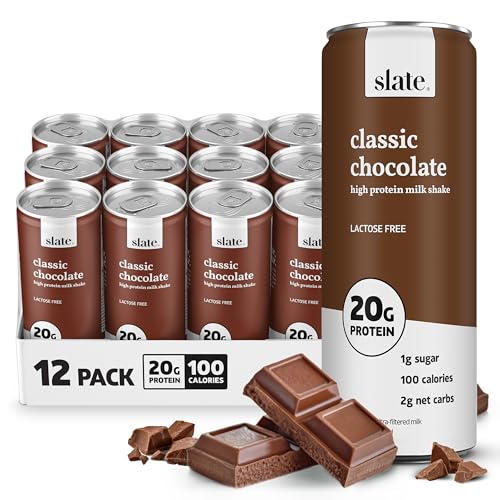
Slate Milk takes a fundamentally different path from the plant-based options by using ultrafiltered real milk with the lactose physically removed. The result is a shake that tastes distinctly like chocolate milk — not like a protein shake — with 20 grams of naturally occurring milk protein, just 1 gram of sugar, and 100 calories per 11-ounce can. The ultrafiltration process concentrates the protein while stripping out the lactose and some water, producing a texture that is thinner than plant-based emulsifiers but refreshingly authentic.
Customers consistently describe the flavor as “tastes like chocolate milk, not a protein shake” and appreciate the lack of chalky or metallic aftertaste that plagues many alternative formulations. The cans are shelf-stable and require no refrigeration until opened, making them easy to store in bulk. Several reviewers use Slate as a base for iced coffee or blend it with additional milk to get a creamier texture, noting the chocolate flavor has a pleasant cocoa-puff cereal quality.
The primary drawback is the cost — at a premium for a 12-can pack, the per-serving price is higher than even many other RTD options. A few customers also note that the chocolate flavor can settle, requiring a shake before drinking, and the texture is slightly less creamy than they prefer. For anyone who misses the taste of real milk but can’t tolerate lactose, Slate offers the closest experience to a classic chocolate milk without the digestive fallout.
Why it’s great
- Ultrafiltered real milk with lactose removed — genuine milk taste
- Only 100 calories and 1g sugar per can
- Shelf-stable packaging for easy storage
Good to know
- Premium price point compared to many RTD alternatives
- Texture is thinner than plant-based shakes; best served cold
- Chocolate flavor can settle at the bottom — always shake first
7. Nutricost Organic Pea Protein Isolate Powder (Unflavored)

Nutricost’s Organic Pea Protein Isolate is the most minimalist entry: a single-ingredient, unflavored, certified organic pea protein powder with no sweeteners, flavors, or additives. Each scoop delivers 20 grams of protein from pea isolate, making it the cleanest option for anyone who wants total control over what goes into their shake. The 5-pound tub provides roughly 113 servings, offering the lowest cost-per-gram of protein in this review.
Buyers who appreciate simplicity rate this highly, mixing it into water, almond milk, or smoothies without worrying about hidden allergens. The unflavored powder has a mild pea taste that fades after the first few uses, and it dissolves reasonably well with a shaker bottle or frother. Several customers add stevia, banana, or peanut butter to create customized flavor profiles without the additives found in flavored blends. The secure screw cap and large bucket format make it practical for daily use.
The downsides are texture and mess: the fine powder can puff out of the scoop when measured, and mixing with water alone produces a thin, chalky consistency that some describe as “like flour.” This is not a ready-to-drink solution — it requires effort and additional ingredients to become palatable. For purists, meal preppers, or budget-focused users who don’t mind mixing, this provides the highest value per gram of organic, lactose-free protein available.
Why it’s great
- Single-ingredient organic pea protein isolate — nothing hidden
- Massive 5-pound tub offers lowest cost per serving
- No digestive issues reported by lactose intolerant users
Good to know
- Unflavored — requires additional ingredients for taste
- Fine powder is messy and can puff out during scooping
- Texture is thin and chalky if mixed with water alone
FAQ
Can I drink whey protein if I am lactose intolerant?
Will 20 grams of protein per shake be enough for muscle recovery?
Are “lactose-free” milk protein shakes safe for severe dairy allergies?
Should I be concerned about added fiber in a protein shake?
Final Thoughts: The Verdict
For most users, the protein shake for lactose intolerance winner is the Premier Protein Non-Dairy Almondmilk Shake because it combines reliable digestive tolerance, convenient ready-to-drink packaging, and a clean ingredient profile without artificial flavors or sweeteners. If you want the highest protein density and lowest carbs, grab the REDCON1 MRE LITE. And for the best value and cleanest ingredient list, nothing beats the Orgain Organic Vegan Protein Powder.