Powders labeled “ceremonial” and “culinary” crowd the shelves, yet the gap between vibrant, sweet-umami sipping matcha and a bitter, muddy powder is vast. The difference comes down to harvest, cultivar, and the precision of stone-grinding — not just the price tag. This guide cuts through the marketing to find the best tasting matcha powder that delivers a smooth, flavorful cup every time.
I’m Mohammad Maruf — the founder and writer behind AirfryerBite. I’ve spent months analyzing customer reviews, sourcing details, and technical specifications of Japanese green tea powders to identify the products that consistently deliver on flavor and purity.
Whether you’re switching from coffee or deepening your tea ritual, finding a powder that blends without clumps and tastes naturally sweet is essential. This review of the best tasting matcha powder will help you skip the trial and error.
How To Choose The Best Tasting Matcha Powder
The path to a delicious cup begins with understanding three pillars: grade, harvest timing, and origin. A powder that looks vibrant green in the tin but tastes harsh or astringent is a clear sign of poor processing or an older harvest.
Ceremonial vs. Culinary Grade
Ceremonial grade uses the youngest, most tender leaves, stone-ground into an ultra-fine powder with a naturally sweet, creamy umami profile. This is the standard for straight drinking. Culinary grade, while still authentic, uses slightly older leaves that produce a bolder, sometimes more bitter flavor, making it better suited for lattes, smoothies, and baking where milk or sugar masks the edge.
First Harvest vs. Second Harvest
First harvest (ichibancha) leaves are picked in the spring, yielding the highest concentration of L-theanine and chlorophyll. This translates to a smoother, less astringent taste with a rich umami finish. Second harvest (nibancha) leaves have a more pronounced astringency and a slightly yellower color, often requiring more whisking to dissolve. For pure sipping enjoyment, first harvest is the benchmark.
Cultivar and Origin
The specific tea plant varietal (cultivar) dramatically shapes flavor. Okumidori and Samidori cultivars are prized for their deep umami and nutty notes. The Gokou cultivar, rare and highly valued, brings natural sweetness and a velvety texture. Regions like Uji, Kagoshima, and Shizuoka in Japan produce distinct terroir-driven profiles. Single-origin blends tend to offer more complexity and consistency than mass-produced mixes.
Quick Comparison
On smaller screens, swipe sideways to see the full table.
| Model | Category | Best For | Key Spec | Amazon |
|---|---|---|---|---|
| Midori Spring Gold No.2 | Ceremonial | Nutty, toasty lattes | 5-cultivar blend (Okumidori, Samidori) | Amazon |
| Jade Leaf Culinary | Culinary | Lattes & baking value | 100g resealable pouch | Amazon |
| FKRO Tea Master’s | Ceremonial | True ceremonial sipping | Asanoka & Okumidori cultivars | Amazon |
| Ocha & Co. Shizuoka | Ceremonial | Deep umami with Gokou | 100g, Gokou single-cultivar | Amazon |
| DoMatcha Summer Harvest | Latte | Consistent daily lattes | 2.82 oz, second harvest | Amazon |
In‑Depth Reviews
1. Ocha & Co. Shizuoka Organic Matcha
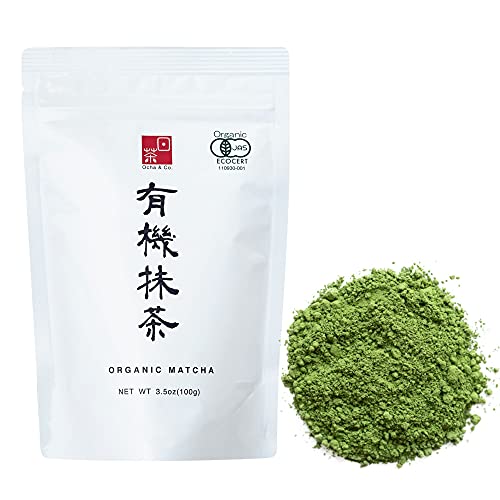
This is matcha for the purist. Ocha & Co. sources from a single farm in Shizuoka and uses the rare Gokou cultivar, known for its naturally sweet, deep umami character. The 100g bag yields about 50 servings of either usucha or a rich latte, and its 3.5-ounce package dimensions allow easy storage. Users consistently describe the color as a vibrant, lush green with an aroma resembling fresh toasted nori, and the taste as mellow with smooth, vegetal notes — never bitter.
What sets this apart is its transparency. The matcha is ECO JAS Organic certified and is shipped weekly in small batches directly from the Shizuoka farm to preserve freshness. Customer reviews highlight that it mixes easily for both tea and latte, froths creamy, and provides a balanced caffeine lift without jitters. One long-time user noted it was the best tasting matcha they’d found that is also free of lead and heavy metals.
For anyone serious about a clean, naturally sweet cup, this is the gold standard. The price per gram is competitive for ceremonial grade, but the value is in the flavor profile: you get the rare complexity of a single-cultivar without any astringency. It’s an ideal entry point for someone wanting to explore what premium matcha truly tastes like.
Why it’s great
- Rare Gokou single-cultivar for deep, natural sweetness.
- Weekly fresh shipments from the Shizuoka farm.
- JAS Organic certified with transparent sourcing.
- Smooth, vegetal, and never bitter.
Good to know
- Slightly higher astringency than the nuttiest blends.
- Strong caffeine content; sensitive users should stick to 2g.
2. FKRO Tea Master’s Organic Ceremonial Grade Matcha
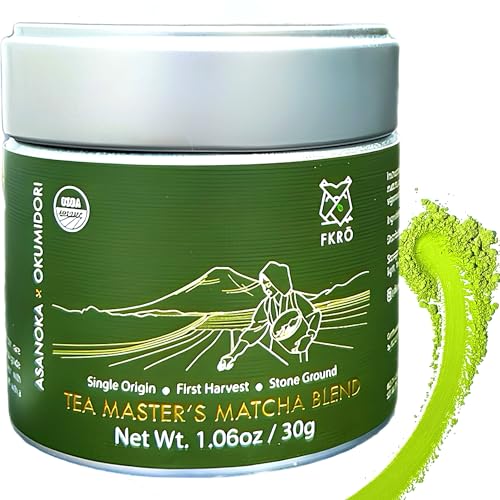
FKRO brings a tea master’s precision to the everyday cup. This blend uses the rarest Asanoka and Okumidori cultivars from the Nishi family farm in Kagoshima, creating a flavor profile that reviewers describe as nutty and rounded, with hints of nori, sweet potato, and chestnut. The 1.06-ounce tin is a standard size for ceremonial practice, and the powder is stone-ground in small batches for maximum freshness.
The quality is immediately apparent: the powder shows a deep green color and a fine, silky texture. Customer reviews consistently praise its smooth, balanced flavor with a mild grassy note — never bitter. One user called it the most delicious at-home matcha they’d ever tried, highlighting the clean ingredients and high energy without jitters. The 30g size is perfect for someone who wants to drink ceremonial grade daily without committing to a larger bag.
If you want a true ceremonial sipping experience that offers complex flavor at an accessible price point, this is your choice. The tea master blend by Sakuya-san, a 58th National Tea Appraisal champion, adds a layer of authenticity that cheaper blends cannot match.
Why it’s great
- Expert blend by a national tea appraisal champion.
- Nutty, chestnut-forward flavor profile.
- Smooth, frothy, and easy to whisk.
- USDA certified organic, single-origin.
Good to know
- Smaller 30g tin may require more frequent reordering.
- Mild grassy note may not suit those who prefer very sweet matcha.
3. Jade Leaf Matcha Organic Culinary Grade

Jade Leaf is the workhorse matcha for daily lattes and baking. The 100g resealable pouch is designed for volume, providing approximately 50 full-sized lattes. It is sourced from Uji and Kagoshima, using a blend of Okumidori, Hoshun, Okuyutaka, and Yabukita cultivars. Customer reviews note that it has a rich flavor without bitterness, mixes easily without clumps, and has a vibrant color that works well in smoothies, pancakes, and baked goods.
This is a culinary grade, meaning it is not the ideal choice for straight ceremonial drinking. Several reviewers specifically mention using it with almond milk for a tasty latte, and there is consistent feedback that it is a good value for the price per cup. The packaging is a simple pouch, not a tin, so storing it in an airtight container in the refrigerator after opening is recommended for peak freshness.
For the person who consumes matcha daily in lattes, this is the smartest buy on the list. The per-serving cost is very low, and the quality is far superior to grocery store brands. Just don’t expect the same delicate umami as a ceremonial grade — this is about dependable flavor and convenience.
Why it’s great
- Excellent value for high-volume latte drinkers.
- Resealable pouch for easy daily use.
- Rich flavor without bitterness or aftertaste.
- Versatile for both beverages and baking.
Good to know
- Culinary grade — not ideal for straight drinking.
- Pouch packaging is less air-tight than a tin.
4. Midori Spring Gold No.2 Ceremonial Grade
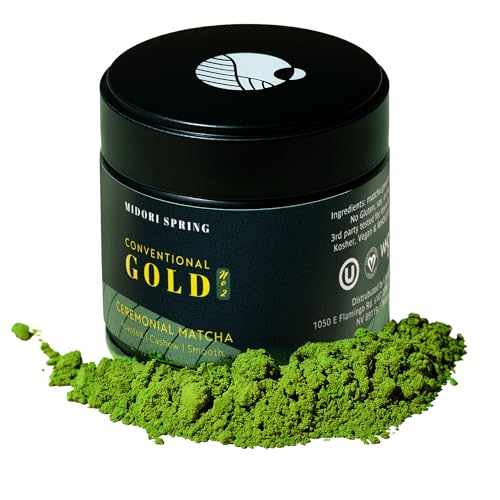
Midori Spring Gold No.2 offers a completely unique roasted flavor profile in the ceremonial category. The maker uses a longer roasting process for the tencha leaves, producing a nutty, toasty taste with hints of umami that is more approachable than traditional matcha. The 2.4-ounce package is small but potent, and the blend includes five cultivars — Okumidori, Samidori, Kanayamidori, Yabukita, and Sayamakaori — from Kyoto prefecture farms.
Customer reviews are very consistent: they describe the color as vibrant green, the texture as silky, and the taste as bold, nutty, and creamy with low bitterness. One reviewer who switched from coffee reported no withdrawal, better focus, and no jitters or crash. Another compared it to other brands and confirmed that Japanese ceremonial matchas like this one are dramatically smoother and less earthy than Chinese alternatives.
If you find traditional matcha too grassy or sharp, this nutty, toasty blend is a must-try. It works exceptionally well for both hot preparation and cold brew, and it has enough character to drink straight without milk.
Why it’s great
- Unique roasted/nutty flavor profile.
- 5-cultivar blend from Kyoto for complexity.
- Vegan, Kosher, and third-party lab tested for purity.
- Very low bitterness and astringency.
Good to know
- Smaller package size (2.4 oz).
- Nutty taste may not suit those who prefer pure, grassy umami.
5. DoMatcha Organic Summer Harvest Matcha

DoMatcha is a brand with a loyal following that spans over a decade. This Summer Harvest powder is a second harvest blend, designed specifically for latte and culinary applications. The 2.82-ounce tin is sturdy and resealable, and the powder itself is described as having a brilliant emerald color. Reviews note that it has a more pungent, grassy flavor compared to first harvest matchas, which makes it ideal for mixing with milk or sweeteners.
Long-time users swear by the consistency. One reviewer mentioned drinking it every morning for over 15 years, taking it on vacations. Another noted that while it is not as delicate as a first harvest, it is consistently creamy, rich, and frothy when whisked properly. A minority of reviewers found it too bitter for straight drinking, confirming its best use is in lattes or smoothies.
If you want a reliable, organic matcha that has a proven track record for daily latte making, DoMatcha delivers. It is not the most delicate flavor, but its dependability and vibrant color make it a safe, repeat purchase.
Why it’s great
- Consistent quality for over a decade of production.
- Sturdy, resealable tin for long-term storage.
- Rich, frothy, and creamy for lattes.
- Organic and free from artificial additives.
Good to know
- Second harvest — more pungent, less delicate than first harvest.
- Best used with milk or sweetener, not for straight sipping.
FAQ
Does a higher price always mean better taste in matcha powder?
What is the ideal particle size for a smooth tasting matcha?
Can I use culinary grade matcha for a traditional tea ceremony?
Final Thoughts: The Verdict
For most users, the best tasting matcha powder winner is the Ocha & Co. Shizuoka Organic Matcha because it delivers the rarest single-cultivar (Gokou) flavor profile with genuine sweetness and zero bitterness. If you want a nutty, toasty sipping experience, grab the Midori Spring Gold No.2. And for affordable daily lattes on a budget, nothing beats the value of the Jade Leaf Matcha Organic Culinary Grade.