Every gram of protein matters when you are tracking macros, but most tubs are loaded with sucralose, stevia, or artificial flavors that wreck the taste of your coffee or oatmeal. You need a clean slate — a powder that adds protein density without dictating what your food should taste like. That is the entire point of sticking with unflavored and unsweetened formulas.
I’m Mohammad Maruf — the founder and writer behind AirfryerBite. I have spent years cross-referencing nutritional panels, analyzing amino acid profiles, and verifying third-party testing claims to find which tubs deliver on purity without off-putting textures.
The market is full of hidden sugars and chemical aftertastes, so finding the right container requires understanding a few key specs. This guide breaks down the seven top contenders for the best unsweetened protein powder based on protein density, ingredient transparency, mixability, and digestive comfort.
How To Choose The Best Unsweetened Protein Powder
When you strip away flavoring and sweeteners, the quality of the raw protein becomes the only variable that matters. A truly unsweetened powder exposes every texture flaw and every processing shortcut. You have to look beyond the front label and dig into the source, the processing temperature, and the amino acid completeness.
Protein Source: Whey vs. Plant vs. Blend
Whey isolate powders generally mix the clearest and have the mildest taste profile, but they are dairy-based. Pea protein offers a complete amino acid profile for vegans but often carries a distinct earthy note and a grittier texture. A multi-source plant blend, like pea with pumpkin or chia, can round out the flavor and improve solubility without requiring sweeteners. Your choice depends entirely on whether you tolerate dairy and how you plan to use the powder — stirred into water, blended into a smoothie, or baked into goods.
Ingredient List Length and Additives
An unsweetened powder should have a short ingredient list: one protein source, maybe a lecithin for mixability, and nothing else. Watch out for hidden “natural flavors,” gums like xanthan or guar gum that thicken the texture unnecessarily, and silicon dioxide used as an anti-caking agent. Some brands add digestive enzymes, which can help with bloating but also add cost. The shorter the list, the more control you have over your final recipe.
Processing Method and Temperature
The way a powder is processed directly affects its biological value. Cold-processed or micro-filtered proteins retain more of their native amino acid structure. For whey isolates, low-temperature pasteurization (around 160°F for a short duration) preserves immune-supporting proteins like immunoglobulins that high-heat processing destroys. For plant proteins, the grinding fineness determines whether you get a chalky mouthfeel or a smooth suspension through liquid.
Protein Density Per Gram of Powder
Not all scoops are equal. A serving that delivers 25 grams of protein from a 35-gram scoop has a better protein-to-carb ratio than one that delivers the same 25 grams from a 40-gram scoop. Higher density means less powder volume per gram of protein, which translates to less texture impact on your coffee or oatmeal. Always check the protein gram weight per serving against the serving size weight — not just the front-of-package number.
Quick Comparison
On smaller screens, swipe sideways to see the full table.
| Model | Category | Best For | Key Spec | Amazon |
|---|---|---|---|---|
| Z Natural Foods Ultra Whey Isolate | Premium Whey Isolate | Cold-processed purity | 28g protein per serving | Amazon |
| Ascent Native Whey | Premium Whey | Post-workout recovery | 25g protein per scoop | Amazon |
| Sprout Living Plant Protein | Organic Plant Blend | Vegan gut health | 26g from 5 sources | Amazon |
| Carlyle Pea Protein Isolate | Budget Plant | Cost-per-gram value | 29g protein per serving | Amazon |
| Micro Ingredients Pea Protein | Budget Plant | Long-term bulk supply | 27g protein per serving | Amazon |
| BulkSupplements Whey Concentrate | Budget Whey | High volume, low price | 30g protein per serving | Amazon |
| Unjury Unflavored Whey Isolate | Medical Grade | Sensitive stomachs | 21g whey isolate | Amazon |
In‑Depth Reviews
1. Z Natural Foods Ultra Whey Protein Isolate Powder
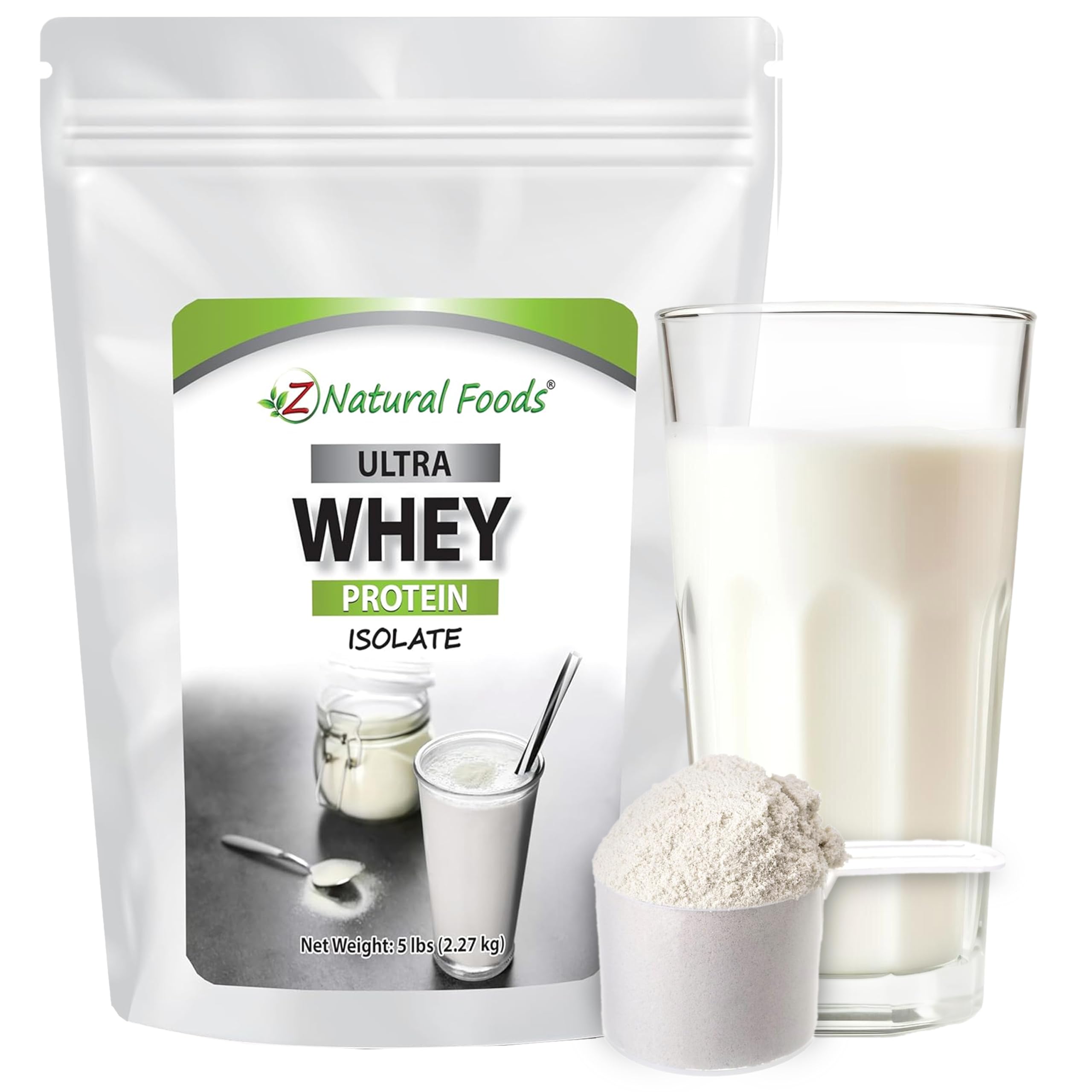
This is the most meticulously processed whey isolate on the list. Z Natural Foods uses a single pasteurization at 163°F for just 15 seconds — most competitors double-pasteurize, which denatures fragile immune-supporting proteins. The result is a powder that tastes like dried milk with zero bitterness, mixing seamlessly into yogurt and lukewarm beverages without clumping. Each 5-pound bag delivers 28 grams of protein per serving with virtually no carbs or fat.
Hospital nutritionists have recommended this specific isolate for post-surgery recovery, which speaks to its purity and bioavailability. The resealable foil bag keeps moisture out, though you will need a whisk or shaker bottle to fully incorporate it into liquids — simple stirring leaves small islands. The only real downside is the premium cost per gram, but you are paying for a two-ingredient product free of GMOs, hormones, and chemical processing aids.
For anyone who wants the cleanest possible unsweetened whey isolate that you can trust in sensitive dietary protocols, this is the gold standard. The taste is mild enough to disappear into coffee or broth without altering the flavor profile, making it a stealth protein boost for the whole household.
Why it’s great
- Single low-temp pasteurization preserves native protein structure
- Two-ingredient formula with no fillers or natural flavors
- Recommended by clinicians for post-surgical nutrition
Good to know
- Requires a shaker or blender for full dissolution
- Premium price point compared to bulk whey concentrates
2. Ascent Unflavored Native Whey

Ascent uses native whey, which means the protein is extracted directly from milk without the use of acids or enzymes — a gentler method that keeps the protein structure more intact than standard ion-exchange processing. The unflavored version has no synthetic taste and dissolves cleanly in cold liquids, even stirring into coffee without turning into a gritty mess. Each 32-ounce container holds 30 servings with 25 grams of fast-digesting protein per scoop.
Users consistently report zero stomach upset and no bloating, which is rare for whey powders, thanks to the native filtration removing most of the lactose. The texture is noticeably non-gritty, and the powder blends into pancake batter or oatmeal without leaving a chalky residue. Many reviewers specifically mention using it in cooking, which confirms its thermal stability under heat.
The packaging is the weakest link — the bag seal often fails within the first few days, forcing you to transfer the powder to an airtight container. That minor annoyance aside, this is a superb mid-range whey that competes with premium isolates at a much friendlier cost per gram. It earns its place for athletes and active individuals who want a fast, clean protein source without any sweetener interference.
Why it’s great
- Native whey extraction preserves delicate protein fractions
- Dissolves smoothly in coffee and hot liquids
- Digestible with very low lactose content
Good to know
- Bag reseal mechanism is unreliable
- May require transfer to a separate storage container
3. Sprout Living Plant Protein & Superfoods Powder

This is the best unsweetened plant-based option for anyone who wants a complete amino acid profile without relying on soy or rice protein. Sprout Living blends five sources — yellow pea, pumpkin seed, sunflower seed, chia seed, and cranberry seed — plus Jerusalem artichoke for prebiotic fiber. The result is 26 grams of protein per serving with a creamy texture that avoids the chalkiness common in single-source pea proteins.
The formula is third-party tested for heavy metals and purity, and the ingredient list contains no natural flavors, gums, or sweeteners — just whole food powders. Reviewers transitioning from whey note that the serving size is larger (38 grams) because plant proteins are less dense, so you need more powder to hit the same protein target. The earthiness is mild but present; it works better in smoothies or oatmeal than in plain water.
Digestive comfort is a strong point here — the prebiotic fiber supports gut health rather than causing the bloating many people experience with concentrated pea isolates. The only catch is the price per serving, which runs higher than bulk pea options. If you prioritize organic sourcing and a multi-source plant profile over raw protein density, this is the front-runner.
Why it’s great
- Organic multi-source blend provides complete amino acids
- Third-party tested for purity and heavy metals
- Includes prebiotic fiber for digestive health
Good to know
- Larger serving size means more powder per gram of protein
- Subtle earthy taste noticeable in plain water
4. Carlyle Pea Protein Isolate Powder
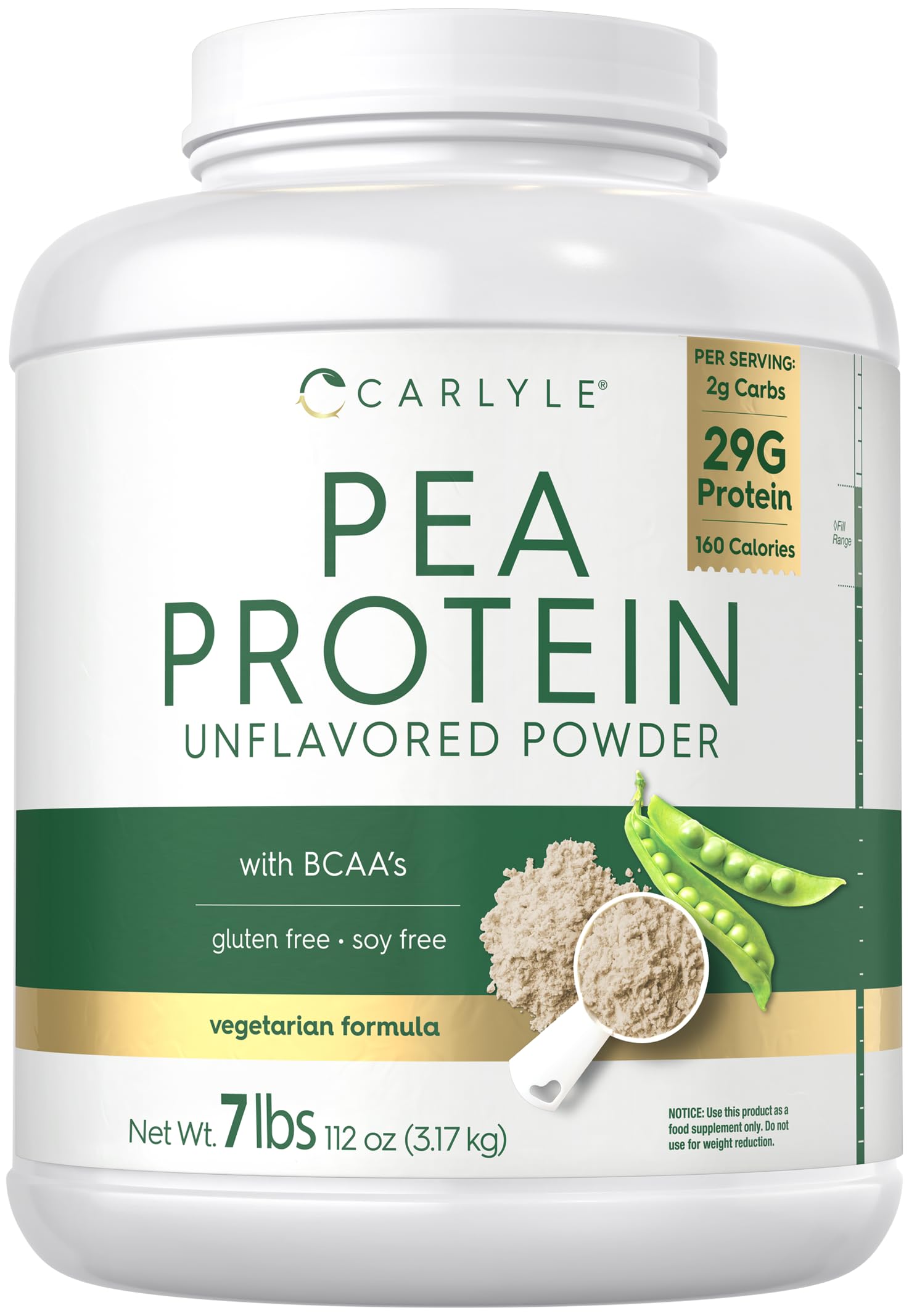
If protein density per dollar is your priority, this 7-pound bag is hard to beat. Each serving delivers a hefty 29 grams of pea protein isolate with naturally occurring BCAAs, and the unflavored profile is genuinely neutral — reviewers describe it as reminiscent of bland, unsweetened oatmeal with no strong pea aftertaste. The powder is free of gluten, soy, dairy, and artificial anything, making it suitable for strict vegan and elimination diets.
The mixability is better than most pea isolates; it suspends in water with moderate shaking and does not clump aggressively. However, the texture is noticeably thicker and grainier than whey, which is expected from a plant concentrate. Some users find it too heavy in drinks and prefer it baked into muffins or stirred into thick stews where the texture blends into the base.
Carlyle adds BCAAs directly to the formula, which some purists consider unnecessary, but it does boost the anabolic profile per scoop. The value proposition is compelling at this volume — you get more than double the servings of most competitors for the same price range. The trade-off is a paste-like mouthfeel that works best in recipes rather than in a shaker cup.
Why it’s great
- Exceptional value at 7 pounds with 29g protein per serving
- Genuinely neutral taste with minimal pea flavor
- Naturally free of major allergens and artificial ingredients
Good to know
- Texturally grainy and thick compared to whey isolates
- Contains added BCAAs which may not suit all users
5. Micro Ingredients Pea Protein Powder
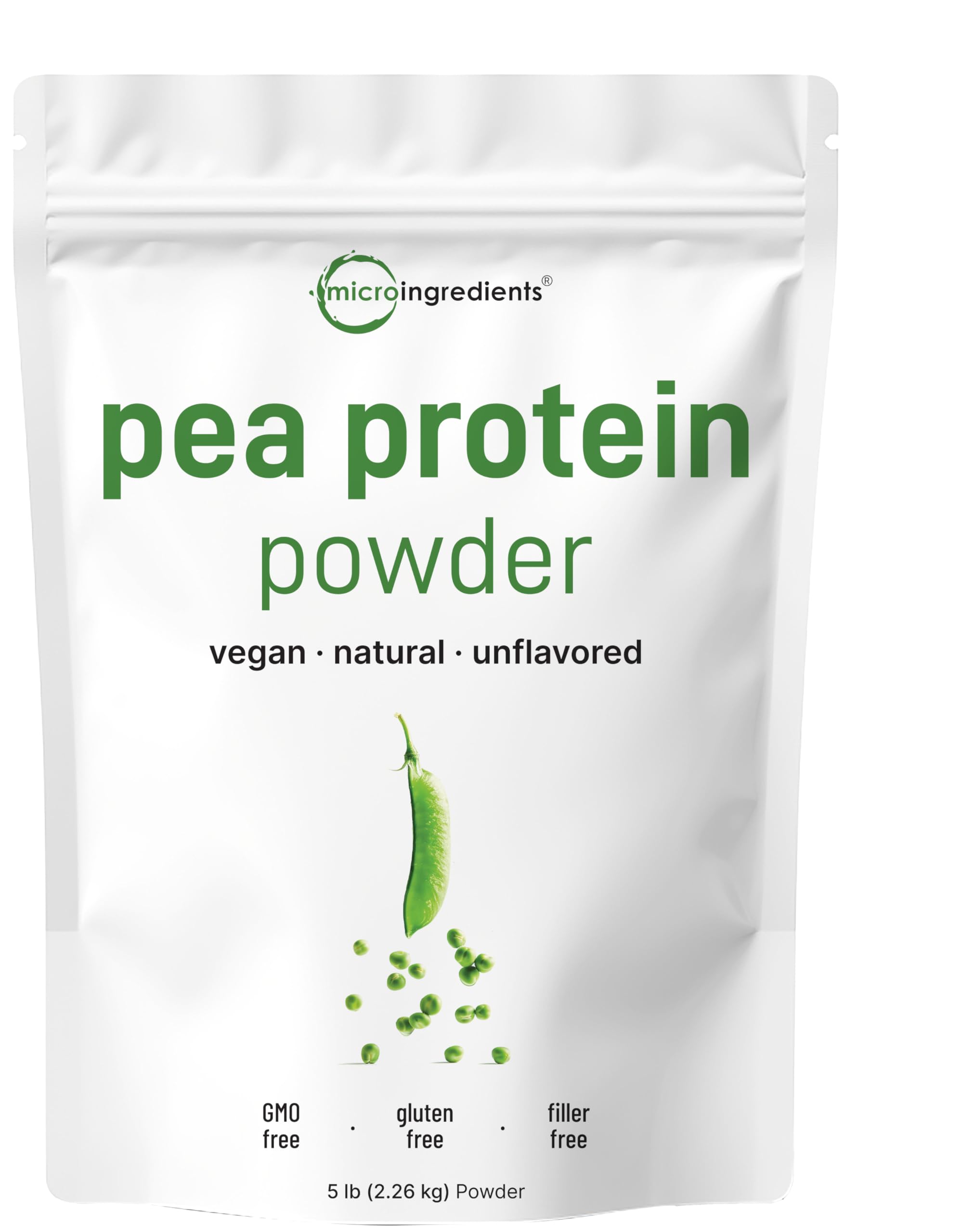
Micro Ingredients sources its peas from North American farms and processes them into a fine, lightly textured powder that dissolves better than most bulk pea proteins. Each 5-pound pouch provides a 68-day supply at two scoops per serving, delivering 27 grams of protein with minimal sodium (just 10mg per serving) and a clean, filler-free ingredient list. The unflavored nature means you get a faint earthy note, but nothing overpowering.
Users transitioning from dairy-based powders find this to be a gentle introduction to plant protein — no bloating, no stomach upset, and no chalky residue on the teeth. The texture is finer than the Carlyle equivalent, which helps it blend into smoothies and baked goods without detectable grit. Some reviewers note that it does not stir completely smooth in cold water without a blender, but that is standard for pea isolates.
The biggest concern raised by a minority of reviewers is the lack of transparency around third-party lab reports. While the brand claims third-party testing, they have not consistently provided certificates of analysis upon request. For most users, the cost-per-gram advantage and clean taste make this a solid entry-level choice for anyone building a plant-based protein routine on a budget.
Why it’s great
- North American grown peas with a fine, non-gritty grind
- Low sodium and filler-free ingredient list
- Excellent cost-per-gram for long-term use
Good to know
- Third-party lab reports not consistently available
- Best results with a blender rather than hand shaking
6. BulkSupplements Grass Fed Whey Protein Concentrate
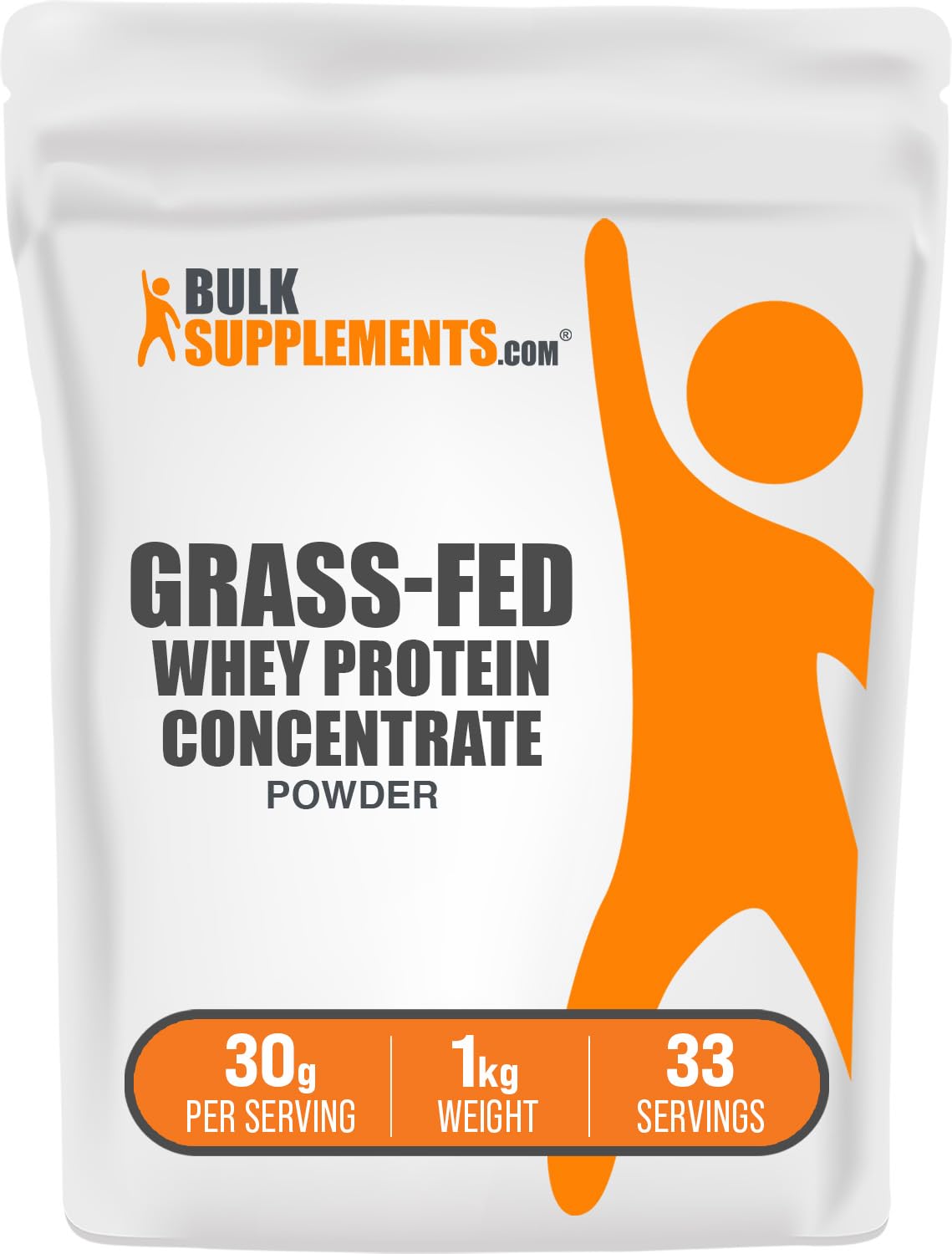
BulkSupplements delivers a no-frills whey concentrate with the highest raw protein content on this list at 30 grams per serving. The unflavored powder has a mild dairy taste that is nearly undetectable when mixed into smoothies, oatmeal, or soups. The grass-fed sourcing adds a quality edge over standard commodity whey, and the price per gram is aggressive enough to replace more expensive branded options.
The mixability is surprisingly good for a concentrate — it dissolves completely even at high doses of 8 tablespoons without leaving clumps. However, the bag’s resealable mechanism is poorly designed, with a thin strip that misaligns quickly, forcing users to store the powder in a separate container. Reviewers also note that this concentrate can cause constipation if not balanced with fiber-rich foods, a common issue with whey concentrates that contain more lactose and milk solids than isolates.
The lack of a scooper is a minor annoyance — you will need to measure out 4 tablespoons per serving. For budget-conscious lifters who want maximum protein per dollar and do not mind transferring to a jar, this bag delivers on raw macro numbers. Just pair it with a fiber source to keep digestion on track.
Why it’s great
- Highest protein content in the lineup at 30g per serving
- Grass-fed sourcing with a clean, near-tasteless profile
- Exceptional value for the quantity provided
Good to know
- Bag reseal mechanism is frustrating and unreliable
- May cause constipation without added dietary fiber
7. Unjury Unflavored Whey Isolate

Unjury was developed specifically for bariatric patients and people with extreme digestive sensitivity, which makes it the most gut-friendly whey isolate in this comparison. Each serving packs 21 grams of 100% whey protein isolate that is lactose-free, kosher-certified, and free of gluten, egg, peanut, tree nut, sesame, and shellfish. The unflavored profile is genuinely neutral — not sweet, not bitter, not salty — and dissolves best in strongly flavored beverages like coffee, broth, or fruit smoothies.
The manufacturer specifically warns against mixing with plain water because the lack of flavor enhancers makes it taste flat, but in a smoothie or soup, it disappears completely. The powder has been recommended by nutritionists for post-surgery recovery, and reviewers with irritable stomachs report no bloating, gas, or discomfort — a rare claim for any whey product. The 15-serving container is smaller than most options here, which reflects the niche medical-grade positioning.
The protein content per serving is lower than the competition, but that is by design for gradual reintroduction of protein in sensitive individuals. The cost per gram is higher than bulk options, but the purity and digestive comfort justify the premium for anyone who has struggled with other brands. If your stomach rejects every other powder, Unjury is the final stop.
Why it’s great
- Formulated specifically for extreme digestive sensitivity
- Lactose-free and free of the top eight allergens
- Completely neutral taste that disappears in recipes
Good to know
- Lower protein content per serving (21g) than most competitors
- Smaller container size means fewer servings per purchase
FAQ
Why does my unsweetened protein powder still have a slight taste?
How do I mix unsweetened protein powder without clumps?
Can unsweetened protein powder replace a meal?
Is pea protein or whey better for an unsweetened diet?
Final Thoughts: The Verdict
For most users, the best unsweetened protein powder winner is the Z Natural Foods Ultra Whey Isolate because it combines a two-ingredient label with a cold-processed manufacturing method that preserves the native protein structure and delivers a genuinely neutral taste. If you want a plant-based option with organic integrity and prebiotic support, grab the Sprout Living Plant Protein. And for high-volume value without breaking the bank, nothing beats the Carlyle Pea Protein Isolate at 29 grams of protein per serving in a 7-pound bag.