A protein shake should deliver real nutrition, not a laundry list of additives, artificial sweeteners, or fillers. The difference between a quality shake and a cheap one comes down to ingredient sourcing, protein density, and how the body processes it — not the flashy label on the front of the bottle. Finding the right shake means cutting through the marketing noise and focusing on what actually matters for recovery, meal balance, and daily energy.
I’m Mohammad Maruf — the founder and writer behind AirfryerBite. I’ve spent years analyzing nutritional labels, protein extraction methods, and sweetener profiles across hundreds of ready-to-drink shakes to understand what separates clean, effective nutrition from overpriced sugar water.
This guide breaks down the key factors that define truly quality protein shakes, from protein source integrity to macronutrient ratios and digestive compatibility.
How To Choose The Best Quality Protein Shakes
Not all 30-gram shakes are created equal. Two bottles can show identical protein numbers on the label yet differ wildly in how they’re digested, how they taste, and what other ingredients tag along. Understanding the chain from cow to can is the only way to buy smart.
Protein Source Integrity — The Foundation
The protein source is the single most important variable. Whey protein concentrate is cheap and common but can contain more lactose and fat. Whey isolate is more refined, delivering higher protein per gram with less sugar and fat. Ultrafiltered milk — used by brands like Slate and Pioneer Pastures — physically concentrates the milk’s natural protein without chemical separation, preserving a cleaner amino acid profile. A2 protein, another premium marker, removes the A1 beta-casein peptide that causes digestive discomfort in some people. If your stomach reacts poorly to standard shakes, the protein source is likely the culprit.
Sweetener Profile — The Taste vs. Health Trade-Off
Artificial sweeteners like sucralose and acesulfame potassium give a cheap, lingering aftertaste and can disrupt gut microbiota. Quality shakes lean on stevia leaf extract, monk fruit, or no sweetness at all. The best formulations use a stevia-monk fruit blend to mask bitterness without the chemical finish. Avoid anything with sugar alcohols like erythritol in high doses if you’re sensitive to bloating. Reading the sweetener list tells you immediately whether a shake was engineered for mass-market appeal or for clean daily consumption.
Macronutrient Density — Beyond Just Protein
A quality shake balances its macros. 30g of protein means nothing if it carries 15g of sugar or 400 calories. The best ratios hover around 1-2g sugar, 2-5g net carbs, and 150-200 calories for a standard 11-ounce serving. Higher calorie shakes (like Kate Farms at 300+ calories) serve a different purpose — medical nutrition or total meal replacement, not casual supplementation. Match the macro density to your goal: post-workout recovery needs high protein and low carbs; meal replacement needs balanced calories with fiber and fat.
Quick Comparison
On smaller screens, swipe sideways to see the full table.
| Model | Category | Best For | Key Spec | Amazon |
|---|---|---|---|---|
| Slate Ultra Protein | Ultra-Premium | Maximum protein, minimal calories | 42g protein, 190 cal, 1g sugar | Amazon |
| Optimum Nutrition Gold Standard | Powder Premium | Customizable serving size and mixability | 24g protein, whey isolate primary | Amazon |
| Pioneer Pastures A2 | Sensitive Stomach | Digestive comfort with A2 dairy | 30g protein, A2 ultra-filtered milk | Amazon |
| Premier Protein Caramel Macchiato | Caffeinated | Morning coffee replacement with protein | 30g protein, caffeine from coffee | Amazon |
| Orgain 30g Vanilla Bean | Clean Label | No artificial sweeteners or soy | 30g protein, monk fruit sweetened | Amazon |
| Slate Milk Classic Chocolate | Low Calorie | Keto-friendly chocolate milk fix | 20g protein, 100 cal, 1g sugar | Amazon |
| Kate Farms Organic 1.0 | Medical Grade | Complete meal replacement or tube feeding | 16g protein, organic plant-based | Amazon |
In‑Depth Reviews
1. Slate Milk Ultra Protein Shake — Chocolate
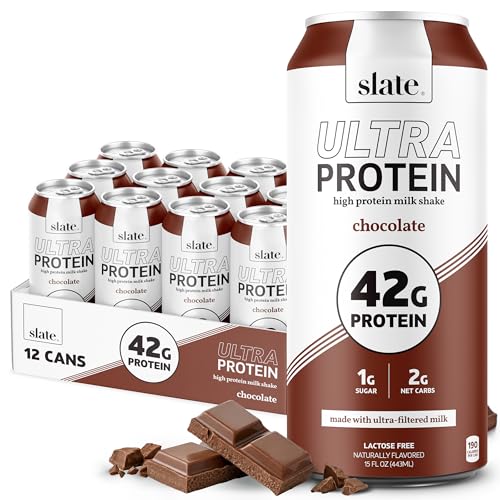
Slate’s Ultra Protein Shake redefines the ceiling for ready-to-drink shakes. At 42 grams of protein in only 190 calories, it uses ultrafiltered real milk to physically concentrate protein and strip out lactose, sugar, and excess water — no powdered isolates added. The result is a texture that tastes like lightly sweetened chocolate milk, not a chalky gym shake. It’s lactose free, keto friendly, and free from artificial colors, flavors, and acesulfame potassium.
The sweetening system relies on stevia and monk fruit, which gives a clean finish without bitterness. At 15 ounces per can, each serving also delivers essential vitamins and minerals including calcium, vitamin D, and potassium. Users consistently report no bloating or digestive issues, which is rare for any shake over 30 grams. The chocolate flavor is widely considered the best in the lineup.
It’s priced at a premium tier, but the macronutrient density — 42g protein with only 2g net carbs and 1g sugar — is unmatched in canned format. Ideal for serious athletes, heavy lifters, or anyone needing high protein without the caloric load. Some users report dented cans in shipment, but the product quality inside remains consistent.
Why it’s great
- Highest protein count in a ready-to-drink format at 42g
- Ultrafiltered real milk tastes like actual chocolate milk
- Zero artificial sweeteners, colors, or preservatives
- Lactose free with no digestive discomfort
Good to know
- Premium pricing — significantly more per can than standard shakes
- Salted caramel flavor has undissolved white chunks reported
- Cans occasionally arrive dented during shipping
2. Optimum Nutrition Gold Standard 100% Whey — Double Rich Chocolate
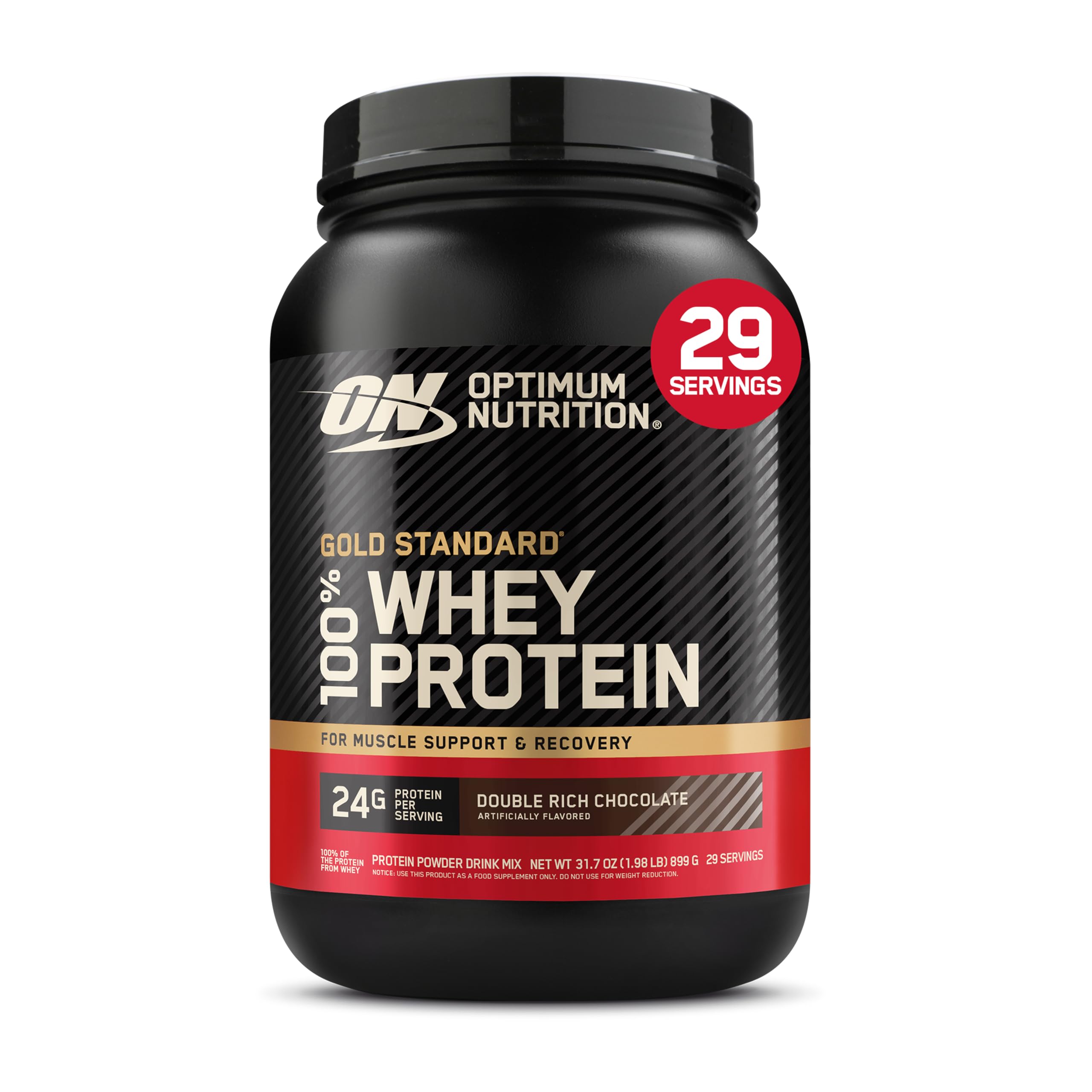
Optimum Nutrition’s Gold Standard Whey is the benchmark that every other protein powder is measured against. With 24 grams of protein per scoop — primarily from whey protein isolate — it delivers a fast-absorbing, complete amino acid profile including 5.5g of naturally occurring BCAAs. The Double Rich Chocolate flavor strikes a balance between sweet and cocoa-forward without the cloying artificial aftertaste that plagues cheaper powders.
It mixes effortlessly in a shaker bottle with water or milk — no blender needed — and produces a smooth, grit-free texture. Each serving contains roughly 1g sugar, 3g carbs, and minimal fat, making it suitable for cutting phases and lean muscle maintenance. The 29-serving tub format provides flexibility to customize your shake volume, which ready-to-drink bottles cannot match.
Its reputation for consistent quality spans over 35 years. Users who switch to this powder from mass-market options typically notice fewer digestive issues and better recovery. The main catch: it’s a powder, not a ready-to-drink shake, so you need a shaker and water. A small minority report allergic reactions, likely from the whey concentrate fraction, so those with dairy sensitivities should test carefully.
Why it’s great
- Industry gold standard for whey protein quality and mixability
- Low sugar and carb profile ideal for lean muscle maintenance
- Customizable serving size — you control the scoop
- Decades of consistent third-party quality testing
Good to know
- Requires mixing — not a grab-and-go bottle
- Contains milk, not suitable for strict lactose intolerance
- Some users find Double Rich Chocolate flavor artificial-tasting
3. Pioneer Pastures High Protein A2 Milkshakes — Chocolate
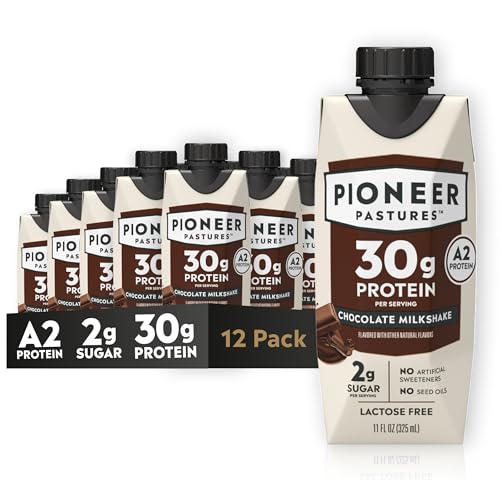
Pioneer Pastries solves a specific problem: how to get 30g of protein without the stomach pain. The answer is A2 ultra-filtered milk, which removes the A1 beta-casein peptide responsible for inflammation and bloating in many drinkers. Unlike most shakes that blend whey concentrate with water and gums, this is pure A2 dairy — no added protein powders, seed oils, or carrageenan.
Each 11-ounce bottle delivers 30g of complete protein, only 2g of sugar, no artificial sweeteners, and no sugar alcohols. The sweetening comes from stevia and monk fruit, which gives it a mild, milky chocolate profile that users describe as closer to chocolate milk than a protein shake. It’s shelf-stable until opened, making it a practical gym bag or office drawer option.
Bariatric patients and those with sensitive digestion report it as the only shake that doesn’t cause GI distress. The main trade-off is price — it sits at a premium tier comparable to Slate. If standard whey shakes leave you uncomfortable, the A2 protein structure is worth the investment.
Why it’s great
- A2 milk protein is significantly easier on digestion than standard whey
- No artificial sweeteners, seed oils, or carrageenan — cleanest ingredient deck
- Tastes like real chocolate milk, not a supplement
- Shelf stable until opened for convenient storage
Good to know
- Premium pricing compared to conventional ready-to-drink shakes
- Only available in chocolate and vanilla, limited flavor range
- Not suitable for vegan or plant-based diets
4. Premier Protein Cafe Caramel Macchiato
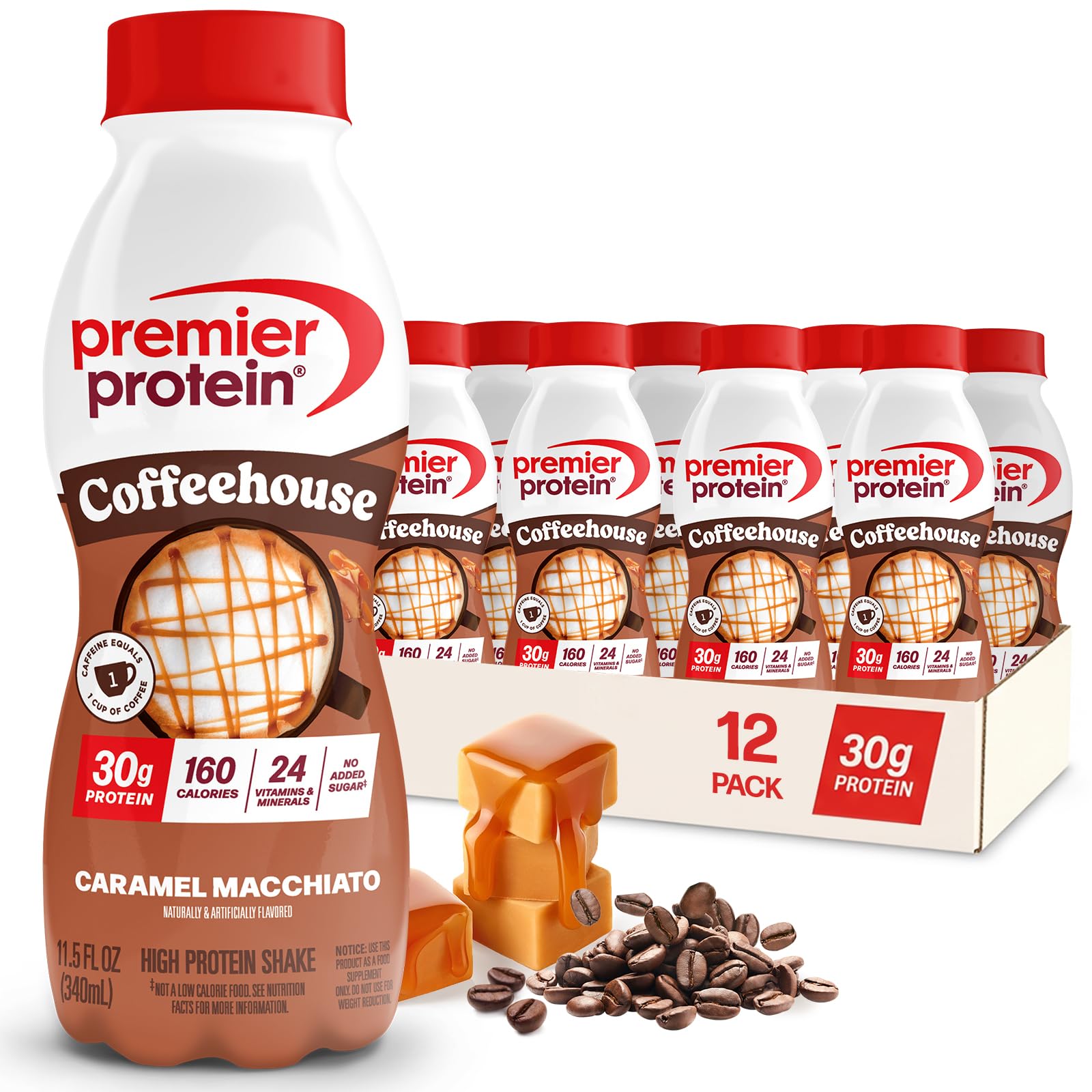
Premier Protein’s Cafe Caramel Macchiato bridges the gap between morning coffee and post-workout nutrition. Each 11.5-ounce bottle contains 30g of protein plus caffeine equivalent to one cup of coffee, with no added sugar and just 3g of carbs. The caramel macchiato flavor avoids the saccharine punch of some coffee-flavored shakes and works well as a coffee creamer substitute for those who want protein without a separate breakfast.
The protein source is milk protein concentrate, which provides a complete amino acid profile. It’s also fortified with 24 vitamins and minerals, making it a viable option for morning meal replacement. The texture is thin compared to thicker shake formats, which users either love for drinkability or find less satisfying.
It’s gluten-free and shelf-stable, so you can keep a case in the pantry without refrigeration. The main critiques center on sweetness level — some find it too sweet for regular consumption — and the fact that the caffeine content may interfere with evening use. Best for morning or early afternoon consumption when you need both protein and a caffeine lift.
Why it’s great
- Dual-function: protein shake plus caffeine source in one bottle
- 30g protein with only 3g carbs and no added sugar
- Fortified with 24 vitamins and minerals
- Works as coffee creamer for a protein-boosted latte
Good to know
- Caffeine content limits use to morning or early afternoon
- Some users find the sweetness level too high
- Thinner consistency than milk-based shakes
5. Orgain 30g High Protein Shake — Vanilla Bean

Orgain’s 30g shake stands out for what it leaves out: no artificial sweeteners (sucralose-free), no carrageenan, no soy, no added hormones. Instead, it uses monk fruit for sweetness and dairy-based milk protein isolate as the source, delivering 6g of BCAAs and all nine essential amino acids per bottle. The Vanilla Bean flavor is mild, not cloying, with a thin consistency that avoids the gluey texture of some competitive shakes.
At 160 calories and 1g of sugar per 11-ounce serving, it fits squarely into the mid-range macro profile — enough protein for recovery without overloading calories. Gluten-free and keto-friendly, it suits a wide range of dietary restrictions. Users who dislike overpowering sweetness or chemical aftertastes consistently praise Orgain for its restraint.
The downsides are subtle. The monk fruit sweetness has a distinct flavor profile that some describe as “skewed” compared to pure vanilla. The texture is thin, which may not satisfy those who prefer a thick, milkshake-like shake. Best for drinkers who prioritize ingredient purity over sensory indulgence.
Why it’s great
- No artificial sweeteners, sucralose, or sugar alcohols
- Dairy milk protein isolate with 6g BCAAs per serving
- Low calorie count at 160 per bottle
- Gluten-free, keto-friendly, kosher certified
Good to know
- Monk fruit sweetness has a distinct flavor not everyone loves
- Thin consistency, not a thick milkshake texture
- Limited to vanilla bean flavor in the 30g ready-to-drink format
6. Slate Milk Classic Chocolate
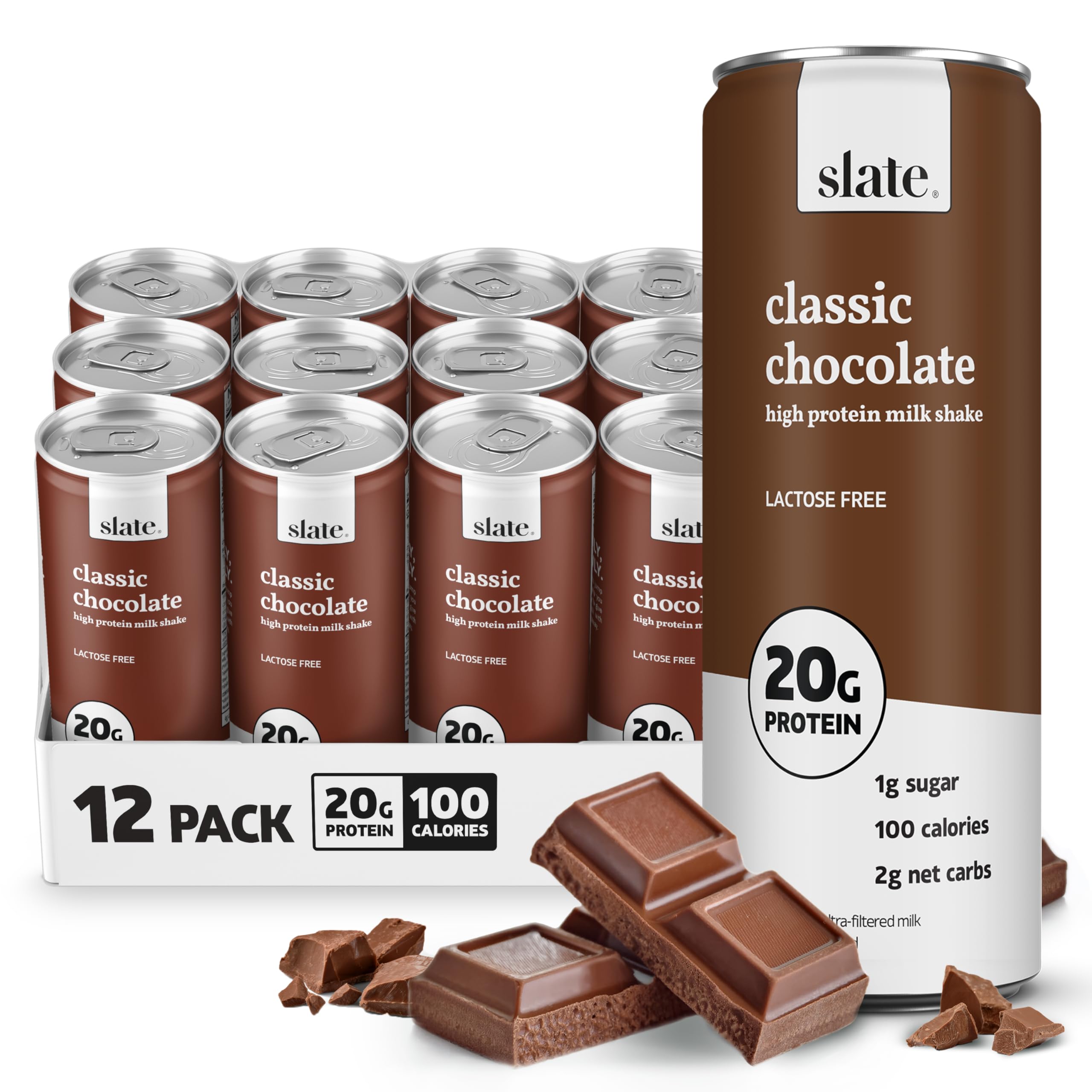
Slate’s original Classic Chocolate shake is a low-calorie powerhouse: 20g of protein in only 100 calories, with 1g of sugar and 2g of net carbs. The magic is ultrafiltration, which concentrates the milk protein and strips out lactose and sugar without using artificial means. The result is a nostalgic chocolate milk taste that is smooth, refreshing, and free of the chalky or gritty finishes common in low-calorie shakes.
It’s lactose-free, keto-friendly, and shelf-stable due to an all-natural pasteurization process that requires no preservatives. Each 11-ounce can delivers essential electrolytes and vitamins, making it a viable post-workout recovery drink. Users note that it does not cause bloating and that the flavor is mild — not overly sweet or decadent, but satisfying for a daily fix.
The main limitation is the protein count: 20g is moderate compared to 30g or 42g competitors. For lighter activity levels or as a snack, it’s ideal. For heavy lifters or those needing substantial post-workout protein, you might need two cans. Some users report the chocolate flavor sinks to the bottom, so shaking before drinking is mandatory.
Why it’s great
- Only 100 calories for 20g of protein — exceptional macro density
- Ultrafiltered real milk provides clean ingredient deck
- Lactose free with no digestive discomfort
- Keto-friendly with 2g net carbs
Good to know
- Only 20g protein, lower than heavy-duty alternatives
- Flavor can be mild — not a rich, decadent chocolate shake
- Chocolate sediment may settle at bottom of can
7. Kate Farms Organic 1.0 Vanilla Nutrition Shake

Kate Farms Organic 1.0 occupies a unique space in the protein shake market. It’s designed as a medical nutrition formula suitable for sole-source feeding or tube feeding, which means it undergoes rigorous quality standards that surpass typical consumer shakes. The protein comes from organic pea and rice, making it dairy-free, soy-free, corn-free, gluten-free, and nut-free — suitable for the most restricted diets.
Each 11-ounce bottle provides 16g of complete plant protein, 27 vitamins and minerals, and 310 calories per bottle for total nutrition. It contains no artificial colors, sweeteners, or preservatives. The texture is slightly gritty compared to dairy-based shakes, and the vanilla flavor is mild rather than sweet. It is designed for nutritional sufficiency, not taste indulgence.
Users report success in weight restoration, post-illness recovery, and as a meal replacement for those with poor appetite. Bariatric patients and those on liquid diets find it effective. The main drawbacks are the low protein-to-calorie ratio (16g in 310 calories — less efficient for muscle building), the gritty texture, and the high price point.
Why it’s great
- Medical-grade quality, suitable for sole-source nutrition
- Free from all major allergens: dairy, soy, gluten, nuts, corn
- Organic plant protein with complete amino acid profile
- Fortified with 27 vitamins and minerals
Good to know
- Only 16g protein for 310 calories — inefficient for muscle gain
- Plant-based texture is slightly gritty compared to dairy shakes
- Premium pricing, not intended for casual daily use
FAQ
What does “ultrafiltered milk” mean in a protein shake?
How is A2 protein different from standard whey?
Should I choose a ready-to-drink shake or a powder that I mix myself?
Why does the sugar content in protein shakes vary so much between brands?
Final Thoughts: The Verdict
For most users, the quality protein shakes winner is the Slate Milk Ultra Protein Shake because it delivers an unmatched 42g of protein from ultrafiltered real milk with only 190 calories and zero artificial sweeteners. If you prioritize digestive comfort and ingredient purity, grab the Pioneer Pastures A2 Milkshake for its clean A2 dairy and no-carrageenan formula. And for a budget-friendly customizable option, nothing beats the versatility and proven quality of Optimum Nutrition Gold Standard Whey.