Scrolling past ingredient labels filled with milk derivatives, dairy isolates, and lactose warnings is exhausting when you simply want a clean protein shake that won’t trigger bloating, breakouts, or digestive distress. The search for a powder that delivers real muscle support without the side effects of whey often leads to gritty textures, artificial aftertastes, and disappointing mixes.
I’m Mohammad Maruf — the founder and writer behind AirfryerBite. I’ve spent countless hours analyzing the amino acid profiles, hydrolyzation processes, and filler-free certifications of plant-based protein powders to separate the truly effective formulas from the marketing fluff.
After evaluating dozens of non-dairy options, I’ve narrowed the field to the seven top performers that deliver on taste, mixability, and nutritional density. Whether you are vegan, lactose intolerant, or simply avoiding dairy, this guide reveals the absolute best protein powder without whey on the market right now.
How To Choose The Best Protein Powder Without Whey
Replacing whey is not simply grabbing the first vegan tub you see. The category spans single-source isolates, multi-plant blends, fermented formulas, and flavored options sweetened with stevia or monk fruit. Your choice should align with your digestive sensitivity, your protein goals per serving, and your willingness to mask unflavored powder in smoothies or oatmeal.
Protein Source and Amino Acid Completeness
Not all plant proteins are equal. Pea protein isolate naturally delivers a strong BCAA profile but is slightly lower in methionine. Brown rice protein is low in lysine. The best non-whey powders combine pea and brown rice to create a complete essential amino acid profile comparable to dairy. Single-source hemp or pumpkin proteins often fall short on total protein grams per serving — look for at least 20 grams per scoop.
Digestibility and Processing Method
Standard pea protein can feel thick, gritty, and cause the same bloating you left whey to escape. Hydrolyzed formulas break the protein into smaller peptide chains, improving solubility and reducing gas. Fermented pea protein (like Nutrasumma) adds a pre-digestion step that mimics the digestive ease of a non-dairy option. Avoid powders with added gums, fillers, or inulin if you have a sensitive gut.
Sweetener Profile and Flavor Transparency
Many whey-free powders rely on stevia or erythritol to hit a dessert-like flavor, but these can leave a cooling aftertaste or metallic finish. The best-reviewed options use organic coconut milk powder, monk fruit, organic maple syrup powder, or minimally processed cane sugar. Unflavored, unsweetened varieties give you full control but require a strong mixer like banana or peanut butter to taste palatable.
Quick Comparison
On smaller screens, swipe sideways to see the full table.
| Model | Category | Best For | Key Spec | Amazon |
|---|---|---|---|---|
| Four Sigmatic Organic Vegan Protein | Multi-Plant Blend | Clean ingredients with mushrooms & adaptogens | 18g protein, 15 servings, 21.16 oz | Amazon |
| Zammex Organic Pea Protein | Single-Ingredient Isolate | High protein per serving at low calories | 26g protein, 35 servings, 2.62 lbs | Amazon |
| Forzagen Vegan Protein 360 | Triple-Plant Blend | Great-flavored chocolate without bloating | 20g protein, 27 servings, 2 lbs | Amazon |
| Micro Ingredients Pea Protein | Bulk Unflavored | Value-driven long-term supply | 27g protein, bulk 5 lbs, 80 oz | Amazon |
| Nutrasumma Pea Protein (Chocolate) | Fermented Isolate | Superior digestion and rich chocolate flavor | 20g protein, 2.11 lbs, fermented | Amazon |
| PEScience Select Vegan Protein | Pea & Rice Blend | Smooth texture closest to whey | 20g protein, 27 servings, 1.76 lbs | Amazon |
| Carlyle Pea Protein Isolate | Pure Isolate Bulk | Highest protein per serving at low cost | 29g protein, bulk 7 lbs, unflavored | Amazon |
In‑Depth Reviews
1. Four Sigmatic Organic Vegan Protein Powder
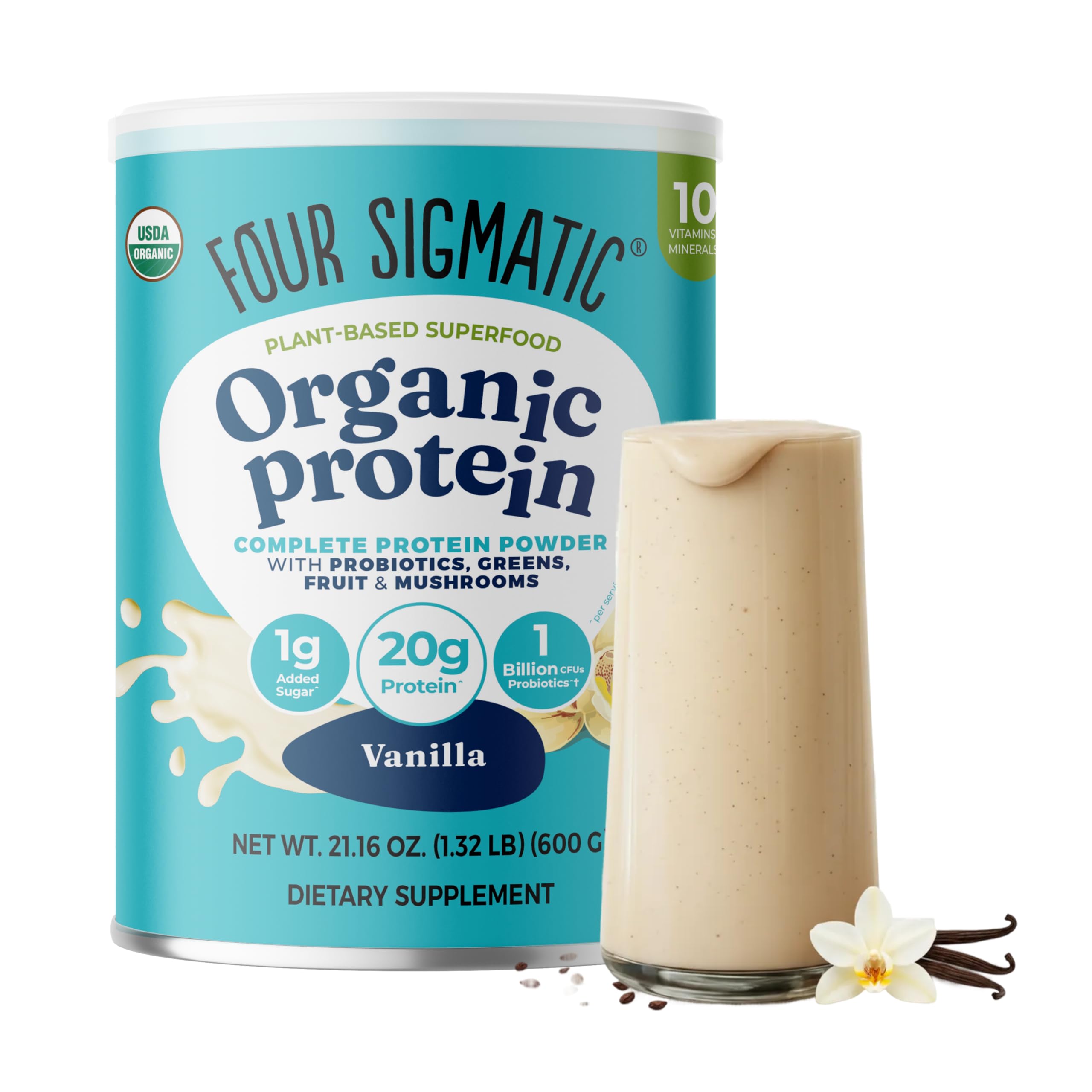
Four Sigmatic delivers what is arguably the cleanest ingredient deck in the category. Each scoop provides 18 grams of plant protein sourced from hemp, pea, organic chia, pumpkin, and coconut — a truly multi-source blend that covers the amino acid gaps often found in single-source isolates. The addition of 1000 mg of functional mushrooms (chaga, reishi, turkey tail, cordyceps, lion’s mane) and 500 mg of adaptogens (ashwagandha, eleuthero) sets this powder apart as a recovery-and-wellness hybrid rather than a straight muscle builder.
The vanilla flavor is sweetened with organic coconut milk powder, organic maple syrup powder, and organic monk fruit — no sucralose, stevia, or refined sugar to trigger aftertaste. Texture is smooth but leans slightly grainy, performing best when shaken vigorously with a blender or whisked into oatmeal and baking recipes. At 15 servings per 21.16-ounce container, the per-serving cost sits at a premium tier, but the quality of ingredients justifies the investment for those prioritizing purity.
Customer feedback consistently highlights zero stomach upset — a critical win for anyone switching from whey due to lactose sensitivity. Multiple verified buyers report noticeable skin glow and reduced bloating within days of use. The only drawback is the lower protein-per-serving count (18g) relative to competitors offering 26-29g, making it less ideal for pure post-workout muscle repair without a second scoop.
Why it’s great
- Exceptionally clean, organic ingredients with no artificial sweeteners
- Functional mushroom and adaptogen blend supports immunity and stress response
- Digestive-friendly — virtually no bloating or gas reported
Good to know
- Only 18g protein per serving — lower than many pea isolates
- Pricier per serving than bulk options
- Texture can be slightly grainy without a high-speed blender
2. Zammex Organic Pea Protein Powder
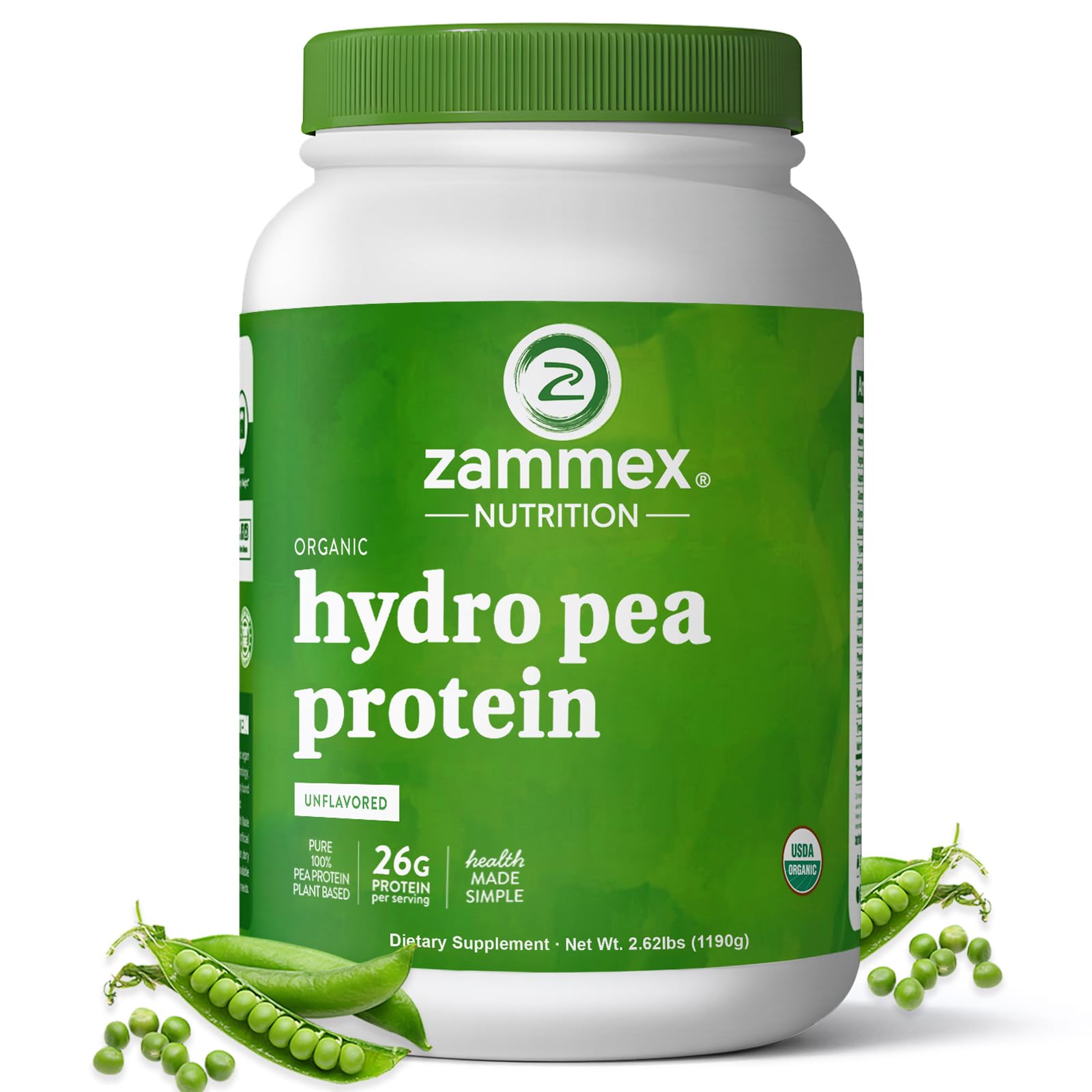
Zammex delivers one of the highest protein-per-serving ratios in the non-whey category at 26 grams per scoop with only 120 calories, making it a top choice for anyone tracking macros. This is a single-ingredient, USDA Organic yellow pea protein that uses a patent-pending partial hydrolysis process to improve solubility and reduce the grittiness common to standard pea isolates. The powder is unflavored and unsweetened, meaning zero sugar, zero artificial flavors, and zero additives.
The hydrolyzed formula mixes noticeably smoother than non-hydrolyzed pea proteins — verified buyers describe it as “smooth and well-blending” with minimal clumping when used in a shaker bottle. The natural taste is a mild, earthy pea flavor that pairs well with strong mixers like banana, peanut butter, greens, or blueberries. Each 2.62-pound container provides 35 servings, a solid mid-range value for the protein density.
Some users detect a strong, metallic bitter aftertaste that can be difficult to mask, especially in water-only shakes. This appears to be a batch-dependent issue rather than a universal flaw, but it is worth noting if you have a sensitive palate. The higher BCAA content (5.1g per serving) makes this a strong recovery choice for athletes, though the unflavored profile demands creativity in the kitchen if you want a palatable daily shake.
Why it’s great
- 26g protein per 120-calorie serving — excellent macro profile
- Hydrolyzed formulation improves mixability and digestion
- USDA Organic, non-GMO, gluten-free, soy-free, and sugar-free
Good to know
- Unflavored — requires strong mixers to mask earthy pea taste
- Some batches reported a metallic bitter aftertaste
- Not a complete amino acid profile without combining with rice or hemp
3. Forzagen Vegan Protein 360
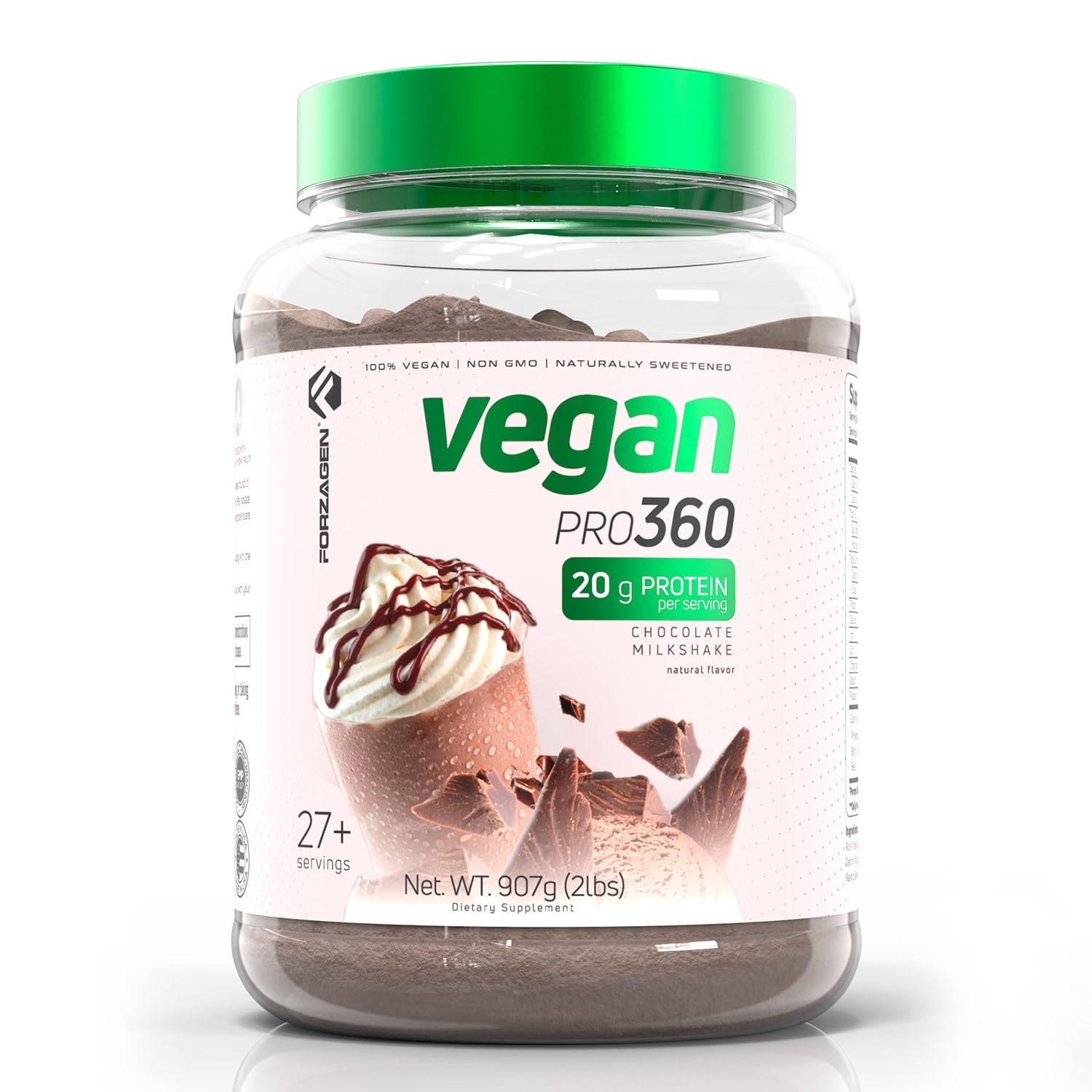
Forzagen takes a triple-source approach with quinoa, brown rice, and pea isolate — a combination engineered to deliver a complete essential amino acid profile that rivals whey. Each 2-pound container yields 27 servings at 20 grams of protein per scoop, with only 2 grams of sugar and 6 grams of total carbs. The Chocolate Milkshake flavor is widely praised as one of the best-tasting vegan powders on the market, with a rich cocoa profile that avoids the chalky or stevia-heavy finish common in the category.
The texture blends smooth with a thick, creamy consistency when mixed with milk alternatives or water. Many users report a filling effect without bloating, and several verified reviews note significant increases in energy levels and early weight loss results when replacing a meal. The powder is labeled Paleo-friendly and is free from gluten, soy, and dairy, making it suitable for most elimination diets.
The primary drawback is the strong stevia taste that some buyers find overpowering, particularly those sensitive to sweeteners. A small number of containers arrived with dents or minor tears in the seal, though product quality inside remained intact. At 2 pounds, the container size is smaller than many bulk options, so frequent users may find themselves reordering sooner than expected.
Why it’s great
- Excellent chocolate flavor — widely rated as best-tasting vegan option
- Triple-plant protein blend provides complete amino acid profile
- Low sugar (2g) and low carb (6g) per serving
Good to know
- Stevia aftertaste may be too strong for some palates
- Only 20g protein per serving — moderate compared to isolates
- Smaller container size; frequent users will reorder often
4. Micro Ingredients Pea Protein Powder
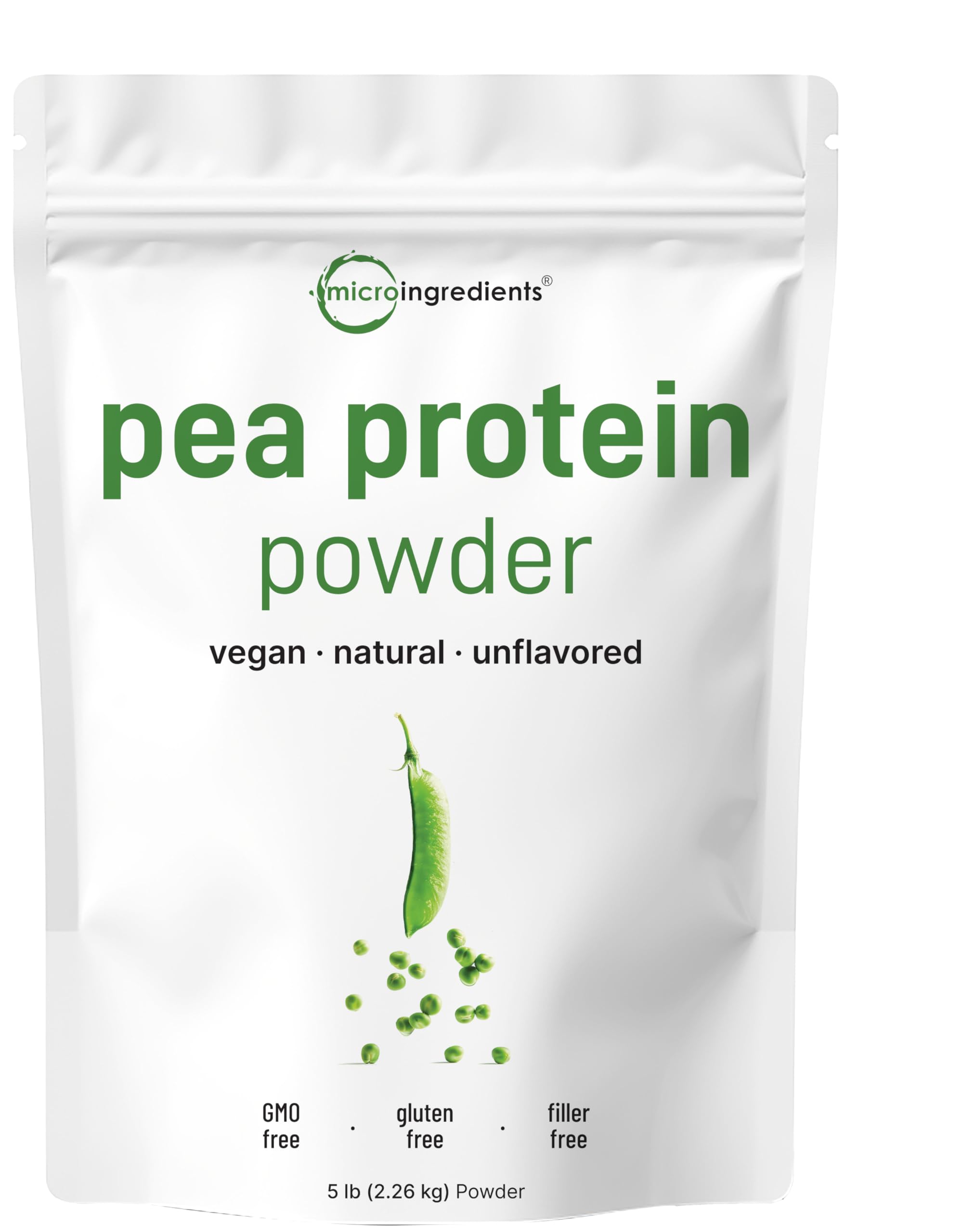
Micro Ingredients offers the best protein-per-dollar ratio in this roundup with a 5-pound pouch delivering 27 grams of pea protein per two-scoop serving — enough for up to 68 days of daily shakes. This is a straight pea protein isolate, unflavored and unsweetened, sourced from North American farms. The ingredient list is refreshingly short: just non-GMO pea protein. No fillers, gums, or artificial additives.
The texture is finely ground and mixes well with a shaker bottle or blender, producing a clean, earthy taste that many users describe as barely noticeable in smoothies with fruit and almond milk. The powder is filler-free and third-party lab tested for safety and purity, though the company’s transparency regarding sourcing labs has been questioned by some customers. For those who are not deficient in B vitamins and simply want a clean protein boost, this bulk option is hard to beat.
Some users report clumpier texture compared to more expensive isolates, especially when mixed with cold water alone. The unflavored nature means you will need to pair it with strong flavors to make it palatable as a standalone shake. A small but vocal minority raised concerns about potential heavy metal exposure and lack of published lab reports — a risk worth considering if you consume protein powder multiple times daily.
Why it’s great
- Lowest cost-per-serving in the category at 27g protein
- Bulk 5-pound supply lasts over two months with daily use
- Filler-free, non-GMO, soy-free, and gluten-free
Good to know
- Clumpy texture when mixed without a blender
- Requires strong flavor additives to mask earthy pea taste
- Some customers question lab testing transparency
5. Nutrasumma Pea Protein Powder, Chocolate

Nutrasumma stands out for its biological fermentation technology, which pre-digests pea protein to enhance absorption and minimize the gas and bloating that often plague plant-based powders. Each serving provides 20 grams of lean pea protein isolate sweetened with organic cane sugar and cocoa — no erythritol, no stevia, and no artificial sweeteners to leave a lingering aftertaste. The chocolate flavor is rich and approachable, frequently described as the best-tasting non-whey chocolate option in the premium tier.
The powder mixes easily with minimal clumping, though some users note a slightly grainy mouthfeel that improves dramatically with a blender. Adding PBfit, banana, and oat milk transforms it into a liquid chocolate chip granola bar experience — a strong endorsement from customers who previously could not tolerate any whey or plant protein without stomach issues. The fermented process also preserves natural dietary fiber, which supports overall digestive health.
The sweetness level is noticeably higher than most competitors, with some buyers finding the chocolate flavor overly sweet and detecting a weird aftertaste when consumed alone. A common workaround among enthusiasts is mixing half a serving of Nutrasumma Chocolate with half a serving of unflavored pea protein to balance sweetness. At 2.11 pounds, the container is on the smaller side, and the bag packaging inside feels less substantial than tub-style containers.
Why it’s great
- Fermented pea protein minimizes bloating and improves digestion
- No artificial sweeteners — naturally sweetened with organic cane sugar and cocoa
- Rich chocolate flavor rated among the best in the category
Good to know
- Chocolate flavor can be overly sweet for some palates
- Bag packaging feels less premium than tub containers
- 20g protein per serving is moderate for the price point
6. PEScience Select Vegan Protein
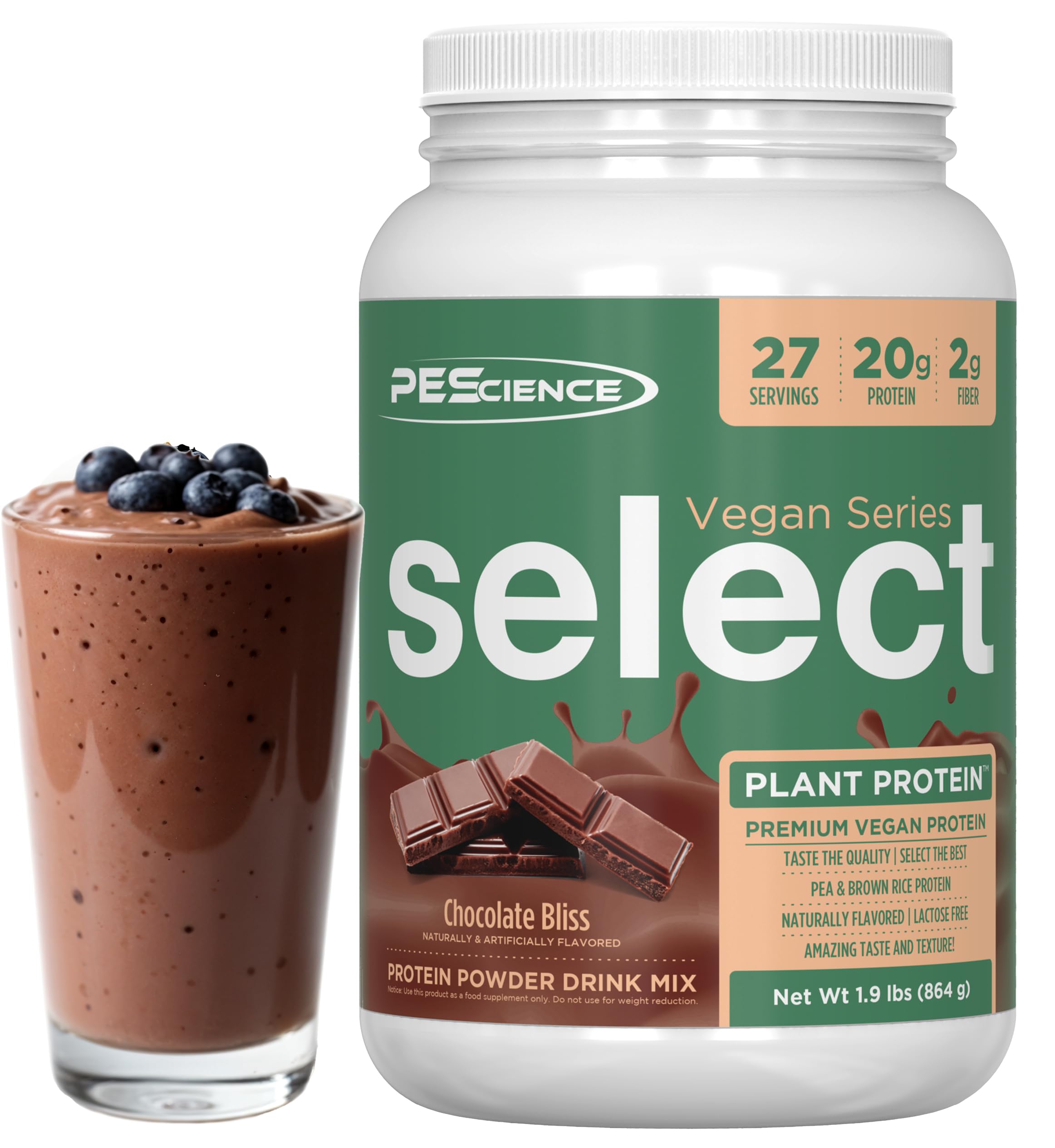
PEScience has built a reputation for superior taste among non-vegan protein users, and their Select Vegan formula brings that same smoothness to the dairy-free category. The science-based blend of pea protein and brown rice protein creates an amino acid profile that closely mimics whey, supporting muscle maintenance and recovery without the digestive baggage. Each serving delivers 20 grams of protein with stevia-based sweetness and natural flavors — though chocolate-based variants contain “natural and artificial flavors” due to processed cocoa powder classification.
The texture is where PEScience wins: verified buyers consistently note it is the least gritty, least chalky vegan powder they have tried, approaching the creaminess of a mid-range whey isolate. Users rank the Cinnamon flavor as the best of the lineup, followed by Chocolate, while Vanilla is described as having a slightly funny aftertaste. The product is third-party tested for heavy metals and pesticides, adding a layer of trust for daily users.
The taste, while better than most vegan options, still does not fully replicate the richness of dairy-based powders. Some users rate flavor as “fine, not wonderful,” and several note that the Berry flavor can cause gas — ironic for a product marketed as gentle on digestion. The 1.76-pound bag size is small relative to competitors, and the per-serving cost is on the higher end of the spectrum.
Why it’s great
- Superior smooth texture — closest to whey in mouthfeel
- Science-backed pea and brown rice blend optimizes amino acid profile
- Third-party tested for heavy metals and pesticides
Good to know
- Flavor is good but not exceptional compared to premium dairy proteins
- Berry flavor may cause gas in some users
- Smaller container size; higher cost per serving than bulk options
7. Carlyle Pea Protein Isolate Powder
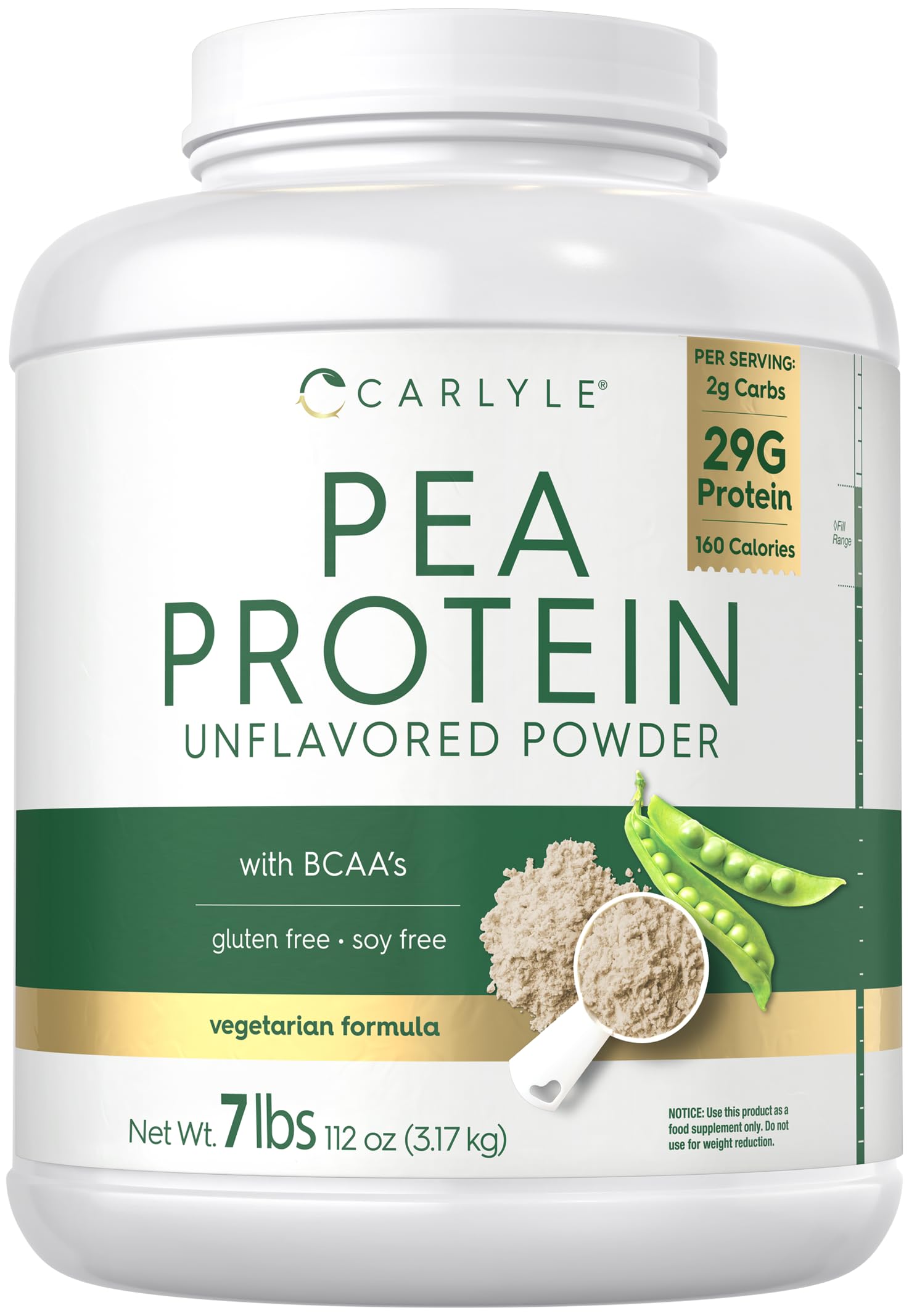
Carlyle offers the highest protein-per-serving count in this guide at 29 grams per scoop, packed into a massive 7-pound container that dominates the shelf. This is a pure pea protein isolate — unflavored, unsweetened, and free from gluten, wheat, milk, lactose, soy, artificial flavors, and preservatives. The sheer volume makes it the most cost-effective option for those who consume protein powder daily and want to minimize reorder frequency.
The powder mixes better than many standard pea isolates, with users reporting a neutral taste that works well in smoothies, oatmeal, baking, and yogurt. The added BCAAs support muscle recovery, though some purists prefer protein without extras. At half the cost per serving of name-brand alternatives, this is a strong contender for anyone who prioritizes budget without sacrificing protein density.
The unflavored paste-like taste can be off-putting when mixed with water alone — most buyers recommend blending with fruit, nut butter, or using it in baked goods. A significant number of customers report a thick, grainy texture that makes smoothies “disgusting” if not blended thoroughly. Quality control appears inconsistent: some batches mix perfectly while others suffer from excessive thickness and grit. This is a buy-for-value product, not a buy-for-experience product.
Why it’s great
- Highest protein per serving at 29g with added BCAAs
- 7-pound bulk container offers best cost per serving in the category
- Neutral, unflavored base works in smoothies, oatmeal, and baking
Good to know
- Thick, grainy texture can make smoothies unappetizing
- Unflavored taste is bland and paste-like on its own
- Inconsistent mixing quality between batches
FAQ
What is the best protein powder without whey for building muscle?
Can unflavored pea protein be used in baking without ruining texture?
Why do some plant proteins cause gas even though they are dairy-free?
Final Thoughts: The Verdict
For most users, the best protein powder without whey winner is the Four Sigmatic Organic Vegan Protein because it combines a multi-source plant blend with functional mushrooms and clean organic sweeteners, delivering unmatched purity and digestive comfort. If you want the highest protein per serving at the lowest cost, grab the Carlyle Pea Protein Isolate for its 29g per scoop and massive 7-pound supply. And for the smoothest texture closest to whey, nothing beats the PEScience Select Vegan Protein for its science-backed blend and exceptional mouthfeel.