The search for a coffee that doesn’t betray your stomach often feels like a trade-off between flavor and comfort. You’re looking for a brew that delivers a rich, satisfying experience without the bitter acidity that triggers heartburn, reflux, or general digestive irritation, and the market is flooded with options that promise everything but deliver little.
I’m Mohammad Maruf — the founder and writer behind AirfryerBite. I spend my time analyzing the nuanced differences between specialty roasts, from pH levels to mycotoxin testing reports, so you can find a cup that treats both your palate and your gut with respect.
This guide breaks down the top contenders that combine certified organic beans with genuine low-acid processing, helping you navigate the crowd to find the absolute best organic low acid coffee that fits your brewing style and sensitivity needs.
How To Choose The Best Organic Low Acid Coffee
The move to organic low acid coffee is often driven by a need for relief — relief from heartburn, GERD, or a general sensitivity that makes your daily ritual a gamble. But not all low-acid coffees are created equal, and choosing blindly can leave you with a bland cup that solves nothing.
Roast Level and Its Hidden Impact on Acidity
Dark roasts are generally less acidic than light roasts because the longer roasting process breaks down more of the organic acids inherent in the bean. However, a dark roast can also develop a heavy, smoky bitterness that some find disagreeable. A medium roast provides a middle path, balancing reduced acidity with a brighter, more complex flavor profile that preserves the bean’s origin characteristics.
The Importance of Third-Party Testing
Terms like “low acid” and “organic” are not always rigorously enforced. The best producers submit their beans to independent labs for verification of pH levels, mycotoxin content (including ochratoxin A and aflatoxin), and pesticide residues. This transparency separates a genuinely stomach-friendly coffee from one that simply uses the phrase as a label.
Quick Comparison
On smaller screens, swipe sideways to see the full table.
| Model | Category | Best For | Key Spec | Amazon |
|---|---|---|---|---|
| Natural Force | Organic Whole Bean | Mycotoxin-free purity | 12 oz, Medium Roast | Amazon |
| Lifeboost Dark | Organic Whole Bean | Rich dark roast flavor | 12 oz, Dark Roast | Amazon |
| Volcanica | Whole Bean | acidity level of 5.3 pH | 16 oz, Medium Roast | Amazon |
| Puroast House Blend | Ground | Budget-friendly ground option | 12 oz, Medium Roast | Amazon |
| VitaCup Perfect | Organic Whole Bean | Entry-level single origin | 11 oz, Dark Roast | Amazon |
In-Depth Reviews
1. Natural Force Clean Coffee
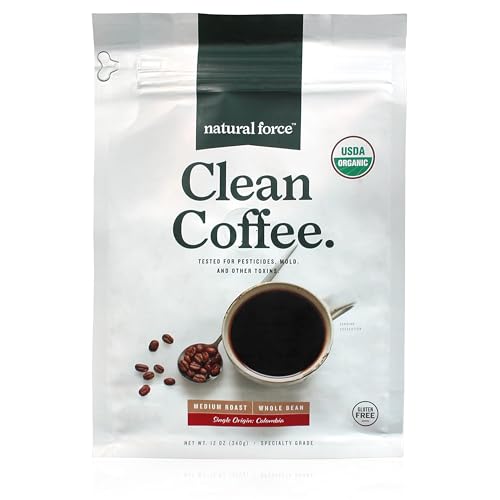
Natural Force sets a high bar with its obsessive approach to purity. This whole bean medium roast is tested for mycotoxins like ochratoxin A and aflatoxin, heavy metals, and over 400 other contaminants. For someone whose stomach issues are linked to mold sensitivity rather than general acidity, this coffee can be a revelation — delivering a smooth, clean cup without the irritation that often follows a standard brew.
The flavor profile is balanced and approachable. It avoids the sharp, biting notes that characterize many standard medium roasts, leaning instead toward a mellow, slightly sweet finish with a noticeable sheen of coffee oil that signals freshness. It pairs well with an AeroPress or a pour-over where the clarity of the bean shines through.
The biggest consideration here is the 12-ounce bag size, which places it firmly in the premium tier per ounce. If you drink multiple cups daily, the cost adds up quickly. That said, the lab result transparency and certified organic, keto, and paleo seals make it a standout for those prioritizing absolute purity over volume.
Why it’s great
- Third-party lab tested for mycotoxins & mold
- Low acidity with high antioxidant content
- Certified USDA Organic, Keto, and Paleo
Good to know
- 12 oz bag is relatively small for the price
- Some users find the flavor too mild or bland
2. Lifeboost Dark Organic Coffee
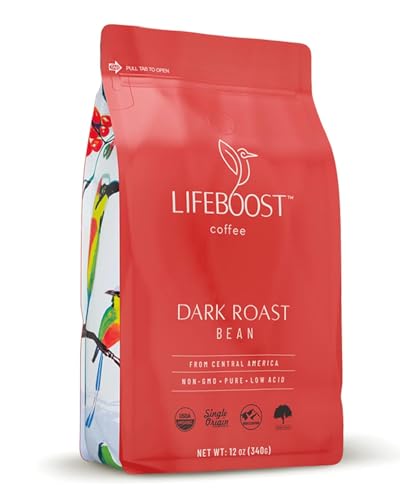
Lifeboost earns the top recommendation for its ability to deliver a genuinely full-bodied dark roast experience while maintaining low acidity. The beans are single-origin from Central America, shade-grown at high altitude, and spring water washed. The result is a cup that feels decadent — rich, nutty, and smooth — without the harsh acidic bite that dark roasts can sometimes hide.
Gastrointestinal relief is the consistent theme in user feedback. Many report drinking multiple cups daily for the first time in years without heartburn or reflux. The third-party testing for pesticides, heavy metals, and mycotoxins adds an extra layer of trust, especially for those who have reacted poorly to other “low acid” claims.
The 12-ounce bag means you are paying a premium for these high-altitude, hand-selected beans. For those who need a dark roast that doesn’t compromise on depth or gut-friendliness, it is a daily drinkable luxury that justifies the cost. Consider buying their 30-day risk-free guarantee to test your compatibility.
Why it’s great
- Genuinely low acid dark roast with rich flavor
- Single origin, shade grown, hand selected
- Third-party tested for 400+ toxins
Good to know
- Small 12 oz bag for the premium price point
- A few isolated reports of stomach sensitivity
3. Volcanica Low Acid Coffee

Volcanica offers a compelling middle ground between cost and quality with a full 16-ounce bag. The coffee is roasted to achieve a pH level of 5.3, which is measurably less acidic than standard coffee that can dip to 4.7. It is a washed-process medium roast with flavor notes of chocolate, nuts, and a hint of tangerine, creating a complexity that many budget-tier low-acid options lack.
The stomach-friendly promise holds up in nearly every user report. Those with chronic GERD or heartburn describe being able to enjoy multiple cups without discomfort. The rigorous phytosanitary testing and lab analysis for mycotoxins and mold are a step above what most brands in this price range provide.
The main drawback is the packaging — the bag is not resealable, and users recommend transferring the beans to an airtight container to preserve freshness. At a larger volume than the premium competitors, it delivers the best price-to-weight ratio for someone who wants a reliable, low-acid daily driver without going broke.
Why it’s great
- Full 16 oz bag offers lower cost per cup
- Reported pH of 5.3 for verified low acidity
- Tested for mycotoxins and mold
Good to know
- Packaging is not resealable or easy to scoop from
- Some users find it less bold than a dark roast
4. Puroast Low Acid House Blend

Puroast is a pre-ground medium roast that focuses on delivering high antioxidant content and a pledge of 70% less acid. For those who prioritize convenience — not everyone wants to grind beans each morning — this is a solid entry point. The flavor is smooth and full-bodied for a ground product, with no bitter aftertaste, and it is compatible with standard drip machines, French presses, and even cold brew setups.
The low-acid formula is genuinely effective for sensitive stomachs, with many users noting it allows them to enjoy coffee without the digestive consequences they had accepted as inevitable. It is also sustainably roasted using renewable fuels, which appeals to the environmentally conscious buyer.
The most significant caveat is the pre-ground format — you lose the freshness and oil retention of whole beans, and some drinkers find the flavor profile lacks the depth of a freshly ground option. The 12-ounce bag is also on the smaller side for a ground product, and it can be pricier per cup than other ground coffees when you factor in daily use.
Why it’s great
- Pre-ground convenience for drip and French press
- Reported 70% less acid with no bitter aftertaste
- High in antioxidants compared to standard coffee
Good to know
- Pre-ground format loses freshness faster than whole bean
- Some users report weak coffee aroma and flavor
5. VitaCup Perfect Low Acid Coffee

VitaCup enters the conversation as a dark roast single-origin from Guatemala with USDA Organic and Fair Trade certifications. The beans are third-party lab tested and are marketed for their high chlorogenic acid antioxidants. The initial impression is strong — the packaging is premium with a matte green and gold finish, and the aroma upon grinding is exceptionally inviting.
Drinkers report that the low acid claim holds true, with many noting a smooth, caramel-like sweetness that allows them to cut back on sugar. The flavor is described as mild for a dark roast, which is a double-edged sword: it works well for those seeking a gentle cup, but heavy dark roast fans might find it lacking in robust intensity.
The 11-ounce bag is notably small. For someone who uses about 4 tablespoons per 16-ounce cup, a bag can last roughly two weeks of daily use, making the effective cost higher than it first appears. It is a great starter option for those new to organic low acid coffee, but heavy drinkers may find it too frugal in volume for long-term use.
Why it’s great
- Organic, Fair Trade single origin from Guatemala
- Smooth, caramel-like flavor with low acidity
- Third-party lab tested for purity
Good to know
- 11 oz bag is small and expensive per cup
- Milder flavor may not satisfy dark roast purists
FAQ
What is the typical pH level of organic low acid coffee?
Can organic low acid coffee help with GERD or acid reflux?
Final Thoughts: The Verdict
For most users, the organic low acid coffee winner is the Lifeboost Dark Organic Coffee because it delivers a genuinely rich dark roast flavor that does not trigger stomach discomfort, backed by rigorous third-party testing. If you want a cost-effective daily driver with a proven pH of 5.3, grab the Volcanica Low Acid Coffee. And for the purity-obsessed who need absolute mycotoxin-free assurance, nothing beats the Natural Force Clean Coffee.