For anyone managing blood sugar, the crisp bite of al dente pasta has often felt like a forbidden pleasure. The problem is that the carbohydrates in traditional semolina pasta convert rapidly into glucose, sending blood sugar levels on a spike-and-crash cycle that makes glucose management feel like an impossible task.
I’m Mohammad Maruf — the founder and writer behind AirfryerBite. I’ve spent years analyzing the nutritional profiles, ingredient sourcing, and macronutrient breakdowns of low-glycemic pasta alternatives to find options that genuinely deliver stable blood sugar without sacrificing the dining experience.
In this guide, I’ve cut through the marketing hype to find the five products that deliver real results. You’ll find pasta for diabetics that prioritizes high protein, high fiber, and low net carbs so your meal doesn’t end with a glucose rollercoaster.
How To Choose The Best Pasta For Diabetics
Selecting a pasta for glucose management requires looking past the front-of-box claims. The three most influential factors are the net carbohydrate load, the protein-to-carb ratio, and the type of fiber used — all of which directly impact how quickly your body converts the meal into blood sugar.
Focus on Net Carbs, Not Total Carbs
Fiber is indigestible and does not raise blood glucose. Subtracting the grams of fiber from the total carbohydrates gives you the net carbs — the actual number that affects your insulin response. A diabetic-friendly pasta should deliver no more than about 25 grams of net carbs per serving. Many of the options in this list achieve this by weaving in legume flours (lupini, chickpea) or specialty wheat varieties high in resistant starch.
Look for Protein and Fiber Pairing
Protein slows gastric emptying, which blunts the glucose spike after a meal. A pasta that offers at least 10-15 grams of protein per serving, combined with 5+ grams of fiber, creates a double brake on blood sugar rise. Avoid pastas where the protein comes from isolated powders or concentrates — whole food ingredients like durum semolina, chickpea flour, or lupini beans are cleaner and more digestible.
Verify the Ingredient List
Short ingredient lists signal less processing. The best choices contain two to four recognizable ingredients: a flour base, possibly a legume for protein, and water. Watch for gums, modified starches, isolates, and added sugars, all of which can undermine the glycemic advantage. Bronze-die cutting is a plus — the rough surface texture helps sauce cling, reducing the need for extra fats or sugars to carry flavor.
Quick Comparison
On smaller screens, swipe sideways to see the full table.
| Model | Category | Best For | Key Spec | Amazon |
|---|---|---|---|---|
| Al Dente Protein Pasta Egg Fettuccine | Protein Pasta | Keto & low-carb diets | 30g protein, 44g net carbs per serving | Amazon |
| Brami Fusilli Italian Protein Pasta | Lupini Bean Pasta | Authentic taste with healthy upgrade | 21g protein, 9g fiber per serving | Amazon |
| 3 Farm Daughters High Fiber Pasta Variety Pack | High Fiber Pasta | Gut health & blood sugar control | 9g fiber, 8g protein per serving | Amazon |
| Banza Chickpea Pasta Spaghetti | Chickpea Pasta | Gluten-free high protein meal | Half the carbs of traditional pasta | Amazon |
| Le Venezian Gluten Free Fettuccine | Corn Pasta | Celiac-safe, corn-based alternative | 100% Italian corn, low fat | Amazon |
In‑Depth Reviews
1. Al Dente Protein Pasta Egg Fettuccine
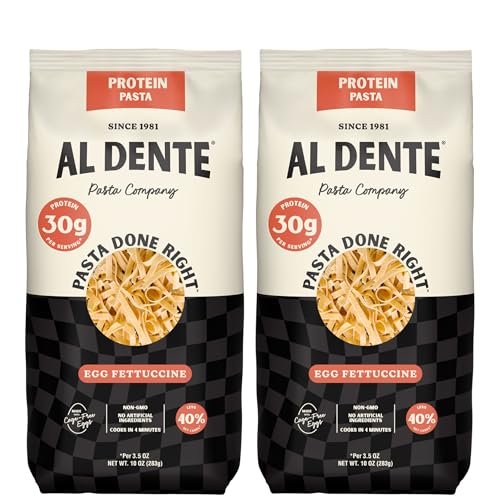
This product, formerly known as Carba-Nada, delivers an extraordinary 30 grams of protein per 3.5-ounce serving while keeping net carbs at 44 grams — a ratio that acts as a powerful brake on post-meal glucose spikes. The egg-based formula uses cage-free eggs and high-protein durum wheat semolina, avoiding the gummy texture that plagues many low-carb alternatives. It cooks in just four minutes, making it a practical weeknight option that doesn’t require a separate meal prep session.
The fettuccine shape holds up well in soups and hearty sauces without turning mushy, a common failure point for protein-enriched pasta. Reviewers consistently note that it tastes and feels closer to standard noodles than other protein pastas on the market, with no lingering aftertaste. The 10-ounce bag size is slightly smaller than traditional pasta boxes, so factor that into portion planning.
For diabetics who miss the familiar egg noodle experience, this is as close as it gets without the carb load. The higher price point per ounce reflects the specialized formulation, but the 30-gram protein hit makes each serving more satiating, reducing the urge to overeat.
Why it’s great
- 30g protein per serving helps maintain stable glucose levels
- Quick 4-minute cook time for busy schedules
- Authentic taste and texture without funky aftertaste
Good to know
- Pack size is 10 ounces, smaller than standard 16-ounce boxes
- Higher cost per serving than conventional pasta
2. Brami Fusilli Italian Protein Pasta
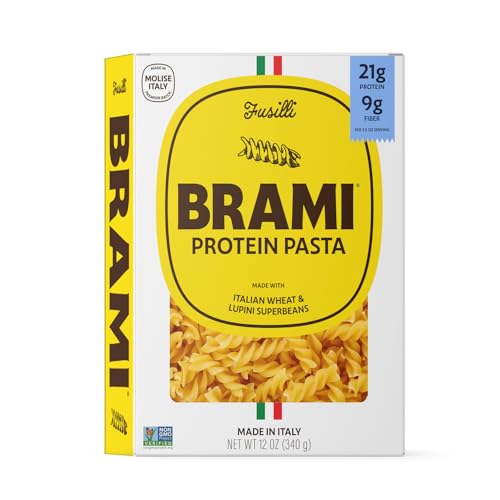
Made in Molise, Italy, Brami’s fusilli is crafted from just two ingredients — Italian durum semolina wheat and lupini beans — with mountain spring water as the only liquid. This minimalist ingredient list means no isolates, concentrates, or modified starches, making it one of the cleanest options available. The final nutritional profile shows 21 grams of protein and 9 grams of fiber per 3.5-ounce serving, with 25 percent fewer net carbs than regular pasta.
The bronze-die cutting creates a rough, porous surface that grabs sauce better than smooth-cut pasta, a meaningful advantage when you want a flavorful meal without dumping extra sugar-laden sauce on top. The lupini bean addition provides a significant fiber bump (9 grams per serving) that slows carbohydrate absorption. Reviewers frequently call it the best high-protein pasta they’ve used, citing texture that reaches close to authentic semolina.
The 8-pack option brings the per-serving cost down compared to single-box purchases, making it a budget-friendly entry point into premium diabetic pasta. For those concerned about American wheat processing standards, this Italian origin pasta is subject to stricter European agricultural regulations.
Why it’s great
- Short, clean ingredient list (just durum semolina & lupini beans)
- Bronze-die cut surface enhances sauce adherence
- Made in Italy with strict European farming standards
Good to know
- Lupini bean flavor is subtle but noticeable to sensitive palates
- May require slightly longer cooking than standard pasta
3. 3 Farm Daughters High Fiber Pasta Variety Pack
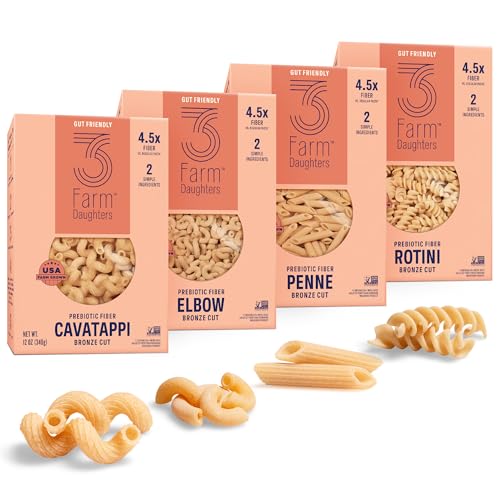
This variety pack from 3 Farm Daughters uses a specialty non-GMO wheat that naturally yields higher resistant starch fiber, delivering 9 grams of fiber per serving — roughly 4.5 times the fiber of traditional pasta. The low-glycemic-index formulation reduces net carbs significantly while keeping the ingredient list to just wheat flour and durum semolina flour, with no added sodium or artificial additives. The pack includes four shapes: elbow, penne, rotini, and cavatappi, providing versatility for different meal types.
The resistant starch acts as a prebiotic, feeding your gut microbiome while slowing glucose digestion. At 8 grams of protein per serving and 10 percent fewer calories than standard pasta, it strikes a balanced nutritional profile that works well for diabetics who want to avoid the high-protein density of legume-based pastas. The farm-to-table sourcing means the wheat is traceable back to the specific farm, adding transparency to the supply chain.
Reviewers consistently praise the taste and texture as indistinguishable from regular pasta, making it an easy transition for families where not everyone manages blood sugar. The larger 4-pack bundle offers good value, though the fiber content is lower than some of the lupini-based competitors.
Why it’s great
- 4.5x more fiber than traditional pasta for slower glucose release
- Prebiotic resistant starch supports gut health
- Variety of shapes keeps meals interesting
Good to know
- Protein content (8g) is lower than legume-based alternatives
- Wheat-based, not suitable for gluten-free diets
4. Banza Chickpea Pasta Spaghetti
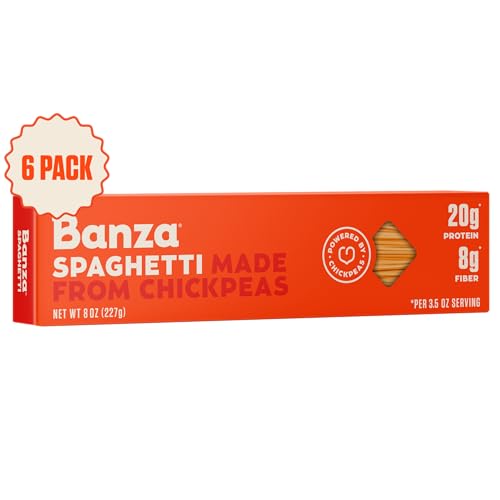
Banza’s chickpea-based spaghetti has been a pioneer in the legume-pasta space, offering roughly half the net carbs of traditional wheat pasta while packing in significantly more protein and fiber. The 8-ounce box size means the serving size is smaller than a standard 16-ounce box of semolina spaghetti, so what looks like a full box is actually two servings — an important detail for portion-conscious diabetics. The chickpea base makes it naturally gluten-free, suitable for those with celiac concerns.
The texture is distinct from wheat pasta — firmer and with a slightly grainy mouthfeel that some reviewers find off-putting if they expect the slipperiness of semolina. It works best with robust sauces like Alfredo or olive oil and Parmesan, which mask the legume flavor. The high protein content makes it very filling, so a smaller portion often satisfies hunger more effectively than a larger portion of standard pasta.
The price per ounce is higher than wheat-based alternatives, but the nutritional density (half the carbs, significantly more protein) may justify the cost for diabetics who prioritize glucose control above all else. For best results, do not overcook — it turns mushy quickly if left in boiling water past the recommended time.
Why it’s great
- Half the carbs of traditional pasta per serving
- Naturally gluten-free and high in protein
- Very filling, reducing the urge for second helpings
Good to know
- Distinct legume texture and flavor, not a traditional pasta replica
- Box size is 8 ounces — half the weight of standard pasta boxes
5. Le Venezian Gluten Free Fettuccine
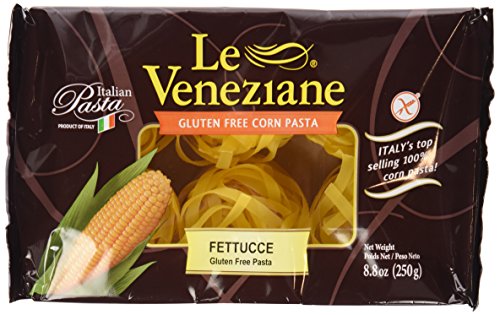
Le Venezian takes a different approach — this fettuccine is made from 100 percent Italian corn, making it naturally gluten-free and highly digestible with a low fat content. For diabetics who also manage celiac disease or gluten sensitivity, this corn-based option avoids the legume-heavy protein content that some find heavy on the stomach. The fettuccine shape works well in Alfredo or stroganoff-style dishes where the wide noodle carries cream-based sauces effectively.
Compared to chickpea or lupini pastas, the corn base has a milder flavor that doesn’t compete with sauces. The texture is described as very close to traditional egg noodles, with reviewers noting that even family members who don’t need gluten-free options couldn’t tell the difference. The cooking time is quick, and the noodles hold up well for leftovers without turning into mush — a practical advantage for meal preppers.
The primary nutritional trade-off is that corn is higher in carbohydrates than legume-based pastas, so this option is best for diabetics who want a gluten-free choice but can accommodate moderate carbohydrate intake within their daily allowance. The 4-pack of 8.8-ounce packages offers good pantry value for those who rotate between multiple pasta types.
Why it’s great
- Made from 100% Italian corn with no dyes or additives
- Excellent texture indistinguishable from traditional egg noodles
- Holds up well for leftovers without becoming mushy
Good to know
- Corn base is higher in carbs than legume-based pastas
- Lower protein and fiber content compared to protein-enriched options
FAQ
How much net carbs should a diabetic pasta have per serving?
Is chickpea pasta better for blood sugar than whole wheat pasta?
Do I need to cook protein pasta longer than regular pasta?
Can I eat pasta if I have type 2 diabetes?
Why does bronze-die cutting matter for diabetic pasta?
Final Thoughts: The Verdict
For most users, the pasta for diabetics winner is the Al Dente Protein Pasta Egg Fettuccine because it delivers the highest protein content (30g per serving) with the quickest cook time, making blood-sugar-friendly meals genuinely practical for daily life. If you want authentic Italian craftsmanship and a clean two-ingredient list, grab the Brami Fusilli Italian Protein Pasta. And for a gluten-free option that handles leftover reheating well, nothing beats the Le Venezian Gluten Free Fettuccine.