A scoop of powder dropped into a glass of cold milk changes everything — silky texture, richer mouthfeel, and a flavor that actually tastes like a real milkshake rather than a chalky afterthought. The difference between a sad, watery shake and a genuinely satisfying one comes down to which protein you choose to pair with dairy. Not every formula is built for that creaminess, and picking the wrong one means clumps, off-flavors, or a gritty finish that no amount of stirring can fix.
I’m Mohammad Maruf — the founder and writer behind AirfryerBite. I’ve spent considerable time analyzing formulation differences, ingredient sourcing, and customer feedback across dozens of protein powders to understand exactly how each one behaves when mixed with milk rather than water.
Whether you aim for a post-workout recovery drink or a breakfast shake that keeps you full, finding the protein powder to drink with milk requires looking beyond just the protein count into sweetness levels, mixability, and digestive comfort.
How To Choose The Best Protein Powder To Drink With Milk
Milk adds fat, protein, and natural sweetness that can either amplify a powder’s strengths or expose its weaknesses. A formula that tastes fine in water can turn cloying or chalky in milk. The key is matching the powder’s protein source, sweetener profile, and mixability to the creamy base you plan to use.
Protein Source — Whey vs. Plant-Based in Milk
Whey protein, especially isolate or concentrate from grass-fed cows, naturally aligns with milk’s dairy base. The fat and casein in milk help whey blend into a seamless, thick texture without separating. Plant-based blends (pea, brown rice, chia) can struggle in milk because their fiber and starch content create a grittier mouthfeel or a thin consistency unless the formula includes a gum or emulsifier to compensate.
Sweetener and Flavor Balance
Milk is naturally sweeter than water, so a powder that relies on stevia, monk fruit, or sucralose can taste overly sweet or develop an artificial aftertaste when combined with dairy. Look for formulas that use subtle natural sweeteners like monk fruit or that keep the sweetness level moderate. Vanilla and chocolate flavors tend to complement milk best, while fruity or tart profiles can clash.
Mixability and Digestive Comfort
Cold milk is thicker than water, which means powders need to dissolve faster to avoid clumps. Whey concentrates and isolates with lecithin (sunflower or soy) mix more readily. Digestive enzymes (like lactase or protease) in the formula help prevent bloating when the powder interacts with milk’s lactose and proteins, especially for those with mild sensitivity.
Quick Comparison
On smaller screens, swipe sideways to see the full table.
| Model | Category | Best For | Key Spec | Amazon |
|---|---|---|---|---|
| Optimum Nutrition Gold Standard Whey | Whey Isolate Blend | Reliable all-day milk shake | 24g protein per scoop | Amazon |
| Premier Protein Plus Fiber Vanilla | Whey + Fiber | Gut-friendly breakfast shake | 25g protein + 7g prebiotic fiber | Amazon |
| Premier Protein Chocolate Milkshake | Whey Concentrate | Indulgent chocolate milk taste | 30g protein per serving | Amazon |
| Santa Cruz Paleo Whey Isolate Chocolate | Grass-Fed Isolate | Clean ingredient chocolate fix | 20g whey isolate per serving | Amazon |
| Clean Simple Eats Variety Pack | Whey Isolate | Samping multiple milk flavors | 20g protein + digestive enzymes | Amazon |
| Orgain Organic Vegan Chocolate Fudge | Plant-Based | Dairy-free milk drinkers | 21g plant protein + 6g prebiotic fiber | Amazon |
| Levels Grass-Fed Whey Vanilla Bean | Whey Concentrate | Subtle vanilla clean label | 24g protein from grass-fed cows | Amazon |
In‑Depth Reviews
1. Optimum Nutrition Gold Standard 100% Whey, Double Rich Chocolate
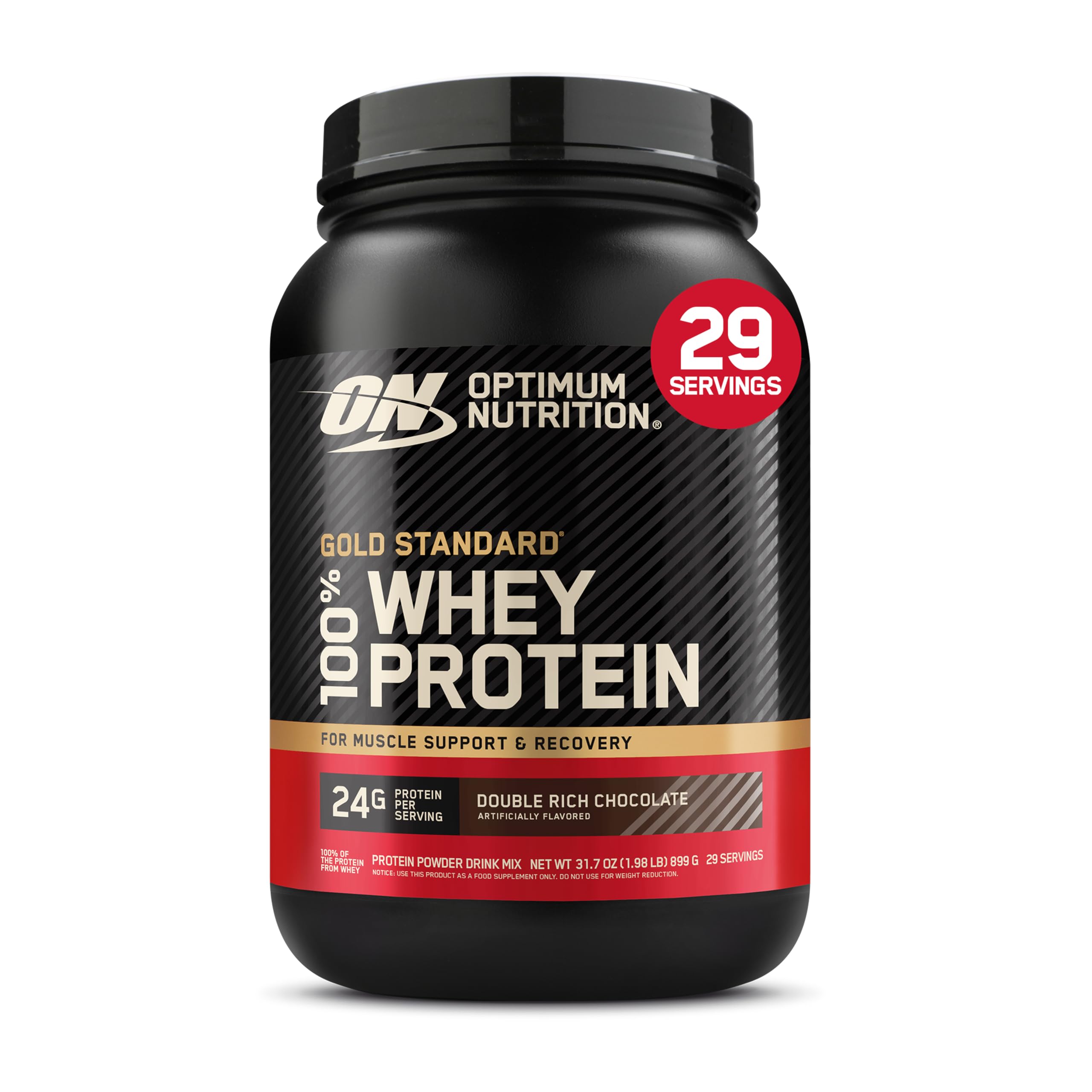
Optimum Nutrition Gold Standard has been the benchmark in the whey category for nearly two decades, and its Double Rich Chocolate flavor is particularly well-suited for milk. The primary ingredient is whey protein isolate, which means most of the fat and lactose have been filtered out, leaving a lean 24 grams of protein per scoop that dissolves instantly in cold milk without clumping.
In milk, the flavor profile reads like a muted, creamy chocolate milk rather than an artificial candy bar. The sweetness is balanced — noticeable but not cloying — and the 5.5 grams of naturally occurring BCAAs support post-workout recovery without requiring a separate supplement. The formula contains lecithin for easy mixing, and a quick shake in a blender bottle produces a smooth, velvety texture every time.
The only real caveat is that some users with lactose sensitivity may still react to the trace amounts present in the isolate. Optimum Nutrition does not include added digestive enzymes, so if you know dairy bothers you, this may not be the gentlest option. That said, for sheer consistency, taste, and value per gram of high-quality protein mixed with milk, this remains the most trusted pick.
Why it’s great
- Instantized formula dissolves instantly in cold milk with no grit
- Double Rich Chocolate flavor tastes like balanced chocolate milk, not artificial
- 24g of fast-absorbing whey isolate per scoop with a low 3g carb count
Good to know
- No added digestive enzymes; may cause bloating for sensitive individuals
- Premium price per tub compared to some concentrate-based alternatives
2. Premier Protein Powder Plus Fiber, Vanilla
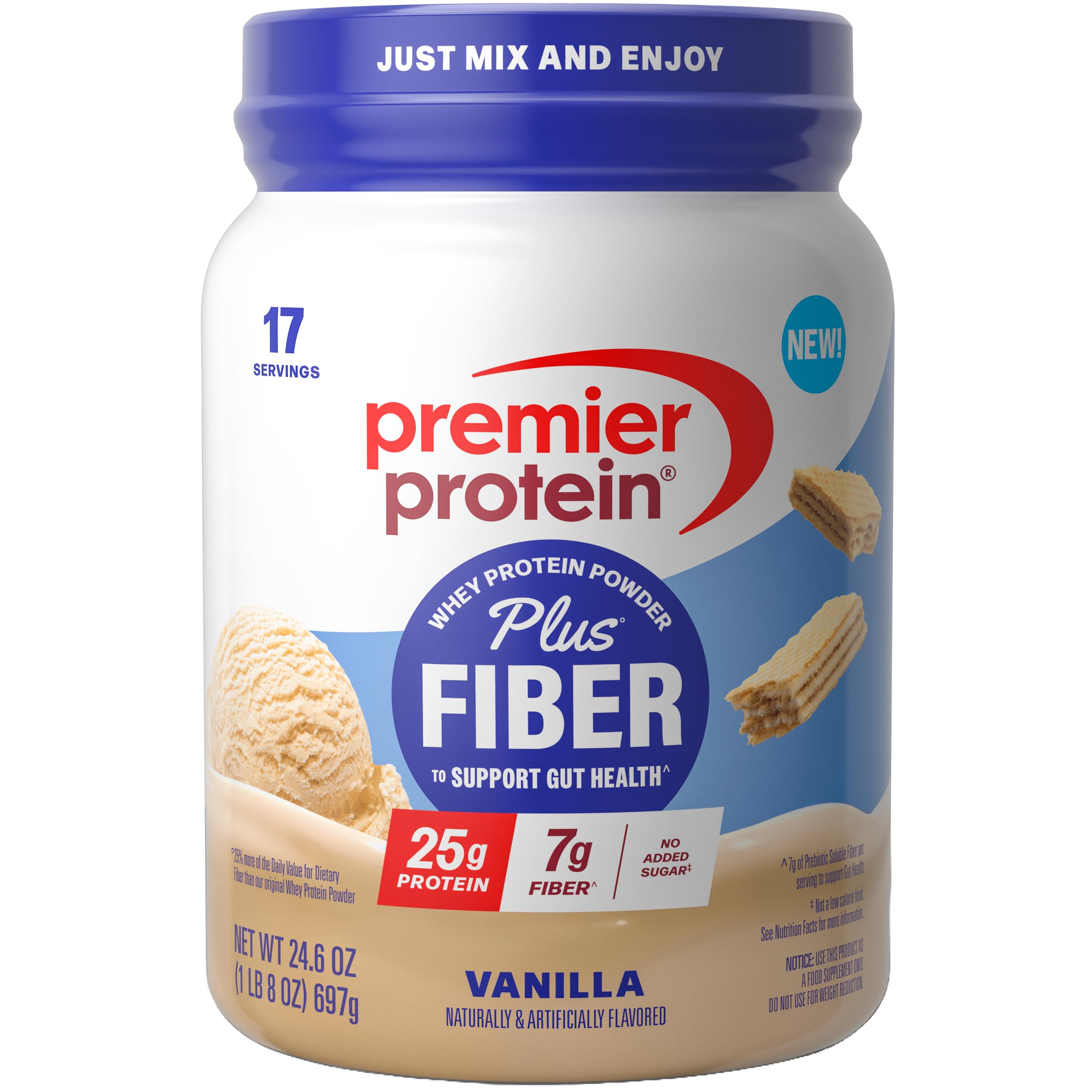
Premier Protein took its popular whey formula and added 7 grams of prebiotic fiber per serving without sacrificing the creamy vanilla taste that mixes exceptionally well with milk. Each scoop delivers 25 grams of protein, and the fiber blend (a mix of three types) supports gut health while also thickening the shake slightly — a welcome effect when combined with the natural body of milk.
The vanilla flavor is smooth and not overly sweet, making it a strong base for adding fruit or coffee. Customers consistently report that it blends seamlessly with skim or 2% milk using just a spoon, with no chalky residue. The added fiber means this shake keeps you full noticeably longer than standard whey, which is useful for breakfast or a meal replacement.
On the downside, the fiber can make the shake feel slightly heavier, and some users note a mild artificial aftertaste from the sweeteners used (sucralose). It also doesn’t carry third-party certification for purity testing, which matters to some buyers. But for a dual-purpose protein and fiber supplement that works beautifully in milk, this stands out.
Why it’s great
- 7g prebiotic fiber promotes gut health and adds satisfying thickness in milk
- 25g protein per scoop with no added sugar
- Won the American Masters of Taste Gold Medal for flavor
Good to know
- Sweetened with sucralose, which some may find leaves a mild aftertaste
- Not third-party tested for purity or banned substances
3. Premier Protein Powder, Chocolate Milkshake
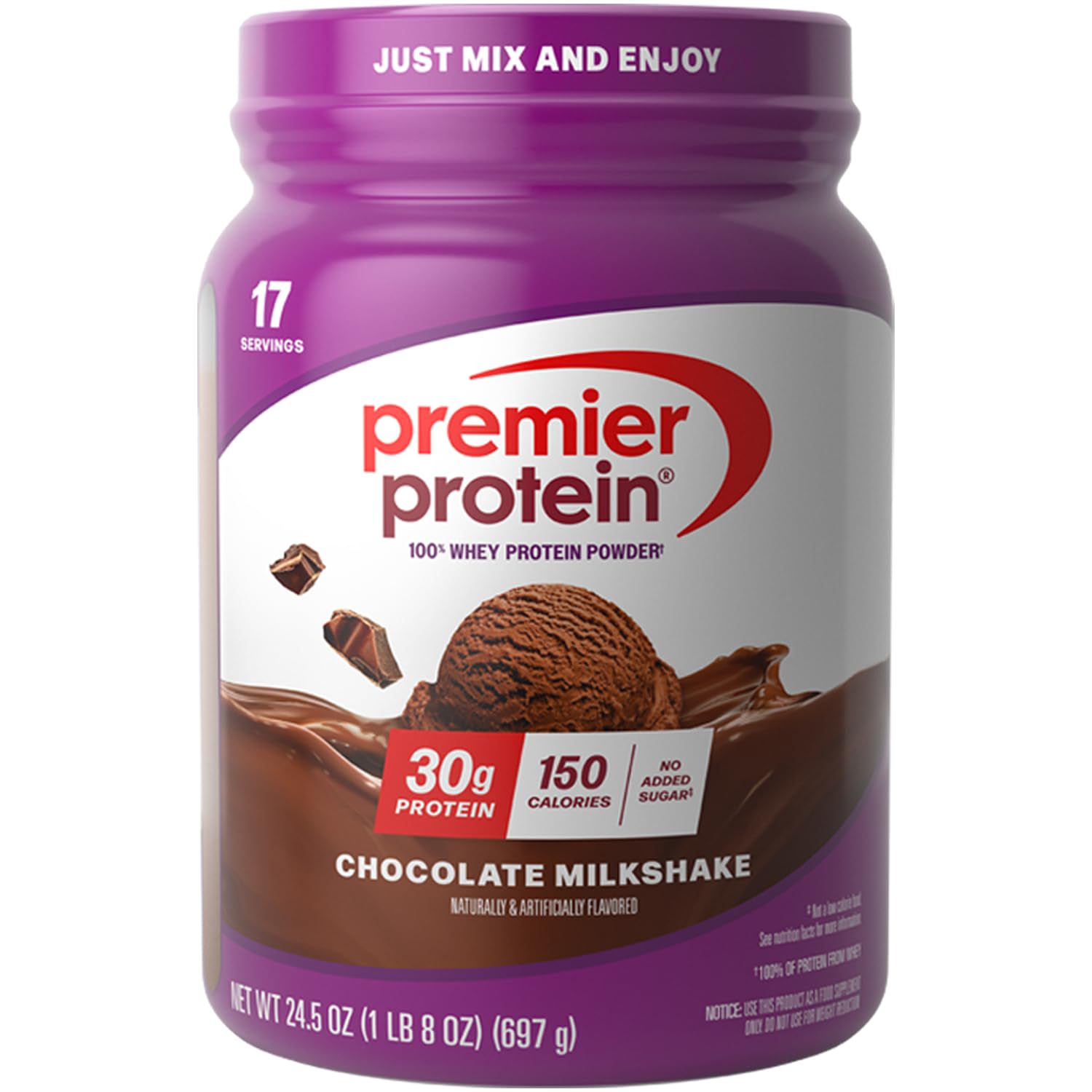
If you want a protein shake that genuinely tastes like a chocolate milk dessert, Premier Protein’s Chocolate Milkshake flavor is hard to beat. Each serving packs 30 grams of whey protein with only 1 gram of sugar and 150 calories, yet the flavor profile leans rich and creamy rather than thin or watery when mixed with milk.
The secret is the whey concentrate base, which retains more of the natural milk fat and mouthfeel than isolate-heavy formulas. Combined with cold 2% or whole milk, the shake becomes thick enough to feel indulgent. Customers consistently note that it tastes significantly better than competing 30g protein powders, with no chemical aftertaste and a sweetness level that doesn’t become cloying in dairy.
The main drawback is that whey concentrate contains more lactose, which can cause digestive discomfort for those with sensitivity. Additionally, the formula uses sucralose as a sweetener, and a small number of reviews mention a mild cooling sensation on the tongue. But for a high-protein, low-sugar option that nails the chocolate milk experience, this is the top choice.
Why it’s great
- 30g protein per serving with only 1g sugar and 3g carbs
- Rich chocolate flavor that tastes like real chocolate milk when mixed with dairy
- Versatile for baking, smoothies, or coffee creamer replacement
Good to know
- Whey concentrate is higher in lactose, potentially problematic for sensitive stomachs
- Contains sucralose; some users report a slight cooling aftertaste
4. Santa Cruz Paleo Whey Protein Isolate, Chocolate

Santa Cruz Paleo focuses on ingredient purity: grass-fed whey isolate, no added sugar, no artificial sweeteners, and a straightforward cocoa flavor that works well in milk. Each scoop delivers 20 grams of protein with only 100 calories and 2 grams of carbs, making it a lean option that doesn’t rely on heavy flavoring to taste good.
When mixed with milk, the chocolate flavor is mildly sweet and genuinely chocolatey — not reliant on sucralose or stevia for punch. The texture is smooth, though a few customers mention tiny chocolate flecks that require a few extra seconds of shaking. The monk fruit sweetener is subtle and doesn’t clash with milk’s natural sweetness, and the clean ingredient list avoids gums, fillers, and artificial dyes entirely.
The tradeoff is the lower protein count per scoop (20g vs. 24-30g for competitors) and a higher price per gram of protein. It also lacks digestive enzymes, and the chocolate chunks mentioned by some users can be a minor nuisance. But for those who prioritize a short, recognizable ingredient list and grass-fed sourcing, this is one of the cleanest options for mixing with milk.
Why it’s great
- Grass-fed whey isolate with no artificial sweeteners or added sugar
- Monk fruit sweetener provides subtle sweetness that pairs well with milk
- Low calorie (100 cal) and low carb (2g) per serving
Good to know
- 20g protein per scoop is lower than many competitors at similar price points
- Some users report small chocolate flecks that don’t fully dissolve
5. Clean Simple Eats Whey Isolate Protein Variety Pack
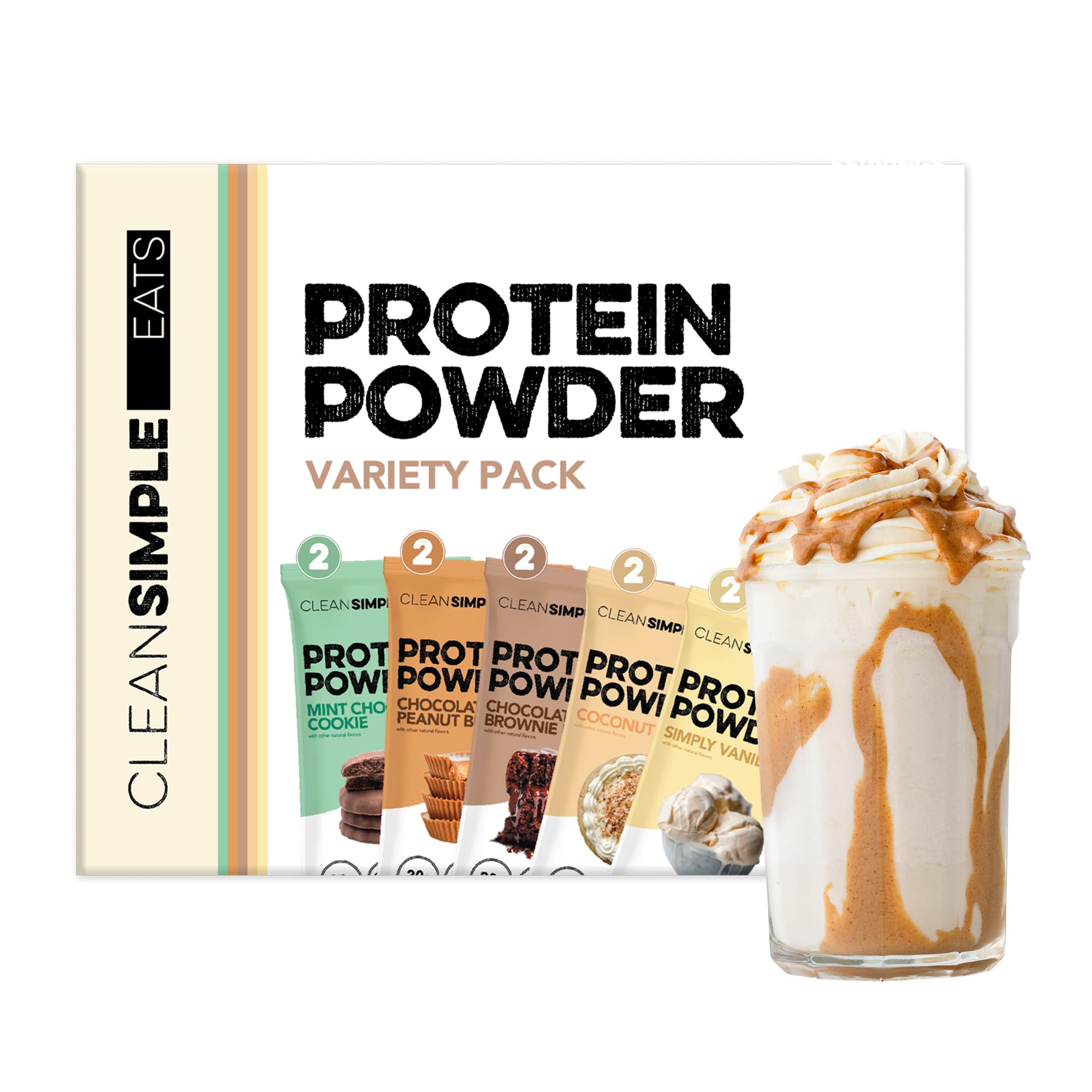
Clean Simple Eats takes a different approach by offering a 10-packet variety pack that lets you sample five flavors — Simply Vanilla, Chocolate Brownie Batter, Chocolate Peanut Butter, Coconut Cream, and Mint Chocolate Cookie. Each packet contains 20 grams of grass-fed whey isolate and a digestive enzyme blend, which is a thoughtful addition for those who experience bloating from standard whey.
When mixed with milk, the flavors behave differently: Coconut Cream becomes a thick tropical shake, Vanilla is clean and versatile, and Mint Chocolate Cookie tastes like a dessert without being cloying. The digestive enzymes help break down lactose and milk proteins, making this one of the gentler options for mixing with dairy. Customers consistently mention that the texture is smooth, with no grittiness or clumping even with a spoon.
The downsides are the limited serving size (only 10 packets) and the higher cost per serving compared to bulk tubs. Some flavors, like Chocolate Peanut Butter, have a noticeably artificial candy-like taste. But for a low-commitment way to find your ideal milk-compatible protein or for travel convenience, this variety pack is well-executed.
Why it’s great
- Includes digestive enzymes that improve tolerance when mixing with milk
- Five distinct flavors allow you to find your favorite without buying a full tub
- Grass-fed whey isolate with no artificial dyes, sweeteners, or fillers
Good to know
- Only 10 servings per box; higher cost per serving than bulk purchases
- Some flavors (Chocolate Peanut Butter) lean toward artificial candy notes
6. Orgain Organic Vegan Protein, Creamy Chocolate Fudge
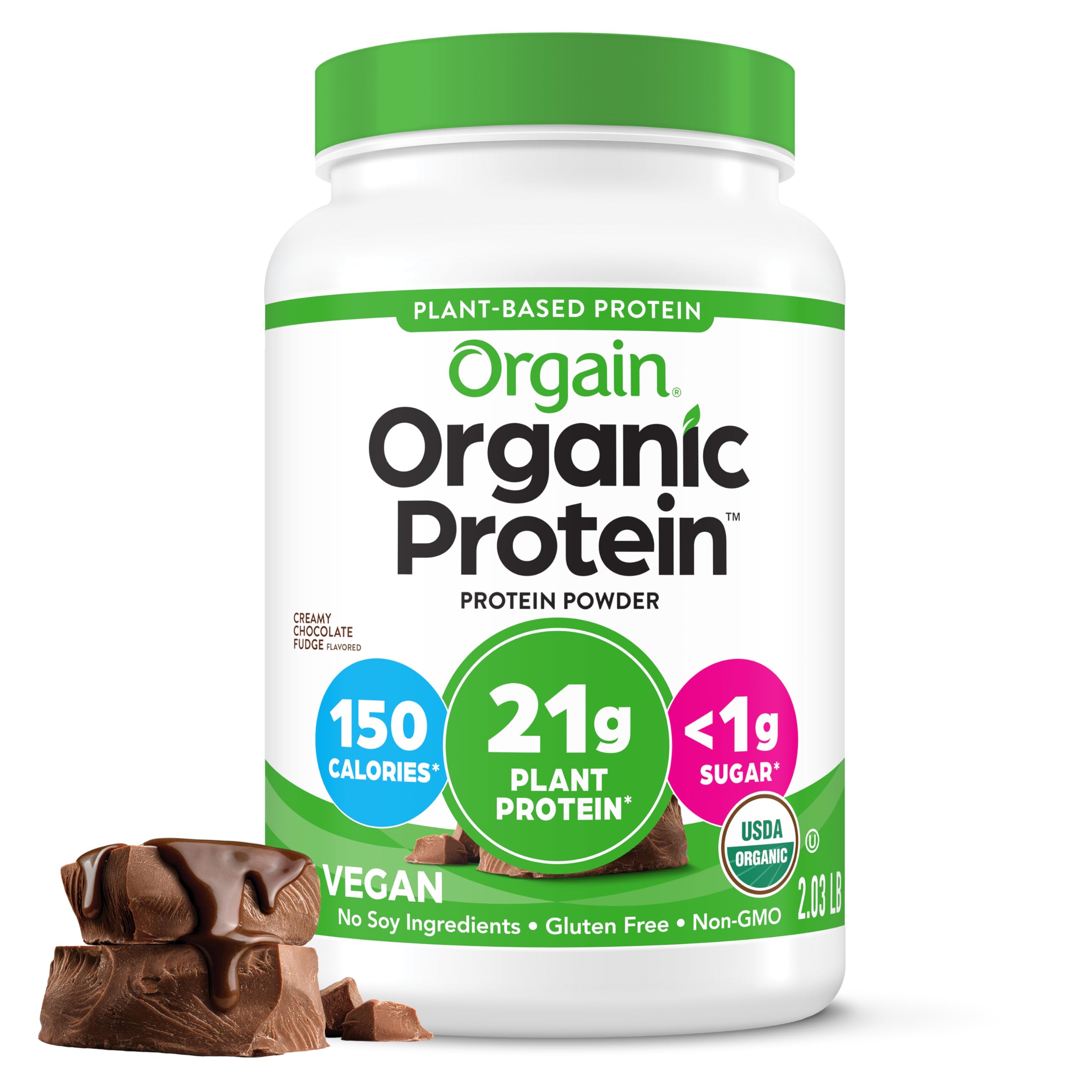
For those who cannot or prefer not to consume dairy, Orgain’s organic plant-based formula offers a solid alternative that still performs well with milk — in this case, oat or almond milk. The protein blend (pea, brown rice, and chia) provides 21 grams of protein and 6 grams of prebiotic fiber per serving, with no added sugar and no artificial ingredients.
In non-dairy milk, the Creamy Chocolate Fudge flavor is rich and cocoa-forward, though the texture is slightly thicker and more fibrous than whey-based powders. Customers note that mixing with a small amount of milk first helps prevent clumps. The added fiber makes it filling enough for meal replacement, and the organic certification appeals to label-conscious buyers.
The biggest challenge is taste and texture divergence from whey — the plant proteins have a distinct earthiness that can clash with cow’s milk if used, and the chalkiness is more pronounced. It also contains less protein per serving than most whey options. But for a vegan-friendly protein that mixes acceptably with plant milk and delivers gut-healthy fiber, it’s a leading choice.
Why it’s great
- USDA Organic, vegan, gluten-free, and no artificial sweeteners or preservatives
- 6g prebiotic fiber supports digestive health and increases satiety
- Works well in non-dairy milks like oat and almond for creamy shakes
Good to know
- Plant-based texture is thicker and more chalky than whey in cow’s milk
- Only 21g protein per serving; lower than many whey-based competitors
7. Levels Grass-Fed Whey Protein, Vanilla Bean
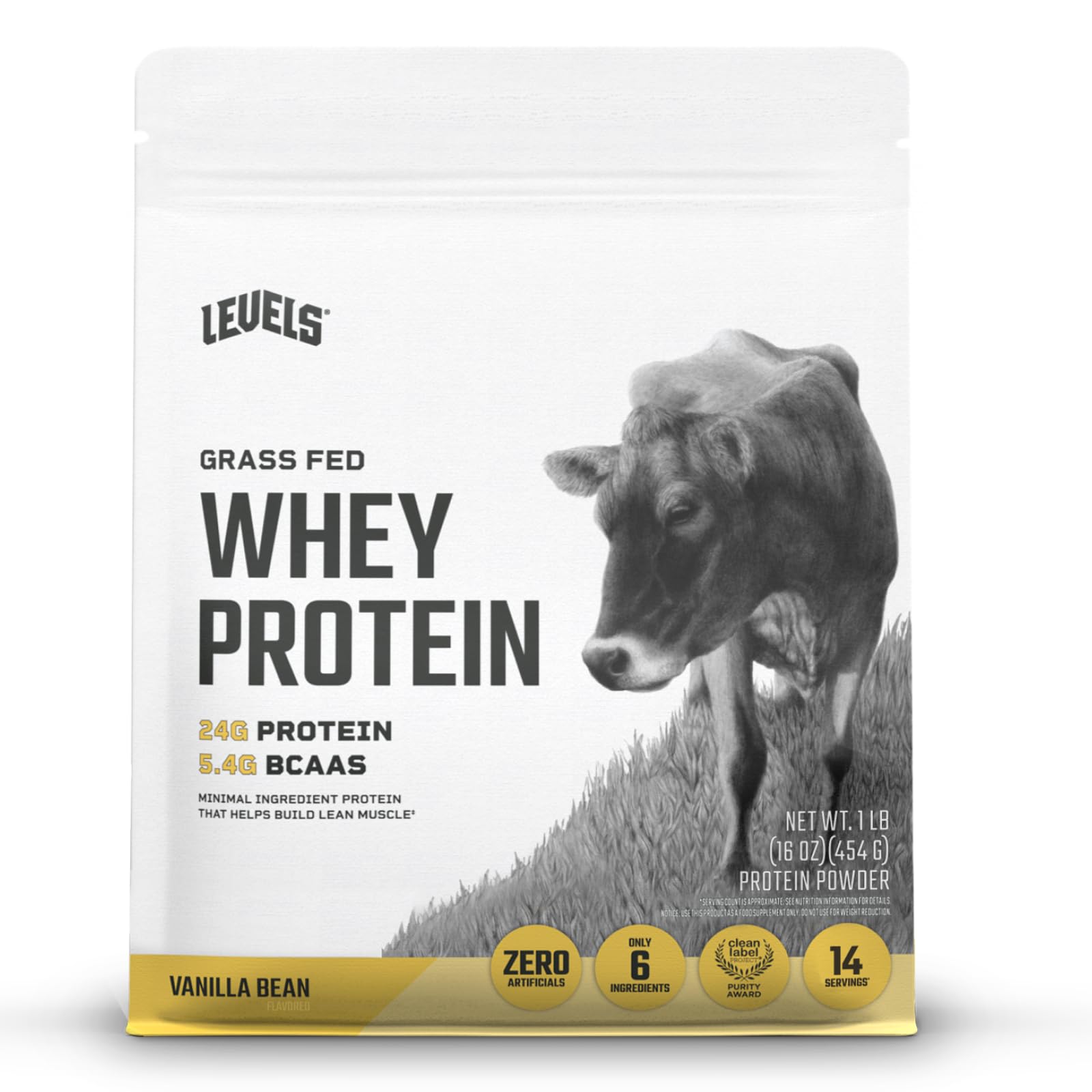
Levels Whey takes a minimalist approach: grass-fed whey concentrate, Madagascar vanilla extract, and monk fruit for sweetness — nothing else. Each scoop delivers 24 grams of protein with no added sugars, no GMOs, no soy, and no artificial flavors. The 1-pound bag yields 14 servings, making it a good entry point for trying a clean-label whey.
In milk, the vanilla flavor is noticeably subtle and less sweet than most competitors. The monk fruit sweetener leaves a faintly clean finish that complements milk’s natural creaminess without overpowering it. The texture is smooth, though some customers report needing a blender to avoid clumps, as the powder doesn’t dissolve instantly with a spoon in cold milk.
The biggest limitation is the small container size — 14 servings means frequent reordering, and the price per serving is higher than bulk options. The subtle flavor may also be too mild for those who prefer a bolder vanilla or chocolate kick. But for someone seeking the shortest ingredient list with grass-fed sourcing and no artificial anything, Levels delivers exactly what it promises.
Why it’s great
- Grass-fed, hormone-free whey concentrate with no artificial ingredients
- Subtle vanilla flavor from real Madagascar extract, not synthetic flavoring
- Low sugar (2g) and clean label suitable for restrictive diets
Good to know
- Only 14 servings per bag; requires frequent repurchasing
- Subtle flavor may be too mild for those who prefer sweet, bold shakes
FAQ
Does whey isolate mix better with milk than whey concentrate?
Will plant-based protein powder taste okay in cow’s milk?
Why does my protein powder turn clumpy when I add milk first?
How much milk should I use per scoop to get a milkshake consistency?
Final Thoughts: The Verdict
For most users, the protein powder to drink with milk winner is the Optimum Nutrition Gold Standard Whey because it delivers consistent mixability, balanced Double Rich Chocolate flavor, and 24g of fast-absorbing whey isolate in every scoop. If you want added gut health support and a thicker shake, grab the Premier Protein Plus Fiber Vanilla. And for an indulgent, dessert-like chocolate milk experience, nothing beats the Premier Protein Chocolate Milkshake.