That gritty, bitter paste sitting in your pantry is the single biggest thing standing between you and a restaurant-quality hummus. The difference between a flat, grainy dip and one that’s silky, nutty, and deeply satisfying comes down to one ingredient: the sesame paste itself. The right tahini brings a rich, roasted creaminess that binds the chickpeas and lemon into a cohesive, luxurious texture; the wrong one leaves you with a thin, broken sauce and an aftertaste you can’t ignore.
I’m Mohammad Maruf — the founder and writer behind AirfryerBite. Over years of analyzing pantry staples and testing countless batches of hummus, I’ve broken down exactly what separates a premium sesame paste from a subpar one, focusing on grind texture, seed origin, and natural oil separation behavior.
The line between a good dip and a great one hinges on the specific sesame paste you use. Here is the definitive guide to choosing the absolute best tahini for hummus based on real-world kitchen performance and hard specs.
How To Choose The Best Tahini For Hummus
Not all sesame pastes are created equal. The difference in your final hummus comes down to three critical factors: the grind quality, the oil separation behavior, and the presence of any bitter compounds from the seed hulls. Ignoring these leads to a dip that separates, tastes harsh, or feels sandy on the tongue.
Grind Quality and Texture
The most important spec is how the sesame seeds are ground. Premium tahini uses a traditional stone-grinding method that crushes the seeds into a micro-fine, almost liquid paste. This creates a naturally emulsified state that blends seamlessly with chickpeas. Industrial grinding often leaves larger particles, resulting in a gritty mouthfeel that no amount of blending can fix. Look for descriptions like “stone-ground” or “silky smooth” on the jar.
Seed Origin and Roast Level
Sesame seeds from specific regions—like Ethiopia, the Nile Valley, or Lebanon—carry distinct flavor profiles. Hulled Ethiopian seeds produce a lighter, more delicate nuttiness, while unhulled or darker-roasted seeds from other origins can introduce a pronounced bitterness. For a versatile hummus base, a paste made from hulled, lightly roasted seeds is the standard. The roast level directly controls the bitterness; a burnt seed ruins the entire batch.
Oil Separation as a Quality Indicator
A thick layer of oil sitting on top of a hard, clay-like paste is a hallmark of a lower-quality product that has been over-processed or stored too long. A well-made tahini naturally separates into a loose oil layer and a soft, pourable paste that requires only a quick stir to re-emulsify. The best jars for hummus maintain a creamy consistency that doesn’t require vigorous scraping or heat to become workable.
Quick Comparison
On smaller screens, swipe sideways to see the full table.
| Model | Category | Best For | Key Spec | Amazon |
|---|---|---|---|---|
| Al Kanater Tahini | Premium | Large Batch Hummus | 32 oz, Drip-Free Spout | Amazon |
| Lebanon Valley Tahineh | Premium | Silky Smooth Emulsion | 32 oz, Fully Emulsified | Amazon |
| Seed + Mill Organic | Mid-Range | Organic & Dietary Needs | 16 oz, Ethiopian Sesame | Amazon |
| Har Bracha Tahini | Mid-Range | Traditional Samaritan Flavor | 17.6 oz, 100% Natural | Amazon |
| TAZAH Tahini | Budget | Entry-Level Hummus | 16 oz, Stone-Ground | Amazon |
In‑Depth Reviews
1. Al Kanater Tahini Sesame Paste

This Lebanese import from Al Kanater is the gold standard for anyone serious about making hummus regularly. The 32-ounce container offers a generous volume at a compelling per-ounce value, and the paste itself is described by multiple long-term buyers as “thin, well-mixed, and fresh” straight out of the jar. The texture is notably creamy with nearly zero bitterness, which is the primary reason it works so well as a hummus base. The drip-free spout on the container is a simple but brilliant convenience that keeps your pantry shelf clean.
Multiple reviewers who have purchased this item over a dozen times confirm it delivers the “best balance of smoothness and flavor” for hummus specifically. One dedicated buyer notes that the paste never hardens into a rock-like consistency that requires scraping; a simple upside-down storage keeps it perfectly pourable. The flavor is described as addictive enough to eat straight from the jar, yet it never overwhelms the chickpeas and lemon in the final dip.
Given its premium production in Lebanon from 100% natural ground sesame seeds, this is the most consistent performer for achieving a restaurant-quality hummus at home. The absence of any whitening chemicals or preservatives means you get a pure, clean nuttiness every time. If you make hummus more than once a month, this is the jar to buy.
Why it’s great
- Exceptionally creamy texture with no bitterness
- Large 32 oz container with drip-free spout
- Consistent quality batch after batch
Good to know
- Premium cost per jar
- Large size may be too much for occasional use
2. Lebanon Valley Tahineh Extra

Lebanon Valley’s Tahineh Extra earns its name with a consistency that is remarkably smooth and fully emulsified right from opening. Multiple verified buyers comment that it lacks the typical inch-deep oil layer that plagues other brands, meaning you can start making hummus without a lengthy stirring session. The flavor is described as “amazing” and “super fresh,” with a taste that is perfectly balanced for hummus, baba ghanoush, and sauces.
One long-time user specifically notes that this is the only tahini they trust for homemade hummus because it doesn’t separate into hard chunks and oil sludge. The packaging is compact and secure, keeping the paste fresh for a long shelf life. At 32 ounces, it offers a comparable volume to the premium options but with an emphasis on the silkiest possible texture.
For those who consider texture the single most important attribute of hummus, this bottle delivers a foolproof experience. The paste mixes effortlessly with chickpeas without requiring extra blending or ice water tricks. It is a consistent, high-quality workhorse for the serious home cook.
Why it’s great
- Fully emulsified, no hard stirring needed
- Fresh, clean flavor profile
- Generous 32 ounce bottle
Good to know
- Premium price point
- Large bottle may occupy pantry space
3. Seed + Mill Organic Tahini

Seed + Mill is a women-owned New York brand that has received significant media attention, and for good reason. Their organic tahini uses hulled Ethiopian sesame seeds that are roasted to a specific point to create an earthy yet non-bitter flavor. The texture is described by users as “silky” and “not gritty,” making it an excellent choice for those who prioritize a smooth hummus. The 16-ounce jar is smaller than the bulk options, making it ideal for testing or less frequent use.
Multiple reviewers specifically call out how easy this tahini is to use, with one noting it pairs well with maple or date syrup for a sweet dip, while another confirms it makes “firm humus” with a great thickness. The paste is thinner than some competitors, which a few users found surprising, but this consistency actually makes it easier to blend into a sauce without clumping. It is certified organic, kosher, vegan, and gluten-free, accommodating almost any dietary restriction.
For the buyer seeking a premium, organic product that works equally well in hummus, halva, and salad dressings, Seed + Mill delivers a clean, sophisticated flavor. The smaller jar size means you pay more per ounce, but the quality of the Ethiopian seeds is immediately noticeable in the final dip.
Why it’s great
- Organic Ethiopian sesame seeds for clean flavor
- Silky, non-gritty texture
- Versatile for sweet and savory dishes
Good to know
- Higher cost per ounce than bulk brands
- Thinner consistency may not suit all preferences
4. Har Bracha Tahini Paste
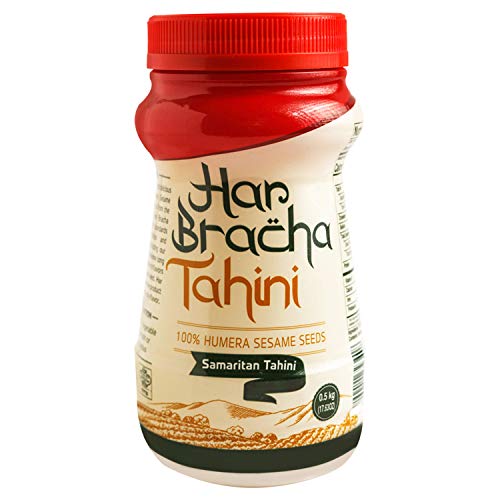
Har Bracha offers a truly unique story: this tahini is made by a Samaritan family business in Mount Gerizim, Israel, using sesame seeds sourced from the Great Nile. The result is a paste that is 100% natural with no additives. Reviewers consistently call it the “best tahini ever,” praising its smooth, rich texture and complete absence of bitterness. The paste requires a simple mixing with salt, lemon, and water to reach its optimal consistency.
One verified buyer emphasizes that this is the “best tahini” they have ever bought, with a perfectly nutty and creamy profile that is ideal for hummus, dressings, and falafel. Another notes that it is “smooth, fresh, creamy,” and expresses a wish that it were available in bulk. The jar size of 17.6 ounces sits in a middle ground between the smaller tester jars and the massive bulk containers, making it a practical choice for regular home cooks.
If you value tradition, purity, and a completely natural product, Har Bracha is a compelling option. The only trade-off is the slightly smaller volume compared to the bulk options, but the flavor and texture are consistently praised as world-class.
Why it’s great
- 100% natural with zero additives
- Rich, creamy texture with no bitter aftertaste
- Authentic Samaritan production method
Good to know
- Slightly smaller jar size than premium bulk options
- Requires manual mixing with lemon and water
5. TAZAH Tahini Paste

TAZAH’s tahini is an entry-level option that punches above its weight class. Made from 100% ground toasted sesame seeds sourced from Lebanon, it uses a traditional stone-ground process to achieve a smooth, creamy texture. At 16 ounces, it is a practical size for those new to making hummus or who want a low-commitment jar. Multiple reviewers confirm it has a “smooth consistency and great taste,” with one user declaring they “don’t use anything else anymore.”
The flavor is described as a good balance that replicates the taste of store-bought hummus brands, making it a reliable substitute for those who want to make their own dip at a fraction of the cost. It is all-natural, preservative-free, vegan, and cholesterol-free, fitting most dietary needs without any fuss. While it may not have the ultra-silky texture of premium bulk brands, it delivers a solid performance for its price tier.
For the budget-conscious cook who wants a dependable, everyday tahini for hummus, TAZAH offers an excellent entry point. It won’t win awards for complexity, but it gets the job done with a consistent, pleasant nuttiness that won’t break the bank.
Why it’s great
- Affordable entry-level price point
- Traditional stone-ground for smooth texture
- All-natural with no preservatives
Good to know
- Smaller 16 oz jar may not last long for heavy use
- Texture may be slightly less silky than premium brands
FAQ
Why does my tahini-based hummus taste bitter?
Should I stir the oil back into my tahini before using it for hummus?
How much tahini should I use for a standard batch of hummus?
Final Thoughts: The Verdict
For most users, the tahini for hummus winner is the Al Kanater Tahini because it offers the best balance of creamy texture, low bitterness, and bulk value. If you want organic Ethiopian seeds with a clean, versatile flavor, grab the Seed + Mill Organic Tahini. And for a traditional, authentic taste made by a family business, nothing beats the Har Bracha Tahini.