The defining test of a paella isn’t the protein or the saffron—it’s the grain. Use a long-grain variety and you end up with a dry, separate bowl that never absorbs the sofrito and stock. The wrong rice turns the iconic crusty bottom, the socarrat, into a burnt mess. Picking the right grain is the single non-negotiable step between a decent one-pot meal and the real Valencian experience.
I’m Mohammad Maruf — the founder and writer behind AirfryerBite. I’ve spent years analyzing ingredient sourcing, cooking science, and consumer feedback to separate marketing claims from actual performance in specialty grains.
The goal here is to cut through the noise and give you a clear, no-fluff guide to the best rice for paella based on real specs, authentic origin claims, and verified user results.
How To Choose The Best Rice For Paella
The wrong grain will release too much starch and turn your paella into a risotto, or it will refuse to absorb the broth and stay chalky. Three factors determine whether the rice you pick is worthy of the pan.
Variety: Bomba vs. Calasparra vs. Standard Short-Grain
Bomba is the gold standard. It absorbs up to three times its volume in liquid without turning mushy, which means you can pour in a rich stock and still have each grain remain distinct and al dente. Calasparra is a close runner-up—also a medium-grain from Spain with excellent absorption, though it can be slightly more tender than Bomba. Avoid standard short-grain sushi rice or long-grain Carolina; neither will produce the loose, separate texture or the essential crust.
Origin and Certification
True paella rice carries a Denomination of Origin (D.O.) from Valencia. This certification verifies the rice was grown in the Albufera Natural Park region under traditional methods. Uncertified rice labeled “Spanish-style” often comes from California or Italy and lacks the same starch structure. For authentic results, look for “D.O. Valencia” on the package.
Grain Structure and Absorption Capacity
The interior of Bomba stays firm because its grains are wider and have a harder core than standard medium-grain varieties. This allows the rice to absorb large amounts of broth without breaking apart. If the package does not mention a specific absorption ratio (e.g., 1:3 or 1:4 rice-to-liquid), assume it will behave like a standard rice and require less liquid and a shorter cooking time.
Quick Comparison
On smaller screens, swipe sideways to see the full table.
| Model | Category | Best For | Key Spec | Amazon |
|---|---|---|---|---|
| Matiz Valenciano Paella Rice | Mid-Range | All-purpose traditional paella | Medium-grain, 2.2 lbs, no additives | Amazon |
| Marky’s Spanish Bomba Rice | Mid-Range | Entry-level Bomba experiment | Bomba short-grain, 17.5 oz | Amazon |
| Calasparra Rice (Mitica) | Mid-Range | Consistent socarrat every time | Calasparra Bomba, 2.2 lbs | Amazon |
| La Perla Bomba Rice | Premium | Certified D.O. Valencia purists | Bomba, 2.2 lbs, Slow Food certified | Amazon |
| The Black Hoof Bomba Rice | Premium | High-absorbency traditionalists | Bomba D.O. Valencia, 2.2 lbs | Amazon |
In‑Depth Reviews
1. Matiz Valenciano Paella Rice

Matiz strikes the ideal balance between authenticity and value. This Valencian medium-grain rice is processed without chemicals or preservatives, and it arrives in a reusable flour sack (no plastic inside). Its balanced absorption rate means it works equally well for a straightforward chicken paella, seafood arròs negre, or a mixed version—without needing to adjust liquid ratios the way Bomba often does.
Verified buyers consistently praise it as the only rice they buy for large family paellas, and several reviewers note that the recipe printed on the bag is genuinely useful for beginners. The grain stays tender and absorptive without turning pasty, and multiple long-term purchasers report using it for annual gatherings of two dozen guests with crowd-pleasing results.
The one nuance to note is the cooking time: this rice cooks relatively quickly compared to Bomba, so keeping the flame low is critical to avoid burning the socarrat before the interior is done. If you are accustomed to Bomba’s 18–20 minute window, set a timer for about 14 minutes and check the moisture level early.
Why it’s great
- No additives, non-GMO, gluten-free, and vegan-friendly
- Consistent, forgiving cook time for beginners
- Reusable cloth bag instead of plastic packaging
Good to know
- Cooks faster than Bomba; requires careful heat management for socarrat
- Not a D.O. certification, though sourced from Valencia
2. Marky’s Spanish Bomba Rice
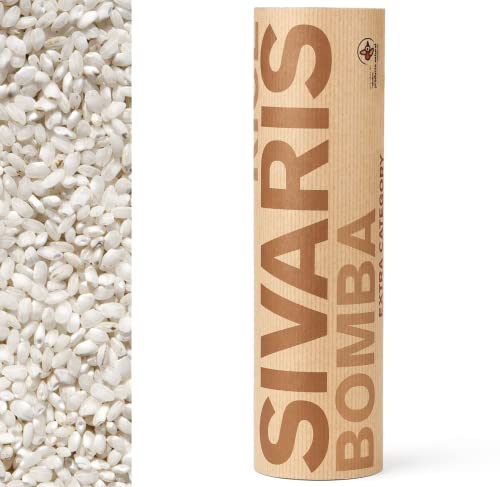
If you want to test Bomba for the first time without committing to a full kilogram, Marky’s provides a smaller 17.5-ounce bag sourced from the Albufera region of Valencia. This Japonica variety is short-grain with a pearly, round appearance, and it cooks up to a fluffy, separate texture that holds the broth well.
Buyers report that this rice produces a satisfying socarrat—the bottom crisped up beautifully on a grill paella—though one reviewer noted the grains were plumper than expected, slightly reducing the al dente bite that Bomba purists look for. Overall, it delivers the core Bomba experience: high liquid absorption, a firm core, and the ability to carry deep flavors from saffron and stock.
Keep in mind that this is a smaller bag for two to three smaller paellas. If you cook large batches regularly, you will run through it quickly. At its price point, it is a fair entry point into Bomba, but the per-ounce cost is higher than buying a full kilo from other brands.
Why it’s great
- Low-risk size for first-time Bomba users
- Vegan and gluten-free with no nuts, dairy, or shellfish
- Forms a good crispy bottom on grill or pan
Good to know
- Grains are slightly plumper than traditional Bomba
- Smaller bag means higher cost per ounce
3. Calasparra Rice (Mitica)

Calasparra is a specific sub-variety from the Calasparra region—often considered Bomba’s equal—and this 1 kg bag from Mitica delivers exactly what experienced paella cooks look for. The rice has a high liquid absorption rate, typically requiring a 4:1 stock-to-rice ratio, and it holds its structure long enough to develop a deep, caramelized socarrat without burning the liquid above.
Multiple verified buyers call this essential for authentic paella. One reviewer who has made dozens of pans for parties emphasized that the rice must be from Calasparra to get correct “tooth” and that this bag yields three full pans per bag. Another noted that it pairs perfectly with Spanish saffron, chorizo, and paprika for a robust flavor profile.
The only trade-off is the price point—it sits higher than non-Bomba options—but buyers repeatedly say the superior results justify the cost. If you are serious about nailing the socarrat every single time and you have a 12-inch or larger paella pan, this is the most reliable choice for consistent performance.
Why it’s great
- 4:1 liquid absorption ratio without grains breaking
- Produces consistently deep, crispy socarrat
- High yield—three medium paellas per bag
Good to know
- Requires more liquid than standard medium-grain rice
- Cost per serving is higher than non-D.O. alternatives
4. La Perla Bomba Rice

La Perla carries three certifications that set it apart: Slow Food Valencia, Kilometro Cero, and Alimentacion Responsable. It is grown in the Albufera Natural Park under Denomination of Origin rules, meaning every step from field to bag is traceable. The manufacturer claims the rice absorbs up to 30 percent of its weight in broth, and verified reviews confirm it delivers a loose, dry texture with a perfect socarrat.
Buyers consistently describe this as the best rice for both paella and baked rice dishes—one reviewer even uses it for risotto, finding it holds up to a creamy texture without turning soupy. The grains stay separate and toothsome, and multiple cooks mention that the results are fresh and consistent from bag to bag.
It is priced in the premium tier, but the certifications and the guarantee of origin make it a strong pick for anyone who wants to cook with the same rice used in Valencian homes. It is also additive-free and naturally grown, so if purity of ingredients matters to you as much as texture, this is the bag to buy.
Why it’s great
- Triple certification: Slow Food, D.O. Valencia, Kilometro Cero
- Absorbs 30% of its weight in broth without breaking
- No chemical preservatives; all-natural farming methods
Good to know
- Premium price point for the certified product
- Best results require correct 4:1 liquid ratio
5. The Black Hoof Bomba Rice

The Black Hoof’s Bomba rice is sourced from the Santo Tomas cooperative in Valencia and carries the D.O. designation. It advertises an absorption capacity of two to three times its volume, and the grain structure is the classic Bomba: a hard, wide core that remains al dente even after a full 18-minute simmer. The 2.2-pound bag yields approximately 10 to 15 servings, making it a solid option for medium-to-large gatherings.
Verified users who typically cook with Carnaroli rice noted that this Bomba added noticeably better structure and that the grains stayed intact while absorbing the full flavor of the stock and saffron. The high absorption means you can be generous with your broth—every grain will carry the seasoning without becoming mushy or sticky.
The bag is imported by The Black Hoof, a Spanish family-owned business committed to customer satisfaction. If you want a straightforward, no-gimmick Bomba with a reliable supply chain and a strong absorption claim, this is the one. The only caveat is that it is less suitable for a quick weeknight cook; the longer simmer time and high liquid ratio require a bit more patience and attention.
Why it’s great
- Absorbs 2–3x its volume while staying al dente
- D.O. Valencia designation from a trusted Spanish supplier
- Large 10–15 serving yield per bag
Good to know
- Longer cooking time than standard medium-grain rice
- Not ideal for quick or low-attention cooking
FAQ
Can I use regular long-grain rice for paella?
What is the difference between Bomba and Calasparra rice?
How do I make socarrat without burning the rice?
Final Thoughts: The Verdict
For most users, the rice for paella winner is the Matiz Valenciano Paella Rice because it delivers authentic Spanish medium-grain performance at a fair price point, with no additives and a forgiving cook time that works for both beginners and seasoned paella makers. If you want a certified D.O. Valencia grain with triple certifications, grab the La Perla Bomba Rice. And for the deepest, most consistent socarrat every time, nothing beats the Calasparra Rice from Mitica.