The biggest complaint from expecting mothers about prenatal vitamins with iron isn’t the size of the pill—it’s the nausea, constipation, and metallic aftertaste that arrive hours later. Standard ferrous sulfate tablets treat the body like a pipeline with little regard for digestion, leaving you stuck between the need for iron and the misery of taking it. This guide cuts through the marketing to identify which iron forms, dosing strategies, and companion nutrients actually deliver the benefits without the side effects.
I’m Mohammad Maruf — the founder and writer behind AirfryerBite. I specialize in breaking down the physiological mechanisms, ingredient sourcing, and third-party testing protocols that separate truly effective supplements from overpriced fillers, with a specific focus on prenatal nutrition formulations.
After analyzing dozens of products based on iron type, cofactor integration, and real user tolerance reports, I’ve assembled the definitive list of best prenatal with iron options that prioritize both maternal absorption and digestive comfort.
How To Choose The Best Prenatal With Iron
Selecting a prenatal with iron isn’t as simple as grabbing the cheapest bottle off the shelf. The chemical form of iron, the dosing schedule, and the presence of synergistic nutrients all determine whether you actually benefit or just deal with side effects. Here are the criteria that matter most for this specific supplement category.
Iron Form: Bisglycinate vs. Ferrous Sulfate
Ferrous sulfate is the cheapest and most common iron form, but it’s also the most likely to cause constipation, nausea, and stomach cramping. Ferrous bisglycinate chelate is bound to the amino acid glycine, which allows it to pass through the digestive tract with minimal irritation while achieving absorption rates comparable to or better than sulfate. If you have a sensitive stomach, bisglycinate is the only form worth considering.
Elemental Iron Dosage and Flexibility
The CDC recommends 27 mg of elemental iron daily during pregnancy, but individual needs vary based on ferritin levels, trimester, and whether you have anemia. Products offering split-dosing flexibility—like capsules with 13.5 mg each that allow you to take one to four per day—give you control over how much you absorb at once without overwhelming your system.
Companion Nutrients: Methylfolate, Choline, and B12
Iron doesn’t work in isolation. Methylfolate (the active form of folate) supports neural tube development and red blood cell production alongside iron. Choline aids fetal brain development. B12 supports energy metabolism. A prenatal with iron should include these cofactors in bioavailable forms rather than folic acid or cyanocobalamin, which require additional conversion steps that some women cannot perform efficiently.
Quick Comparison
On smaller screens, swipe sideways to see the full table.
| Model | Category | Best For | Key Spec | Amazon |
|---|---|---|---|---|
| Pure Encapsulations PreNatal Nutrients | Premium | Clean ingredients with full cofactor support | 27 mg iron + 100 mg choline per serving | Amazon |
| New Chapter Prenatal Vitamins | Mid-Range | Gentle one-a-day with ginger for nausea | Fermented nutrients + methylfolate | Amazon |
| Megafood Baby & Me 2 DHA & Choline | Premium | DHA + choline standalone for brain support | 300 mg choline + 400 mg DHA from algae | Amazon |
| Needed. Prenatal Iron Supplement | Mid-Range | Flexible dosing with ferrous bisglycinate | 13.5 mg per capsule, customizable dose | Amazon |
| ProCare Health Prenatal Bariatric | Mid-Range | Bariatric surgery patients needing high iron | 60 mg iron + 1000 mcg methylfolate | Amazon |
In-Depth Reviews
1. Pure Encapsulations PreNatal Nutrients
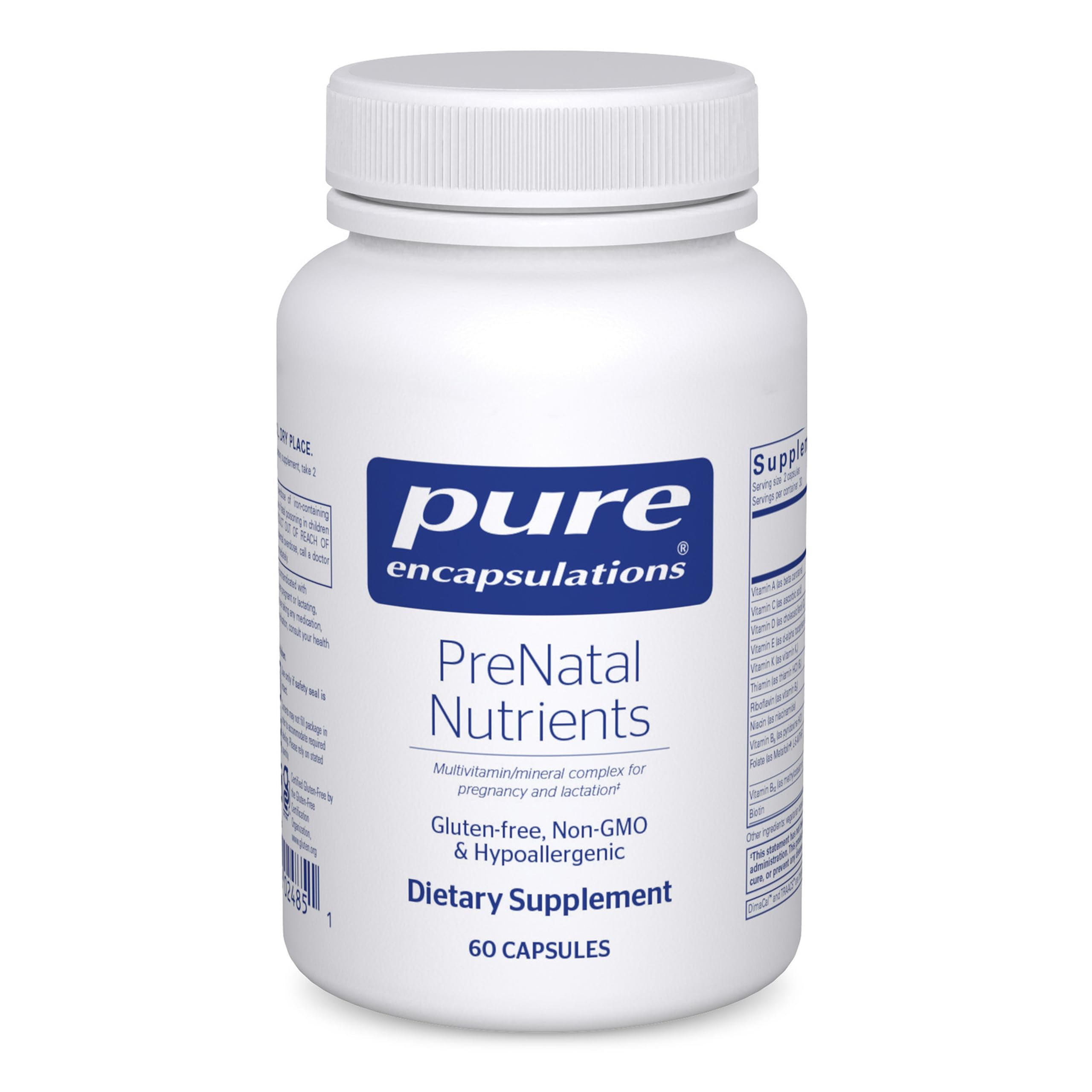
Pure Encapsulations sets the baseline for what a clean, research-backed prenatal with iron should look like. Each two-capsule serving delivers 27 mg of elemental iron and 1 mg of Metafolin L-5-MTHF, the active folate form that bypasses the MTHFR gene mutation issue. The formula also includes 100 mg of choline for fetal brain development, which is a significant inclusion few competitors match at this level.
The brand’s reputation for sourcing is validated by third-party testing for heavy metals and microbial contaminants, and the capsules are free from common allergens including wheat, eggs, tree nuts, and gluten. Users consistently report zero stomach discomfort, no constipation, and no detectable taste, which is rare for any iron supplement. The two-capsule-per-day regimen requires a bit more routine discipline than one-a-day options, but the absorption benefits justify the extra step.
At a premium price point, this is the choice for mothers who want maximum ingredient purity and don’t mind paying more for third-party verification. The choline inclusion alone makes it a standout among standalone prenatal multivitamins with iron.
Why it’s great
- Metafolin active folate for MTHFR support
- 100 mg choline per serving aids brain development
- No fillers, binders, or artificial additives
- User-reviewed as gentle on the stomach
Good to know
- Requires two capsules daily rather than one
- Premium pricing compared to mass-market brands
2. New Chapter Prenatal Vitamins
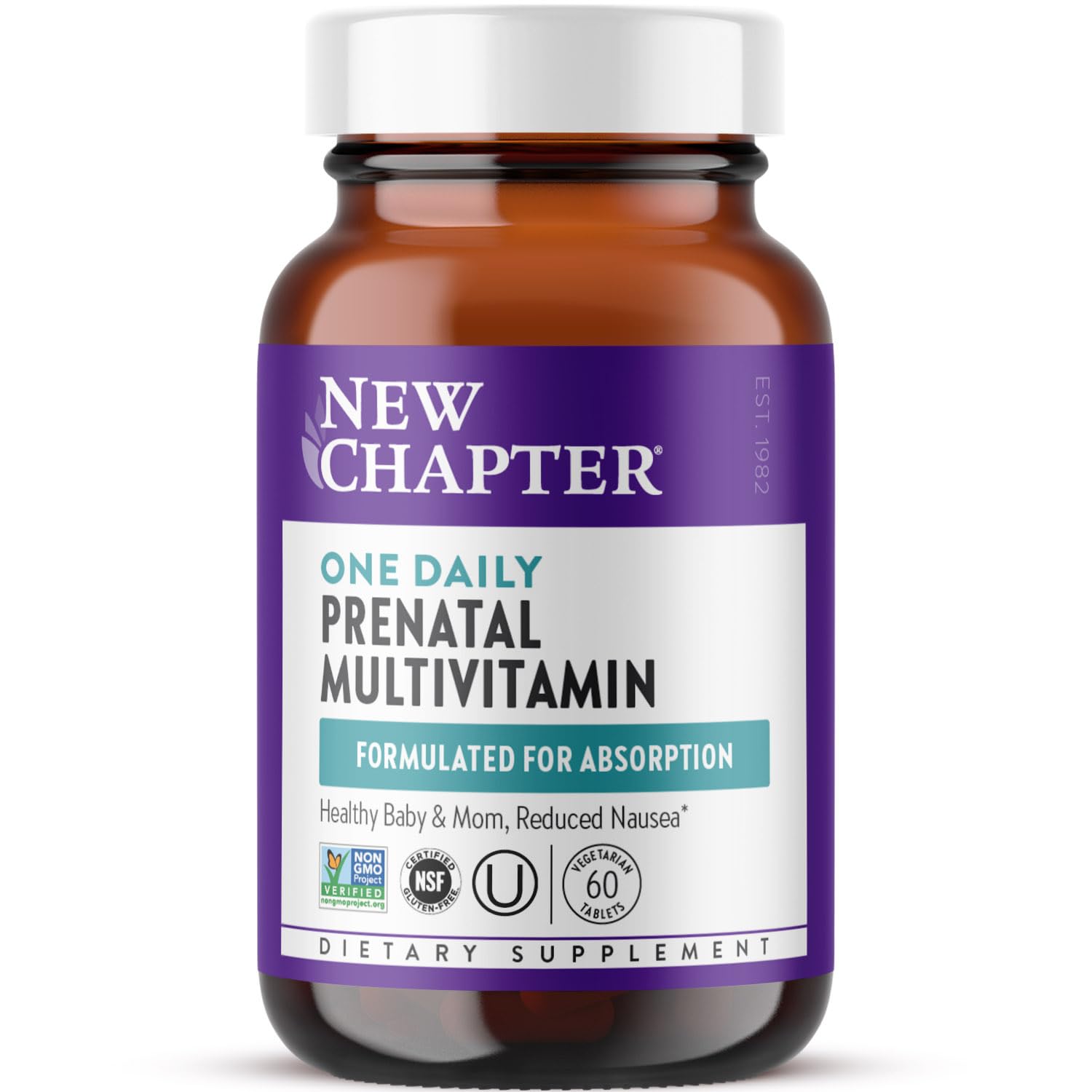
New Chapter takes a food-first approach by fermenting their nutrients with yeast and probiotics, theoretically making them more recognizable to your digestive system. The one-daily tablet includes non-constipating iron alongside methylfolate and choline, and adds a clinical dose of ginger specifically to ease morning sickness—a thoughtful design choice that addresses two major pregnancy complaints simultaneously.
The tablet is larger than average, but users report it’s easy to swallow and leaves no aftertaste. The certification list is impressive: Non-GMO Project Verified, Certified Gluten-Free by NSF, and Certified Kosher. Some users noted that the pills can become sticky or degrade if stored in humid environments, so keep the bottle in a cool, dry place. A few reviews mention a strange taste that could be off-putting to sensitive individuals.
For a mid-range price, you get a thoughtfully formulated one-a-day prenatal with iron that actively fights nausea rather than triggering it. The fermented nutrient approach is a genuine differentiator, though the tablet stability requires attention during storage.
Why it’s great
- One-a-day format simplifies routine
- Ginger content helps reduce morning sickness
- Fermented nutrients for easier digestion
- Multiple third-party certifications
Good to know
- Tablet can become sticky in humid storage
- Some users report a strong taste
3. Megafood Baby & Me 2 DHA & Choline Prenatal
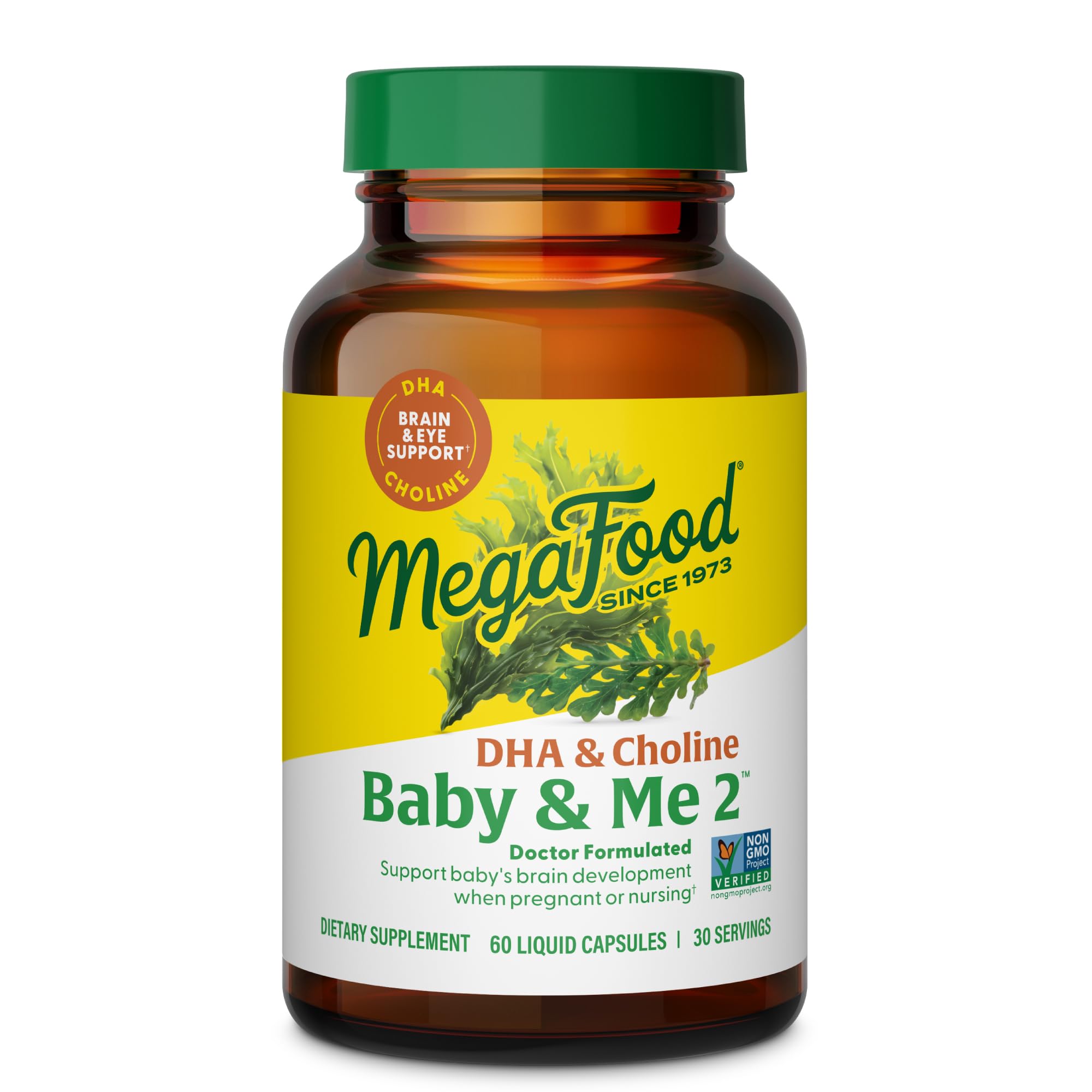
Megafood Baby & Me 2 is a targeted DHA and choline supplement rather than a full multivitamin, making it an ideal companion to a separate prenatal with iron. Each two-capsule serving provides 400 mg of DHA from algae (fish-free and vegan-friendly) and 300 mg of choline—levels that significantly exceed what most all-in-one prenatals deliver. The lemon oil infusion masks the typical marine oil taste effectively.
The capsules are easy to swallow, and users consistently note the pleasant lemon scent and absence of fishy burps. The formula is tested for 150 chemical substances and is free from the top nine allergens, including fish, shellfish, and soy. This is not a standalone iron source, so you’ll need to pair it with an iron-containing prenatal, but for mothers who prioritize fetal brain and eye development, the choline and DHA doses here are unmatched.
The price sits in the premium tier, but when you consider the high doses of two hard-to-find nutrients in bioavailable forms, the value becomes clear. If your primary concern is neurological development support, this is the product to add to your regimen.
Why it’s great
- High-dose DHA from sustainable algae source
- 300 mg choline per serving supports brain development
- Lemon oil eliminates fishy aftertaste
- Vegan-friendly and allergen-free formula
Good to know
- Not a complete multivitamin; must pair with iron source
- Liquid capsules may feel oily to some users
4. Needed. Prenatal Iron Supplement

Needed. takes a flexible approach that few other prenatal iron supplements offer: each capsule contains 13.5 mg of elemental iron as ferrous bisglycinate chelate, and the directions allow you to take one to four capsules per day based on your individual ferritin levels and practitioner advice. This modular dosing is ideal for mothers who want to start low and increase gradually, or who need supplemental iron on top of a separate prenatal multivitamin.
The bisglycinate form is explicitly chosen for its superior absorption and gentle impact on the stomach, and user reviews confirm that constipation and cramping are virtually absent—even among women who previously struggled with standard iron tablets. One reviewer saw her ferritin jump from 11 to 20 within the first bottle. The capsules are vegan, non-GMO, and gluten-free, with each batch third-party tested for allergens and microbes.
The major limitation is that this is an iron-only supplement, not a full prenatal multivitamin. You would need to combine it with a separate DHA, folate, and vitamin D source. For mothers specifically looking to address low iron without the side effects, however, this is the most customizable and gentle option available.
Why it’s great
- Flexible dosing from 13.5 to 54 mg per day
- Ferrous bisglycinate minimizes digestive issues
- Verified ferritin improvements in user reviews
- Third-party tested for purity and identity
Good to know
- Iron only—not a complete prenatal multivitamin
- Requires medical guidance for optimal dosing
5. ProCare Health Prenatal Bariatric Multivitamin with Iron
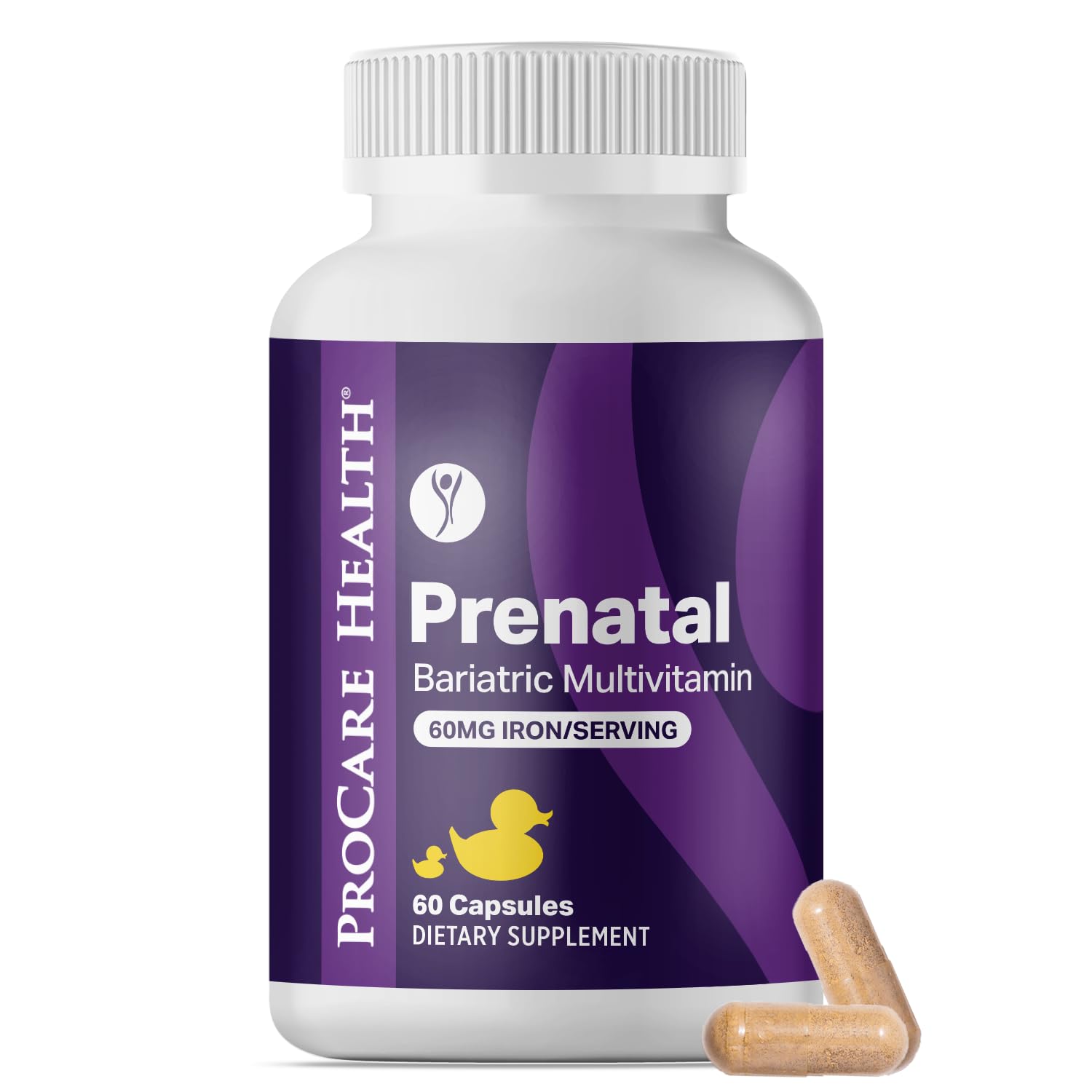
ProCare Health addresses a very specific niche: women who have undergone gastric bypass or sleeve surgery and are now pregnant or planning pregnancy. Post-bariatric patients have dramatically reduced stomach capacity and altered nutrient absorption, making standard prenatal doses insufficient. This formula delivers 60 mg of elemental iron per serving and 1000 mcg of L-methylfolate—levels that compensate for malabsorption while supporting fetal development.
Developed with healthcare professionals, the capsules are easy to swallow and user reviews repeatedly mention that lab work stayed within normal ranges throughout pregnancy. Some mothers needed additional iron infusions on top of the supplement, which is not unusual for bariatric patients. The formula also includes high-potency B12 and other cofactors. The capsules are manufactured in the USA under GMP standards.
The price is mid-range, but the specialized formulation justifies the cost for its target audience. Non-bariatric mothers do not need this level of iron and could experience side effects from the high dose. This is a precision tool for a specific physiological scenario.
Why it’s great
- High 60 mg iron dose for bariatric malabsorption
- 1000 mcg L-methylfolate for neural development
- Physician-formulated with specific post-surgery needs
- Users report excellent lab results during pregnancy
Good to know
- Too high in iron for non-bariatric users
- Some users still required additional iron infusions
FAQ
What iron form is gentlest on the stomach during pregnancy?
How much elemental iron do I need daily in my prenatal?
Can I take a prenatal with iron on an empty stomach?
Final Thoughts: The Verdict
For most users, the best prenatal with iron winner is the Pure Encapsulations PreNatal Nutrients because it combines iron, methylfolate, and choline in a clean, third-party verified formula that users consistently tolerate well. If you want flexible dosing to fine-tune your iron intake, grab the Needed. Prenatal Iron Supplement. And for bariatric surgery patients with high malabsorption risks, nothing beats the ProCare Health Prenatal Bariatric formulation.