The moment you open a pouch of proper ceremonial matcha, the nose-filling scent of steamed nori and fresh-cut grass tells you everything. In contrast, stale powder smells flat, like old hay or dust. This olfactory divide is the clearest signal that you have crossed from standard supermarket stock into the world of genuine quality green tea. The texture of the powder matters too — a stone-ground, high-grade tea is silky, not coarse; it clumps less and dissolves into a vibrant, creamy suspension rather than a murky, sediment-heavy water.
I’m Mohammad Maruf — the founder and writer behind AirfryerBite. After analyzing dozens of Japanese tea producer specifications, reviewing season-to-season harvest reports, and cross-referencing shipping freshness protocols from Kagoshima to Brooklyn, I can confidently separate the gems from the generic commodity blends.
Whether you are whisking a traditional usucha or crafting a frothy morning latte, you want a powder that is smooth, sweet, and free of bitterness. That is why I built this focused guide to the best quality green tea options currently available in powder and loose-leaf form — ranking them by freshness, grade transparency, and taste profile so you can buy with genuine confidence.
How To Choose The Best Quality Green Tea
Green tea quality is not subjective — it is measurable. The key variables are harvest season, processing method (stone-milled versus jet-pulverized), cultivar genetics, and freshness at the moment you open the bag. Ignore these, and you risk paying a premium for what is essentially stale leaf matter.
Grade Classifications That Actually Matter
Ceremonial grade (Tokujō) is the highest tier for matcha — leaves are shaded before harvest, the stems and veins are removed, and the resulting tencha is ground on slow-turning granite mills that produce a 30-micron particle size. Anything labeled “cafe grade” or “culinary grade” is typically ground to a coarser dust and will taste more astringent. For loose-leaf sencha, look for the term “Fukamushi” (deep-steamed) if you prefer a richer, fuller body with less vegetal bite.
Freshness and Supply Chain
The single biggest enemy of green tea is oxygen and time. A matcha that was stone-ground six months ago will have lost more than half its chlorophyll color and L-theanine potency. Reputable sellers air-freight their inventory monthly from Japan and package it in nitrogen-flushed, light-blocking foil pouches or tins. If the listing does not mention a harvest year or a shipping frequency, assume the product in that sealed bag has been sitting in a hot warehouse for the better part of a year.
Cultivar Specificity
Mass-market green tea is almost always a blend of several cultivars, yielding a generic profile. Single-cultivar teas — such as Okumidori (known for zero bitterness and creamy umami), Saemidori (sweet and complex), or Gokou (deep, savory, with a buttery finish) — offer a distinct personality that is repeatable from batch to batch. If the package does not name the cultivar, you are almost certainly buying a blend that prioritizes cost over character.
Quick Comparison
On smaller screens, swipe sideways to see the full table.
| Model | Category | Best For | Key Spec | Amazon |
|---|---|---|---|---|
| FKRO Organic Okumidori | Matcha Powder | Traditional usucha & lattes | Single-cultivar; 30g | Amazon |
| Ocha & Co. Shizuoka Organic | Matcha Powder | Ceremonial rituals & strong latte | Gokou cultivar; 100g | Amazon |
| Dona First Flush Ceremonial | Matcha Powder | Iced tea & smoothies | Toasty finish; 30g | Amazon |
| Senbird Premium Sencha | Loose Leaf | Daily hot & cold brew | Fukamushi; 100g | Amazon |
| Matcha Konomi Saemidori | Loose Leaf | Multiple infusions | First harvest; 100g | Amazon |
In‑Depth Reviews
1. FKRO Organic Okumidori Ceremonial Grade Matcha

The Okumidori cultivar is genuinely rare in the matcha world — a late-maturing, hand-shaded leaf that yields a velvety green liquor with zero of the sharp bitterness typical of entry-level powders. FKRO sources this from the Nishi family farm in Kagoshima, a producer that won the Emperor’s Cup (Japan’s highest tea honor) and uses a stone-grinding process that keeps particle size below 30 microns.
This matcha dissolves with minimal clumping when whisked with a bamboo chasen, producing a rich foam that holds well for both lattes and traditional usucha. The L-theanine content measures about 19 milligrams per serving, which translates to a calm energy lift without the jitter crash — a strong indicator that the leaf was properly shaded for the full three weeks before harvest.
Customer feedback consistently highlights the vivid jade color and the naturally sweet, creamy mouthfeel that requires no sweetener. The package holds 30 grams, which yields roughly 15 usucha servings, making it a mid-tier volume option that prioritizes freshness over bulk discount.
Why it’s great
- Emperor’s Cup-winning single-cultivar farm source
- Air-freighted monthly — no stale stock
- Zero bitterness; smooth umami sweetness even without sugar
- USDA and JAS organic certified
Good to know
- 30g pouch is small; heavy drinkers may finish it fast
- Premium price per gram compared to blended matchas
2. Ocha & Co. Shizuoka Organic Ceremonial Grade Matcha
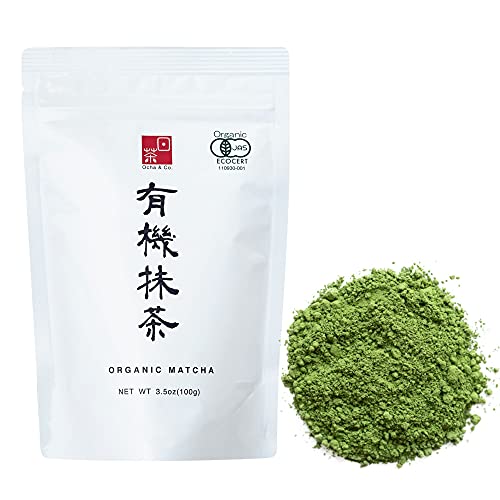
Ocha & Co. uses the Gokou cultivar — a rare leaf prized for its exceptionally deep umami and buttery, savory finish. Sourced from master Suzuki San’s farm in Shizuoka, this matcha is classified as Tokujō (ceremonial grade) and is strictly shade-grown to maximize L-theanine and chlorophyll. The 100-gram package offers 50 servings, making it the largest volume option among premium matchas reviewed here, and it is shipped weekly in small batches straight from Japan to preserve freshness.
In the bowl, the powder displays a vibrant, mossy green hue that indicates minimal oxidation. When whisked, it dissolves into a thick, smooth liquor with a fragrant sea-vegetable scent and a taste that is naturally sweet, with no astringency except possibly at higher-than-recommended water temperatures. The caffeine content is notably high — some caffeine-sensitive drinkers have reported strong effects at standard serving size — so dosing at two grams instead of three may be wise for afternoon sessions.
This product is also third-party tested for heavy metals, which is a meaningful differentiator given the lead-contamination concerns that occasionally surface in the matcha category. The 100g tin is priced competitively on a per-serving basis against smaller pouches.
Why it’s great
- Largest volume (100g) in the premium tier — 50 servings
- Deep umami from rare Gokou cultivar; very low bitterness
- Free of lead and heavy metals per lab testing
- Weekly batch shipping from Japan to warehouse
Good to know
- Very high natural caffeine — may overpower sensitive individuals
- Slight astringency if water temperature exceeds 175°F
3. Dona First Flush Ceremonial Grade Matcha
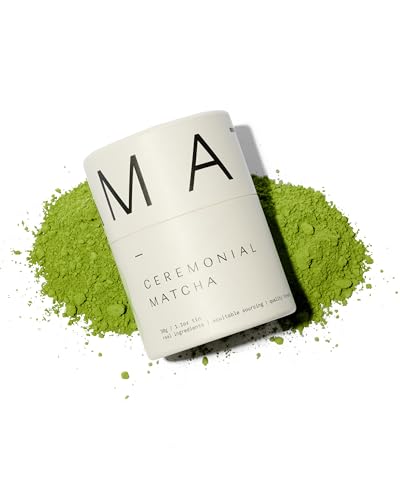
Dona sources its first-flush leaves from three distinct Japanese prefectures — Shizuoka, Kagoshima, and Kyoto — each contributing a different mineral note to the final blend. The processing includes a unique high-temperature firing step that imparts a roasted, almost nutty undertone, distinguishing it from greener, more vegetal matchas. This makes Dona an excellent choice for iced lattes or smoothie additions, where that toasty character cuts through the milk’s sweetness without clashing.
At 30 grams in an airtight tin, Dona sits at a similar serving count as the FKRO option, but the flavor profile is less creamy and more complex, with a layered finish that lingers. The powder is extremely fine and whiskable — drinkers report smooth micro-foam with consistent results. The caffeine balance, thanks to L-theanine, provides a clean energy lift that users describe as “clear-headed” rather than buzzy.
The brand is a small Brooklyn-based business that is transparent about its farm relationships, including a map of the Wazuka region in Kyoto. That localized sourcing lends a traceability advantage over generic white-label matcha imports.
Why it’s great
- Toasty, nutty profile that is versatile for lattes and iced tea
- Whisks easily into thick micro-foam without lumps
- Traceable sourcing from three prefectures with origin map
- No bitterness; naturally sweet finish
Good to know
- Small 1.1-ounce tin — best for a single drinker
- Higher per-gram cost than bulk matcha options
4. Senbird Premium Sencha — Loose Leaf
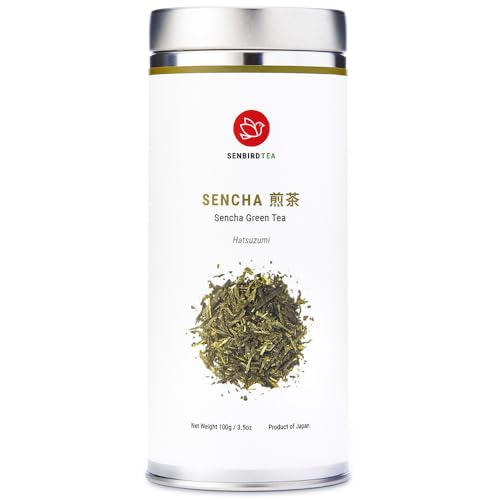
If your morning routine leans toward a full teapot rather than a single whisked bowl, this Senbird sencha is the better format. Fukamushi (deep-steamed) processing breaks the leaf structure into fine particles, which yields a cup that is more full-bodied and less astringent than standard sencha. The Yabukita cultivar used here produces a rich, savory green liquor with a natural sweetness that makes additive-free drinking genuinely enjoyable.
The 100-gram tin is airtight and light-blocking, which helps preserve the leaf’s volatile aroma compounds — open the lid, and the fresh hay-and-seaweed scent is immediately evident. Senbird is a member of 1% for the Planet and sells refill packs to reduce tin waste, which adds a sustainability angle absent from most single-serve matcha tins.
The brewing window is forgiving: water at 160-170°F for one to two minutes yields a vibrant, non-bitter cup. Hotter water or longer steeping will introduce a pleasant savory note rather than the harsh tannic bite typical of lower-grade sencha.
Why it’s great
- Fukamushi deep-steaming enhances body and sweetness
- Refillable tin system reduces packaging waste
- Forgiving brewing window; resists bitterness
- 100g net weight good for daily pot brewing
Good to know
- Loose-leaf format requires an infuser or teapot
- Not suitable for whisked matcha preparations
5. Matcha Konomi Saemidori Organic Sencha — Loose Leaf
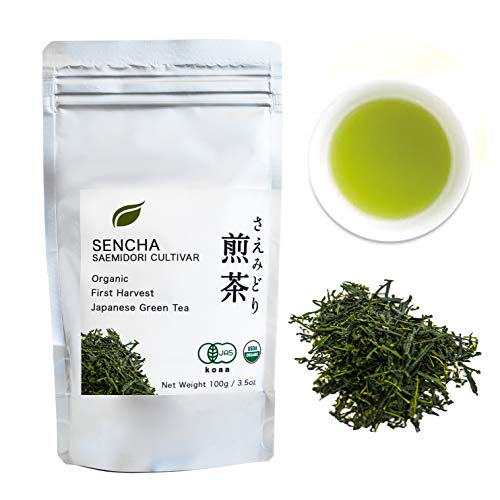
Matcha Konomi’s Saemidori sencha is a first-harvest organic loose leaf grown in Kagoshima prefecture, a region known for mineral-rich volcanic soil. Saemidori is a high-aroma cultivar that naturally yields a sweet, floral taste with very low astringency — you can over-steep it by a full minute and still get a pleasant cup rather than a punishing one. The vibrant emerald color of the dry leaf is a direct sign of careful steaming and minimal oxidation during processing.
This sencha is particularly strong at multiple infusions. The first steep brings out the most prominent floral sweetness; the second and third steeps (using slightly hotter water) reveal deeper umami and a silky mouthfeel. Each 100-gram bag thus stretches considerably further than a single-use pouch, making it one of the most cost-effective options per serving in this list.
Some customers note fine leaf particles settling at the bottom of the cup — sifting or using a fine-mesh strainer can mitigate this. The tea bag itself is a resealable foil pouch that does a reasonable job preserving aroma, though transferring the leaves to an airtight tin after opening is recommended for long-term storage.
Why it’s great
- First-harvest organic Saemidori — sweet, floral, low astringency
- Performs well through three infusions; great value per gram
- Resists bitterness even with longer steep times
- Includes origami paper as a nice cultural touch
Good to know
- Fine particles may cause sediment in the final cup
- Resealable bag is functional but not as protective as an airtight tin
FAQ
What makes a matcha “ceremonial grade” versus “culinary grade”?
How do I know if my green tea is truly fresh before I buy it?
Can I use a first-harvest sencha for cold brewing?
Final Thoughts: The Verdict
For most users, the best quality green tea winner is the FKRO Organic Okumidori Matcha because it combines an Emperor’s Cup-winning cultivar with a monthly air-freight freshness guarantee, delivering zero bitterness and a smooth, creamy umami that is hard to beat. If you want a larger 100-gram volume for regular ceremonial drinking or strong lattes, grab the Ocha & Co. Shizuoka Organic Matcha. And for loose-leaf daily sipping that stretches through multiple infusions, nothing beats the Matcha Konomi Saemidori Sencha.