The shift to gluten-free eating often begins with a hopeful bite of a muffin that crumbles into sadness. Finding a flour that bakes like wheat, tastes clean, and actually digests well feels like searching for a myth. The flour aisle is crowded with gritty blends and empty promises, leaving you to wonder if a decent loaf is even possible without the wheat.
I’m Mohammad Maruf — the founder and writer behind AirfryerBite. I’ve spent years analyzing gluten-free flour blends, comparing particle sizes, protein levels, and the specific starch ratios that separate a dry, sandy cookie from one that actually holds together with a tender crumb.
This guide cuts through the noise to help you find the best organic gluten free flour for your kitchen, whether you need a silky all-purpose blend or a heritage wheat that spares your stomach.
How To Choose The Best Organic Gluten Free Flour
Not all gluten-free flours behave the same in a mixing bowl. The wrong choice leads to dense bricks, gritty textures, or baked goods that fall apart the second you pick them up. Here are the critical factors to evaluate before you add anything to your cart.
Single Ingredient vs. Blended Flour
Single-ingredient flours like almond or millet bring a distinct flavor and texture but rarely work as a 1:1 swap for all-purpose wheat flour. Blended flours combine starches and proteins to mimic the structural properties of gluten, making them far more versatile for cakes, breads, and pastries. If you plan to bake across multiple recipes, a certified blend saves you the guesswork of mixing your own ratios.
Grind Method and Particle Size
Texture is everything in gluten-free baking. Stone-ground flours retain more of the grain’s bran and germ, resulting in a coarser, more rustic crumb. Finer milling methods like unifine or roller milling produce a silky powder that integrates smoothly into batters and doughs. For delicate pastries or a light sandwich bread, a finer grind matters far more than the organic label itself.
Certifications and Allergen Safety
If you’re celiac or highly sensitive, a “gluten-free” claim on the bag is not enough. Look for third-party certifications like GFCO (Gluten-Free Certification Organization) or explicit mention of ELISA batch testing. Also check for top-allergen labeling if you need to avoid nuts, dairy, or soy — many blends rely on starches that could cross-contaminate in shared facilities.
Protein Content and Baking Function
Protein in gluten-free flours behaves differently than in wheat. A higher protein percentage (around 12-14%) in heritage or blended bread flours helps create structure and chew in yeast-risen loaves. For tender cakes and cookies, a lower protein or starch-heavy blend (around 6-8%) delivers a softer, more delicate crumb without gumminess.
Quick Comparison
On smaller screens, swipe sideways to see the full table.
| Model | Category | Best For | Key Spec | Amazon |
|---|---|---|---|---|
| Sunrise Flour Mill Heritage Organic Bread Flour Blend | Heritage Wheat | Sourdough & digestible bread | Unifine milled, 5 lbs | Amazon |
| gfJules Certified Gluten Free All Purpose Flour | Blended AP Flour | Cup-for-cup baking | Top 9 allergen-free, 1.5 lbs | Amazon |
| Bob’s Red Mill Stone Ground Millet Flour (Pack of 4) | Single Grain | Quick breads & pancakes | Stone ground, 80 oz total | Amazon |
| Yupik Blanched Almond Flour 2.2 lb | Nut Flour | Keto baking & almond butter | Blanched, 35.2 oz | Amazon |
| Mandelin Grower Direct Almond Flour with Skin 3 lb | Nut Flour | Cookies & rustic crusts | Unblanched, 48 oz | Amazon |
In‑Depth Reviews
1. Sunrise Flour Mill Heritage Organic Bread Flour Blend
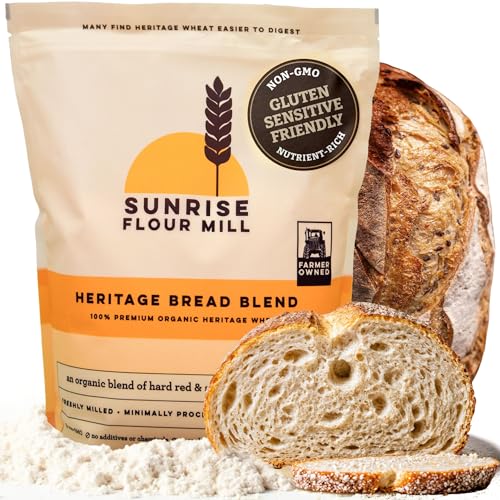
This is not a gluten-free flour in the conventional sense — it is a heritage wheat blend milled from Turkey Red and White Sonora varieties using a 1930s unifine mill. The result is a super-fine, fluffy powder that behaves like classic bread flour while being far gentler on digestion. Multiple verified reviews confirm that even people with IBS and gluten sensitivity can eat sourdough baked with this blend without bloating or discomfort.
At 5 pounds, the bag is substantial enough for weekly baking, and the organic certification ensures no pesticides or herbicides touch the grain. The protein content supports strong gluten development during extended cold fermentation, producing airy loaves with a golden crust. Home bakers report excellent results with both artisan sourdough and machine-made sandwich bread at 66% hydration.
The one caveat is that this is not suitable for anyone with celiac disease — the heritage wheat still contains gluten, just a less hybridized form. It is designed for people who react to modern high-gluten wheat but can tolerate older grain varieties. For that specific audience, this is the best organic gluten free flour alternative available.
Why it’s great
- Unifine milling produces an exceptionally smooth texture
- Superior digestibility for those with gluten sensitivity
- Excellent rise and crumb for sourdough breads
Good to know
- Not suitable for celiac disease or strict gluten-free diets
- Premium price point for a flour
2. gfJules Certified Gluten Free All Purpose Flour

gfJules has won the Gluten Free Awards consumer-voted top spot eight times, and the reason is simple: it works as a direct 1:1 substitute for wheat flour in almost any recipe. The blend uses modified tapioca starches, potato starch, corn starch, white rice flour, and xanthan gum to create a smooth, white flour that lacks the gritty mouthfeel so common in brown rice-based blends.
Certified gluten-free by the GFCO, OU Kosher, and free from the top nine allergens including wheat, dairy, eggs, and tree nuts, this pouch is a safe bet for households managing multiple dietary restrictions. Verified users report successful results with bagels, biscuits, cakes, and even gluten-free sausage gravy — things that usually turn into a crumbling disaster with lesser blends.
The 1.5-pound pouch yields roughly 5 cups of flour, which is enough for a few baking sessions but may run short for heavy weekly bakers. Some reviewers note that the price per cup is higher than other blends, but for those who need guaranteed allergen safety and reliable performance across both sweet and savory recipes, the cost is justified.
Why it’s great
- Smooth, non-gritty texture ideal for delicate pastries
- Cup-for-cup substitution eliminates recipe guesswork
- Certified free from all top nine allergens
Good to know
- Smaller pouch size means frequent reordering
- Premium cost per cup compared to store blends
3. Bob’s Red Mill Stone Ground Millet Flour (Pack of 4)
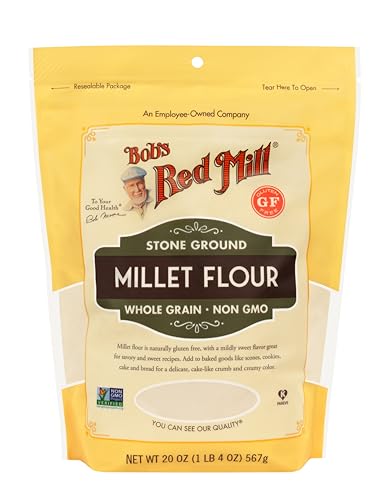
Millet flour is an underappreciated workhorse in gluten-free baking, and Bob’s Red Mill delivers it in a practical multi-pack of four 20-ounce bags. The stone-ground process retains the whole grain’s nutrients and gives the flour a subtle, creamy flavor that blends beautifully into quick breads, pancakes, and simple yeast loaves. It is not a direct swap for all-purpose flour, but it shines when used in recipes designed around whole grain gluten-free flours.
Each bag is produced in Bob’s Red Mill dedicated gluten-free facility, and every batch undergoes ELISA testing to verify purity below 20 ppm. This level of testing rigor makes it a safe choice for celiac consumers who need reliable third-party verification. The non-GMO Project Verified seal and vegan certification add further peace of mind for label-conscious shoppers.
The stone-ground texture means the flour is not as fine as roller-milled alternatives, so it may produce a denser crumb in cakes. However, many bakers find it works exceptionally well in savory applications like coating for fried foods or as a base for gluten-free flatbreads. The 80-ounce total is a strong bulk value for a household that bakes regularly.
Why it’s great
- Whole grain with mild, creamy flavor
- ELISA batch tested in dedicated GF facility
- Bulk pack of 4 bags offers excellent pantry value
Good to know
- Stone-ground texture is coarser than fine milled blends
- Requires recipe adaptation for best results
4. Yupik Blanched Almond Flour 2.2 lb

Yupik offers a straightforward almond flour made from blanched almonds with no added oils, salt, or sugar. At 2.2 pounds, the bag provides a solid volume for keto bakers and low-carb cooks who rely on nut flours as their primary wheat substitute. The blanching process removes the skins, resulting in a lighter color and milder flavor that works well in pastries and macarons.
Customer feedback highlights that the grind is coarser than some other almond flours, which can cause cookies to spread thin if the recipe is not adjusted. However, the same coarse texture makes this Yupik flour an excellent option for making homemade almond butter in a food processor — a use case multiple reviewers specifically praise. The flour smells fresh and is not stale, a consistent complaint with other brands.
While this is a natural, organic product that is vegan and kosher, it is not a complete flour replacement. It performs best in recipes specifically designed for almond flour, such as keto breads, paleo crusts, and gluten-free cookies. Buyers expecting a fine, powdery almond meal may find the particle size too rustic for delicate applications like macarons without additional sifting.
Why it’s great
- Clean ingredient list with no additives or preservatives
- Fresh, non-stale aroma confirmed by repeat buyers
- Good value for bulk almond flour
Good to know
- Coarser texture causes spreading in cookies
- Not suitable for macarons without additional processing
5. Mandelin Grower Direct Almond Flour with Skin 3 lb

Mandelin takes a different approach by leaving the almond skins on, producing a flour with a noticeable rustic texture and a deeper, more robust nutty flavor. The grind is cornmeal-like rather than powdery, which makes it a standout choice for pie shells, crumble toppings, and heartier cookies where a bit of texture is welcome. It is also kosher for Passover, non-GMO, and vegan-friendly.
Bakers who have used this flour for several years note that it delivers consistent fresh flavor and works well when blended with tapioca or potato starch to lighten the density for pastries. Multiple verified reviews mention that replacing a third of the wheat flour in standard recipes with this almond flour yields tastier, healthier results without sacrificing structure in cakes.
The coarser grind is not for everyone — those expecting a fine almond meal will need to sift or grind further. The 3-pound bag is a generous size for the price, making it a cost-conscious option for households that go through almond flour quickly. It is worth noting that the bag resealability is not mentioned in packaging details, so transferring to an airtight container after opening is recommended for freshness.
Why it’s great
- Bold almond flavor from unblanched skins
- Excellent for pie crusts, crumbles, and rustic cookies
- Great value per pound for heavy users
Good to know
- Coarse cornmeal-like texture limits delicate baking use
- Bag may not be resealable — transfer to storage container
FAQ
Can I use organic gluten free flour as a 1:1 substitute for wheat flour?
Why do some gluten-free flours taste gritty or sandy?
Is organic gluten free flour safe for people with celiac disease?
How should I store organic gluten free flour to keep it fresh?
Final Thoughts: The Verdict
For most users, the best organic gluten free flour winner is the Sunrise Flour Mill Heritage Organic Bread Flour Blend because it delivers unmatched baking performance and digestibility for those who react to modern wheat but can tolerate heritage varieties. If you want a cup-for-cup all-purpose blend that is safe for celiac diets, grab the gfJules Certified Gluten Free All Purpose Flour. And for keto and low-carb baking, nothing beats the value and simplicity of the Yupik Blanched Almond Flour.