Shopping for a fish oil to tackle inflammation throws a wall of marketing jargon and confusing label claims in your path. The market is saturated with oils that go rancid before you open the bottle, deliver meaningless milligram counts of poor-quality fats, or leave you tasting the sea for hours after swallowing. The difference between a supplement that actually supports a healthy inflammatory response and one that just makes expensive urine comes down to a handful of concrete specs you can verify before you buy.
I’m Mohammad Maruf — the founder and writer behind AirfryerBite. I’ve spent years analyzing the chemical profiles, sourcing standards, and third-party test results that separate genuinely potent omega-3 supplements from the overpriced filler pills crowding Amazon shelves.
This guide breaks down the five most critically vetted options on the market to help you identify the best omega 3 supplement for inflammation that actually matches your body’s needs without blowing your monthly budget.
How To Choose The Best Omega 3 Supplement For Inflammation
Not all omega-3 supplements are created equal when inflammation is the target. The molecular structure, the sourcing of the raw oil, and the processing method each dictate whether a softgel will deliver measurable relief or simply flush through your system. You need to focus on three critical decision points before any purchase.
EPA and DHA Concentration — Not Total Oil Mass
Many bottles boast a huge “total fish oil” number like 2000 mg or 3600 mg on the front label. The real metric is the combined milligrams of EPA (eicosapentaenoic acid) and DHA (docosahexaenoic acid) per serving. For inflammation, a higher EPA-to-DHA ratio — roughly 2:1 or better — is clinically associated with more potent anti-inflammatory signaling. A 2000 mg capsule that only delivers 600 mg of combined EPA/DHA is not a powerful product regardless of the bottle claim.
Molecular Distillation and Oxidation Markers
Fish oil oxidizes rapidly once exposed to air and light. An oxidized oil not only loses its anti-inflammatory potential but can actually promote oxidative stress in the body. Look for brands that explicitly state molecular distillation in their processing — this step removes heavy metals, PCBs, and other environmental toxins. Reputable manufacturers also publish TOTOX (total oxidation) values or third-party certificates from organizations like IFOS (International Fish Oil Standards) that verify the oil is fresh and clean.
Form: Triglyceride (rTG) Versus Ethyl Ester (EE)
The chemical form of the omega-3s dictates how efficiently your body absorbs them. Naturally occurring fish oil is in triglyceride form (rTG). Many cheaper supplements chemically rearrange the oil into ethyl esters to increase concentration — this saves the manufacturer money but reduces your bioavailability. Re-esterified triglyceride (rTG) is the gold standard: it is both high-concentration and highly absorbable. If the label does not mention the form, it is almost certainly ethyl ester.
Quick Comparison
On smaller screens, swipe sideways to see the full table.
| Model | Category | Best For | Key Spec | Amazon |
|---|---|---|---|---|
| Arofum Omega 3 Fish Oil with D3 K2 | Multi-Nutrient | All-in-one daily wellness | 1285 mg EPA + 965 mg DHA per serving | Amazon |
| Nutra Harmony Omega 3 3600 mg | High Potency | Flexible adjustable dosing | 1296 mg EPA + 864 mg DHA per serving | Amazon |
| Sports Research Omega-3 1250 | Triple Strength | One-daily high potency dose | 690 mg EPA + 260 mg DHA per softgel | Amazon |
| NOW Foods Ultra Omega-3 | Trusted Brand | Budget-friendly quality staple | 500 mg EPA + 250 mg DHA per softgel | Amazon |
| Dr. Berg Cod Liver Fish Oil | Premium Purity | Ultra-clean Icelandic sourcing | 110 mg EPA + 125 mg DHA per softgel | Amazon |
In‑Depth Reviews
1. Sports Research Omega-3 1250
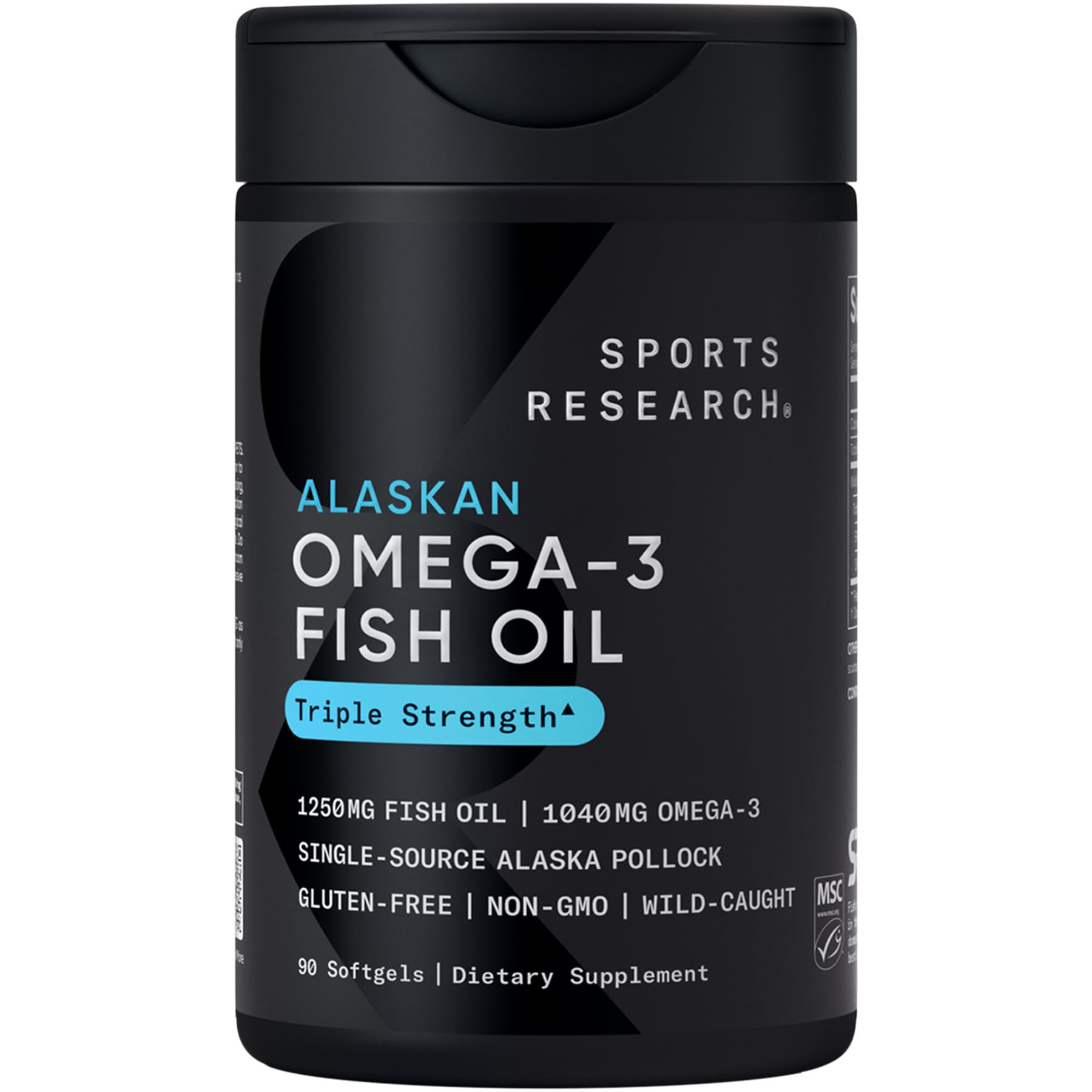
The Sports Research formula sets the benchmark for inflammation-focused omega-3 supplementation because it delivers 690 mg of EPA and 260 mg of DHA in the preferred re-esterified triglyceride (rTG) form from a single softgel. That means you swallow one pill daily rather than a handful of megacaps, and your body absorbs a significantly higher percentage of the fatty acids compared to ethyl ester competitors. The 2.65:1 EPA to DHA ratio targets inflammatory pathways directly.
The sourcing is equally impressive: wild-caught Alaska Pollock from the Bering Sea with Marine Stewardship Council (MSC) certification. The oil undergoes a full 10-step molecular distillation and purification process, and each batch earns an IFOS 5-Star rating — a third-party benchmark for oxidation levels, heavy metal content, and potency that few brands openly chase. The softgels are noticeably large, but users consistently report zero fishy aftertaste or burping, a direct result of the high-quality raw oil.
This is the product for buyers who want maximum anti-inflammatory effect with minimal daily hassle. The upfront cost per bottle sits in the mid-range, but the one-capsule-per-day serving size makes the per-dose expense competitive with cheaper options that require four softgels. The only real concession is the size of the capsule itself — it is larger than standard supplements and may be tough for those who struggle with pills.
Why it’s great
- High EPA/DHA concentration in rTG form for maximum absorption
- MSC-certified sustainable sourcing with IFOS 5-Star purity rating
- Single daily softgel eliminates multiple-dose routines
- No fishy aftertaste or burping reported by real users
Good to know
- Softgel size is larger than average and may be difficult to swallow
- Per-bottle price is higher than entry-level fish oils
2. Arofum Omega 3 Fish Oil with D3 K2
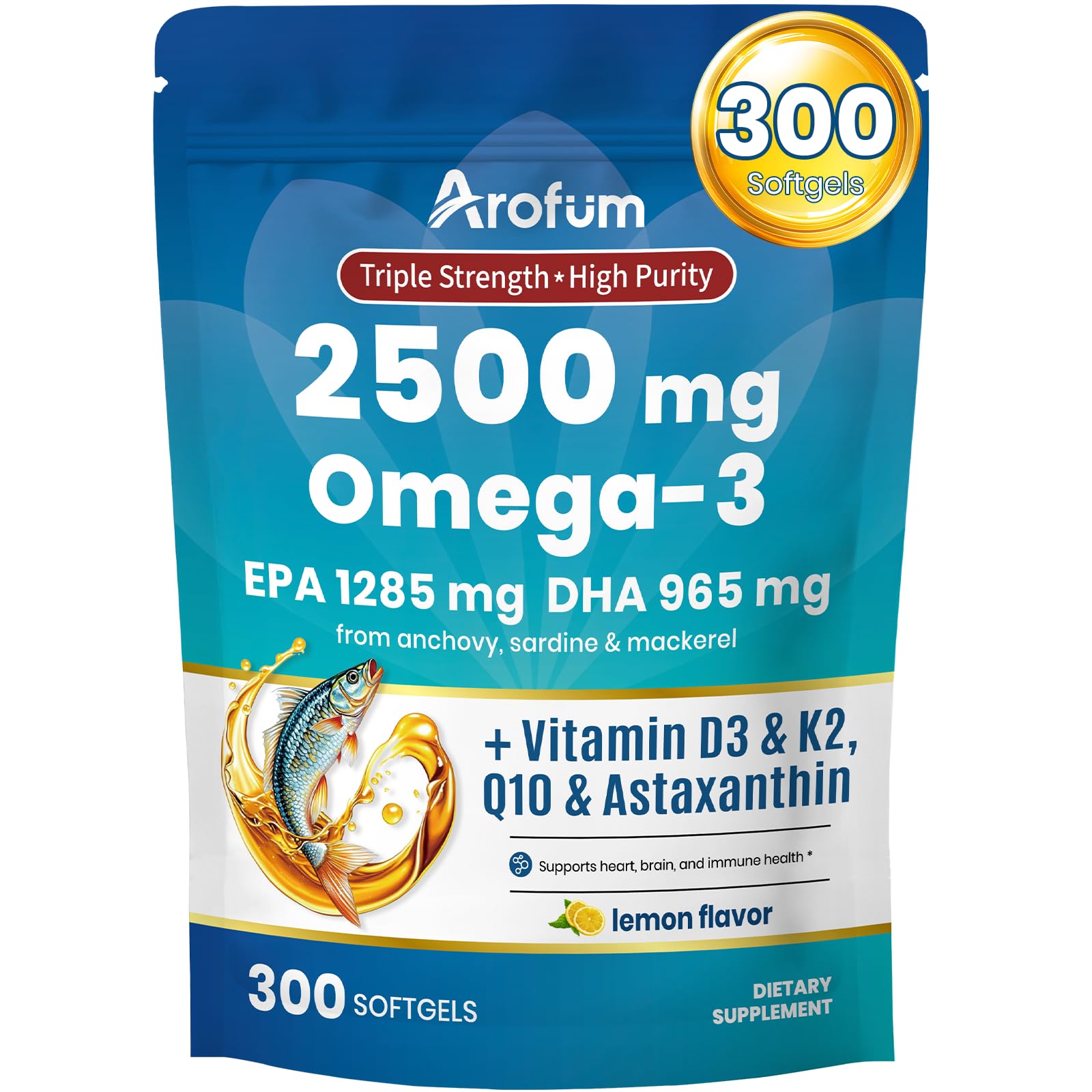
The Arofum formula stands out by bundling three inflammation-relevant nutrients into a single softgel: a substantial omega-3 payload of 1285 mg EPA and 965 mg DHA, plus vitamin D3 and K2. For users managing systemic inflammation, combining omega-3s with vitamin D is a strategic move because D deficiency is independently linked to higher inflammatory markers, and vitamin K2 supports proper calcium routing to keep arteries flexible.
The base oil uses re-esterified triglyceride (rTG) form, ensuring the same high bioavailability you expect from premium fish oils. The inclusion of natural astaxanthin — a potent antioxidant — and CoQ10 adds an extra layer of cellular protection against oxidative stress. The 300-count bottle provides a three-month supply at four softgels daily, and the lemon flavoring successfully eliminates fishy burping in nearly every real-user review.
This is the best choice for someone who wants to consolidate multiple pills into one purchase. You replace your separate fish oil, vitamin D, and vitamin K2 bottles with a single container. However, the four-softgel daily serving is on the higher end of dosing frequency, so it requires more commitment than a one-pill-per-day product. The bag packaging also means no glass bottle to protect against light exposure.
Why it’s great
- Combines high-dose omega-3 with D3, K2, astaxanthin, and CoQ10
- rTG form ensures superior absorption of the fatty acids
- Lemon flavoring effectively prevents fishy aftertaste and burps
- Excellent value for the volume — 300 softgels per purchase
Good to know
- Requires four softgels daily for the full serving dose
- Supplied in a bag rather than a light-protective bottle
3. Nutra Harmony Omega 3 3600 mg
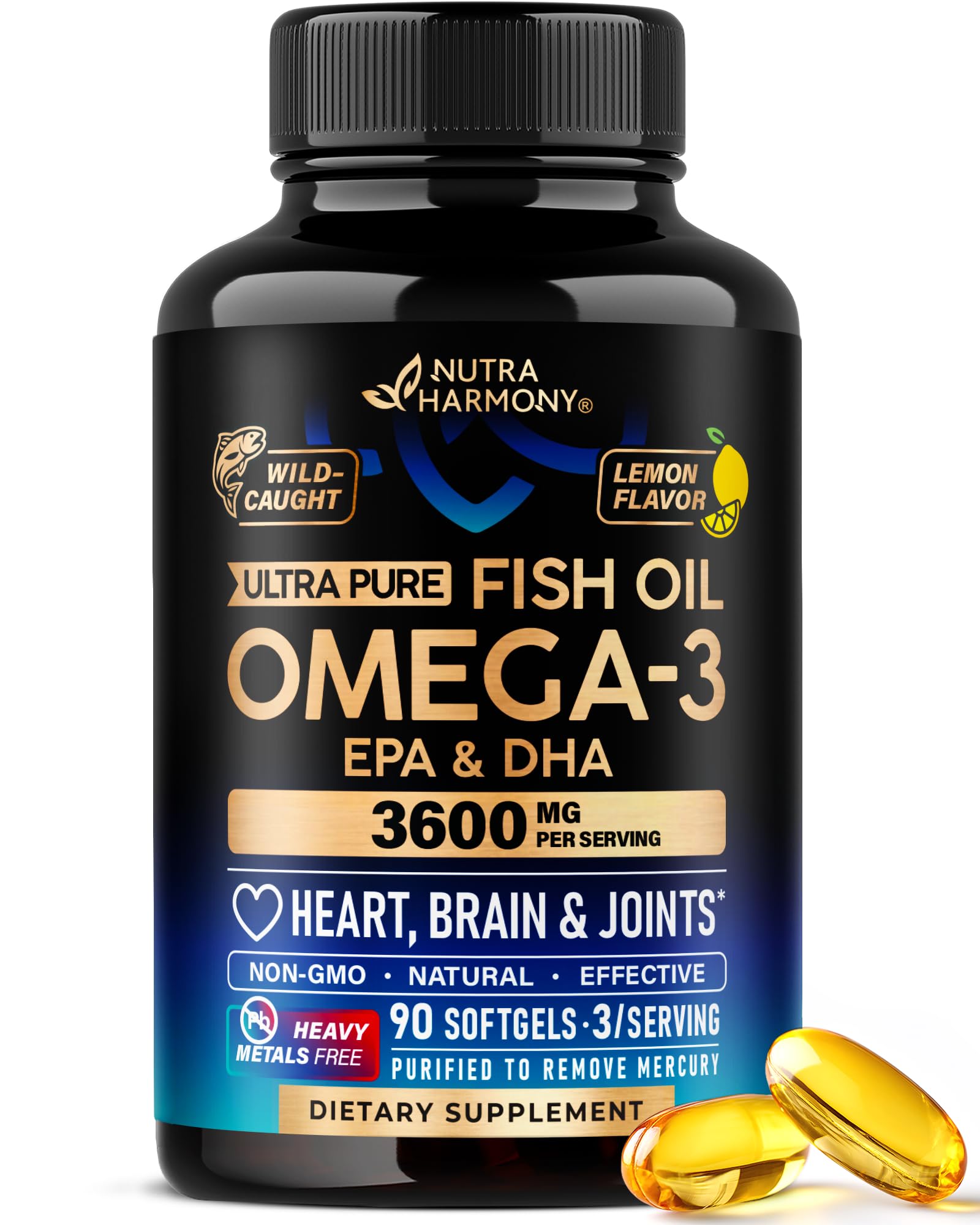
The Nutra Harmony 3600 mg formulation targets the buyer who wants control over exactly how much omega-3s enter their system each day. Each three-softgel serving delivers 1296 mg EPA and 864 mg DHA — a very clean 1.5:1 ratio that leans heavily into anti-inflammatory territory. The flexible dosing scheme lets you take one softgel (432 mg EPA / 288 mg DHA), two (864 mg EPA / 576 mg DHA), or all three depending on your current inflammation levels.
The oil is sourced from wild-caught fish and third-party tested by an ISO-certified laboratory for heavy metals including mercury, arsenic, cadmium, and lead. The natural lemon flavoring is effective: multiple verified buyers report no lingering aftertaste or fish burping even at the full three-capsule dose. This is a mid-range product that delivers high-potency numbers without pushing into premium-tier pricing.
The biggest practical advantage is the adjustability. Someone dealing with acute joint inflammation can run the full three capsules for a few weeks, then taper down to a maintenance dose. The 90-count bottle means the three-capsule serving lasts exactly one month, which makes tracking supply straightforward. The main downside is the absence of any sustainability certification like MSC — the sourcing is described as responsible but lacks the independent verification that buyers who prioritize eco-ethics will want.
Why it’s great
- Adjustable dosing from one to three softgels fits varying inflammation needs
- High EPA/DHA content with a strong anti-inflammatory ratio
- Third-party ISO-certified lab testing for heavy metals
- Lemon flavoring eliminates fishy burps at all dose levels
Good to know
- No sustainability certification like MSC for sourcing verification
- 90-count bottle lasts only one month at the full three-capsule dose
4. NOW Foods Ultra Omega-3
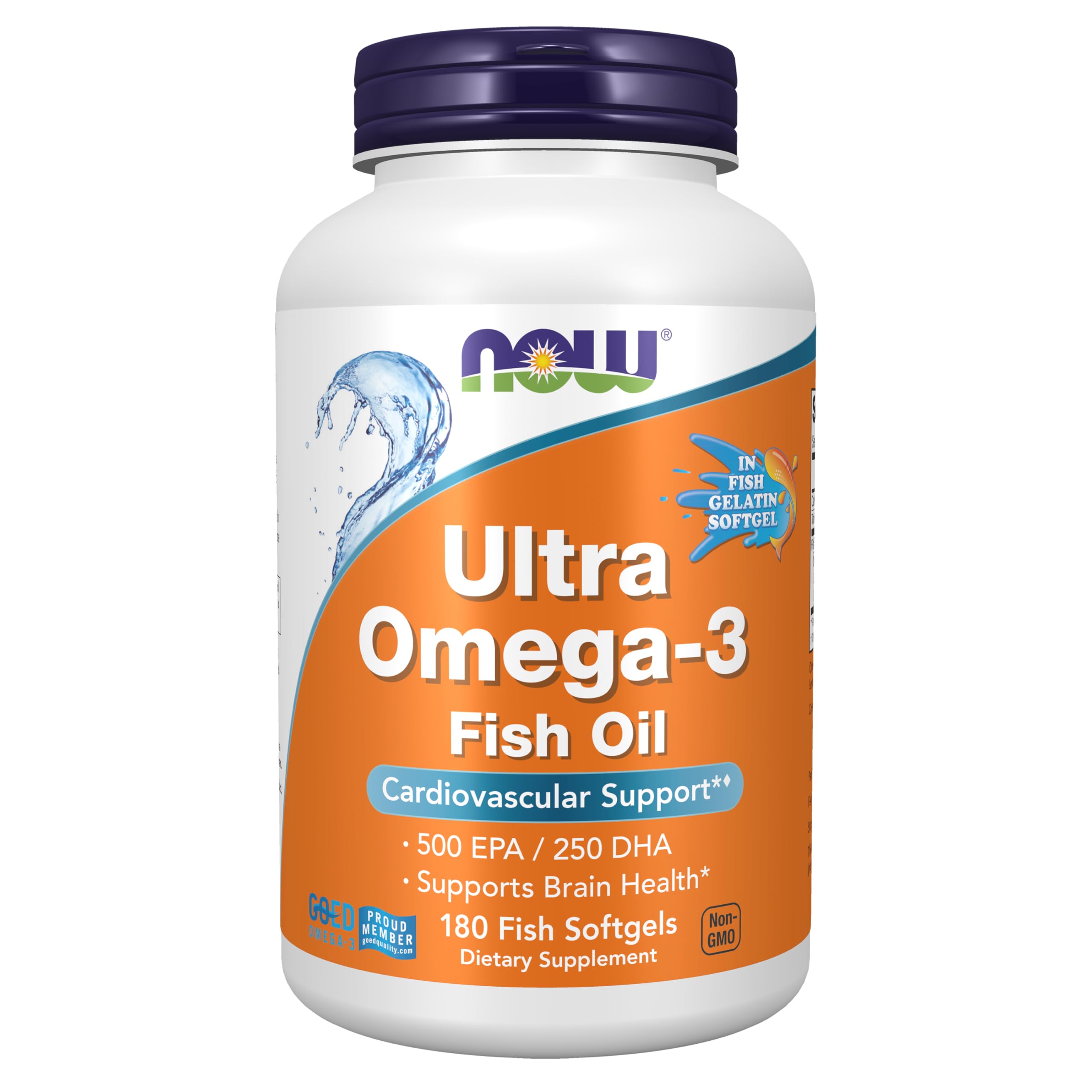
NOW Foods Ultra Omega-3 is the pragmatic choice for the buyer who trusts a legacy brand with decades of in-house manufacturing. Each softgel delivers 500 mg EPA and 250 mg DHA — a textbook 2:1 ratio optimized for inflammatory response. The oil is molecularly distilled, and the softgel itself uses fish gelatin rather than bovine or porcine sources, which matters if you follow pescatarian dietary restrictions or avoid mammalian products.
The real value here lies in NOW’s in-house quality infrastructure. Their laboratories are ISO/IEC-accredited, meaning every batch is tested for stability, potency, and purity under the same roof. This vertical control keeps the per-softgel cost extremely competitive, making it one of the most accessible options for consistent long-term use. Verified buyers consistently mention no gastric distress and no fishy aftertaste even on an empty stomach.
This product is not flashy, and it does not include trendy extras like astaxanthin or CoQ10. It is a straightforward, high-quality molecularly distilled fish oil with a clinically appropriate EPA/DHA ratio at a budget-friendly price point. The 180-count bottle provides a three-month supply at the standard two-softgel daily serving. The main trade-off is the lower total EPA/DHA per softgel compared to triple-strength competitors, meaning you take two capsules per day instead of one.
Why it’s great
- Excellent 2:1 EPA/DHA ratio specifically suited for inflammation
- Molecularly distilled with in-house ISO/IEC-accredited lab testing
- Fish gelatin softgel accommodates pescatarian and non-mammal diets
- Very low per-dose cost for a clinically effective dose
Good to know
- Requires two softgels daily rather than a single capsule
- No added antioxidants or co-factors beyond the base oil
5. Dr. Berg Cod Liver Fish Oil

Dr. Berg’s cod liver oil operates at the high end of purity standards. Each batch undergoes quadruple lab testing, including double third-party heavy metal screening, ensuring the oil is as clean as any consumer-facing fish oil on the market. The sourcing traceability is outstanding: wild-caught Icelandic cod provides the oil, and production occurs in US cGMP-certified facilities with no hexane, no preservatives, and no unnecessary fillers.
The per-softgel omega-3 numbers are notably lower than the competition — 110 mg EPA and 125 mg DHA — because this is a cod liver oil rather than a concentrated fish oil. Cod liver oil naturally contains lower concentrations of EPA/DHA but adds intrinsic vitamins A and D in their native forms. The recommended serving is two softgels daily, which brings the combined EPA/DHA to 470 mg — a moderate dose suitable for general maintenance rather than aggressive inflammation targeting.
This product is ideal for the buyer who prioritizes absolute sourcing purity over raw potency numbers. The lemon flavoring is effective, with users reporting zero fishy burps or aftertaste. The 60-count bottle provides only a one-month supply at the two-softgel dose, making the per-month cost the highest in this comparison. It is also the most expensive option in this group, reserved for those who want the cleanest possible oil and accept a lower total omega-3 density.
Why it’s great
- Quadruple lab testing with independent third-party heavy metal screening
- Wild-caught Icelandic cod with full supply chain traceability
- No hexane, preservatives, or filler ingredients
- Effective lemon flavoring with no fishy burps reported
Good to know
- Lower EPA/DHA concentration per softgel requires two daily capsules
- 60-count bottle lasts only one month, resulting in higher monthly cost
FAQ
How many milligrams of omega-3 should I take daily for inflammation?
Why does the form of omega-3 — rTG versus ethyl ester — matter for inflammation?
Can omega-3 supplements cause side effects like bleeding or stomach upset?
Final Thoughts: The Verdict
For most users, the omega 3 supplement for inflammation winner is the Sports Research Omega-3 1250 because it delivers the highest EPA/DHA concentration in the highly absorbable rTG form from a single daily softgel, backed by MSC certification and IFOS 5-Star purity verification. If you want to consolidate multiple supplements into one purchase, grab the Arofum Omega 3 Fish Oil with D3 K2. And for maximum sourcing purity with lab-tested Icelandic cod liver oil, nothing beats the Dr. Berg Cod Liver Fish Oil.