That dull, muddy green powder you’ve been using isn’t matcha—it’s probably a pre-sweetened blend or a culinary-grade dust that turns bitter the second it hits warm water. Real Japanese matcha is a vibrant, electric jade powder that froths into a creamy, savory-sweet bowl with zero bitterness and a finish that lingers like a fine broth. The gap between stale commodity tea and a freshly stone-ground ceremonial powder is the difference between a chore and a daily ritual.
I’m Mohammad Maruf — the founder and writer behind AirfryerBite. I’ve spent years analyzing the supply chains, harvest seasons, and oxidation levels that separate a truly premium Japanese matcha from an overpriced tin of imported dust.
Whether you are a latte lover chasing that barista-level creaminess or a purist looking for a traditional usucha experience, this guide breaks down the specific harvests, cultivars, and milling methods that define the matcha from japan worth buying.
How To Choose The Best Matcha From Japan
Not all green powder sold as matcha comes from Japan, and even the Japanese tins vary wildly in harvest timing, cultivar genetics, and milling precision. Focusing on a few key specs will prevent you from paying premium prices for mediocre tea.
Harvest Season & Cultivar
First-harvest matcha (from the first spring flush) is the most prized for its higher L-theanine content, which produces the signature umami sweetness and suppresses bitterness. Look for cultivars like Asanoka, Okumidori, or Gokou—these are bred specifically for their rich, complex flavor profiles. Second-harvest or generic blends often taste grassy or astringent.
Stone-Milling vs. Ball-Milling
Traditional stone grinding slowly crushes tencha leaves into a powder fine enough to dissolve completely on the tongue, preserving chlorophyll and flavor volatiles. Ball-milled or jet-milled matcha heats up during processing, degrading color and taste. If a product doesn’t mention stone-milling, the texture will likely be grittier and the color less vibrant.
Origin Transparency
Reputable Japanese producers specify the prefecture (Uji in Kyoto, Kagoshima, Shizuoka) and often the specific farm or family. Vague “Product of Japan” labels may hide a blend of cheaper imported leaves that were only packaged in Japan. Single-origin matcha from a named farm offers traceability and consistent quality.
Quick Comparison
On smaller screens, swipe sideways to see the full table.
| Model | Category | Best For | Key Spec | Amazon |
|---|---|---|---|---|
| Ocha & Co. Kyoto Uji | Ceremonial Grade | Traditional usucha & pure sipping | Okumidori cultivar, 50g | Amazon |
| Ocha & Co. Shizuoka Organic | Ceremonial Grade | Organic daily matcha | Gokou cultivar, 100g (50 servings) | Amazon |
| FKRO Tea Master’s Organic | Ceremonial Grade | Budget-friendly ceremonial everyday | Asanoka & Okumidori, 30g tin | Amazon |
| Joiish Matcha Whisk Set | Tools Kit | Complete starter equipment | 96-bristle bamboo whisk, 520ml bowl | Amazon |
| Soar Organics Uji | Ceremonial Grade | Large batch premium lattes | First harvest, 3.52 oz (100g) | Amazon |
In‑Depth Reviews
1. Ocha & Co. Kyoto Uji Matcha
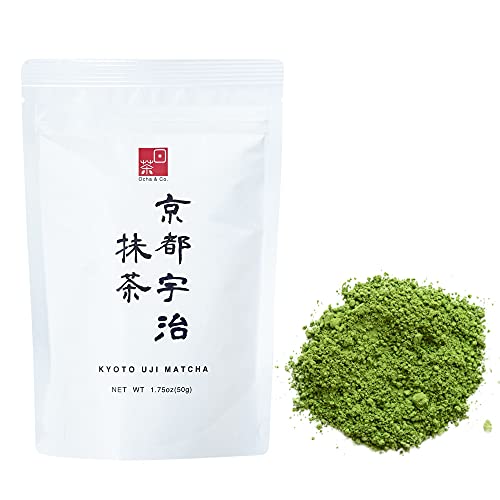
This is the gold standard for purists. Sourced exclusively from the Okumidori cultivar in Uji—the birthplace of the Japanese tea ceremony—this matcha delivers a naturally sweet, mellow flavor with zero astringency. The stone-milled powder is exceptionally fine, whisking into a thick, velvety froth that holds its structure for minutes. It comes in a 50g zip-sealed mylar packet that preserves the vibrant green color and toasted-nori aroma well past the first open.
Users consistently praise its ability to shine in straight usucha (thin tea) without milk or sugar. It blends easily without clumping and doesn’t leave that gritty residue cheaper matchas deposit at the bottom of the bowl. The caffeine content is balanced by a high L-theanine level, providing a steady alertness without a crash.
If you want to experience what properly grown, single-cultivar ceremonial matcha tastes like—smooth, savory, and slightly sweet—this is your daily driver. The 50g size is ideal for one person drinking 1-2 servings per day.
Why it’s great
- Genuine single-origin Uji Okumidori cultivar
- Naturally sweet with no bitterness
- Resealable zip-pouch for extended freshness
Good to know
- Smaller 50g pack may be consumed quickly
- Pricier per gram than blended options
2. Ocha & Co. Shizuoka Organic Matcha

From Ocha & Co.’s own farm in Shizuoka, this ceremonial-grade matcha is made from the rare Gokou cultivar—a tea leaf prized for its deep umami and natural sweetness. It holds JAS BIO organic certification, meaning every step from shading to milling meets Japan’s strictest organic standards. The 100g bag provides 50 servings, making it the most economical way to drink daily ceremonial-grade matcha.
Reviewers note the vibrant green color and a scent reminiscent of fresh toasted nori. It blends smoothly for both traditional tea and lattes, though a few users with sensitive palates detect a faint astringency compared to the ultra-premium Kyoto Uji line. The zip-seal packaging helps maintain freshness across the larger volume.
This is the smart choice for the heavy user who wants organic, single-origin matcha without paying boutique prices. The larger quantity means you can use 3-4g per latte without feeling wasteful.
Why it’s great
- JAS BIO organic certified from Shizuoka farm
- 100g bag yields 50 servings
- Rare Gokou cultivar for rich umami
Good to know
- Slight astringency if steeped too long or at high temperature
- Packaging is a bag, not a rigid tin
3. FKRO Tea Master’s Ceremonial Grade Matcha
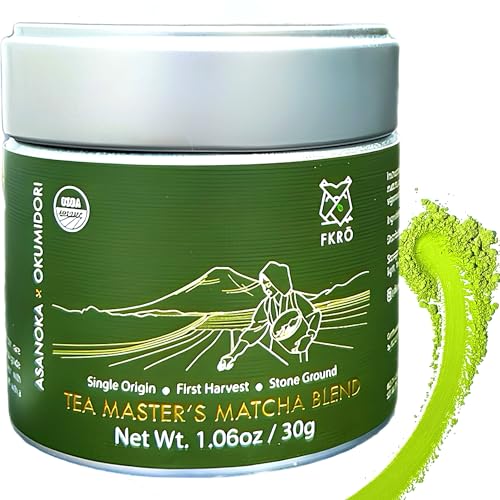
Blended by a 4th-generation tea master and 58th National Tea Appraisal champion, Sakuya-san, this matcha combines Asanoka and Okumidori cultivars for a nutty, rounded flavor with hints of sweet potato and chestnut. Sourced from the Nishi family farm in Kagoshima, it is USDA organic and stone-ground in small batches. The 30g tin is the smallest container in this lineup but ensures you finish it before oxidation degrades the powder.
Customers describe the color as deep green and the texture as super fine—it whisked without clumps on the first attempt. The flavor profile is notably nuttier than pure Uji matchas, with a mild grassiness that some drinkers find more approachable for lattes. It provides steady energy without jitters due to the 19mg of L-theanine per gram.
This is the best entry point for someone new to real ceremonial matcha. The smaller tin reduces waste if you’re unsure of your preferences, and the master-curated blend delivers a balanced, forgiving flavor that works well with or without sweetener.
Why it’s great
- Curated by a 4th-gen tea master and national champion
- Nutty, sweet flavor with chestnut notes
- USDA organic, flown fresh monthly from Japan
Good to know
- 30g tin is small for heavy daily drinkers
- Flavor profile is nuttier—less traditional umami
4. Joiish Matcha Whisk Set

This is not a matcha powder—it is a complete 10-piece tool set that includes a 96-bristle bamboo whisk (chasen), a ceramic bowl with a pouring spout (chawan), a bamboo scoop (chashaku), a whisk holder, a measuring spoon, a measuring glass, a scoop rest, and a waterproof tea mat. The bowl holds 520ml (18.3 oz), large enough for both usucha and koicha (thick tea) preparations. The whisk has the traditional 96-bristle count for maximum aeration and froth.
Users report that the tools feel sturdy and functional. The pouring spout on the bowl genuinely prevents drips when sharing tea, and the measuring aids take the guesswork out of the 2g powder-to-60ml water ratio. The bamboo whisk is a consumable item (it will eventually splay and need replacement), but it arrives tightly bound and breaks in evenly after a few uses.
If you already have a good matcha powder, this kit removes every barrier to making authentic, frothy tea. It also makes a thoughtful gift for a matcha-curious friend, since it includes everything except the tea itself.
Why it’s great
- Complete kit with measuring aids for beginners
- 96-bristle whisk creates thick, creamy froth
- Bowls with spout prevents spills when serving
Good to know
- Does not include matcha powder
- Bamboo whisk is a consumable item that wears out
5. Soar Organics Uji Ceremonial Grade Matcha
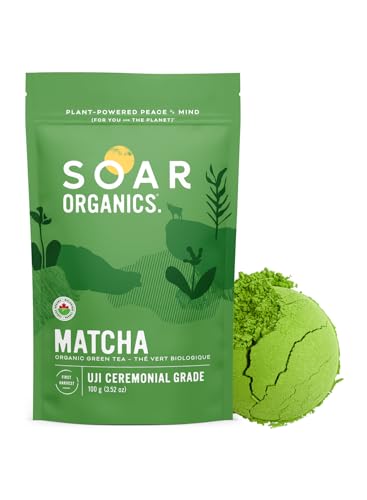
Sourced from historic Uji in Kyoto and certified organic, this matcha uses only the youngest first-harvest leaves. The stone-ground powder is labeled as ceremonial grade and comes in a 3.52 oz (100g) box—substantially larger than most ceremonial tins. Soar Organics also donates 1% of each sale to environmental non-profits, adding an ethical dimension to the purchase.
Customer feedback is mixed. Many love the smooth, creamy mouthfeel and find it easily replaces their Starbucks matcha latte habit. However, some report the powder feels slightly grainy even after sifting and produces less vibrant foam compared to the Ocha & Co. products. A few users noted it lacks the deep green color of fresher matchas, which could indicate the stock is older or the grinding process is less refined.
This is a good option for the dedicated latte drinker who wants a larger quantity of Uji-origin ceremonial matcha and values the brand’s commitment to transparency. Be prepared to whisk vigorously and potentially sift the powder for the smoothest texture.
Why it’s great
- Single-origin Uji, first-harvest leaves
- Large 100g package for heavy daily use
- Certified organic with ethical donation program
Good to know
- Occasional graininess requires thorough sifting
- Less vibrant green and foam than fresher brands
FAQ
How can I tell if my matcha is truly from Japan and not just packaged there?
What does it mean if my matcha powder looks brownish or yellow instead of bright green?
Is expensive matcha always better than a cheaper alternative?
Final Thoughts: The Verdict
For most users, the matcha from japan winner is the Ocha & Co. Kyoto Uji Matcha because it delivers genuine single-cultivar sweetness and traditional stone-milled texture without needing milk or sugar. If you want a larger organic supply for daily lattes, grab the Ocha & Co. Shizuoka Organic Matcha. And for a master-curated entry-level tin that forgives rookie whisking mistakes, nothing beats the FKRO Tea Master’s Ceremonial Grade Matcha.