Finding a protein source that doesn’t wreck your digestion or trigger food sensitivities is a real struggle. Many plant-based options rely on pea or soy, which can cause bloating, while standard whey is off the table for lactose-intolerant or dairy-free diets. Rice protein powder steps in as a uniquely hypoallergenic solution, offering a clean, easily digestible foundation for muscle recovery and daily nutrition.
I’m Mohammad Maruf — the founder and writer behind AirfryerBite. I’ve spent years analyzing supplement labels, processing methods, and amino acid profiles to separate genuinely clean formulations from overpriced filler blends.
After sifting through dozens of brands and scrutinizing customer feedback on texture, mixability, and digestive tolerance, I’ve assembled a definitive ranking of the best rice protein powder options available today, focusing on purity, value, and real-world performance.
How To Choose The Best Rice Protein Powder
Not all rice protein powders are created equal. The difference between a gritty, stomach-upsetting nightmare and a smooth, reliable daily staple comes down to a few key factors. Understanding these specs will save you from wasting money on a container you’ll hate.
Amino Acid Profile and Lysine Content
Rice protein is naturally low in the essential amino acid lysine. While it’s a complete protein by definition, its PDCAAS score is lower than whey or soy. Serious users should look for blends that include pea or chia protein to round out the profile, or be prepared to eat complementary foods like legumes. Some premium single-ingredient rice powders now source from sprouted brown rice to improve digestibility and slightly boost the amino profile.
Processing Method: Concentrate vs. Isolate
Concentrate proteins retain more of the whole grain’s natural compounds, which can cause bloating or rapid digestion in some individuals. Isolate is more refined, delivering a higher protein percentage per gram but often leaving users feeling uncomfortable. Check the label for “organic brown rice protein concentrate” versus “isolate” — the latter may require extra caution if you have a sensitive GI tract.
Texture and Mixability in Real Use
Rice protein is notoriously gritty and does not dissolve fully in cold water. A fine-milled powder (like those from Zen Principle or NutriBiotic) blends smoother in a shaker, but all unflavored versions will have a chalky mouthfeel. Mixing with a banana, oil, or using a blender reduces the grit. Flavored versions often mask texture better but may contain additives or artificial sweeteners.
Quick Comparison
On smaller screens, swipe sideways to see the full table.
| Model | Category | Best For | Key Spec | Amazon |
|---|---|---|---|---|
| Rawfusion Vegan Protein | Mid-Range | Complete amino profile | 21g protein, full BCAA profile | Amazon |
| Orgain Organic Vegan Protein + 50 Superfoods | Mid-Range | Added superfoods & prebiotic fiber | 21g protein, 8g fiber | Amazon |
| Growing Naturals Organic Rice Protein | Premium | Whey substitute for allergies | 15g protein, 2.8g BCAA, organic | Amazon |
| NutriBiotic Organic Rice Protein | Premium | Minimally processed, single ingredient | 80% protein, organic sprouted brown rice | Amazon |
| Zen Principle Organic Brown Rice Protein | Premium | High volume value, fine texture | 26g protein, 6 lb bulk | Amazon |
| Nutricost Organic Rice Protein Powder | Budget | Cost-conscious baking & mixing | 2 lb, from brown rice | Amazon |
| Judee’s Sprouted Brown Rice Protein | Budget | Large bulk for smoothie base | 3 lb, sprouted formula | Amazon |
In‑Depth Reviews
1. Rawfusion Vegan Protein Powder, Vanilla Bean

Rawfusion stands out because it delivers a complete amino acid profile by blending pea, brown rice, and artichoke proteins. With 21 grams of protein per serving and zero added sugar, it mimics whey’s BCAA composition without the dairy bloat. The bio-fermented processing aids digestion, making it suitable for lifters who react poorly to standard plant isolates.
The vanilla bean flavor is subtle with a slight bitter edge, but the texture is exceptionally smooth for a plant-based powder. It mixes easily in a shaker with minimal clumps — as long as you add liquid first. Many long-term users report consistent satiety and no bloating, even at high doses.
One downside is the packaging: the outer wrapper is the only label, leaving a blank container after opening. The 30-serving tub is a practical size for daily use, and the absence of fillers keeps the ingredient list clean. For the price, it’s a strong competitor to premium brands like Vega.
Why it’s great
- Complete amino acid profile with full BCAA content
- Exceptional texture for a plant protein; minimal clumping
- No added sugar, gluten, soy, or dairy
Good to know
- Container lacks a separate label after opening
- Vanilla flavor has a slightly bitter aftertaste
- Powder settles if not shaken well enough
2. Orgain Organic Vegan Protein + 50 Superfoods, Vanilla Bean
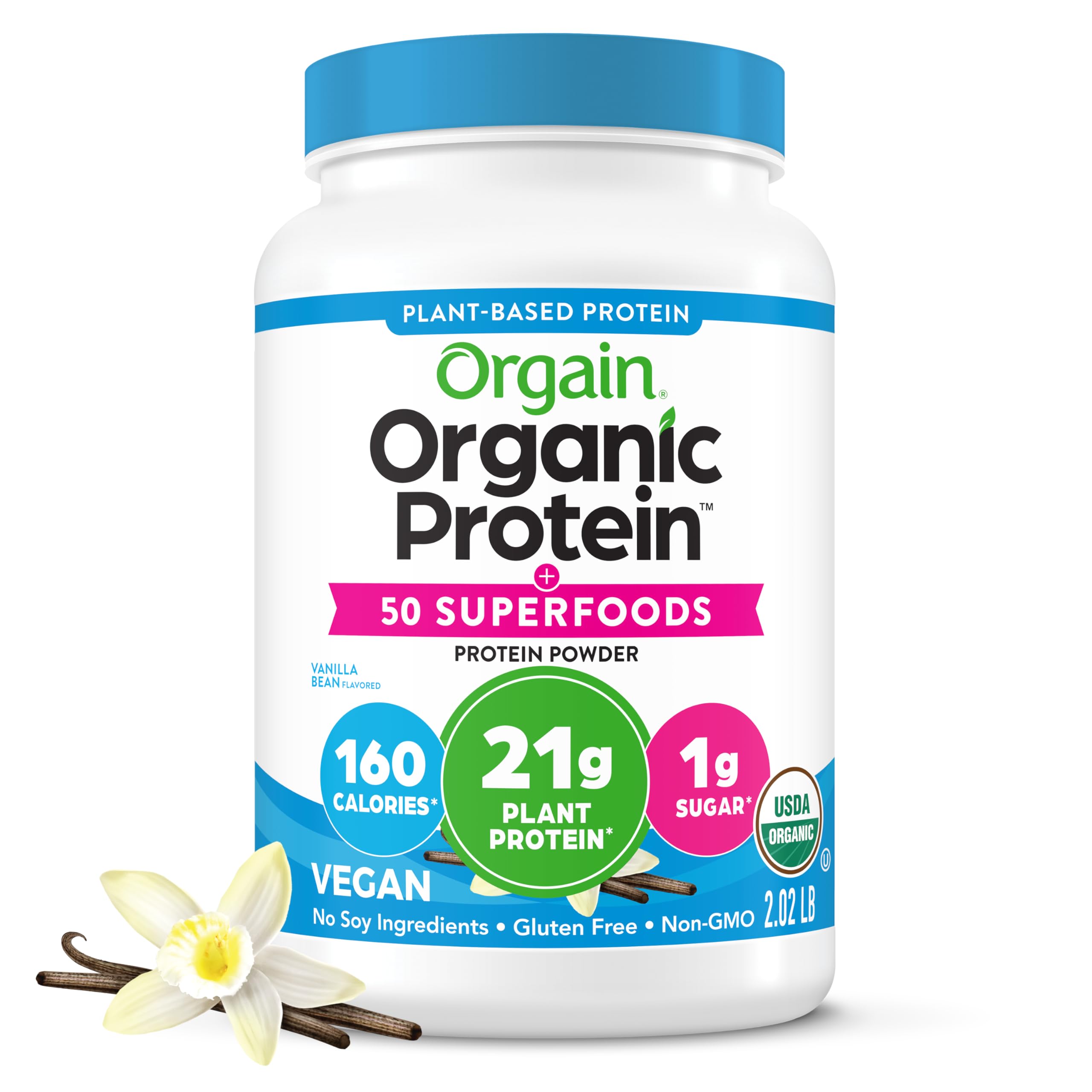
Orgain combines a plant protein blend of pea, brown rice, and chia with a 50-ingredient superfood mix including kale, spinach, and acai. With 21 grams of protein and 8 grams of prebiotic fiber per serving, this powder is as much about gut health as it is about muscle recovery. The vanilla bean flavor is lightly sweet with a cinnamon-like warmth, masking the typical plant protein chalkiness.
Users consistently praise how well it mixes with water or almond milk — only minimal shaking needed. It’s also versatile enough to stir into hot coffee or overnight oats without curdling. The 20-serving container is smaller than ideal for frequent users, but the subscription cost is manageable.
The main drawback is the exaggerated packaging: the tub is tall but only half-filled, which can feel deceptive. Still, the clean organic ingredients, kosher certification, and absence of artificial anything make it a reliable daily driver for anyone prioritizing ingredient quality over raw protein density.
Why it’s great
- Includes 8g prebiotic fiber for digestive support
- Organic, vegan, gluten-free, and kosher certified
- Mixes smoothly with minimal clumps
Good to know
- Container has significant empty headspace
- Only 20 servings per tub
- Slight chalky aftertaste despite flavoring
3. Growing Naturals Organic Rice Protein, Vanilla Blast

Growing Naturals positions itself as a direct whey substitute for those with food allergies. The organic brown rice protein delivers 15 grams of protein with 2.8 grams of BCAAs per serving, and it’s certified low-carb, low-sugar, and low-FODMAP. The vanilla blast flavor is notably less bitter and chalky than most rice proteins, making it tolerable straight with water.
Long-term users — including pregnant women and those managing IBS or Celiac — report it stays down easily and doesn’t cause bloat. It blends well in smoothies with banana and almond milk, and can be baked into pancakes or muffins as a flour substitute. The patented chemical-free processing sets it apart from cheaper concentrates.
A small number of batches have reportedly developed a rancid butyric acid smell, though this appears to be a rare production issue from earlier years. The price per serving is higher than bulk options, but for someone who needs a truly hypoallergenic protein that tastes decent, this is a top-tier choice.
Why it’s great
- Low-FODMAP, keto-friendly, and allergen-friendly
- Less bitter and chalky than typical rice protein
- Works well in baking as a flour substitute
Good to know
- Higher cost per serving than bulk options
- Rare batch quality control issues reported
- Single-source rice means incomplete lysine
4. NutriBiotic Organic Rice Protein Plain

NutriBiotic offers one of the most transparent labels on the market: organic sprouted brown rice, nothing else. The 3-pound tub provides a massive amount of 80% protein content with no chemicals, solvents, or preservatives used in processing. It’s certified organic and kosher, making it a trusted staple for purists.
The texture is where you need to set expectations. This is a grainy, gritty powder that never fully dissolves — even with vigorous shaking. Users recommend mixing with room-temperature water to reduce clumping, and adding a splash of olive oil to cut the foam. The taste is distinctly earthy, like brown rice flour, which works well in savory dishes but may be off-putting in sweet smoothies.
Despite the texture, this brand has a cult following among those who prioritize minimal processing over convenience. It has been in production for over 40 years, and multiple reviewers have used it for years without digestive issues. If you can tolerate the grit, the nutritional value and purity are outstanding.
Why it’s great
- Single ingredient: organic sprouted brown rice
- No chemical solvents or preservatives
- Excellent purity and high protein percentage
Good to know
- Very grainy and gritty; does not fully dissolve
- Earthy flavor not ideal for sweet smoothies
- Requires blending or special mixing techniques
5. Zen Principle Organic Brown Rice Protein, 6 lb
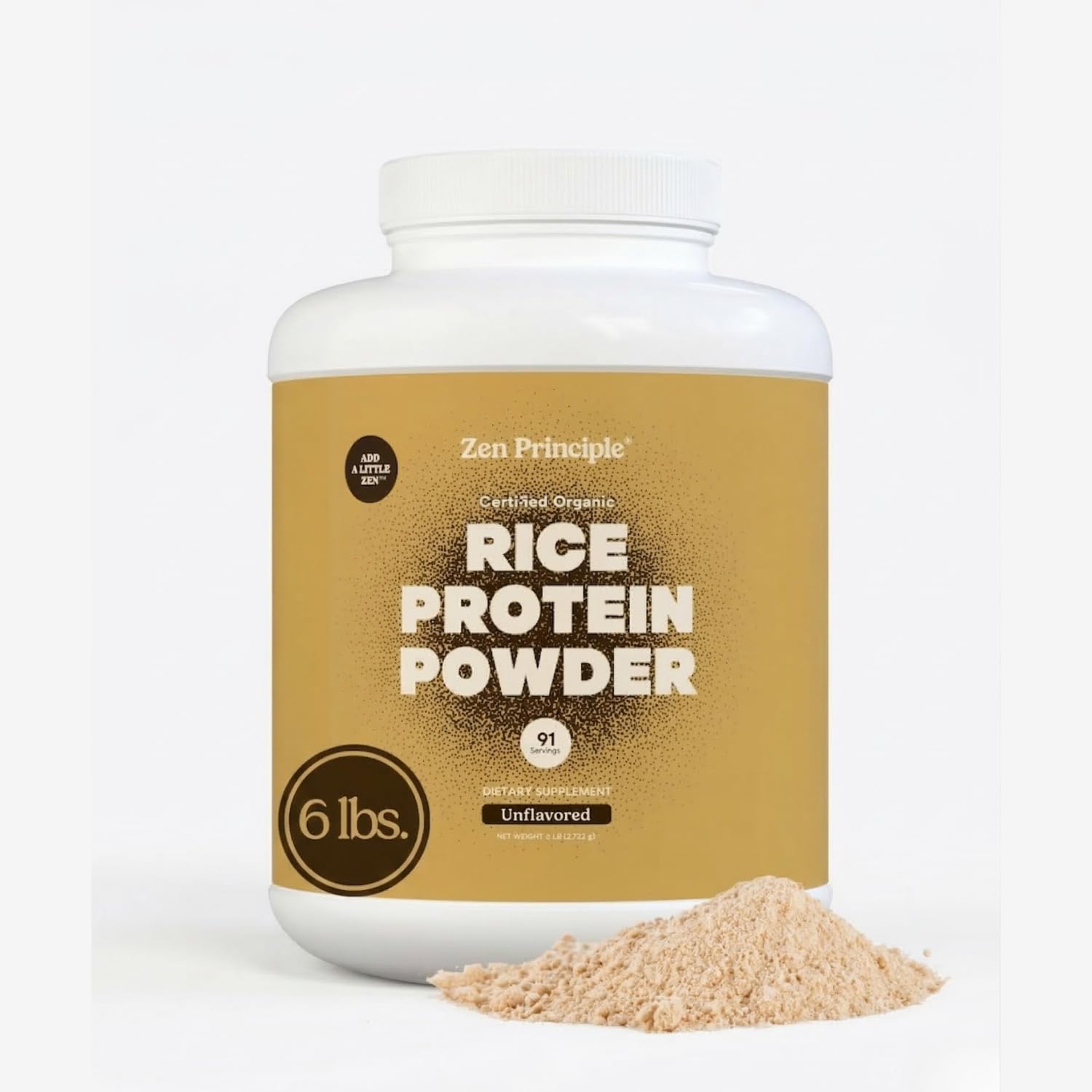
Zen Principle’s 6-pound bag is built for bulk buyers who want a fine-milled powder that blends more smoothly than typical rice protein. With 26 grams of protein per 30-gram scoop, it’s one of the highest protein densities in this guide. The powder is custom-milled to a consistency that reduces the gritty chalkiness, though some graininess remains.
Independent reviews note it has the most neutral taste among unflavored brown rice proteins, making it easier to mask in smoothies. It dissolves quickly in both cold and hot liquids, and users with IBS or lactose intolerance report excellent digestive tolerance. The low-temperature drying process helps retain nutrient integrity, and the manufacturer publishes in-house heavy metal testing.
However, there are two concerns: recent batches from certain lots have drawn complaints of a rancid smell, suggesting quality control may vary. Additionally, some customers clarify that this is primarily a rice protein isolate, which can cause rapid digestion and bloating in sensitive individuals despite the fine texture. If you buy this, test a small batch first.
Why it’s great
- Highest protein density per scoop in this guide
- Fine mill reduces grittiness significantly
- Neutral flavor blends easily into recipes
Good to know
- Batch quality inconsistency possible
- Isolate form may cause bloating for some
- Large 6-lb bag is not resealable
6. Nutricost Organic Rice Protein Powder, 2 lb
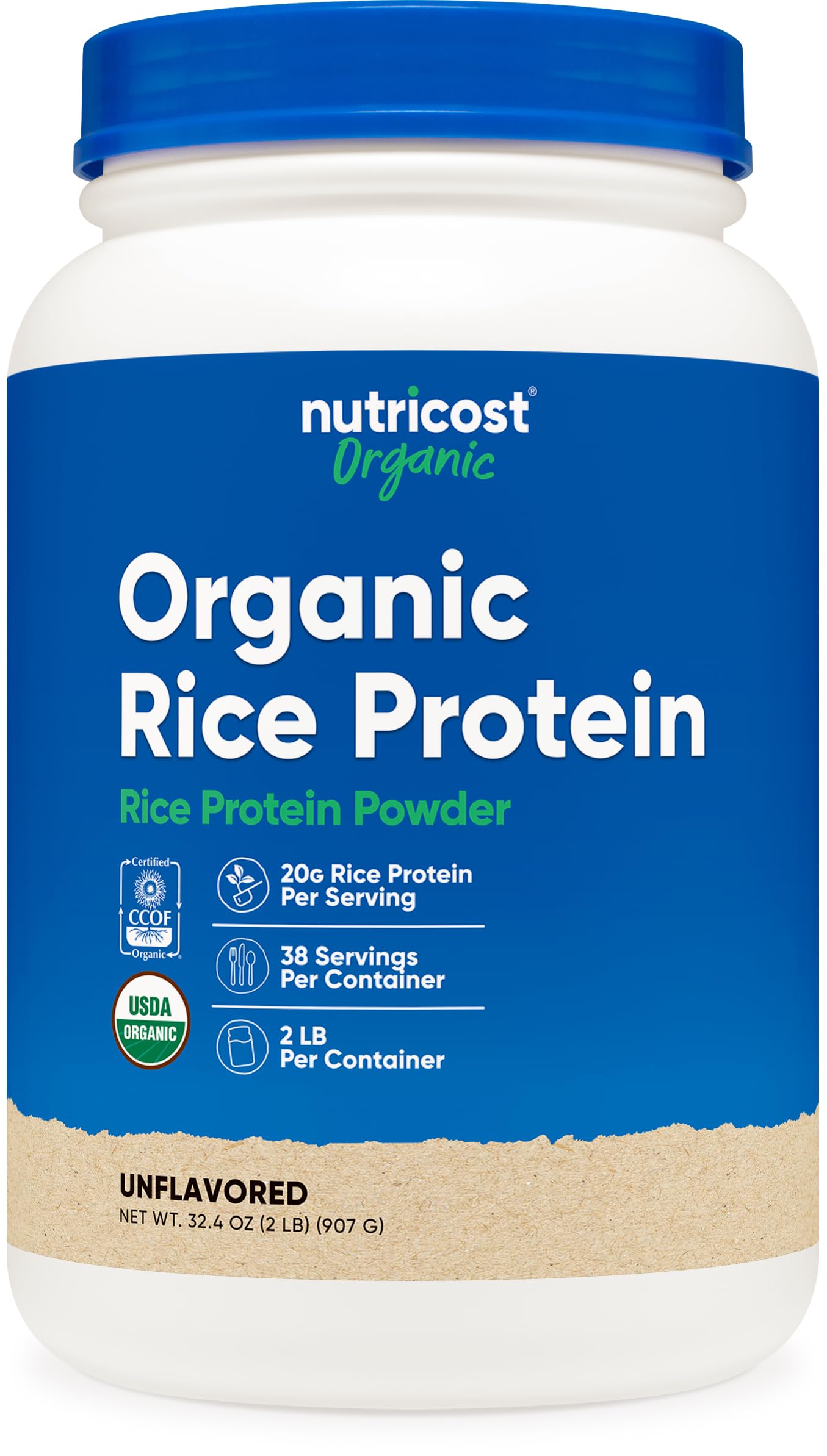
Nutricost delivers the lowest cost-per-serving entry in this list without sacrificing organic certification or GMP compliance. The 2-pound container holds unflavored brown rice protein that is gluten-free and non-GMO, making it a wallet-friendly option for those who plan to mix it into other foods rather than drink it straight.
Real-world feedback is brutally honest: this powder tastes awful with water alone, has a chalky and gritty texture, and does not dissolve fully. However, it shines when used as a pancake mix enhancer, folded into oatmeal, or blended with milk and fruit. One reviewer specifically highlighted a pancake recipe that works perfectly, and the cost per scoop is significantly lower than organic chicken or whey.
The amino acid profile remains incomplete — lysine is limiting — so this is best paired with eggs, milk, or a separate EAA supplement. For anyone on a tight budget who doesn’t mind the taste trade-off, Nutricost is a functional, no-frills protein source that won’t cause gas or bloating.
Why it’s great
- Very low cost per serving
- Organic and non-GMO certified
- No digestive issues reported
Good to know
- Terrible taste when mixed with water alone
- Chalky and gritty; does not dissolve
- Incomplete amino acid profile
7. Judee’s Sprouted Brown Rice Protein, 3 lb

Judee’s uses a sprouted brown rice formula that many users find less chalky than standard concentrates. The 3-pound resealable pouch is convenient for bulk storage and the unflavored profile allows it to disappear into smoothies, oatmeal, or savory dishes without altering taste. For severe nut allergy sufferers, it’s a safe, verified option.
The biggest positive from long-term users: no digestive issues even after two years of daily use. The powder dissolves well in a blender but tends to be grainy when stirred into yogurt or cold water. Some find a slight bitter aftertaste compared to whey, though this is masked effectively with sweeteners or banana and oil blends.
On the downside, a vocal minority describe the taste as “horrible” and find it impossible to mask, and the no-return policy for food products makes that a risky buy if you’re sensitive to the flavor profile. Additionally, as with any brown rice product, there is a theoretical concern about arsenic content; limiting to one serving daily is a reasonable precaution.
Why it’s great
- Long-term digestive tolerance even for severe allergies
- Resealable pouch for convenient storage
- Mixes well in a blender with minimal lumps
Good to know
- Unpalatable bitter taste for some users
- No returns accepted on food products
- Potential arsenic concern with brown rice
FAQ
Is rice protein a complete protein like whey?
Why does rice protein taste so bad compared to whey?
Can rice protein cause bloating or digestive issues?
Final Thoughts: The Verdict
For most users, the best rice protein powder winner is the Rawfusion Vegan Protein Powder because it offers a complete amino acid profile with smooth texture and zero fillers at a very fair price point. If you want added superfoods and prebiotic fiber for gut health, grab the Orgain Organic Vegan Protein + 50 Superfoods. And for a bulk, minimalist, single-ingredient protein that prioritizes purity above all else, nothing beats the NutriBiotic Organic Rice Protein.