The line between your morning coffee ritual and your post-workout shake has officially disappeared. The challenge now is finding a ready-to-drink or mixable protein coffee that actually delivers on taste without the chalky residue, the sugar crash, or the weird artificial aftertaste that plagues so many options in this category. A few brands do it right, but most miss the mark entirely.
I’m Mohammad Maruf — the founder and writer behind AirfryerBite. I’ve spent hundreds of hours analyzing the nutritional profiles, protein sources, caffeine levels, and sweetener choices in the protein coffee space to separate the real performers from the overpriced sugar water.
This guide breaks down the top contenders in the best protein coffee category, comparing protein per bottle, grams of sugar, caffeine content, and overall mouthfeel so you can find your daily staple without wasting money on bottles that taste like regret.
How To Choose The Best Protein Coffee
Not every bottle labeled “protein coffee” deserves a spot in your fridge. The category spans everything from indulgent, high-calorie coffee-flavored milkshakes to lean, macro-focused fuel that barely tastes like coffee. Here is what actually matters when you are comparing labels.
Protein Grams and Source Type
The range here runs from 10g per bottle all the way up to 30g. Your choice depends on whether this is a meal replacement, a post-workout recovery drink, or just a morning pick-me-up. Whey protein blends fastest in cold liquid and gives a thinner mouthfeel, while casein-based shakes are thicker and more satiating. Some products use a soy-whey-casein blend to balance texture with a complete amino acid profile.
Sweetener Strategy and Sugar Count
Most protein coffee products land at 1g of sugar or less, but the sweetener matters more than the number. Sucralose (Splenda) is the cheapest and can leave a metallic aftertaste that ruins the coffee flavor. Stevia and monk fruit extract offer a cleaner finish but can taste overly sweet at high concentrations. A product that uses a blend of allulose with monk fruit usually delivers the most neutral, coffee-complementary sweetness.
Caffeine Content and Real Coffee Flavor
Some products use brewed coffee as the base, while others rely on coffee flavoring or added caffeine. Real brewed coffee gives a fuller, more authentic taste but has a shorter shelf life. Products that add caffeine separately (like Coffeeberry Energy or green coffee bean extract) offer consistent dosing but often lack the depth of actual coffee. If you want genuine coffee taste, look for “brewed coffee” near the top of the ingredient list.
Quick Comparison
On smaller screens, swipe sideways to see the full table.
| Model | Category | Best For | Key Spec | Amazon |
|---|---|---|---|---|
| SUPER COFFEE Protein+ | RTD | Maximum protein per bottle | 25g protein, 0g added sugar | Amazon |
| Starbucks Coffee & Protein | RTD | Authentic Starbucks taste | 22g protein, 2g sugar | Amazon |
| Quest Coffee Protein Shake | RTD | High protein, low carb | 30g protein, 1g sugar | Amazon |
| Atkins Strong Café Latte | RTD | GLP-1 friendly support | 30g protein, 1g sugar | Amazon |
| Optimum Nutrition Gold Standard | RTD | Trusted brand, balanced macros | 24g protein, 1g sugar | Amazon |
| Quest Iced Coffee Mocha Latte | RTD | High caffeine breakfast | 10g protein, 200mg caffeine | Amazon |
| Ascent Iced Coffee Powder | Powder | Customizable serving size | 20g protein, 100mg caffeine | Amazon |
In‑Depth Reviews
1. SUPER COFFEE Protein+
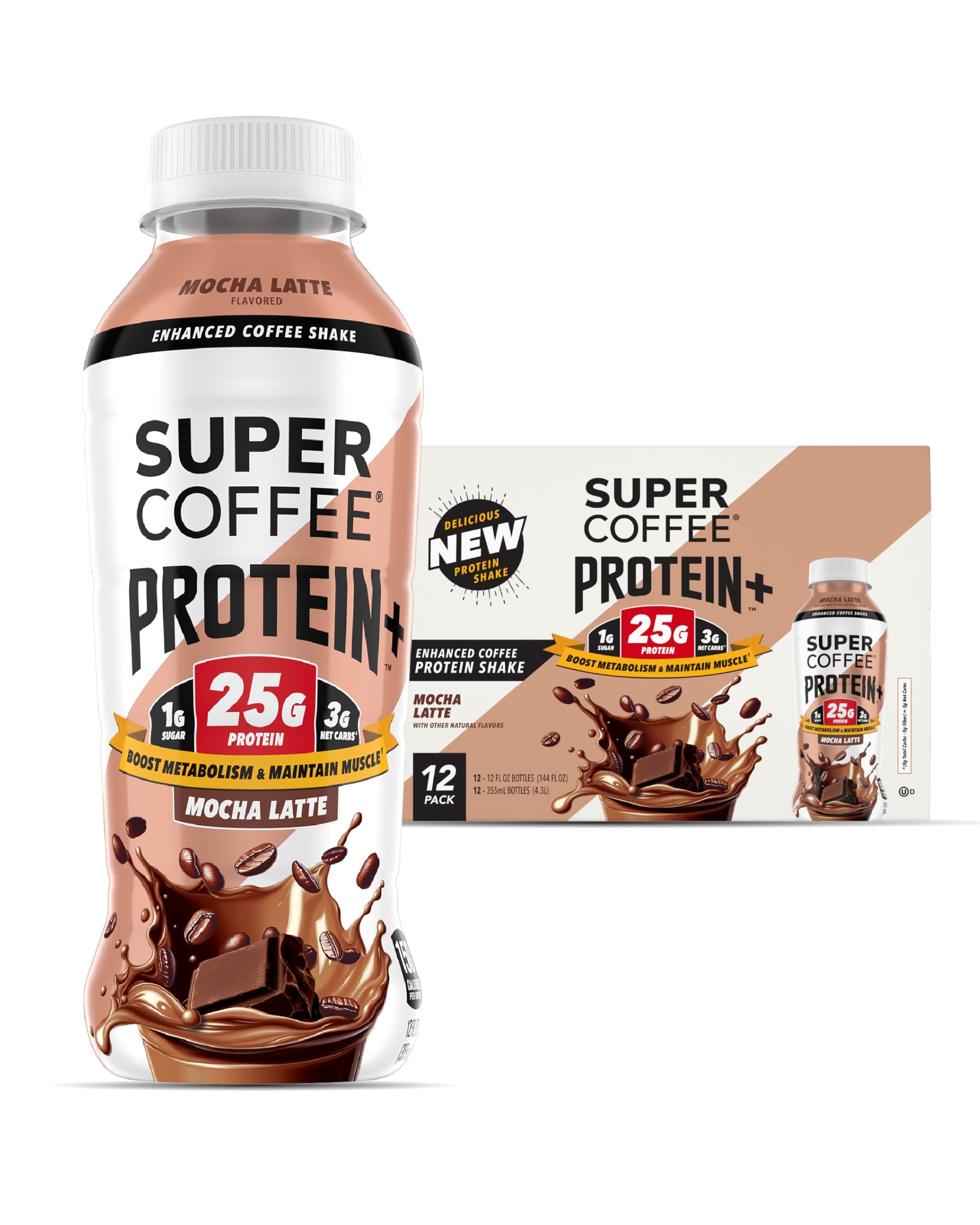
This is the bottle that makes the strongest case for a protein coffee daily habit. Each 12 oz serving delivers 25g of protein and 80mg of natural caffeine from actual brewed coffee, sweetened with a monk fruit and stevia blend that avoids the chemical tail of sucralose. The addition of MCT oil gives it a silky mouthfeel and supports the keto-friendly 3g net carb count.
Customer feedback consistently highlights the absence of chalky texture — a common complaint in the 20g+ protein category. The brand emerged from Shark Tank and has since moved over 100 million bottles, demonstrating a formula that works at scale. The mocha flavor is bold enough to stand on its own without tasting like a melted dessert.
The only real friction is the premium positioning, but when you compare the 25g of protein plus MCT oil and zero added sugar, the value proposition holds firm against cheaper options that cut corners on ingredients. If you drink one protein coffee a day, this is the one that checks every box.
Why it’s great
- Highest protein count in the lineup at 25g
- Zero added sugar and only 3g net carbs
- MCT oil adds creaminess without dairy bloat
- Clean sweetener profile with no aftertaste
Good to know
- Higher price point per bottle than generic competitors
- Caffeine at 80mg is moderate — not for heavy stimulant users
2. Starbucks Coffee & Protein
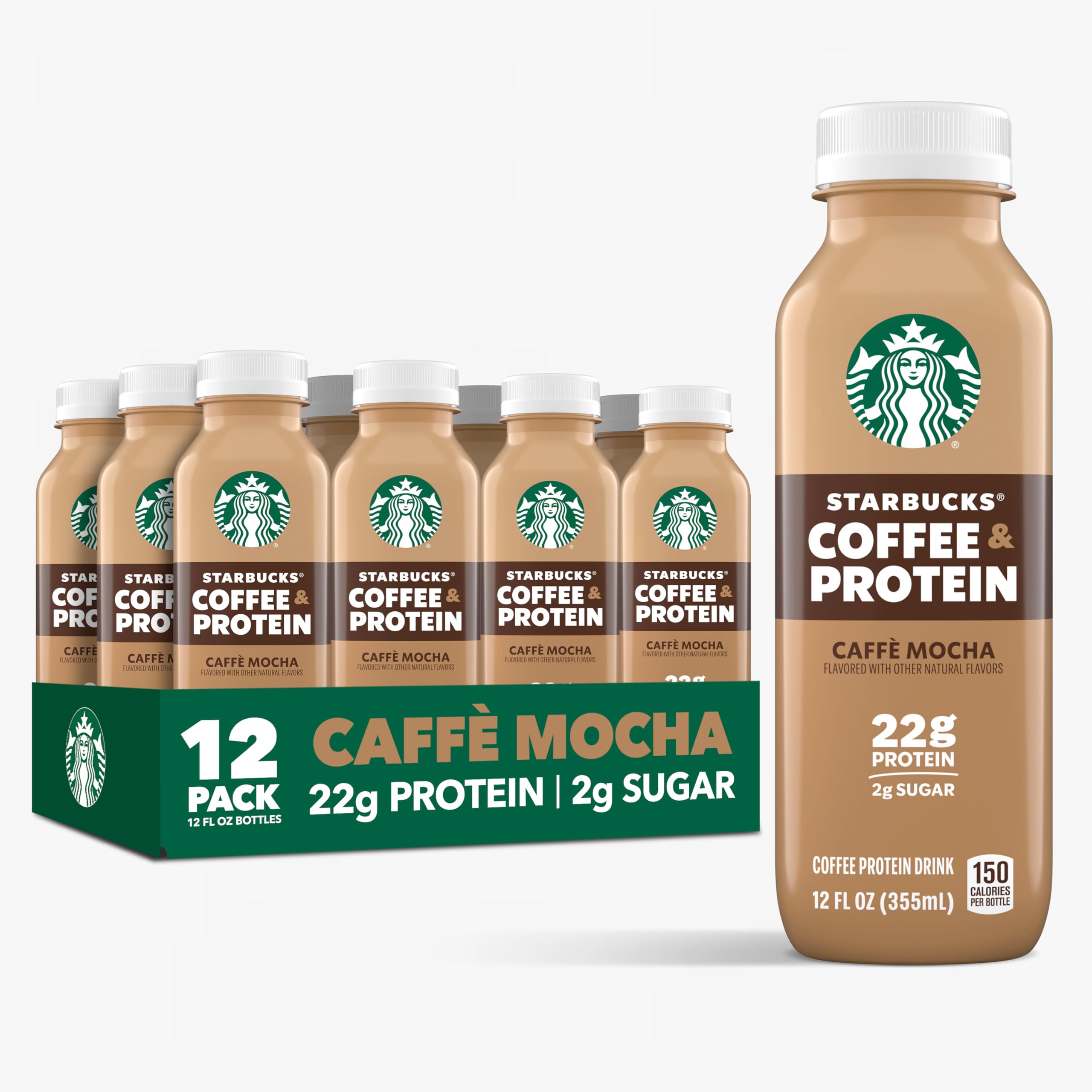
The biggest name in coffee retail finally entered the protein aisle, and the result tastes exactly like you would expect — smooth, familiar, and unmistakably Starbucks. Each 12 oz Caffe Mocha bottle packs 22g of complete protein with 5g of prebiotic fiber and only 2g of sugar, using no added sugar whatsoever.
The fiber content is a notable differentiator here. Most protein coffee products ignore gut health entirely, but the 5g of prebiotic fiber makes this a smarter choice for anyone managing GLP-1 medication or simply trying to improve digestive regularity. The protein comes from a milk-based blend that mixes cleanly without the grit that plagues soy-heavy alternatives.
Reviews are overwhelmingly positive on taste, though several long-time Starbucks drinkers note the coffee flavor is subtle compared to the straight cold brew. If you prioritize brand trust and want a nutritionally fortified option that tastes like a café treat, this is the safest bet on the shelf.
Why it’s great
- 5g of prebiotic fiber supports gut health
- Authentic Starbucks mocha flavor profile
- No added sugar with only 2g total sugar
- Widely available and brand trusted
Good to know
- 22g protein is lower than the category leader
- Some users report the coffee taste is mild
3. Quest Coffee Protein Shake

This shakes from Quest deliver a full 30g of protein per 11 oz bottle with only 4g of carbs and 1g of sugar, making it one of the most macro-efficient options in the entire protein coffee category. The coffee flavor is subtle but present, designed more for the person who wants a nutritional tool than a coffee connoisseur experience.
The texture is thinner than the Atkins or Super Coffee offerings, which some users prefer for quicker drinking on the go. The sweetener is sucralose-based, and while most reviews praise the taste, a significant minority finds it too sweet. The 3-pack of 4-count bottles gives flexibility for sampling before committing to a full 12-pack.
This product is ideal for anyone tracking macros strictly. If your daily protein target is 150g or higher, adding two of these to your routine gives you 60g of clean protein with minimal carb spillover. Just know that the coffee flavor plays a supporting role — this is a protein shake first, coffee drink second.
Why it’s great
- 30g protein per bottle is top of the category
- Only 4g carbs and 1g sugar
- Keto-friendly and gluten free
- Convenient multi-pack for trial
Good to know
- Sucralose sweetness may be too strong for some
- Thinner consistency than casein-based shakes
4. Atkins Strong Café Latte
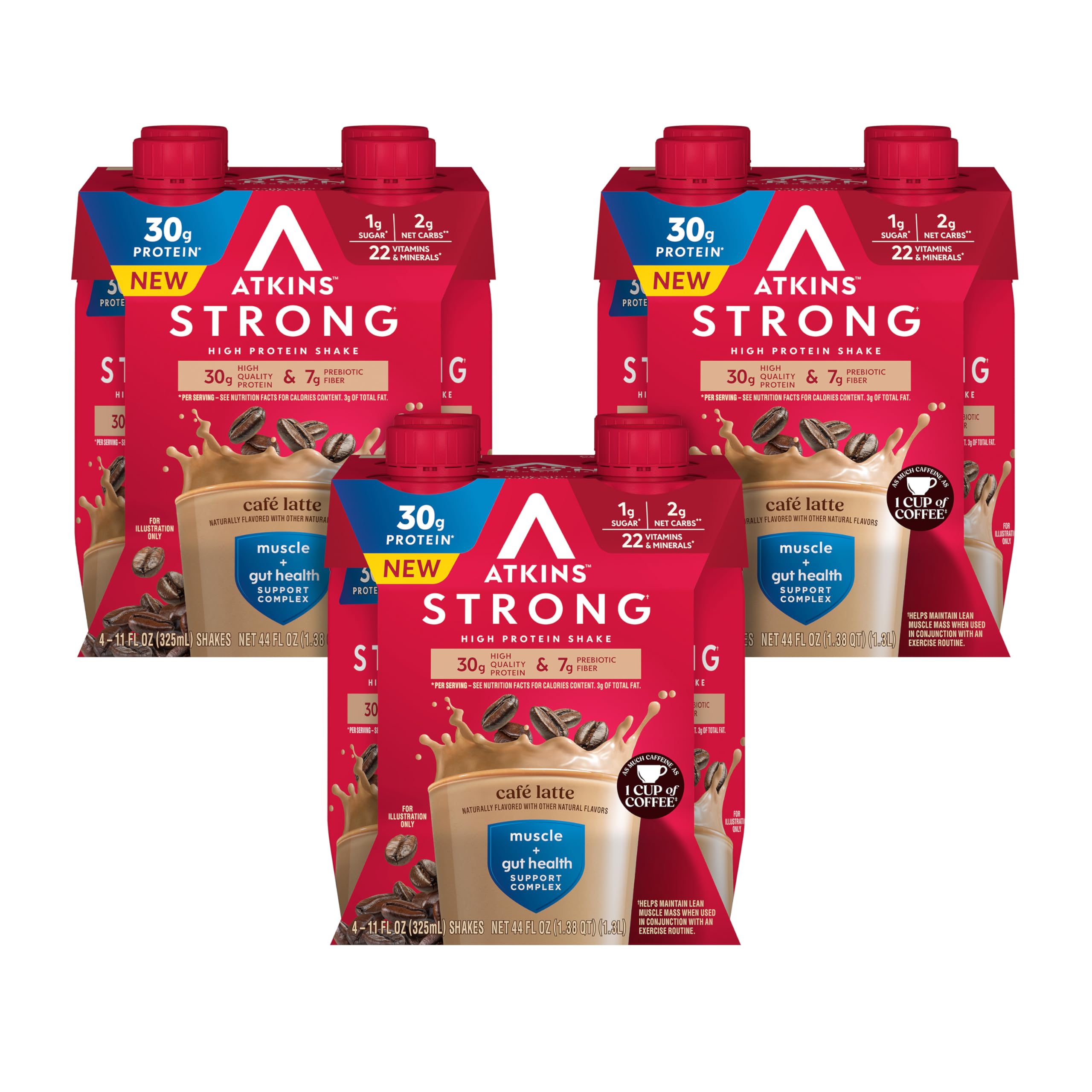
Atkins took their legacy low-carb formula and boosted the protein to 30g while adding 7g of prebiotic fiber — the highest fiber count in this roundup. The Café Latte flavor uses a casein, soy, and whey protein blend that creates a noticeably thicker, more milkshake-like consistency than whey-only alternatives.
This thickness translates into higher satiety. Multiple verified reviews describe it as a meal replacement that keeps hunger at bay for hours, which makes it particularly useful for early-morning drinkers who skip breakfast. The GLP-1 friendly positioning is deliberate — the combination of high protein and high fiber helps stabilize blood sugar and prolong fullness.
The flavor is well-received across the board, with “not chalky” appearing repeatedly in customer feedback. The inclusion of 22 vitamins and minerals rounds out the nutritional profile. The only downside is the 1g of sugar comes from the milk protein concentrate, which is natural but disqualifies it from zero-sugar purists.
Why it’s great
- 7g prebiotic fiber supports digestion and fullness
- 30g protein from a casein-whey-soy blend
- 22 vitamins and minerals per bottle
- GLP-1 friendly formula
Good to know
- Thicker texture may not suit all preferences
- Contains both milk and soy allergens
5. Optimum Nutrition Gold Standard Cafe Latte
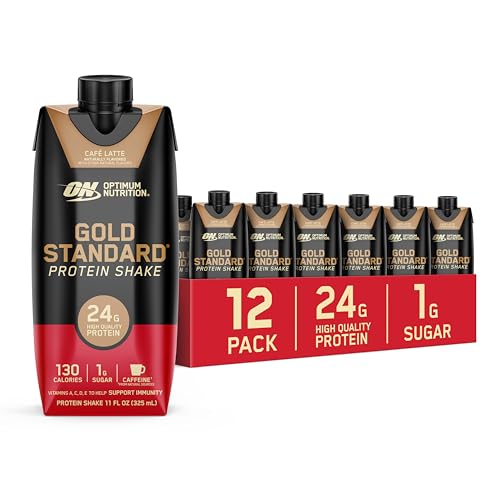
Optimum Nutrition built its reputation on Gold Standard Whey powder, and this RTD Café Latte extends that legacy into the ready-to-drink protein coffee segment. Each 11 oz bottle delivers 24g of protein from a blend that includes 9 essential amino acids, supported by 24 vitamins and minerals including antioxidants A, C, E, and zinc.
The caffeine content is intentionally modest at 58mg per bottle — roughly half a cup of coffee. This makes it a better choice for people who want the ritual of a coffee-flavored shake without the jitters, or for afternoon consumption when you still want to sleep that night. Multiple reviews mention that the flavor is slightly sweet but pleasantly smooth.
Some customers noted that the cafe latte flavor pairs well when poured into a cup of hot coffee, effectively turning a regular cup into a protein latte. The price sits at the lower end of the premium range, making it a strong entry point for anyone wanting a trusted brand without the sticker shock of more specialty options.
Why it’s great
- 24g protein with complete amino acid profile
- 24 vitamins and minerals for immune support
- Low caffeine at 58mg for sensitive drinkers
- World’s #1 sports nutrition brand trust
Good to know
- 58mg caffeine may be too low for energy seekers
- Some find the sweetness level a bit high
6. Quest Iced Coffee Mocha Latte

This is the caffeine-forward play in the protein coffee category. Quest’s Iced Coffee Mocha Latte delivers 200mg of caffeine per bottle — equivalent to about two cups of strong coffee — alongside 10g of protein. This is not a meal replacement; it is a functional energy drink designed for the morning commute or a pre-workout lift.
The protein content is lower than every other product in this guide, but that is by design. The thinner, more coffee-like consistency mirrors a bottled iced latte from your corner café rather than a thick protein shake. The sucralose sweetness is noticeable, and reviews are split — some call it “delicious,” while others find the artificial sweetness overpowers the coffee flavor.
If your primary goal is caffeine delivery with a side of protein, this bottle excels. The 1g of sugar and 90-calorie count make it one of the leanest options available. It also pairs well with a separate protein shake if you want both high caffeine and high protein in one sitting.
Why it’s great
- 200mg caffeine for a serious energy boost
- Only 90 calories and 1g sugar
- Thin, coffee-like consistency
- Gluten free and kosher
Good to know
- Only 10g protein — not a meal replacement
- Sucralose sweetness divides opinion
7. Ascent Iced Coffee Protein Powder

This is the only powder format in the roundup, and it serves a very different purpose than the ready-to-drink bottles. Ascent combines 100% Colombian coffee with Coffeeberry Energy for 100mg of natural caffeine, plus 20g of clean whey protein per serving. The powder format lets you control the concentration — use one scoop for a lighter drink or follow the intensity guide for up to 150mg of caffeine.
The ingredient philosophy here is notably clean: no artificial flavors, no artificial sweeteners, and no added sugar. The sweetness comes through naturally, and several reviews note that the flavor improves dramatically when blended with milk and a frozen banana. The whey protein does not mix well with hot liquids, so this is strictly an iced or cold-water product.
A small number of customers found the iced coffee flavor polarizing compared to Ascent’s other protein powders, which are widely praised. If you already own Ascent protein and love it, this is a natural extension. For new users, starting with a single tub is safer than committing to a multi-pack of RTD bottles.
Why it’s great
- Adjustable serving size for caffeine and protein
- No artificial flavors or sweeteners
- 100% Colombian coffee base
- Eco-friendly tub reduces packaging waste
Good to know
- Does not mix with hot beverages
- Flavor profile is less universally loved
FAQ
Is protein coffee as effective as a regular protein shake for muscle recovery?
Why do some protein coffee drinks use sucralose instead of stevia or monk fruit?
Can I heat up a ready-to-drink protein coffee without ruining the protein?
Final Thoughts: The Verdict
For most users, the best protein coffee winner is the SUPER COFFEE Protein+ because it delivers the highest protein count (25g) with zero added sugar, MCT oil for satiety, and a monk fruit sweetener that does not ruin the coffee taste. If you want authentic Starbucks flavor with gut-health fiber, grab the Starbucks Coffee & Protein. And for maximum macro efficiency with 30g of protein and only 4g of carbs, nothing beats the Quest Coffee Protein Shake.