Pairing iron with vitamin C is a clinically established strategy for increasing non-heme iron absorption, yet many supplement formulas miss the mark by using forms that cause digestive distress or lack sufficient ascorbic acid to make a meaningful difference. The right combination of elemental iron type, vitamin C dosage, and delivery form determines whether your supplement actually works or just sits on your shelf.
I’m Mohammad Maruf — the founder and writer behind AirfryerBite. I’ve spent years analyzing supplement formulations, digesting clinical studies on mineral absorption kinetics, and comparing how different iron chelates and vitamin C ratios impact bioavailability and gastrointestinal tolerance.
After evaluating the available options based on iron form, vitamin C content, elemental iron dosage, and stomach-friendliness, this guide breaks down the five top contenders for the best vitamin c supplement for iron absorption that deliver real results without the unwanted side effects.
How To Choose The Best Vitamin C Supplement For Iron Absorption
Selecting the right iron supplement with vitamin C isn’t just about picking the highest milligram count. The form of iron, the ratio of vitamin C, additional cofactors, and your personal tolerance all play a role in what will actually work for your body. Here’s what to look for when comparing options.
Iron Form Matters: Ferrous Sulfate, Carbonyl Iron, or Iron Bisglycinate
Ferrous sulfate is the most common and budget-friendly form, but it’s also the most likely to cause nausea, constipation, and stomach upset. Carbonyl iron is a highly purified form that offers excellent bioavailability with a lower risk of GI side effects — it requires a smaller tablet to deliver the same amount of elemental iron. Iron bisglycinate is a chelated form where iron is bound to the amino acid glycine, making it exceptionally gentle on the stomach and ideal for those with sensitive digestion, pregnancy needs, or a history of intolerance to other iron salts.
Vitamin C Dosage: The Bioavailability Catalyst
Vitamin C enhances non-heme iron absorption by reducing ferric iron to the more absorbable ferrous form and forming a soluble complex that prevents iron from binding to dietary inhibitors like phytates and tannins. Clinical research indicates that a minimum of 200 mg of vitamin C per dose significantly improves absorption, with 250 mg being a common therapeutic target in combination formulas. Some supplements pair iron with 30–50 mg of vitamin C as a token addition, but a truly effective product for iron deficiency should provide at least 100 mg of ascorbic acid per serving.
Elemental Iron Content and Additional Cofactors
The amount of elemental iron you need depends on your deficiency severity and your doctor’s recommendation. Standard maintenance doses range from 18 mg to 65 mg of elemental iron. Higher doses deliver more iron per tablet but may also increase the risk of GI side effects. Many advanced formulas also include methylated B vitamins — specifically folate (L-5-MTHF), B12 (methylcobalamin), and B6 (P-5-P) — which are essential cofactors in red blood cell production and hemoglobin synthesis, creating a more comprehensive blood-building effect beyond just iron and vitamin C.
Quick Comparison
On smaller screens, swipe sideways to see the full table.
| Model | Category | Best For | Key Spec | Amazon |
|---|---|---|---|---|
| Pink Stork Iron for Women | Premium | Gentle daily prenatal & women’s health | 18 mg Iron Bisglycinate + 50 mg Vitamin C | Amazon |
| Vitalitown Iron 65mg | Mid-Range | High-potency carbonyl iron with enhanced C | 65 mg Carbonyl Iron + 250 mg Vitamin C | Amazon |
| Vitalibre Iron Complex | Premium | Comprehensive blood building with B vitamins | 36 mg Iron Bisglycinate + B6, B12, Folate | Amazon |
| Vitamatic Ferrous Sulfate + C | Budget | Cost-effective ferrous sulfate combo | 65 mg Elemental Iron + 100 mg Vitamin C | Amazon |
| Vitalibre Carbonyl Iron 65mg | Mid-Range | Stomach-friendly high-dose carbonyl iron | 65 mg Carbonyl Iron + 250 mg Vitamin C | Amazon |
In‑Depth Reviews
1. Pink Stork Iron for Women
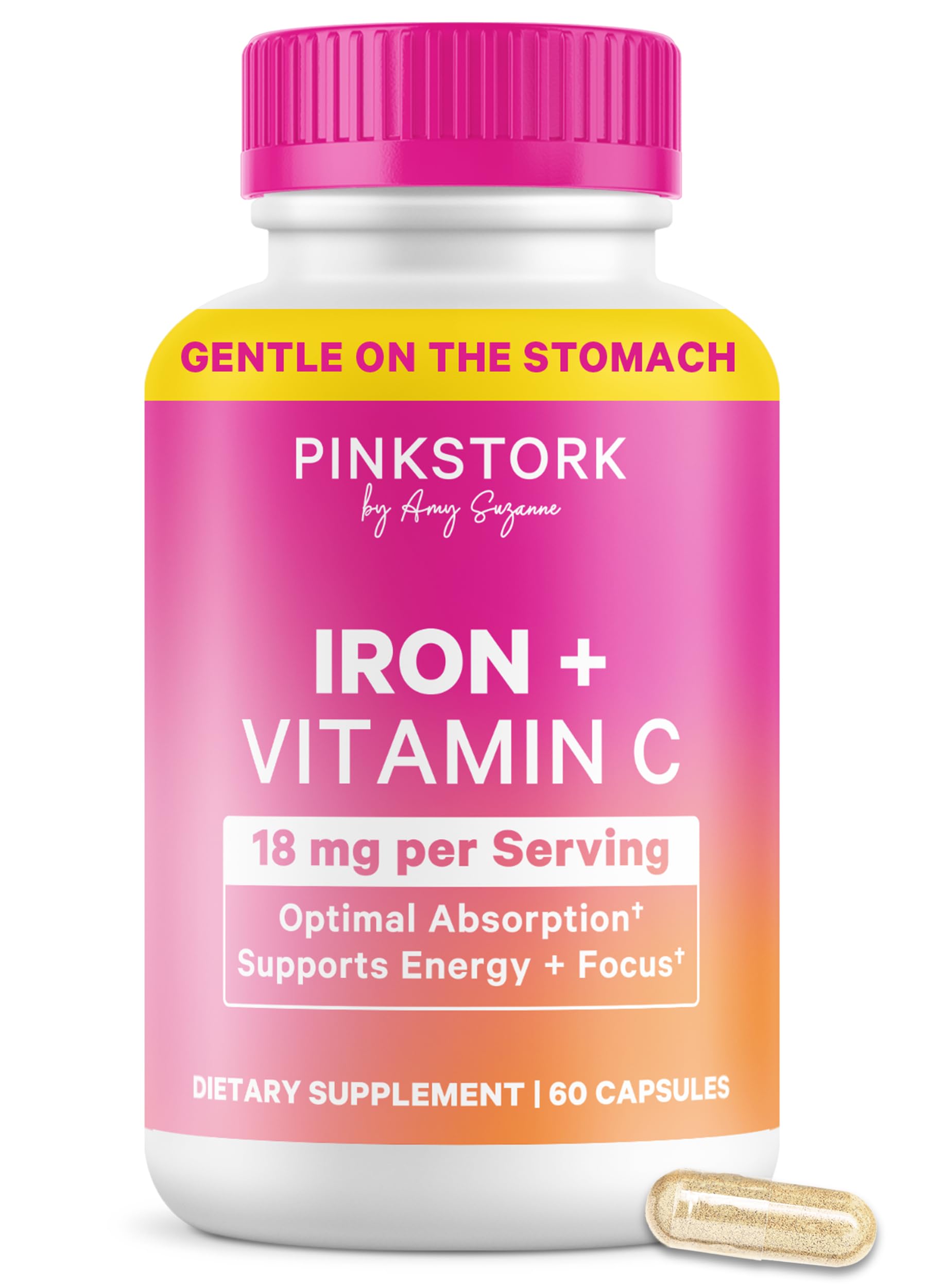
Pink Stork uses iron bisglycinate, a chelated form of iron that is widely recognized for being exceptionally gentle on the digestive tract. At 18 mg of elemental iron per capsule, this is a moderate-strength dose suitable for daily maintenance, prenatal support, and women managing iron levels during menstruation, pregnancy, postpartum, or perimenopause. The addition of 50 mg of vitamin C sourced from acerola fruit extract provides a natural source of ascorbic acid to aid non-heme iron absorption without relying on synthetic ascorbic acid alone.
User reviews consistently highlight the absence of constipation and stomach upset — a common complaint with ferrous sulfate supplements. One reviewer noted their iron levels rose from 10 to 11.7 g/dL in just one month while taking two capsules daily. Another reported successful use throughout pregnancy without the dreaded GI side effects. The small capsule size and lack of aftertaste make it easy to incorporate into a daily supplement routine.
This supplement is formulated with women’s life stages in mind, but its gentle profile makes it a strong option for anyone who has experienced intolerance to standard iron supplements. The 60-capsule count provides a two-month supply at the recommended serving of one capsule daily.
Why it’s great
- Iron bisglycinate is exceptionally gentle and well-tolerated
- Natural vitamin C from acerola fruit enhances absorption
- Effective for raising iron levels without constipation
- Designed specifically for women’s life stage needs
Good to know
- Moderate 18 mg dose may not be sufficient for severe deficiency without double dosing
- Vitamin C content (50 mg) is lower than clinical threshold for maximum absorption
2. Vitalitown Iron Supplement for Women Men
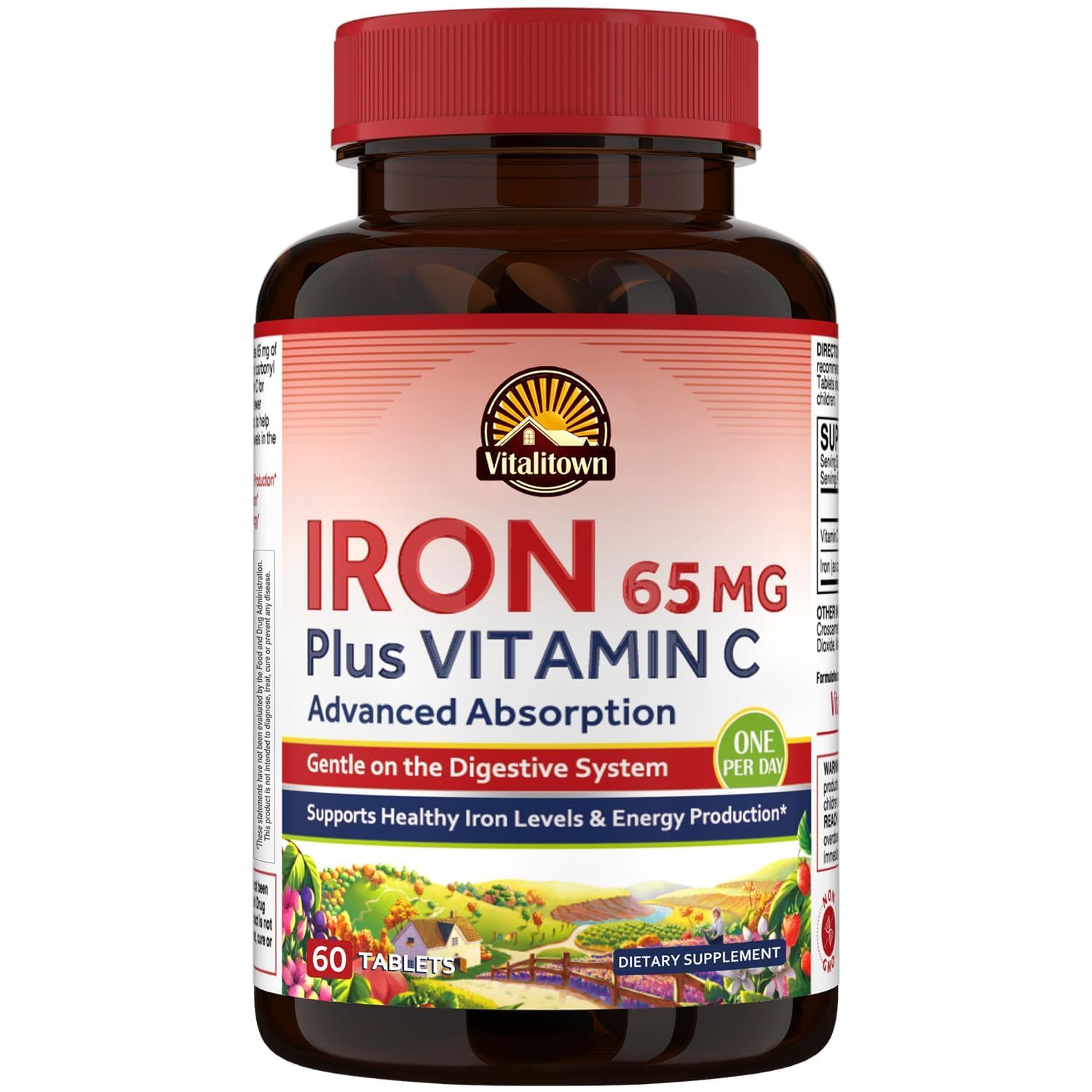
Vitalitown delivers 65 mg of elemental iron from carbonyl iron, a highly purified form that offers over 98% iron content with excellent bioavailability and a significantly lower risk of digestive upset compared to ferrous sulfate. The 250 mg of vitamin C per tablet is the standout feature here — this is the clinically meaningful dose that can substantially enhance non-heme iron absorption by reducing ferric iron to the absorbable ferrous form. The tablet itself is small and coated for easy swallowing.
Long-term users report that this supplement has helped maintain healthy iron levels over several years of consistent use. Some reviewers noted mild constipation despite the carbonyl form, though they described it as less severe than what they experienced with ferrous sulfate. Many appreciated that this product combines two pills into one convenient tablet, eliminating the need to take a separate vitamin C supplement alongside their iron.
This formula is suitable for both men and women and is free from gluten, dairy, soy, eggs, and major allergens. The 60-count bottle provides a two-month supply at one tablet per day, making it a strong mid-range option for those needing a high-potency iron and vitamin C combination without the gastrointestinal burden of traditional ferrous salts.
Why it’s great
- 250 mg vitamin C per tablet for optimized iron absorption
- Carbonyl iron is gentler than ferrous sulfate
- 65 mg elemental iron supports significant deficiency correction
- Small, coated tablet is easy to swallow
Good to know
- Some users still experience mild constipation
- Not suitable for those who need a lower daily iron dose
3. Vitalibre Iron Complex with B Vitamins

Vitalibre Iron Complex takes a comprehensive approach to blood-building nutrition by pairing 36 mg of elemental iron from iron bisglycinate with a full suite of methylated B vitamins: 400 mcg of folate as L-5-MTHF, 30 mcg of methylcobalamin (B12), and 5 mg of P-5-P (B6). The iron bisglycinate form is chelated to the amino acid glycine, which allows it to pass through the digestive tract without causing the irritation commonly associated with ferrous sulfate. The formula includes 30 mg of natural vitamin C to further enhance iron absorption.
Real-world feedback from users with diagnosed anemia is particularly strong. One reviewer reported that their low iron levels resolved completely and their blood tests returned to normal after using this supplement, noting increased energy and no longer feeling drowsy while driving. Another mentioned it was gentle enough to take on an empty stomach without discomfort. The inclusion of methylated B vitamins is especially valuable for individuals with MTHFR gene variants who cannot effectively utilize synthetic folic acid.
The 36 mg elemental iron dose is appropriate for moderate deficiency, pregnancy, and general maintenance, though those with severe iron deficiency may require a higher dose. The formula is vegan, gluten-free, and free from artificial fillers, making it a clean choice for those prioritizing purity in their supplements.
Why it’s great
- Iron bisglycinate is gentle and well-absorbed
- Methylated folate, B12, and B6 support hemoglobin production
- Effective for correcting diagnosed iron deficiency anemia
- Vegan, non-GMO, and free from common allergens
Good to know
- 30 mg vitamin C is on the lower end for absorption boosting
- 36 mg iron may be too low for severe deficiency without multiple capsules
4. Vitamatic Ferrous Sulfate 325 mg with Vitamin C 100 mg

Vitamatic offers a straightforward ferrous sulfate formula delivering 65 mg of elemental iron (from 325 mg ferrous sulfate) paired with 100 mg of vitamin C in a single coated tablet. This is the traditional, time-tested approach to iron supplementation that has been the clinical standard for decades. The 250-count bottle provides an exceptionally long supply, making this one of the most cost-effective options available for those who tolerate ferrous sulfate well. The tablets are made in the USA in a GMP-compliant, FDA-registered facility and are free from artificial colors, flavors, starch, soy, yeast, wheat, and egg.
User reviews are generally positive, with many reporting noticeable improvements in energy levels and alertness within days. Several reviewers noted that their doctors specifically recommended ferrous sulfate, and they appreciated finding a version that already includes vitamin C for enhanced absorption. The tablets are described as not overly large, which helps with swallowing compliance.
However, ferrous sulfate is the most likely form of iron to cause gastrointestinal side effects including nausea, constipation, stomach cramping, and dark stools. If you have a sensitive stomach or a history of iron intolerance, this may not be your best option despite the attractive price point. The 100 mg of vitamin C is sufficient for absorption enhancement, though not as potent as the 250 mg found in some competing formulas.
Why it’s great
- Extremely budget-friendly with 250 tablets per bottle
- 100 mg vitamin C already included for absorption support
- Made in USA in FDA-registered facility
- Doctor-recommended ferrous sulfate form
Good to know
- Ferrous sulfate commonly causes nausea and constipation
- Tablets may be difficult for some to swallow
5. Vitalibre Carbonyl Iron 65 mg with Vitamin C 250 mg

Vitalibre’s Carbonyl Iron formula provides 65 mg of elemental iron per tablet, using carbonyl iron as the iron source alongside 250 mg of vitamin C for maximum absorption enhancement. Carbonyl iron is manufactured by decomposing iron pentacarbonyl to create highly pure iron particles that are more bioavailable and significantly gentler on the gastrointestinal tract than ferrous sulfate. This form requires a smaller tablet volume to deliver the same amount of elemental iron, reducing the physical burden of swallowing large pills.
Users consistently describe this supplement as easy on the stomach, with one reviewer specifically noting that their husband takes these tablets daily with no stomach upset whatsoever. Another reviewer who required 85 mg daily (above the standard dose) appreciated that this brand offered the potency their doctor recommended. The 60-count bottle provides a two-month supply at one tablet per day, and the tablets are coated for smooth swallowing. The formula is free from sugar, gluten, dairy, soy, wheat, eggs, tree nuts, and peanuts.
The combination of 65 mg elemental carbonyl iron with 250 mg vitamin C is pharmacologically optimal — the high vitamin C dose significantly boosts non-heme iron absorption, while the carbonyl iron form minimizes the digestive side effects that often cause people to discontinue iron supplementation. This makes it a strong choice for those who need high-potency iron but have struggled with ferrous sulfate in the past.
Why it’s great
- 250 mg vitamin C per tablet for clinically meaningful absorption boost
- Carbonyl iron is highly bioavailable and gentle on the stomach
- 65 mg elemental iron suitable for moderate to severe deficiency
- Small coated tablet is easy to swallow
Good to know
- Not suitable for those needing a lower daily iron dose
- Some users may still experience mild digestive changes
FAQ
How much vitamin C do I need to maximize iron absorption from a supplement?
Which form of iron is least likely to cause constipation?
Final Thoughts: The Verdict
For most users, the best vitamin c supplement for iron absorption winner is the Pink Stork Iron for Women because its iron bisglycinate form delivers reliable absorption with virtually no gastrointestinal distress, making it ideal for daily use. If you want a high-potency dose with clinically meaningful vitamin C, grab the Vitalitown Iron Supplement with 65 mg carbonyl iron and 250 mg vitamin C. And for a comprehensive blood-building formula that includes methylated B vitamins, nothing beats the Vitalibre Iron Complex.