Chronic bloating, embarrassing gas, and the nagging discomfort of constipation can turn daily life into a guessing game of what foods will trigger the next episode. Knowing your gut microbiome is out of balance is one thing—finding a supplement that actually addresses these symptoms without causing more irritation is the real challenge. The probiotic market is flooded with conflicting CFU counts and strain lists, making it hard to separate marketing hype from genuine digestive relief.
I’m Mohammad Maruf — the founder and writer behind AirfryerBite. I’ve spent years analyzing the clinical research behind probiotic strains, third-party purity reports, and real user feedback to identify which formulations deliver measurable improvements for gas, bloating, and sluggish bowels, rather than just looking good on a label.
After evaluating dozens of products on CFU potency, strain diversity, delivery technology, and independent quality testing, I’ve narrowed the field to the seven most effective options. This guide will walk you through the key differences to help you find the right probiotic for gas bloating and constipation that fits your digestive needs and daily routine.
How To Choose The Best Probiotic For Gas Bloating And Constipation
Not all probiotics are formulated to target lower-GI symptoms like trapped gas and infrequent bowel movements. You need strains that specifically colonize the colon and produce short-chain fatty acids that stimulate motility and reduce inflammation. Here are the four factors that separate a targeted digestive probiotic from a general wellness capsule.
Strain Selection: Bifidobacterium and Lactobacillus Priority
For bloating and constipation relief, look for formulas heavy on Bifidobacterium lactis and Bifidobacterium longum. These strains have the strongest clinical evidence for accelerating colonic transit time and reducing abdominal distension. Lactobacillus plantarum and Lactobacillus acidophilus also help break down gas-producing fermentable fibers. Avoid blends with too many obscure strains that lack published motility studies.
CFU Potency vs. Survivability Technology
A 60-billion CFU count is useless if the bacteria die in your stomach acid. The best probiotic for gas bloating and constipation uses acid-resistant capsules, delayed-release vegetable capsules, or a capsule-in-capsule design to protect the bacteria until they reach the intestines. Shelf-stable formulations that don’t require refrigeration also maintain higher survivability through shipping and storage without losing potency before expiration.
Synbiotic Advantage: Prebiotics, Postbiotics, and Parabiotics
Prebiotic fibers like inulin or acacia feed the live bacteria once they arrive in the colon, boosting colonization. Postbiotics—short-chain fatty acids produced during fermentation—directly support bowel regularity. Emerging research also shows parabiotics (non-viable probiotic cells) influence immune signaling in the gut wall. A 3-in-1 or 4-in-1 synbiotic often yields faster symptomatic relief than plain probiotics alone.
Third-Party Testing and Purity Verification
Since supplements are not FDA-approved before sale, you need confidence in what the bottle actually contains. Look for brands that disclose third-party testing for purity, potency, and absence of heavy metals. Certifications for non-GMO, vegan, gluten-free, and dairy-free formulations are also important if you have food sensitivities that mimic IBS symptoms.
Quick Comparison
On smaller screens, swipe sideways to see the full table.
| Model | Category | Best For | Key Spec | Amazon |
|---|---|---|---|---|
| Physician’s CHOICE 60B | Synbiotic Capsule | Max-strength daily gut support | 60B CFU, 10 strains + organic prebiotics | Amazon |
| Seed DS-01 Daily Synbiotic | Synbiotic Capsule | Clinically studied gas & bloating relief | 53.6B AFU, 24 strains + prebiotic | Amazon |
| Vital Planet Colon & Constipation | 4-in-1 Synbiotic | Intense colon-targeted regularity | 65B CFU, 66 strains, postbiotics | Amazon |
| Align Pro Formula | Single-Strain Capsule | Gentle daily bloating & gas relief | Bifidobacterium 35624 strain | Amazon |
| Dr. Berg Probiotic | Synbiotic Capsule | Delayed-release digestive support | 60B CFU, 10 strains + 4 prebiotics | Amazon |
| THORNE Complete Biotic | Powder Synbiotic | Fast-absorbing puck for sensitive stomachs | Prebiotic + probiotic + postbiotic powder | Amazon |
| Holistic Health Labs Gut Alive | Gut Lining Capsule | Gut barrier repair with zinc carnosine | Patented zinc carnosine + ginger | Amazon |
In‑Depth Reviews
1. Physician’s CHOICE Probiotics 60 Billion CFU

Physician’s CHOICE hits the sweet spot for daily gut support with 60 billion CFU across 10 diverse strains, plus organic prebiotics to feed those colonies after they arrive. The acid-resistant capsule and shelf-stable bottle ensure the bacteria survive stomach transit, which is critical for anyone who has tried probiotics with zero results because the organisms died before reaching the intestines. Long-term users report reduced bloating within the first week and improved bowel regularity after a month—even those with chronic, stubborn constipation.
The 84-count bottle supplies a full 12-week course, which works out to a reasonable monthly investment for a third-party tested product manufactured in the USA. Reviewers who have stayed on it for years note that stopping leads to a return of gut irritability and irregularity, which is a strong indicator of real microbial colonization rather than a placebo effect. The formula is designed to target occasional constipation, diarrhea, gas, and bloating simultaneously, making it a versatile choice for mixed GI symptoms.
One less obvious strength is its compatibility with a fiber supplement routine. Several verified buyers pair it with psyllium husk and report achieving one complete bowel movement daily after years of struggle. The unflavored capsules are small enough to swallow easily and don’t require refrigeration, simplifying travel and daily consistency. For most people, this is the most balanced probiotic for gas bloating and constipation available at this potency level.
Why it’s great
- High-potency 60B CFU with prebiotic boost improves bloating within one week.
- Acid-resistant capsules ensure bacteria survive to the colon.
- 12-week supply reduces per-serving cost compared to similar CFU counts.
Good to know
- Some users need 1–2 weeks of acclimation before full results appear.
- Price is mid-range; not the cheapest option for budget shoppers.
2. Seed DS-01 Daily Synbiotic
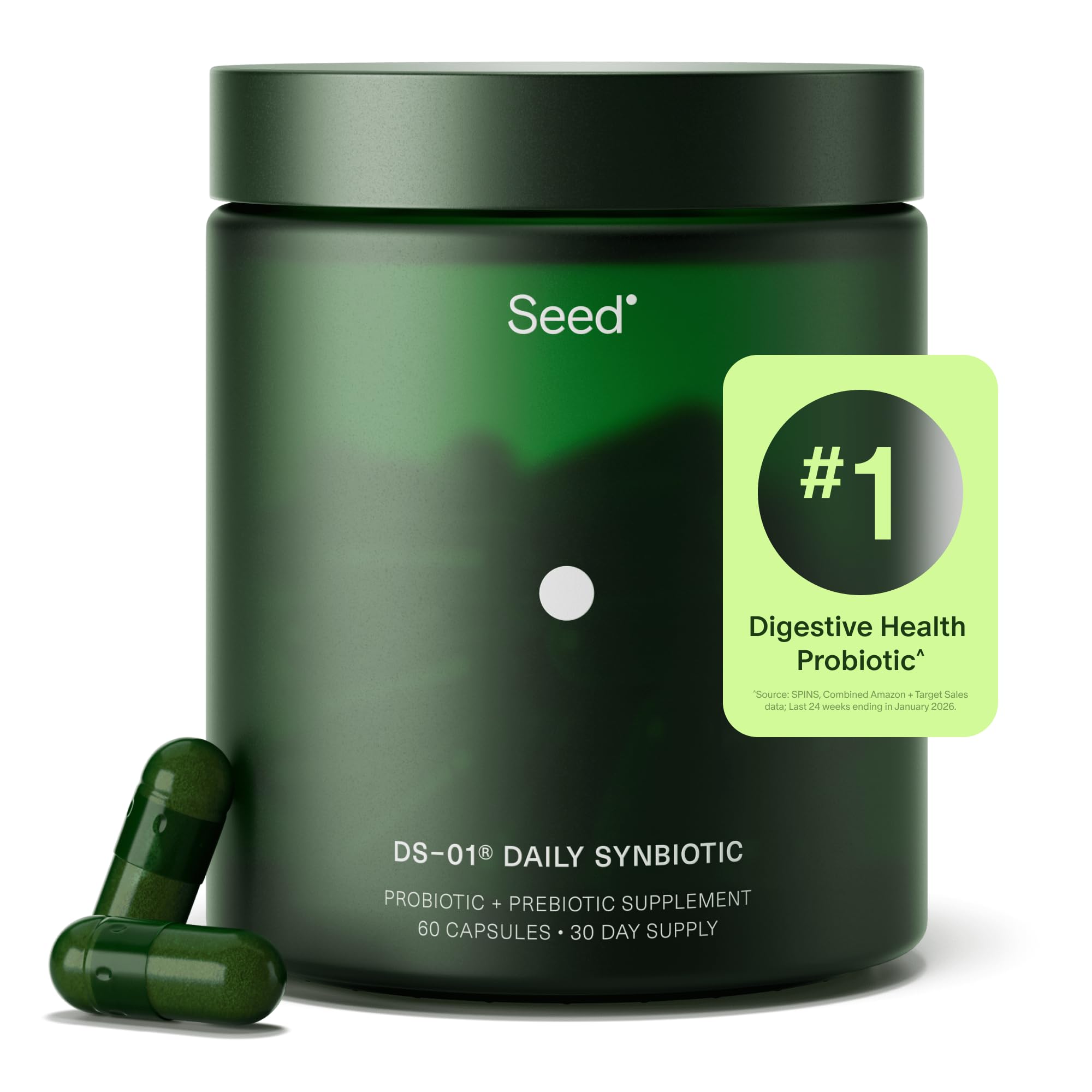
Seed’s DS-01 stands out because it backs its claims with a clinical trial showing reduced bloating and gas in healthy adults—data that few probiotic brands can cite. The proprietary capsule-in-capsule system passes through the stomach and releases the 24 strains and prebiotic fiber directly in the intestines, based on an in-vitro simulation using the Simulator of Human Intestinal Microbial Ecosystem. With 53.6 billion AFU per serving, it delivers enough live bacteria to shift the microbiome measurably within 30 days.
Beyond gut motility, Seed’s formulation also targets immune support and even visible signs of skin aging, making it a multi-functional synbiotic rather than a single-purpose bloating fix. The pomegranate-flavored outer capsule is vegan, shelf-stable, and contains no dairy or gluten, so it suits restrictive diets. Consistent users report noticeable differences in digestion and fewer bloating episodes while maintaining an easy morning routine of just two capsules on an empty stomach before coffee.
The main friction point is the price—at around sixty dollars per 30-day starter pack, it sits at the premium end of the spectrum. The packaging is also heavier than necessary, which bothers some eco-conscious buyers. But for those who want a clinically validated, high-survivability synbiotic that addresses bloating, constipation, and systemic benefits simultaneously, Seed DS-01 delivers the strongest evidence base in this category.
Why it’s great
- Clinical trial data supports reduction in bloating and gas in healthy adults.
- Capsule-in-capsule design ensures superior bacterial survivability through the gut.
- 24 carefully selected strains plus prebiotic fiber for colonization.
Good to know
- Premium price point is significantly higher than most competitors.
- Excessive outer packaging may be wasteful for some buyers.
3. Vital Planet Intense Care Colon & Constipation Probiotics

Vital Planet took a targeted approach by designing this 4-in-1 formula specifically for colon health and constipation relief. It packs 65 billion CFU from 66 diverse strains, but what sets it apart is the heavy tilt toward Bifidobacteria—the primary microflora found in a healthy colon. The addition of organic prebiotics, postbiotic metabolites, and parabiotics creates a full-spectrum ecosystem that supports both immediate bowel regularity and long-term mucosal health.
Founder Brenda Watson has been formulating digestive supplements for decades, and the acid-resistant vegetable capsules are designed to break down slowly so the strains reach the large intestine intact. Verified buyers recovering from multiple rounds of antibiotics found this formula restored normal stool consistency within two weeks. It’s also vegan, non-GMO, dairy-free, soy-free, and gluten-free, which eliminates common triggers that exacerbate bloating and gas.
The 30-count bottle at a premium price means a higher per-serving cost than some alternatives, and a few users report inconsistent results over longer periods. However, the proportional dominance of Bifidobacteria makes this one of the most strategically designed probiotics for gas bloating and constipation specifically—not just a general gut health capsule with a high CFU count slapped on the label.
Why it’s great
- High Bifidobacteria content directly targets colon health and motility.
- 4-in-1 formula includes prebiotics, postbiotics, and parabiotics for full support.
- Third-party tested for purity and potency; vegan and allergen-free.
Good to know
- Premium price per bottle with only 30 servings per container.
- Some users experience inconsistent results that may require a second month.
4. Align Probiotic Pro Formula
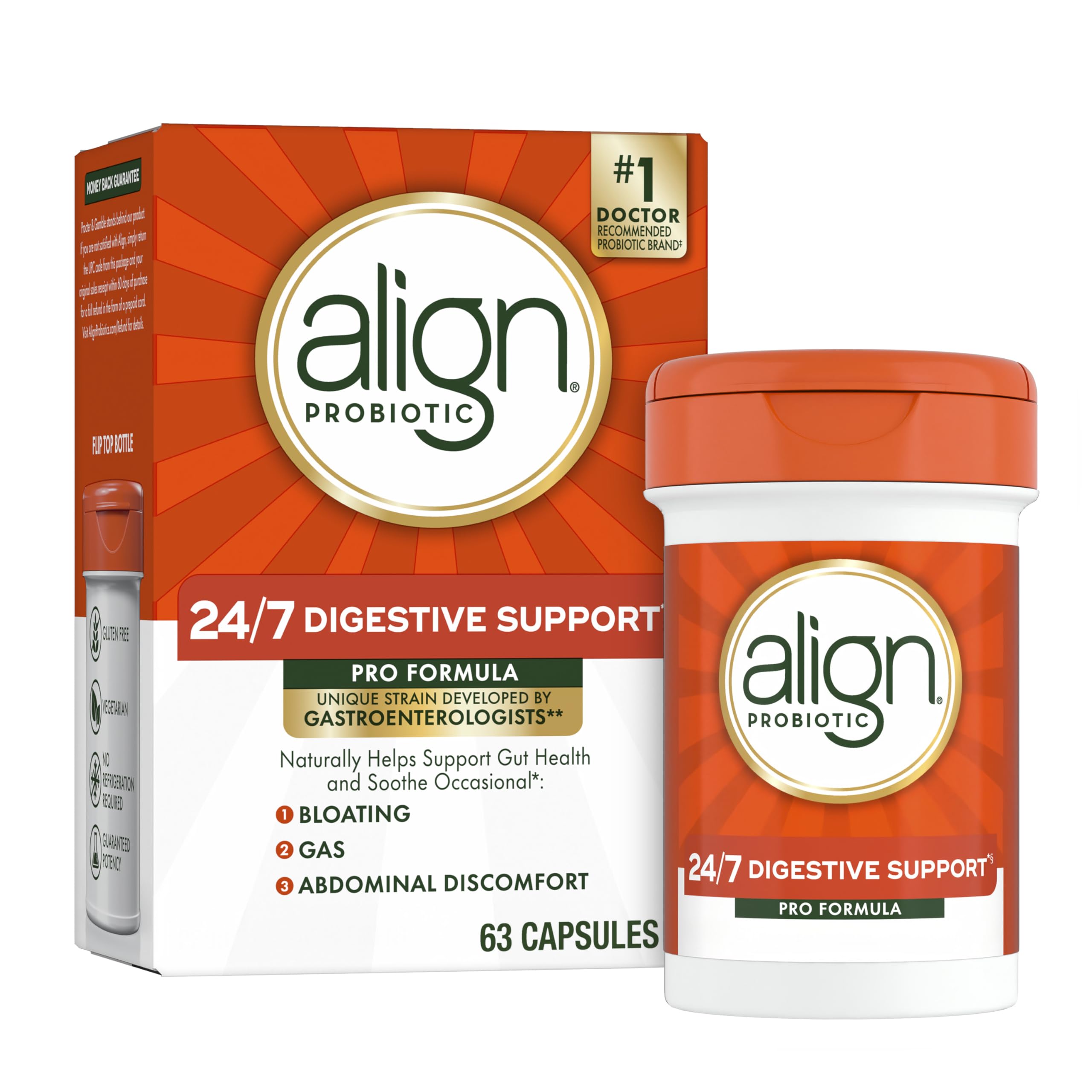
Align is one of the most clinically studied probiotic brands on the market, and its Pro Formula focuses on a single strain—Bifidobacterium 35624—selected from over 1,500 candidates for its ability to relieve occasional bloating, gas, and gut discomfort. This strain has over two decades of published research behind it, which is a rare depth of evidence for a single microorganism. The tiny capsule is easy to swallow and doesn’t require refrigeration, stored in a desiccant bottle to maintain potency through the expiration date.
Users describe a gentle, consistent improvement in digestion with no harsh side effects. Many report that bloating after meals decreases noticeably within the first two weeks, and their bowel movements become more predictable. The Pro Formula is also vegetarian and gluten-free, making it accessible for those with dietary restrictions. One small but appreciated design choice: the capsule is significantly smaller than most 60B+ CFU capsules, which matters for people who struggle to swallow large pills.
Because it relies on a single strain rather than a diverse blend, Align is best suited for mild to moderate bloating and gas rather than severe chronic constipation. Taking it on an empty stomach is important for optimal absorption, which adds a small timing constraint to the daily routine. The price lands in the mid-range for a two-month supply, and most users agree the quality justifies the cost.
Why it’s great
- Backed by 20+ years of clinical research on Bifidobacterium 35624.
- Very small, easy-to-swallow capsule reduces compliance barriers.
- Gentle on the stomach; no side effects reported by the majority of users.
Good to know
- Single-strain formula may not be potent enough for severe constipation.
- Best results require taking it on an empty stomach for absorption.
5. Dr. Berg Probiotic Supplement
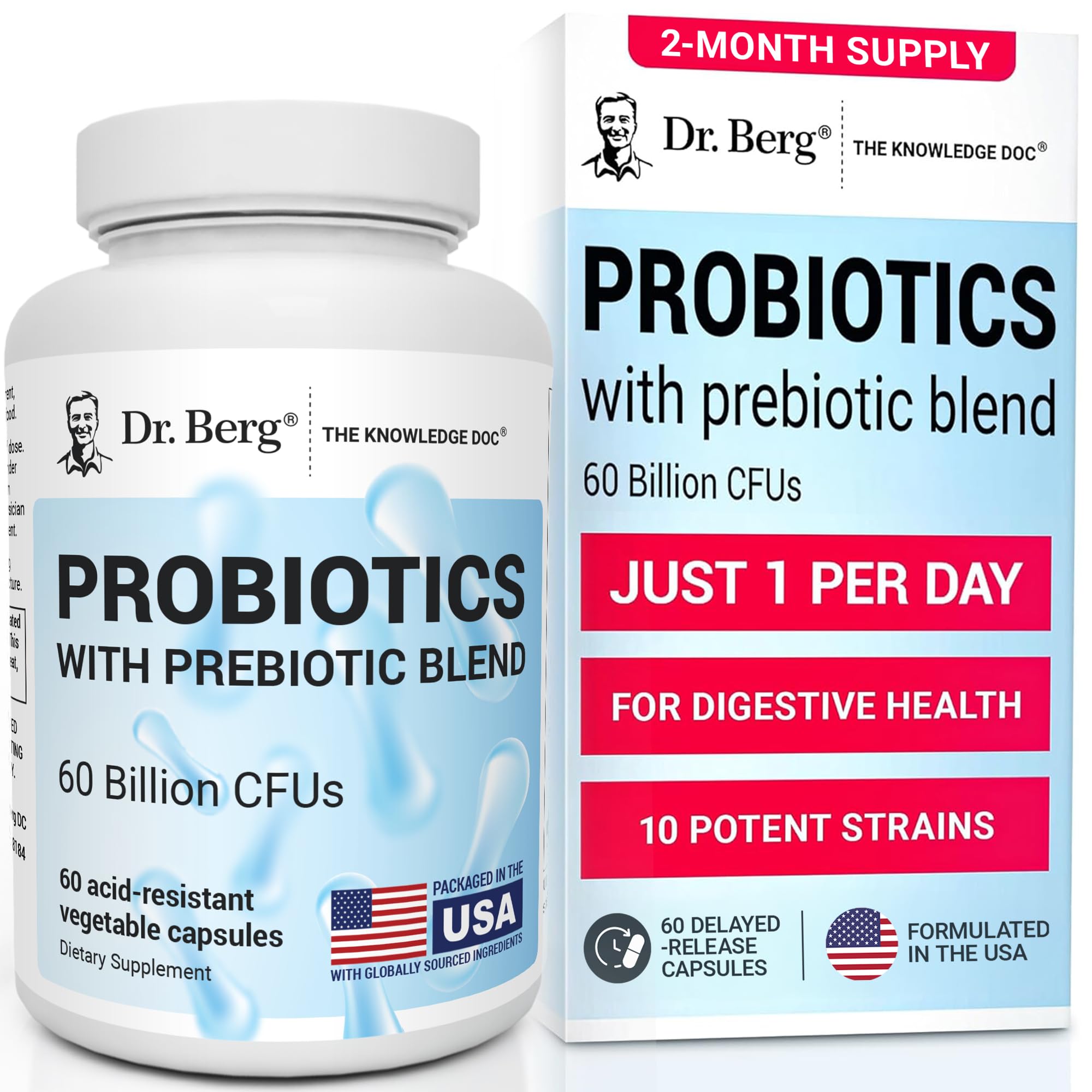
Dr. Berg’s probiotic delivers 60 billion CFU from 10 strains paired with a proprietary blend of 4 prebiotics, all housed in a delayed-release capsule designed to bypass stomach acid and release in the intestines. The formulation includes peppermint, which naturally soothes the stomach lining and provides an additional layer of relief for those sensitive to probiotic initiation. Users with long-standing IBS reported noticeable symptom control after a month of daily use.
The product is made in the USA with a mix of domestic and imported ingredients, and Dr. Berg’s brand has a loyal following for digestive supplements, including gallbladder and Tudca formulations that complement this probiotic. Verified buyers appreciate the 30-day money-back guarantee, which reduces the financial risk of trying a new strain blend. The 60-capsule bottle provides a two-month supply at a moderate monthly cost.
The delayed-release technology is a major advantage for those who have tried other probiotics that caused stomach upset or produced no effect. However, the formula is unflavored and some users find the capsules slightly larger than average. The product works best when paired with a healthy diet—reviewers who followed a Mediterranean-type eating pattern reported significantly better outcomes than those who relied on the supplement alone.
Why it’s great
- Delayed-release capsule protects bacteria through stomach acid for better colonization.
- Contains peppermint for natural stomach soothing during acclimation.
- 30-day money-back guarantee lowers trial risk.
Good to know
- Capsules are slightly larger, which may be harder for some to swallow.
- Best results depend on maintaining a healthy diet alongside the supplement.
6. THORNE Complete Biotic
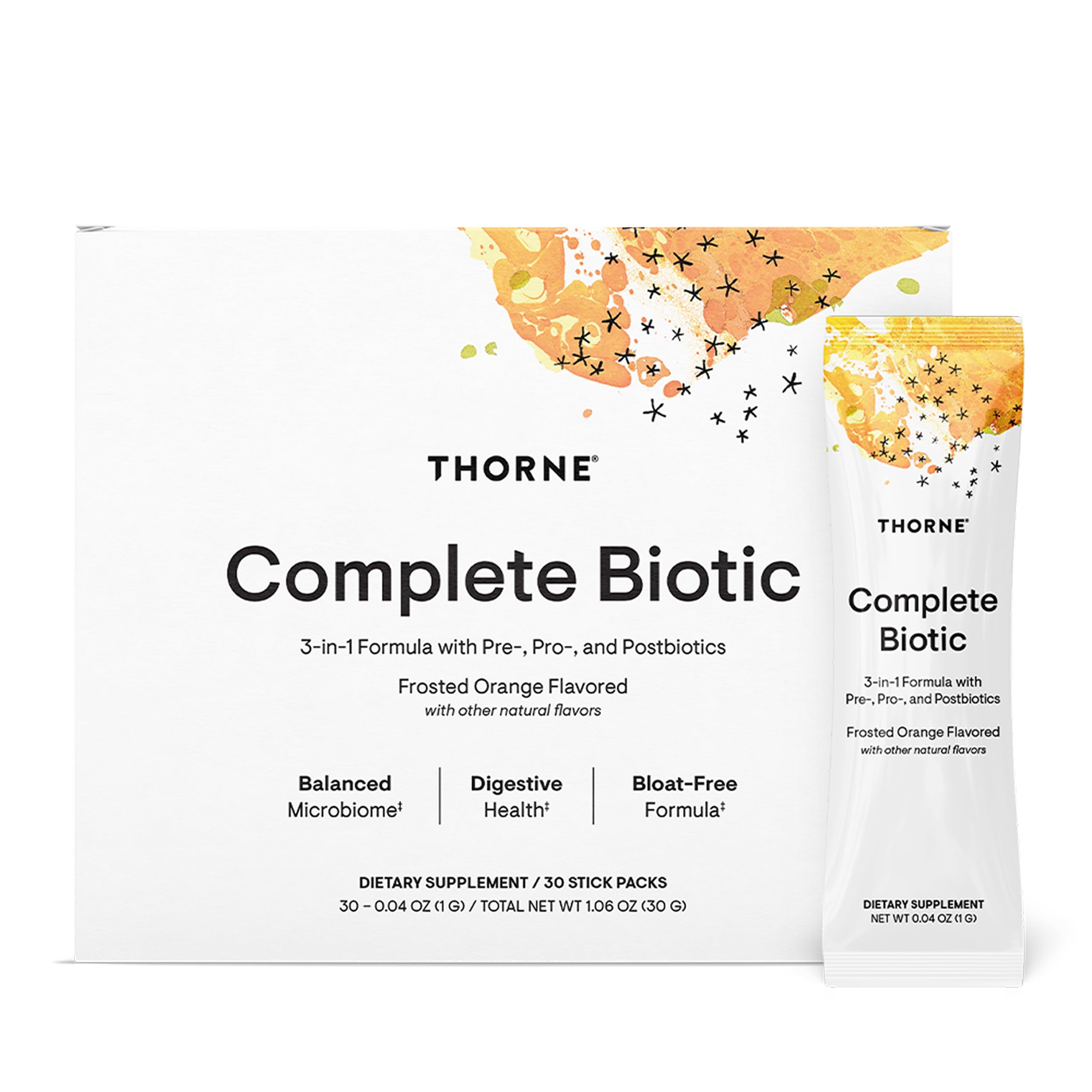
THORNE takes a different route with a frosted orange-flavored powder that dissolves directly in the mouth before swallowing, which is particularly useful for people who hate swallowing capsules or have young children over age 4 who need digestive support. The 3-in-1 formula combines a prebiotic, a live probiotic (Bacillus subtilis), and a postbiotic to support microbiome health, intestinal comfort, and bowel regularity without requiring a glass of water.
As the number-one recommended clinical brand by healthcare practitioners, THORNE brings credibility that few competitors match. The individual stick packs make it easy to travel with or keep in a desk drawer without worrying about moisture degrading the bacteria. Users report noticeable reductions in bloating and improved bowel consistency after several months of daily use, and parents appreciate the great taste for getting children to take it consistently.
The main downside is the CFU content—by design, this powder delivers a lower bacterial load than high-potency capsules, which may not be sufficient for severe constipation or post-antibiotic recovery. The Bacillus subtilis strain is excellent for fermentation support but lacks the Bifidobacterium dominance that directly speeds colonic transit. For mild bloating and general digestive balance, it’s a top-tier option, but for stubborn constipation, a higher-CFU capsule may serve better.
Why it’s great
- Powder format dissolves on the tongue—ideal for children and those who hate capsules.
- THORNE is the most recommended clinical brand by health practitioners.
- Convenient single-serving stick packs for portability and freshness.
Good to know
- Lower CFU count than capsule competitors—less suitable for severe constipation.
- Premium price per serving compared to high-CFU capsule alternatives.
7. Holistic Health Labs Gut Alive

Gut Alive is not a high-CFU probiotic in the traditional sense—it’s a gut-healing formulation built around patented zinc carnosine to protect and repair the stomach and intestinal lining. This makes it a complementary option for those whose bloating and constipation stem from leaky gut, acid reflux, or heartburn rather than an imbalanced microbiome. The formula also boosts bile production for efficient fat digestion, which can reduce the upper-GI bloating that often accompanies constipation.
Users with chronic heartburn and esophageal burning reported an 80% reduction in symptoms, and some noticed fewer sweet cravings after a few weeks. The ginger content can be a problem for those who need to mix the capsule contents into applesauce—the taste becomes overwhelmingly strong. It’s also not designed for people who simply want more regularity without addressing gut lining permeability first.
The second major limitation is inconsistent results for constipation alone. About a third of reviewers saw minimal improvement in bowel frequency after a month, suggesting this is better paired with a standard probiotic rather than used as a standalone solution for gas bloating and constipation. It occupies a specific niche for those with reflux-dominant digestive complaints who also experience irregularity.
Why it’s great
- Patented zinc carnosine targets gut lining repair—unique in this category.
- Helps with bile production for fat digestion and upper-GI bloating.
- Visible results for heartburn and acid reflux within weeks.
Good to know
- Not a standalone solution for chronic constipation; works best with other probiotics.
- Ginger content makes it unpleasant to mix into soft foods like applesauce.
FAQ
How long does a probiotic take to work for gas and bloating?
Should I take my probiotic on an empty stomach or with food?
What does 60 billion CFU mean for constipation relief?
Final Thoughts: The Verdict
For most users, the probiotic for gas bloating and constipation winner is the Physician’s CHOICE 60 Billion CFU because it balances high potency with 10 targeted strains, organic prebiotics, and a proven acid-resistant capsule at a reasonable monthly cost. If you want clinical validation and a premium capsule-in-capsule delivery system, grab the Seed DS-01 Daily Synbiotic. And for intense colon-targeted support with 66 strains and postbiotics, nothing beats the Vital Planet Intense Care Colon & Constipation.