Navigating the supplement aisle while breastfeeding can feel overwhelming—especially when every bottle claims to support both your recovery and your baby’s development through your milk. The key isn’t just any vitamin D; it’s the right form, correct dosage, and clean formulation that aligns with lactation safety standards.
I’m Mohammad Maruf — the founder and writer behind AirfryerBite. I’ve spent years analyzing supplement formulations, focusing on how carrier oils, bioavailability enhancers, and third-party testing affect real-world absorption for nursing mothers.
After cross-referencing dosage forms, ingredient purity, and customer feedback on ease of use during demanding newborn schedules, this guide isolates the very best options for you. Your search for the optimal vitamin d for breastfeeding mom ends here with science-backed recommendations you can trust.
How To Choose The Best Vitamin D For Breastfeeding Mom
Selecting a vitamin D supplement while nursing goes beyond grabbing the cheapest bottle off the shelf. Your body’s demand for calcium and phosphorus increases during lactation, and your vitamin D levels directly influence your baby’s stores through breast milk. Focus on these four pillars before you hit “Add to Cart.”
Form Matters: Softgels vs. Liquid Drops
Softgels offer convenience and pre-measured dosing—ideal for sleep-deprived nights when you need one quick swallow. However, liquid drops provide adjustable dosing and faster absorption since the vitamin enters your system sublingually or through food. If your infant needs supplementation as well, liquid drops allow you to administer directly to their mouth under pediatric guidance. The trade-off is that liquid bottles are smaller and require careful drop counting.
Potency and IU Count for Lactation
The standard recommendation for breastfeeding mothers is between 4,000 and 6,000 IU daily to maintain sufficient levels in breast milk. Lower potencies like 2,000 IU may only maintain your own stores without adequately boosting your milk’s content. Higher potencies reduce the number of softgels you take per day but may cause stomach sensitivity in some women. Always check your own blood levels before selecting a dose—your healthcare provider can guide you on whether 2,000, 4,000, or 5,000 IU suits your needs.
Carrier Oil for Absorption
Vitamin D is fat-soluble, meaning it requires dietary fat for proper absorption. Quality supplements suspend D3 in a carrier oil such as organic extra virgin olive oil or coconut-derived MCT oil. Olive oil-based softgels tend to be gentler on digestion, while MCT oil delivers a more rapid uptake. Avoid softgels using soybean or palm oil as carriers unless you specifically tolerate them well—these can introduce unwanted fillers.
Third-Party Testing and Certifications
During lactation, every ingredient passes through to your baby. Prioritize supplements with NSF Contents Certification, IGEN Non-GMO verification, or third-party lab testing for purity. These certifications confirm the labeled IU count matches what’s inside the bottle and that heavy metals, microbial contaminants, and undeclared allergens are absent. Skip any brand that does not transparently disclose its testing protocol.
Quick Comparison
On smaller screens, swipe sideways to see the full table.
| Model | Category | Best For | Key Spec | Amazon |
|---|---|---|---|---|
| Pink Stork Magnesium Glycinate + D3 | Capsule Combo | Sleep & mood support | 60 capsules, 1-month supply | Amazon |
| Carlson Super Daily D3 Drops | Liquid Drop | Adjustable high-dose | 4,000 IU per drop, 365 drops | Amazon |
| Sports Research D3 4000 IU | MCT Softgel | Peak absorption efficiency | Coconut MCT oil carrier | Amazon |
| NatureWise D3 5000 IU | High-Potency Softgel | Full daily dose in one capsule | 5,000 IU in organic olive oil | Amazon |
| NatureWise D3 2000 IU | Starter Softgel | Gentle maintenance dose | 2,000 IU, 360-count softgels | Amazon |
In‑Depth Reviews
1. Pink Stork Magnesium Glycinate with Vitamin D
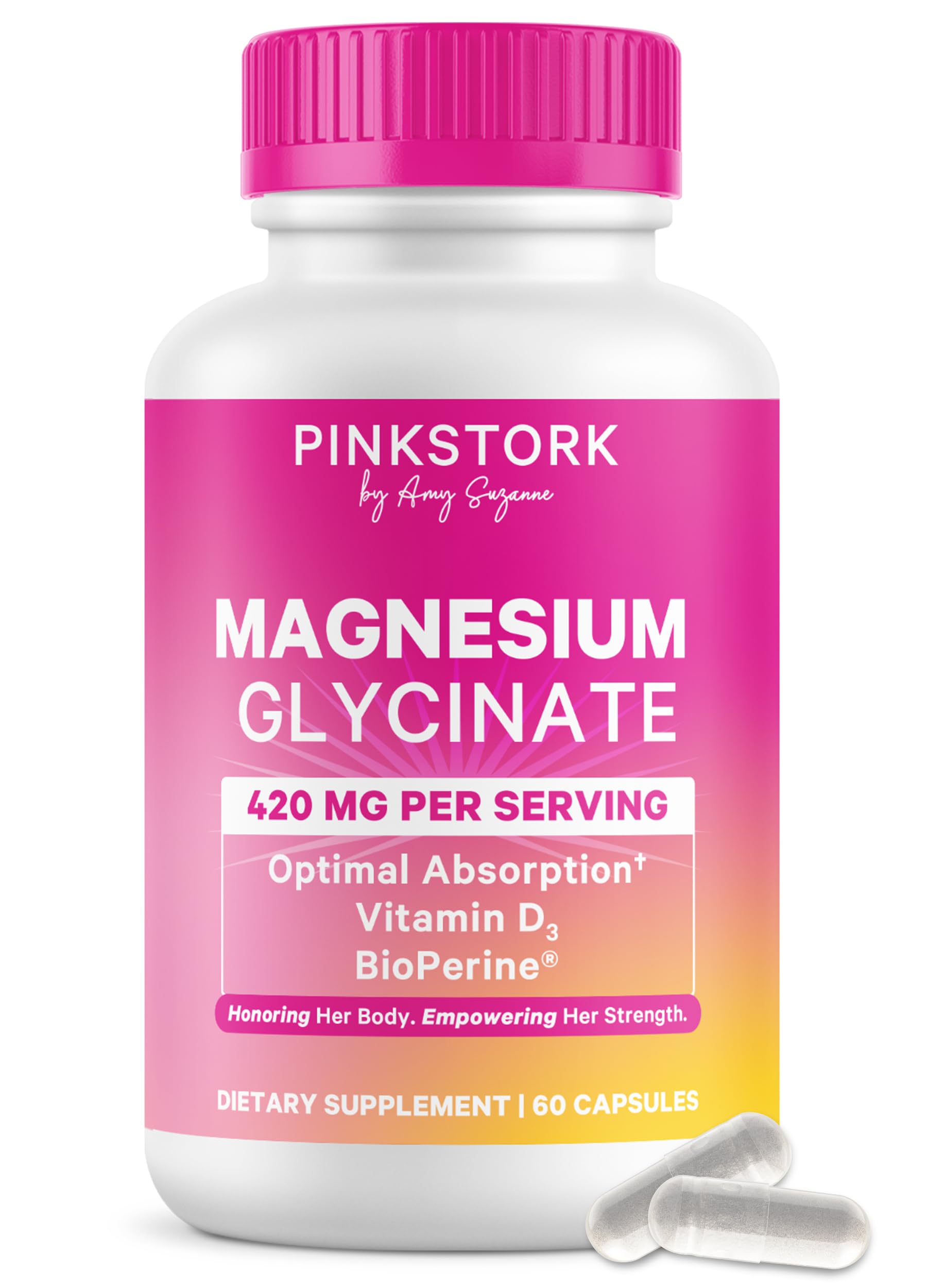
This combo supplement pairs 100% Daily Value of highly absorbable magnesium glycinate with vitamin D3, directly addressing two nutrient gaps common in postpartum and breastfeeding mothers. The glycinate form eliminates the laxative effect typical of magnesium citrate or oxide, making it stomach-friendly for daily use. Many users report noticeable improvements in sleep quality and reduced anxiety—both critical during the relentless newborn phase.
Each serving (2 capsules) delivers a gentle magnesium dose alongside D3, but the total IU of vitamin D is not clearly stated in the simplified product highlights—you should check the label against your target daily intake. The capsule format allows you to open them and mix into smoothies or yogurt if swallowing pills is difficult, giving you flexibility during nausea-prone mornings. Women-owned and formulated by a female team, this brand specifically designs for pregnancy and postpartum body chemistry.
Customer reviews consistently note reduced restless legs and easier sleep onset within the first week. Several mothers mention using this throughout their third trimester and continuing postpartum. The one-month supply format means you’ll reorder frequently, but the dual-nutrient value makes it a streamlined addition to a daily wellness routine.
Why it’s great
- Combines two key lactation nutrients in one dose
- Gentle on digestion with no laxative effect
- Woman-owned brand with clean, third-party tested ingredients
Good to know
- One-month supply requires monthly reordering
- Exact vitamin D IU count not emphasized in product highlights
2. Carlson Super Daily D3 4,000 IU Drops

Carlson’s liquid drop format delivers 4,000 IU of vitamin D3 per single drop—the highest concentration per volume in this lineup. This is especially useful for breastfeeding mothers who need to adjust their dose upward based on blood work without swallowing multiple softgels. One bottle provides a full year’s supply at 365 drops, making it one of the most concentrated and economical options per IU.
The unflavored formula mixes invisibly into water, juice, or directly onto your baby’s pacifier if your pediatrician recommends supplementation for the infant as well. Users consistently report rapid improvements in blood serum levels; multiple reviews mention seeing their D3 levels jump above 60 ng/mL within weeks. The lack of additives, preservatives, or artificial flavors makes it a clean choice for nursing mothers concerned about unnecessary excipients.
The main consideration is manual drop counting—missing a drop means inconsistent dosing. Some users find the small 10.3 mL bottle easy to misplace among larger kitchen items. But for those who value precise, adjustable dosing and fast absorption, this liquid format outperforms any softgel in this category.
Why it’s great
- Single drop delivers full 4,000 IU dose
- 365-drop bottle lasts one full year
- Unflavored and mixes cleanly into any drink
Good to know
- Requires careful drop counting for consistency
- Small bottle size can be easy to lose track of
3. Sports Research Vitamin D3 4000 IU with Coconut MCT Oil

Sports Research takes a science-first approach by suspending its D3 in coconut-derived MCT oil rather than the more common olive oil base. MCTs are shorter-chain fatty acids that bypass normal fat digestion and go directly to the liver for rapid energy conversion, potentially enhancing D3 absorption speed. This makes it a strong pick for breastfeeding mothers whose digestive systems are still recalibrating postpartum.
The softgels are notably small and easy to swallow—a major plus when you’re already taking prenatal or postnatal supplements. Each serving delivers 4,000 IU in a single daily softgel, putting you right in the lactation sweet spot without needing multiple pills. IGEN Non-GMO verification and third-party batch testing confirm the absence of seed oils like soybean or safflower, which are common filler carriers in lower-tier supplements.
Some reviews note that the softgels can stick together in warm conditions, but a quick shake of the bottle resolves this. The 360-count bottle provides a full year of once-daily dosing. If your priority is maximizing absorption through an optimized fat carrier, this softgel is the technical standout.
Why it’s great
- MCT oil carrier for rapid absorption
- Small, easy-to-swallow softgel
- Free from seed oils, gluten, and soy fillers
Good to know
- Softgels may stick together in warm weather
- Lower IU per softgel than some standalone liquid drops
4. NatureWise Vitamin D3 5000 IU (125 mcg) 360 Count

If your blood work indicates significant deficiency or your healthcare provider recommends a higher daily intake, NatureWise’s 5,000 IU softgel delivers the strongest single-capsule dose in this comparison. Each softgel packs 125 mcg of cholecalciferol suspended in organic cold-pressed extra virgin olive oil, a carrier known for gentle digestion and reliable absorption. The 360-count bottle covers a full year at one softgel per day.
NatureWise holds NSF Contents Certification, which means an independent lab verified the exact IU count and ingredient purity listed on the label—a rare transparency that matters deeply during lactation. The softgels are mini-sized despite the potency, making them surprisingly easy to swallow. Customer feedback consistently notes the absence of aftertaste and no stomach discomfort, even for sensitive digestive systems.
The main trade-off is potency—5,000 IU is above the general lactation recommendation and should be used only after confirming your deficiency level with a blood test and a healthcare provider’s approval. Not all breastfeeding mothers need this strength, but for those who do, it eliminates the hassle of taking multiple lower-dose capsules.
Why it’s great
- Highest single-capsule IU count in the lineup
- NSF Contents Certified for purity and accuracy
- Mini softgels are easy to swallow despite high potency
Good to know
- Requires blood test confirmation before use
- Overkill for maintenance-level needs
5. NatureWise Vitamin D3 2000 IU (50 mcg) 360 Count

NatureWise’s 2,000 IU softgel serves as an excellent maintenance dose for breastfeeding mothers who already have adequate vitamin D levels or are stacking D3 from a prenatal multivitamin. One bottle provides a full year’s supply at 360 softgels, suspended in organic cold-pressed extra virgin olive oil for gentle absorption. The mini softgels are notably easy to swallow and leave no aftertaste.
This supplement carries the same NSF Contents Certification as its 5,000 IU sibling, giving you the same ingredient transparency at a lower potency. Customer reviews highlight the absence of stomach irritation and the practical once-daily routine. Many users pair this with a separate magnesium supplement for a complete postpartum protocol without overdosing on D3.
The catch is that 2,000 IU may not be sufficient to elevate your breast milk D3 content to the optimal level for your baby. If you are exclusively breastfeeding and your infant does not receive separate D3 drops, this dose might only maintain your own stores rather than enrich your milk enough for the baby’s needs. Confirm your specific requirement with your pediatrician or lactation consultant.
Why it’s great
- Gentle, low-dose maintenance for established levels
- NSF Certified and made with organic olive oil
- Year-long supply from a single bottle
Good to know
- May not adequately boost breast milk D3 content
- Softgels can clump in warm conditions
FAQ
What is the ideal daily IU of vitamin D for a breastfeeding mother?
Should I take a liquid drop or a softgel while nursing?
Can I take vitamin D with other postpartum supplements like iron or prenatal vitamins?
Final Thoughts: The Verdict
For most users, the vitamin d for breastfeeding mom winner is the Sports Research D3 4000 IU with MCT Oil because the coconut MCT carrier maximizes absorption efficiency while the one-daily softgel format fits perfectly into a newborn’s unpredictable schedule. If you want precise adjustable dosing for yourself or your baby, grab the Carlson Super Daily D3 Drops. And for addressing mood and sleep alongside vitamin D, nothing beats the Pink Stork Magnesium Glycinate with D3.