Dragging through the afternoon slump or staring down a post-workout recovery window, the last thing you want is a chalky shake or a sugary energy drink that leaves you crashing. The market has split protein and caffeine into two separate chores for too long, forcing you to choose between muscle repair and mental focus. A new wave of ready-to-drink options has finally merged these demands into a single, portable sip that delivers both macronutrients and stimulants without the milkshake weight.
I’m Mohammad Maruf — the founder and writer behind AirfryerBite. I have spent over a decade dissecting the nutritional hardware of the beverage aisle, analyzing protein source quality, caffeine dosing precision, sugar content ceilings, and the ingredient transparency claims that separate genuine functional nutrition from clever marketing.
This guide breaks down the five ready-to-drink formulas that actually deliver measurable protein alongside real, sustained energy. My research points to the best protein energy drink options for muscle support, clean focus, and on-the-go convenience without the artificial aftertaste or hidden sugar loads.
How To Choose The Best Protein Energy Drink
Not every bottle labeled “protein” and “energy” delivers the functional balance you need. The category splits between meal-adjacent shakes with high protein counts and caffeinated waters designed for hydration. Understanding the protein source, caffeine dosage, sugar ceiling, and amino acid profile will prevent you from spending money on a drink that fails either your muscle or your focus needs.
Protein Source and Completeness
Whey isolate absorbs rapidly for post-workout recovery, while ultra-filtered milk protein retains casein for a slower release. Check the label for “complete protein” status — a complete profile contains all nine essential amino acids, including leucine, which directly triggers muscle protein synthesis. Drinks using whey isolate are generally lactose-free and lighter on the stomach compared to milk protein concentrate blends.
Caffeine Dosage and Energy Curve
Look for a specific milligram count rather than vague “energy blend” language. A range of 120 to 200 milligrams of natural caffeine from coffee beans or green tea provides a measurable lift without the jitters or crash associated with synthetic caffeine. If your tolerance is low, drinks with 100 to 150 milligrams paired with L-theanine offer smoother focus without overstimulation.
Sugar Content and Sweetener Profile
The best options hover at or below one gram of sugar per serving, relying on stevia, monk fruit, or sucralose to deliver sweetness. Drinks with added sugar above five grams undercut the metabolic benefit of the protein and create energy spikes followed by crashes. If you are sensitive to artificial sweeteners, prioritize stevia or monk fruit blends and check for “no sugar added” seals.
Quick Comparison
On smaller screens, swipe sideways to see the full table.
| Model | Category | Best For | Key Spec | Amazon |
|---|---|---|---|---|
| Slate Milk Mocha Latte | Premium | Highest caffeine-to-protein ratio | 175mg caffeine, 20g protein | Amazon |
| Ensure Max Protein Shake | Mid-Range | Highest protein per serving | 30g protein, 1g sugar | Amazon |
| Starbucks Coffee & Protein | Mid-Range | Familiar coffee flavor + 5g prebiotic fiber | 22g protein, 2g sugar | Amazon |
| Protein2o Hydration Drink | Mid-Range | Light, non-milky hydration + energy | 15g whey isolate, 125mg caffeine | Amazon |
| GHOST Energy Drink | Value | High-stim nootropic focus drink | 200mg natural caffeine | Amazon |
In‑Depth Reviews
1. Slate Milk – High Protein Iced Coffee – Mocha Latte
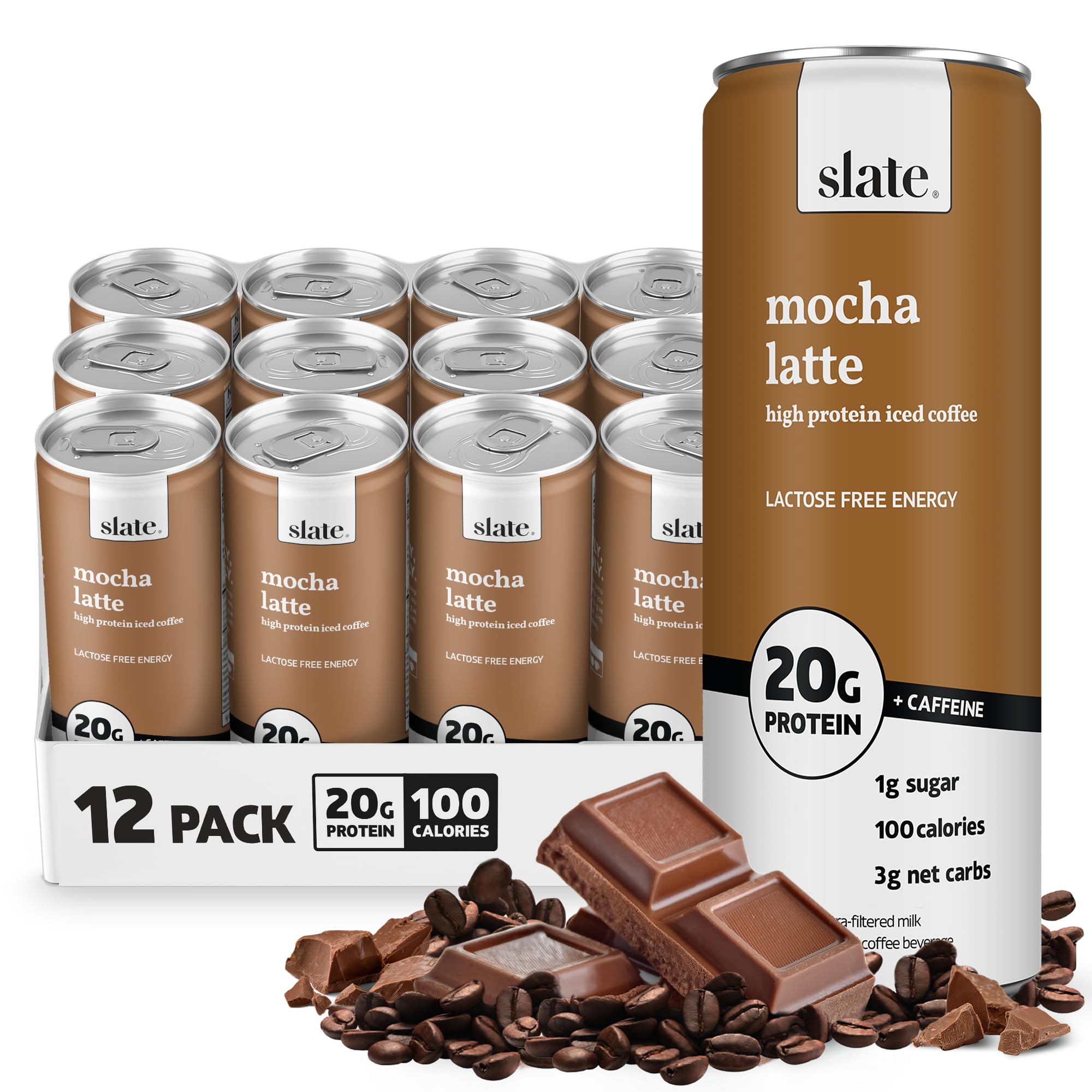
Slate’s Mocha Latte achieves the rare balance of a legitimate caffeine dose — 175 milligrams — alongside 20 grams of complete protein from ultra-filtered milk, all packed into a shelf-stable 11-ounce can. The ultrafiltration process strips out lactose sugars while concentrating the milk proteins, resulting in a creamy texture without the milky heaviness or the stomach irritation that plagues lactose-sensitive drinkers. At 100 calories and just one gram of sugar, this drink fits neatly into a keto or low-carb macro target without sacrificing flavor depth.
The mocha profile leans chocolate-forward with a subtle coffee backbone, and the sweetness comes from a monk fruit and stevia blend that avoids the cloying artificial aftertaste found in many zero-sugar competitors. Unlike many protein coffees that deliver only a token caffeine bump, Slate’s 175 milligrams provides a genuine functional lift comparable to two standard espresso shots, making it equally viable as a morning catalyst or a mid-afternoon recovery aid. No refrigeration is needed, which simplifies gym bag or desk drawer storage.
Customer reports consistently note the absence of chalkiness and the smooth mouthfeel, with several users relying on it as a daily staple mixed into larger iced coffee volumes. The can format also keeps the drink cold longer than plastic bottles, a small but appreciated detail during commutes. For anyone seeking a single beverage that bridges the gap between a protein shake and a cold brew, this is the clear category leader.
Why it’s great
- Ultra-filtered milk provides complete protein without lactose
- 175mg natural caffeine delivers genuine functional energy
- Shelf-stable with no refrigeration required
Good to know
- Mocha flavor has a mild stevia aftertaste
- Only 20g protein compared to 30g options
2. Ensure Max Protein Shake – French Vanilla

Ensure Max Protein delivers a commanding 30 grams of protein from milk protein concentrate with only one gram of sugar and four grams of prebiotic fiber in each 11-ounce bottle, making it the highest protein count in this lineup. The French Vanilla flavor is smooth and creamy with a thinner viscosity than traditional weight-gain shakes, which drinkers describe as refreshing rather than heavy over ice. The inclusion of 25 vitamins and minerals, including zinc, vitamins A and D, and selenium, positions this as a comprehensive nutritional supplement that supports immune and bone health alongside muscle recovery.
The protein-to-sugar ratio here is exceptional for a ready-to-drink product — 30 grams of protein against a single gram of sugar means the metabolic impact is clean, with no insulin spike that could undermine the muscle-supporting benefits. The four grams of prebiotic fiber also aids digestive regularity, a feature rarely found in protein shakes. Ensure’s doctor-recommended status adds a layer of trust for users who want a clinically backed option rather than a fitness-branded fad.
Real-world feedback highlights the value proposition relative to premium competitors like Fairlife, with multiple verified purchasers noting the same protein content at a significantly lower per-bottle cost. The French Vanilla flavor integrates well into coffee or can stand alone, though the texture is noticeably thinner than thick milkshake-style proteins. If your primary goal is maximizing protein intake per ounce while keeping sugar near zero, this is the most efficient choice in the set.
Why it’s great
- 30g protein with only 1g sugar — industry-leading ratio
- Prebiotic fiber supports digestive health
- Doctor-recommended brand with broad nutritional coverage
Good to know
- Thinner texture may not satisfy thick-shake fans
- Contains milk allergens
3. Starbucks Coffee & Protein – Caffe Mocha
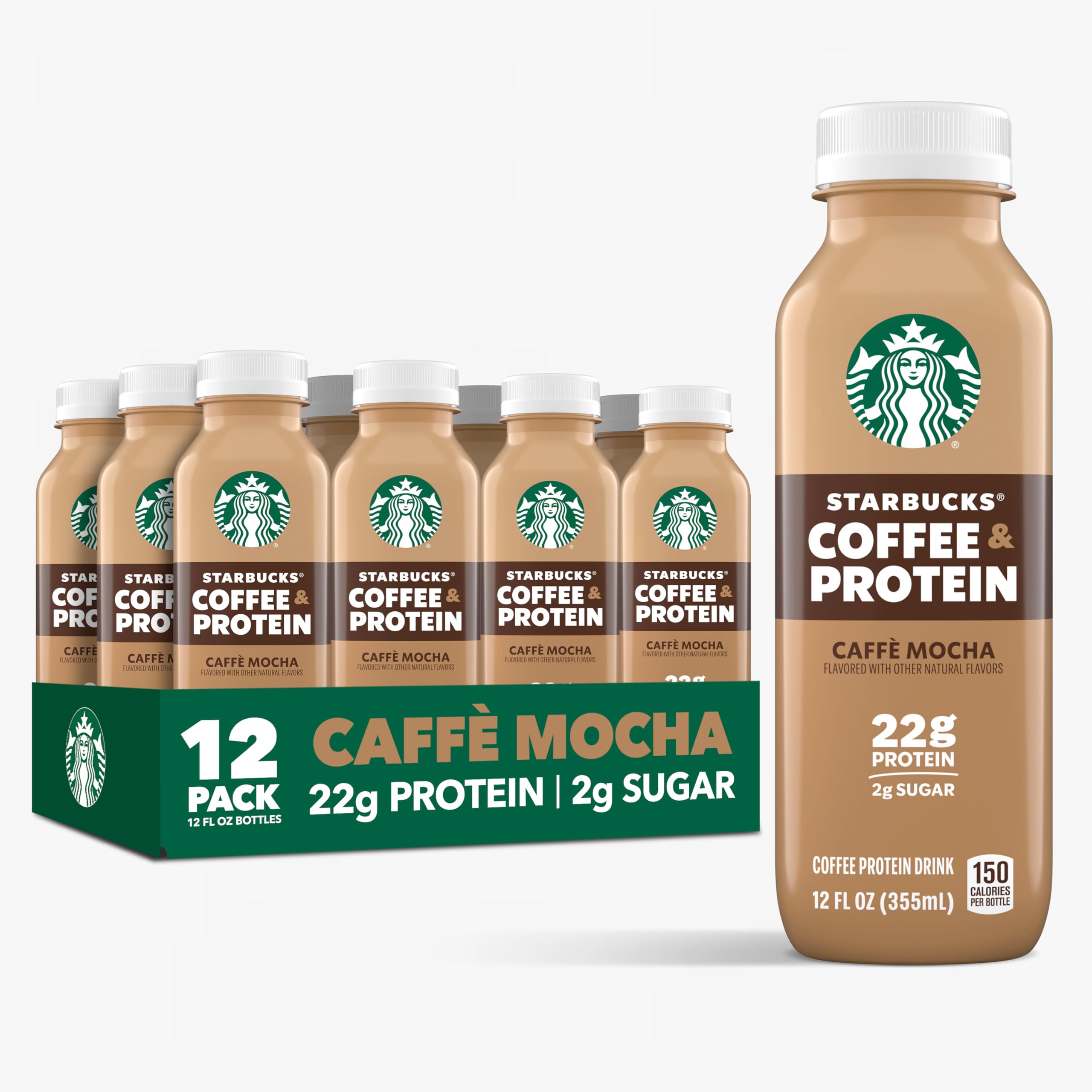
Starbucks enters the protein energy category with a ready-to-drink Caffe Mocha that layers 22 grams of complete protein and five grams of prebiotic fiber over a familiar coffee base. The protein comes from milk and milk protein concentrate, giving the drink a creamy, indulgent mouthfeel that closely resembles a café mocha — albeit with only two grams of sugar and no added sugar. The caffeine content is not explicitly declared in milligrams on the primary label, but the blend of Starbucks coffee delivers a noticeable lift comparable to a standard bottled Frappuccino.
What sets this apart from the competition is the prebiotic fiber content — five grams per bottle supports gut health in a way that straight protein shakes or energy drinks do not address. The flavor profile is sweet but not syrupy, with some drinkers noting the mocha is rich enough to stand as a treat rather than a compromise. The brand recognition and taste familiarity reduce the barrier for existing Starbucks consumers looking to switch from sugary coffee drinks to something more functional.
The primary limitation is the opaque caffeine dosage — athletes tracking stimulant intake precisely may be frustrated by the lack of a specific milligram number. However, verified reviews praise the drink as a diabetic-friendly option, a convenient refrigerator staple for the afternoon lull, and a genuinely tasty alternative to chalky protein shakes. If you prioritize brand trust and digestive fiber over maximum protein or caffeine transparency, this bottle delivers a satisfying middle path.
Why it’s great
- Recognizable Starbucks coffee flavor with low sugar
- Prebiotic fiber adds digestive health benefit
- Creamy texture closer to real coffee than most blends
Good to know
- Caffeine milligram count is not listed
- Slightly sweet for those who prefer black coffee
4. Protein2o 15g Whey Protein Isolate Hydration Drink Plus Energy
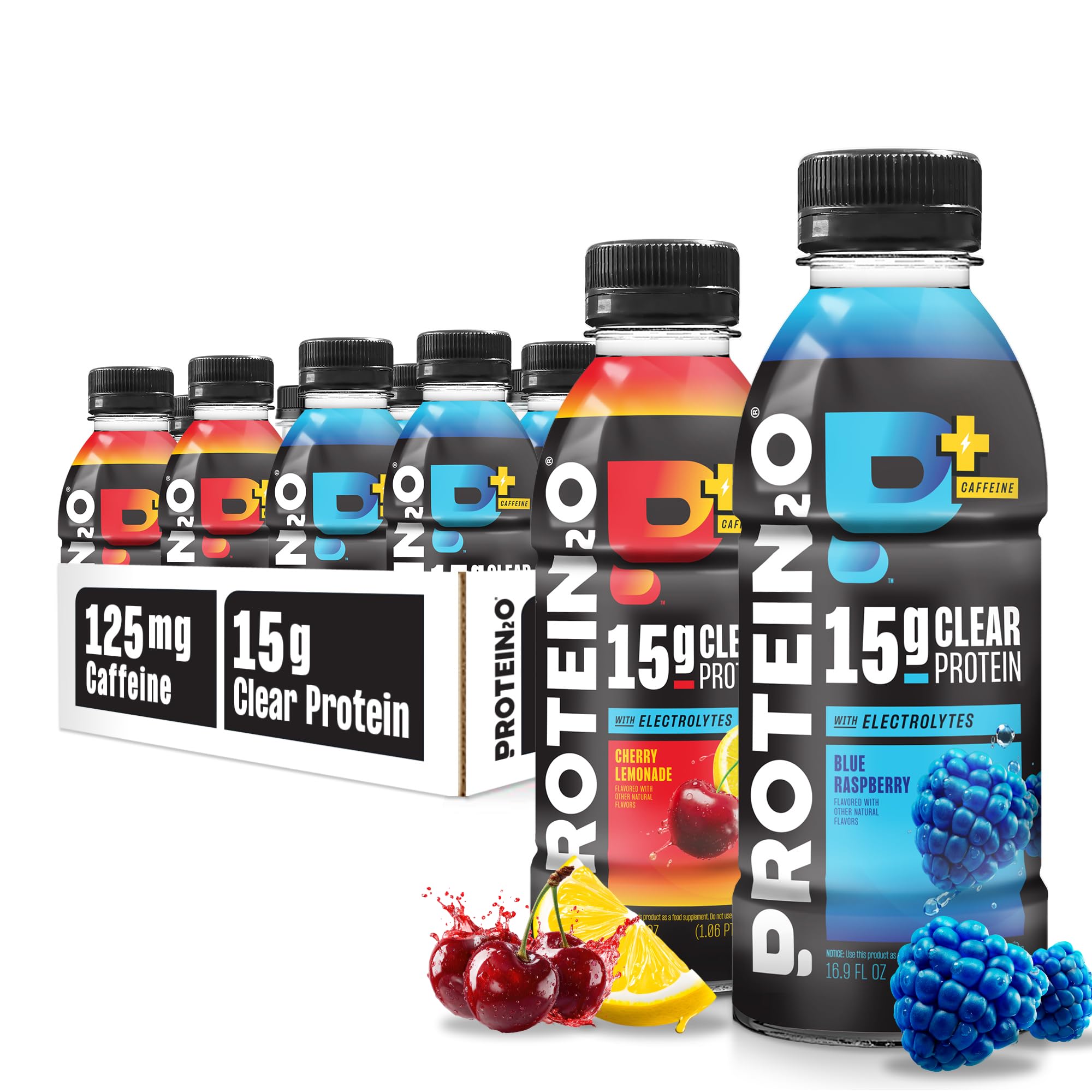
Protein2o breaks the milky-shake mold by delivering 15 grams of whey protein isolate in a clear, fruit-flavored hydration base that tastes like flavored water rather than a dairy beverage. The Blue Raspberry and Cherry Lemonade variety pack includes 125 milligrams of caffeine and 250 milligrams of L-theanine, a nootropic compound that smooths out the caffeine curve and reduces jitteriness. With zero sugar and only 70 calories, this drink is ideal for those who cannot stomach thick shakes but still want a fast-absorbing protein source for post-workout recovery.
Whey isolate is the fastest-digesting protein form, making this a smart choice immediately after training when the body is primed for amino acid uptake. The addition of 350 milligrams of electrolytes supports hydration balance, which is especially valuable during hot weather or high-sweat sessions. The caffeine and L-theanine pairing delivers a focused, calm alertness rather than the aggressive spike of traditional energy drinks, and the fruit flavors are crisp without being syrupy.
Customer feedback highlights the clean ingredient profile — no artificial colors, no gluten, and a lactose-friendly whey isolate that bariatric and autoimmune patients have used for years. The only consistent criticism is a faint chalky aftertaste that appears after the initial sip, though most reviewers consider it minor relative to the overall value. For anyone seeking a non-dairy, non-milky vehicle for protein and energy, Protein2o is the lightest option in the category.
Why it’s great
- Clear, non-milky texture for shake-averse users
- L-theanine paired with caffeine reduces jittery side effects
- Electrolytes support hydration during workouts
Good to know
- Mild chalky aftertaste reported on some flavors
- Only 15g protein, lower than shake-style options
5. GHOST Energy Drink – Strawbango
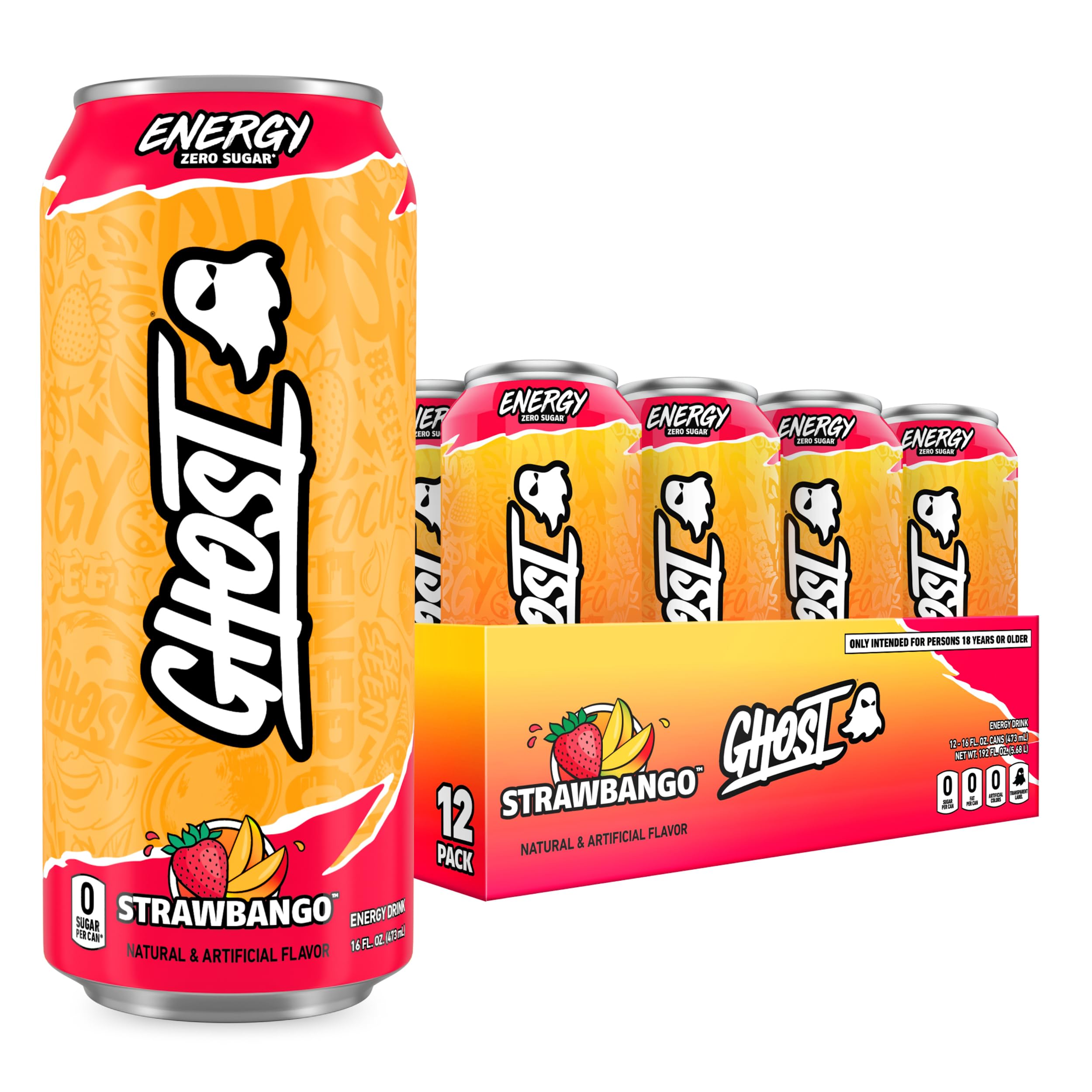
GHOST Energy is not a protein drink — it is a fully transparent, no-BS energy drink with zero sugars and 200 milligrams of natural caffeine from coffee beans, supported by a nootropic stack of L-Carnitine, Alpha-GPC, NeuroFactor, and AstraGin. The Strawbango flavor delivers a sweet, strawberry-mango punch with a clean finish, and the 16-ounce can format provides more volume than standard 12-ounce competitors. The brand’s full-disclosure label lists exact milligram doses of every active ingredient, a rarity in the energy drink aisle where proprietary blends are the norm.
The caffeine source is natural and paired with theanine-like nootropics, which reviewers consistently describe as producing a smooth, crash-free alertness without the body tingling associated with synthetic stimulants. At zero sugar and 20 calories per two-can serving, this fits into low-carb and sugar-free dietary frameworks. The mental focus boost from Alpha-GPC and NeuroFactor is distinct — users report better concentration during nursing shifts, heavy labor, and extended computer work, not just a physical energy spike.
The trade-off is the absence of protein; this is strictly a caffeine-and-nootropic delivery system, not a muscle-support beverage. Customers who wanted protein were not disappointed because the drink delivers exactly what it promises: maximum stimulant transparency and clean energy. If your primary need is sustained caffeine focus with no sugar or protein, GHOST offers premium ingredient labeling at a competitive per-can cost when purchased in the 12-pack.
Why it’s great
- Full-disclosure label with exact ingredient dosages
- Natural caffeine with nootropic stack for focused energy
- Zero sugar and low calorie
Good to know
- Contains no protein — not a muscle recovery drink
- Not suitable for individuals under 18
FAQ
Can I use a protein energy drink as a meal replacement?
Does the protein source affect the caffeine absorption rate?
What does “complete protein” mean on a label?
Final Thoughts: The Verdict
For most users, the best protein energy drink winner is the Slate Milk Mocha Latte because it delivers the highest usable caffeine dose alongside genuine complete protein from ultra-filtered milk, all within a shelf-stable, keto-friendly, 100-calorie format. If you want maximum protein per serving, grab the Ensure Max Protein Shake for its 30-gram count and digestive fiber. And for a light, non-milky alternative during exercise, nothing beats the Protein2o Hydration Drink for combining whey isolate, caffeine, and electrolytes in a clear, refreshing base.