The search for a soda that doesn’t cause a blood sugar spike or leave a syrupy film on your teeth often ends in disappointment with watery, chemically alternatives. The best tasting prebiotic cola drinks solve this by delivering the crisp, nostalgic cola flavor you crave while actively supporting your digestive health with prebiotic fiber and botanicals, making the sacrifice of artificial ingredients feel like no sacrifice at all.
I’m Mohammad Maruf — the founder and writer behind AirfryerBite. My deep-dive research into functional beverages has focused on analyzing the flavor profiles, sweetener systems, and fiber compositions that separate a genuinely delicious gut-health soda from a medicinal-tasting compromise.
After evaluating dozens of cans based on real consumer feedback and ingredient transparency, these are the options that deliver on taste without betraying your wellness goals. This is the definitive guide to the best tasting prebiotic cola drinks you can buy right now.
How To Choose The Best Tasting Prebiotic Cola Drinks
Choosing a prebiotic cola isn’t just about picking a familiar label. The gap between a satisfying, crave-worthy experience and a flat, overly sweet disappointment comes down to three specific decisions: the sweetener blend, the fiber source, and the flavor profile’s authenticity.
Sweetener Strategy: Stevia vs. Monk Fruit vs. Erythritol
The biggest complaint in this category is a lingering artificial aftertaste. Most prebiotic colas use stevia as a base sweetener. The best ones blend it with monk fruit or erythritol to mask stevia’s signature bitterness. A pure stevia extract often leaves a licorice-like finish that clashes with cola’s caramel and vanilla notes. Erythritol, on the other hand, adds a clean sweetness but can cause a cooling sensation on the tongue. Look for a blend that balances these — it’s the difference between a “health drink” and a genuinely good soda.
Fiber Content and Digestive Response
Prebiotic fiber is the functional core of these drinks, but not all fiber is equal for taste. Chicory root fiber (inulin) is common and adds a subtle creaminess that can mimic mouthfeel, but it’s prone to causing gas in sensitive individuals. Cassava root fiber and agave inulin are milder and less likely to bloat. If you’re new to prebiotic sodas, start with one can a day to gauge your tolerance. The fiber count per can ranges from 2 to 9 grams — higher fiber cans provide more digestive support but can taste earthier.
Carbonation Level and Texture
Real cola drinkers expect a sharp, crisp bite from carbonation. Many prebiotic sodas dial back the fizz to avoid a harsh soda-pop feel, but this can make the drink taste flat or syrupy. The best-tasting colas maintain a high level of carbonation that cleanses the palate between sips. If a can tastes flat after the first sip, it’s a sign the carbonation was too low or the sweetener is coating the tongue. Chilling the cans to near-freezing and serving over ice can revive a less fizzy option.
Quick Comparison
On smaller screens, swipe sideways to see the full table.
| Model | Category | Best For | Key Spec | Amazon |
|---|---|---|---|---|
| OLIPOP Vintage Cola | Mid-Range | Classic cola transition | 2-5g sugar, stevia blend | Amazon |
| POPPI Classic Cola | Mid-Range | Vanilla-forward profile | 5g sugar, agave inulin | Amazon |
| Bloom Pop Variety | Mid-Range | Novelty fruit flavors | 3g sugar, stevia only | Amazon |
| Cove Frozen Favorites | Premium | Zero-sugar nostalgia | 0g sugar, stevia & erythritol | Amazon |
| OLIPOP Old School Classics | Premium | Variety with cola & root beer | 2-5g sugar, research-backed | Amazon |
In‑Depth Reviews
1. OLIPOP Vintage Cola
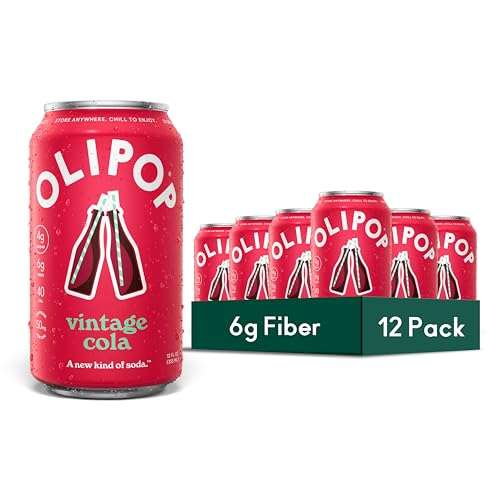
OLIPOP’s Vintage Cola captures the nostalgic taste of traditional cola by enhancing it with natural notes of vanilla, cinnamon, and caramel. The flavor profile is complex enough that after the first few sips, your palate adjusts to the point where it feels like a genuine replacement for classic Coke — without the sugar spike. Many reviewers report it reminds them of Mexican Coke mixed with a slight ginger ale sweetness, delivering a rounded mouthfeel that most competitors lack.
The digestive function comes from a research-backed blend of prebiotics, plant fiber, and botanicals designed to support the microbiome. Each can contains between 2 and 5 grams of sugar and is free from artificial colors, flavors, and preservatives. The carbonation is moderate but consistent, requiring you to chill the can thoroughly to get the best fizz experience. Some users note that a recipe change on newer packaging has made the carbonation sharper and the stevia aftertaste more noticeable.
Customer feedback is overwhelmingly positive, with many users saying it effectively helped them kick a Diet Coke or aspartame addiction. It is non-GMO, gluten-free, paleo, and keto-friendly, making it a flexible option for various dietary lifestyles. While the limited-edition packaging can vary, the core flavor remains a benchmark for the category.
Why it’s great
- Rich vanilla-cinnamon-caramel notes provide a deep cola flavor
- No teeth residue or bloating reported by most drinkers
- Research-backed formulation with real botanical ingredients
Good to know
- Recent recipe change may increase stevia aftertaste for some
- Carbonation is moderate, not aggressively fizzy
- Packaging design varies between production runs
2. POPPI Classic Cola
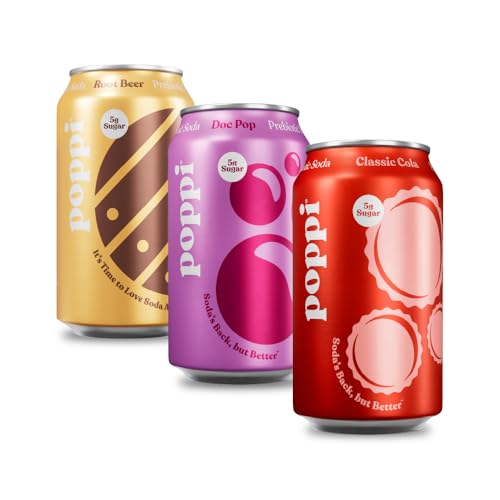
POPPI’s Classic Cola takes a distinctly different approach by using apple cider vinegar as a functional ingredient alongside prebiotics from agave inulin and cassava root fiber. The result is a tangier, less syrupy cola that many fans liken to a Vanilla Coke meets diet cola profile. It has a sharper carbonation bite than OLIPOP, which helps cut through the sweetness and leaves a cleaner finish on the palate.
Each can contains 5 grams of sugar and only 35 calories, making it a low-guilt option for daily consumption. The sweetness is derived from a mix that avoids artificial sweeteners, though some drinkers find the cola flavor less compelling than the brand’s fruit-forward options like Cherry Limeade or Watermelon. The classic cola is best served extremely cold over ice to mask any lingering tang from the apple cider vinegar base.
Real-world feedback from self-professed Coca-Cola addicts indicates POPPI works as a satisfying replacement without the blood sugar roller coaster. However, the brand’s Classics Variety Pack, which includes Doc Pop and Root Beer, receives mixed reviews — the cola is the standout. If you value a drink that feels more like a mixer than a straight soda, POPPI’s cola holds its own.
Why it’s great
- Tangy, less syrupy texture approximates a diet cola experience
- Apple cider vinegar adds a unique functional twist
- Very low calorie count at 35 per can
Good to know
- Cola is the best flavor in the variety pack; others are less successful
- Must be served extremely cold to taste its best
- Some drinkers detect an unpleasant aftertaste at room temperature
3. Bloom Pop Variety Pack
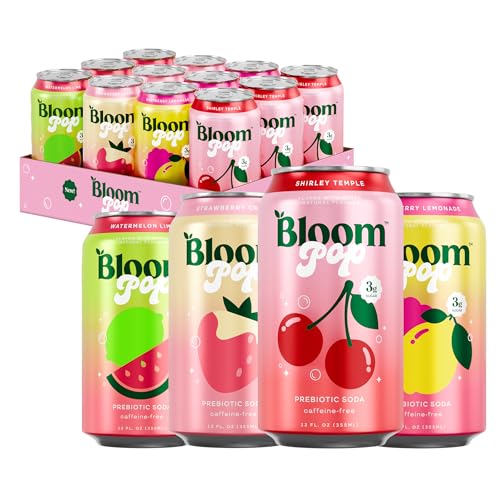
Bloom Pop enters the prebiotic cola space with a focus on fun, unconventional flavor profiles rather than a straight-up cola clone. The Variety Pack includes Watermelon Lime, Shirley Temple, and Strawberry Cream, offering a departure from the vanilla-caramel notes of traditional cola. These are light, not overly sweet, and rely on stevia as the sole sweetener to keep sugar at just 3 grams per can.
The formulation is caffeine-free and low-calorie, with only 20 calories per serving. The carbonation is present but not as aggressive as POPPI, landing somewhere between seltzer and traditional soda. Many users appreciate that the flavors are distinct enough to feel like a real treat rather than a compromise. The Shirley Temple flavor, in particular, receives strong praise for its balanced cherry-vanilla profile that mimics the classic cocktail without the alcohol or sugar load.
Customer satisfaction is high, but some note that the sweetness level can be too assertive on its own. The most common workaround is mixing a can with sparkling water to split into two servings, cutting the sweetness in half while retaining the flavor profile. The packaging is eye-catching and makes it suitable for social gatherings where you want a healthy option that doesn’t look medicinal.
Why it’s great
- Unique flavor lineup beats typical cola fatigue
- Very low sugar and calorie counts
- Caffeine-free and suitable for all ages
Good to know
- Sweetness can be too strong for some; best mixed with sparkling water
- Carbonation is less crisp than traditional sodas
- No classic cola flavor in the variety pack
4. Cove Prebiotic Soda Frozen Favorites
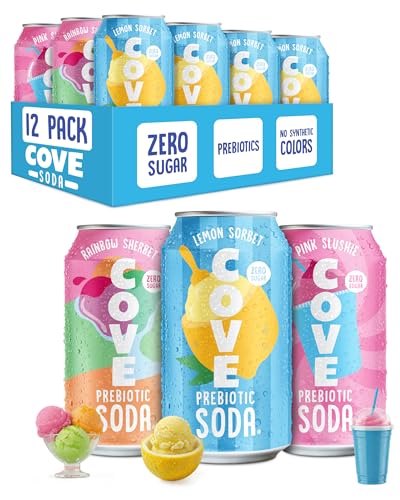
Cove Soda stands apart in this lineup by delivering a zero-sugar, prebiotic experience that prioritizes nostalgic dessert flavors over a straight cola profile. The Frozen Favorites Variety Pack includes Rainbow Sherbet, Lemon Sorbet, and Pink Slushie — each designed to taste like the classic freezer treats you grew up with. The sweetness comes from a carefully calibrated blend of stevia and erythritol that avoids the bitter aftertaste many users associate with stevia-only drinks.
Each can provides 4 grams of fiber and a full 80% of your daily vitamin C, making it one of the most functional options on this list. The carbonation is described as smooth and pleasant, with a mouthfeel that doesn’t feel flat or overly syrupy. Fans of the brand frequently compare it favorably to OLIPOP and POPPI, specifically citing its lack of artificial taste and genuinely satisfying flavor delivery.
Customer feedback is near-universally positive, with many calling it the best prebiotic soda they’ve ever tried. The Zero Sugar Root Beer flavor, though not in this pack, is often singled out as tasting exactly like the sugary classic without any compromise. The main drawbacks are its premium-tier cost and limited retail availability — it’s often sold out at Whole Foods and Sprouts, so Amazon is the most reliable source.
Why it’s great
- Zero sugar but delivers a genuinely sweet, nostalgic flavor
- High fiber content with added vitamin C
- No stevia aftertaste, a common complaint in this category
Good to know
- Premium tier pricing is higher than the mid-range options
- Limited flavor variety compared to OLIPOP’s catalog
- Retail availability is spotty; Amazon is often the best bet
5. OLIPOP Old School Classics Variety Pack

OLIPOP’s Old School Classics Variety Pack is the ideal entry point for anyone who wants to sample both Vintage Cola and Classic Root Beer in one purchase. The split is equal — six cans of each — giving you a direct comparison of how the brand handles two different nostalgic flavor profiles. The cola offers the same vanilla-cinnamon-caramel notes as the standalone Vintage Cola, while the root beer leans into a creamy, sarsaparilla-forward taste that many reviewers call the best in the category.
The formulation is consistent with OLIPOP’s research-backed approach, using prebiotics, plant fiber, and botanicals to support digestive health without artificial colors, flavors, or preservatives. Sugar content ranges from 2 to 5 grams per can, and the drinks are gluten-free, non-GMO, paleo, and keto-friendly. The carbonation is moderate but consistent across both flavors, and the root beer’s creaminess helps mask any stevia aftertaste better than the cola does.
Customer reviews highlight the digestive benefits, with several users noting that a single can per day helps regulate bowel movements. The root beer flavor is a standout, with some drinkers preferring it to traditional sugary root beer brands. However, some quality control issues have been reported with recent batches of root beer cans arriving flat, which has caused some long-term subscribers to cancel their orders. For a well-rounded introduction to prebiotic sodas that includes both cola and a non-cola option, this pack is hard to beat.
Why it’s great
- Two classic flavors in one pack allows side-by-side tasting
- Root Beer flavor is widely considered the best in the category
- Research-backed formulation with measurable digestive benefits
Good to know
- Intermittent quality control issues with flat root beer cans
- Both flavors can cause gas in sensitive drinkers
- Higher sugar content (5g) in root beer compared to some competitors
FAQ
Will a prebiotic cola taste exactly like Coca-Cola or Pepsi?
How many cans of prebiotic soda can I drink per day without digestive issues?
Why do some prebiotic colas have a cooling sensation on my tongue?
Are prebiotic colas safe for people with IBS or FODMAP sensitivities?
Final Thoughts: The Verdict
For most users, the best tasting prebiotic cola drinks winner is the OLIPOP Vintage Cola because it delivers a complex, nostalgic cola flavor with vanilla, cinnamon, and caramel notes that effectively mimic the traditional soda experience without artificial ingredients. If you want a zero-sugar option with no stevia aftertaste, grab the Cove Frozen Favorites Variety Pack. And for a broader introduction that includes both cola and a standout root beer, nothing beats the OLIPOP Old School Classics Variety Pack.