The difference between a flat bowl of soup and one that sings is often a single splash of a well-chosen rice vinegar. Many home cooks reach for the generic bottle without reading the label, unknowingly adding corn syrup, artificial preservatives, or caramel coloring where pure fermented acidity was needed. A real rice vinegar — made from fermented sake lees, brown rice, or polished white rice — delivers a clean tang that brightens sushi rice, balances stir-fry sauces, and cuts through the richness of fried foods without overwhelming the dish.
I’m Mohammad Maruf — the founder and writer behind AirfryerBite. I have spent years analyzing the chemical composition, fermentation methods, and ingredient sourcing of hundreds of vinegar bottles to separate the genuinely craft products from the industrially sweetened imposters.
Whether you need a mellow white rice vinegar for delicate nigiri or a complex aged red vinegar for dumpling dipping, the true best rice vinegar hinges on one critical decision: how much sugar and additive content your palate and your health goals can tolerate.
How To Choose The Best Rice Vinegar
The rice vinegar shelf can be deceptive: bottles that look nearly identical can contain wildly different ratios of acid, sugar, salt, and additives. Understanding those differences is the only way to bring home a product that will actually improve your cooking rather than just sweeten it.
Brewed vs. Seasoned vs. Mirin — Know the Category
Brewed rice vinegar is the pure fermented juice of rice, usually with an acidity of 4.0% to 5.0%. Seasoned rice vinegar has added sugar, salt, and sometimes MSG, making it a ready-to-use product for sushi rice but unsuitable for recipes that need a sharp acid punch. Mirin is a sweet rice cooking wine with low acidity (around 1.0%) and high sugar content, used primarily for glazes and sauces. Most home kitchens should stock at least one pure brewed vinegar and one mirin, each for separate purposes.
Aging Time and Color — What They Tell You
White rice vinegar (clear or pale yellow) is typically aged briefly, giving it a sharp, clean acidity perfect for pickling and sushi. Red rice vinegar, aged three or more years from sake lees, develops a deep amber color, a mild acidity, and layers of umami. Brown rice vinegar, made from unhulled rice, retains more nutrients and has a slightly nuttier, more robust profile. Black rice vinegar (Chinkiang) is aged in earthenware jars and has a smoky, complex character ideal for braised meats and dipping sauces.
Ingredient List — What Should and Should Not Be There
A clean rice vinegar label should list water, rice (or sake lees), and salt as the main ingredients. Seasoned varieties may add sugar, corn syrup, or MSG. For a premium product, the bottle should state “naturally brewed” or “traditionally brewed,” not “synthetic” or “flavored.” If you see caramel coloring, citric acid, or artificial flavor, the vinegar has been manipulated to mimic what authentic fermentation should provide naturally.
Quick Comparison
On smaller screens, swipe sideways to see the full table.
| Model | Category | Best For | Key Spec | Amazon |
|---|---|---|---|---|
| Uchibori Brewing Mino | Red Rice Vinegar | Premium sushi & sashimi | Aged 3+ years from sake lees | Amazon |
| CLEARSPRING Brown Rice | Brown Rice Vinegar | Authentic Chinese cooking | 16.91 fl oz imported bottle | Amazon |
| Eden Mirin | Mirin | Stir-fry glazes & sauces | No corn syrup or synthetic nitrates | Amazon |
| NPG Baoning Black | Black Rice Vinegar | Dumplings & hot & sour soup | Barrel-aged in Sichuan earthenware | Amazon |
| De La Rosa Raspberry | Flavored Vinegar | Organic vinaigrettes & marinades | Raw & unfiltered, 16.9 fl oz | Amazon |
In‑Depth Reviews
1. Uchibori Brewing Mino 3 Years Aged Rice Vinegar

Uchibori Brewing Mino is the bottle you reach for when you want to impress yourself with sushi rice that tastes like it came from a Kyoto counter. This is a red vinegar made from matured sake lees, aged for a minimum of three years, which gives it a deep amber color and a mellow acidity profile that is dramatically less harsh than standard white rice vinegar. The umami layer here is unmistakable — a savory, almost broth-like richness that seasons sushi rice without needing much salt or sugar added.
The 16.9 fl oz bottle comes from a family-run Japanese brewery that has been making vinegar since the 19th century, and the craftsmanship shows in every pour. Because it is a premium imported product, availability can be inconsistent, and the price reflects the three-year aging process that commercial producers skip. You are paying for time, not just ingredients.
Users of this vinegar note its exceptional balance in dumpling dipping sauces and as a finishing drizzle for grilled fish. It is not the right bottle for a standard seaweed salad dressing that requires a thin, sharp kick — but for any dish where complexity matters, this is the vinegar to open.
Why it’s great
- Three-year lees aging produces unmatched umami depth and silky texture
- Requires less seasoning in sushi rice compared to unaged white vinegar
- Brewed using a multigenerational traditional method with no shortcuts
Good to know
- Higher price point due to long aging and import costs
- The red lees aroma may be unfamiliar to those used to white vinegar
- Limited availability; sometimes sells out between restocks
2. CLEARSPRING Brown Rice Vinegar, 500 ML
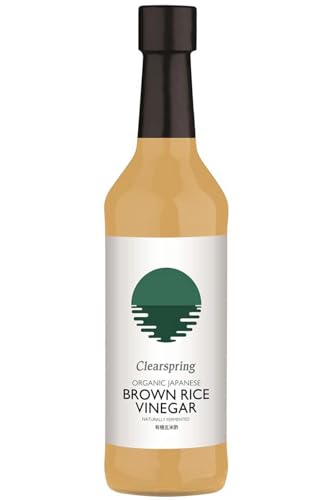
CLEARSPRING Brown Rice Vinegar is the workhorse bottle for anyone who cooks Chinese dishes regularly and wants an ingredient that does not taste like factory-made acid. Made from unhulled brown rice, this vinegar retains more of the grain’s natural minerals and has a distinctly nutty, full-bodied flavor compared to the sharper, cleaner notes of white rice vinegar. The 500 ml (16.91 fl oz) bottle is a standard import size, and the vinegar itself is fully fermented without added sugar or color.
Its acidity level is moderate, which makes it ideal for wok cooking — the flavor blooms when heated and combines beautifully with dark soy sauce, ginger, and garlic. Brown rice vinegar is especially effective in chow mein sauces and braised pork dishes where a round, slightly sweet base note is needed without actual sugar. The bottle arrives from overseas, so shipping time can vary significantly depending on your location.
Customers consistently praise its purity and subtle complexity, noting that it outclasses generic supermarket “rice vinegar” by a wide margin. If you cannot find it at your local Korean grocery, the online price is reasonable for what you get. This is not the bottle for sushi rice, but for everyday stir-fry and braised dishes, it earns its spot on the shelf.
Why it’s great
- Made from whole-grain brown rice for a richer, nuttier profile
- No added sugar, caramel color, or synthetic preservatives
- Excellent performance in hot wok applications and marinades
Good to know
- Shipping from overseas can take 2-3 weeks depending on customs
- Often cheaper when bought at local Asian grocery stores
- Labeling is minimalist with no detailed brewing info
3. Eden Mirin Rice Cooking Wine, 10.1 oz

Eden Mirin fills the specific gap that many home cooks discover only after ruining a batch of teriyaki: most “mirin” in supermarkets is actually a sweetened, corn-syrup-laden liquid that leaves a sticky, cloying residue. Eden’s version sticks to traditional Japanese ingredients — rice, koji, and water — with absolutely no hydrogenated fats, high fructose corn syrup, or synthetic nitrates. The result is a clean, rice-forward sweetness that dissolves into sauces rather than sitting on top of them.
The 10.1 oz bottle is on the smaller side, but because mirin is typically used in small quantities for glazes, dipping sauces, and stir-fry finishes, it lasts a reasonable time for a home kitchen. The flavor is notably less sweet than commercial “aji-mirin” substitutes, which is exactly what you want for a proper teriyaki glaze that caramelizes without burning.
Reviewers repeatedly mention the ingredient purity as the main buying decision. This is a mid-range product that punches above its weight if you value clean labels. For anyone making Japanese cooking a regular part of their rotation, this bottle is the safest way to avoid the corn syrup trap that plagues most supermarket mirin options.
Why it’s great
- Zero high fructose corn syrup — a rare trait in commercial mirin
- Traditional koji fermentation creates authentic sweetness
- Excellent for teriyaki glazes and stir-fry finish sauces
Good to know
- 10.1 oz bottle is small compared to standard mirin bottles
- More expensive per ounce than mass-market brands
- Not a direct substitute for brewed rice vinegar in recipes
4. De La Rosa Organic Raspberry Vinegar

De La Rosa Organic Raspberry Vinegar steps outside the traditional rice vinegar mold by infusing organic raspberries into a raw, unfiltered vinegar base. This is not a substitute for your everyday sushi or stir-fry vinegar — it is a flavored finishing vinegar designed for salads, marinades, and creative applications where a sweet-tart fruit note is the star. The bottle is USDA-certified organic, non-GMO, vegan, and gluten-free, with no added water, sugar, or preservatives diluting the juice.
The 16.9 fl oz glass bottle is elegantly packaged, but the flavor is the real draw: it is intensely raspberry-forward with a genuine vinegar tang that never tastes artificial. Users have reported excellent results in sparkling water as a soda alternative, as a base for fat-free vinaigrette, and as a pan-deglazing liquid for chicken and fish dishes. The raw, unfiltered nature means some sediment may settle at the bottom — that is the live culture doing its job.
If your cooking style leans toward Mediterranean salads, roasted vegetables, or quick pickled onions, this bottle offers a clean, organic option that supermarket flavored vinegars cannot match. It is a niche product within the rice vinegar world, but for that niche, it executes flawlessly.
Why it’s great
- Raw, unfiltered, and certified organic with no added sugar
- Versatile for salad dressing, marinades, and even sparkling drinks
- Strong natural raspberry flavor without artificial extracts
Good to know
- Not suitable as a direct replacement for plain rice vinegar in Asian dishes
- Sediment from unfiltered nature may surprise some users
- Premium pricing for a flavored niche product
5. NPG Baoning Vinegar, Black Rice Vinegar, 16.9 Fl Oz
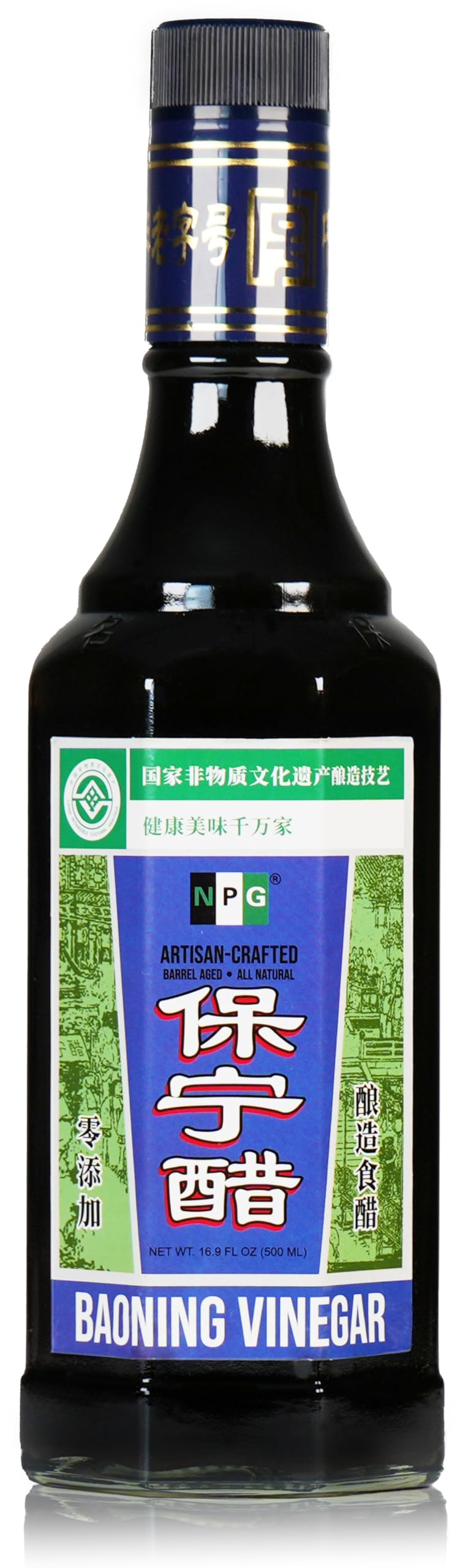
NPG Baoning Black Rice Vinegar is built for one job: making your dumpling and hot-and-sour soup experience genuinely authentic. This is a Chinese black vinegar (Chinkiang style) from Baoning, Sichuan Province, aged in traditional earthenware jars. The result is a deep, almost smoky acidity with a hint of malt-like sweetness — completely different from the clean, sharp profile of Japanese white rice vinegar. The 16.9 fl oz glass bottle is filled with a liquid that is nearly black in color and rich in complexity.
This vinegar shines brightest in a simple dipping sauce for dumplings and xiao long bao, where a few drops transform the entire eating experience. It also works spectacularly as the acid backbone in noodle salads and braised tofu dishes. Because it is barrel-aged and naturally fermented, the flavor is layered and evolves on the palate, unlike synthetic black vinegar that tastes one-dimensionally sour.
Customers report that the vinegar arrives fresh and well-packaged, with no leaking issues. It is a solid entry-level price point for anyone wanting to explore Chinese black vinegar without committing to a premium imported brand. For anyone who loves dim sum or Sichuan cooking, this bottle is the logical next purchase after the standard white rice vinegar.
Why it’s great
- Traditional earthenware jar aging delivers authentic Sichuan flavor
- Excellent depth for dumpling dipping and hot-and-sour soup
- Good entry-level price for exploring Chinese black vinegar
Good to know
- Strong, distinctive flavor that may not suit delicate sushi preparations
- Some users find the initial aroma intense compared to Japanese vinegars
- Not certified organic, though ingredients are clean
FAQ
Can I substitute seasoned rice vinegar for brewed rice vinegar in a recipe?
What is the difference between Chinkiang black vinegar and Japanese red vinegar?
Does brown rice vinegar offer any nutritional advantage over white rice vinegar?
Final Thoughts: The Verdict
For most users, the best rice vinegar winner is the Uchibori Brewing Mino 3 Years Aged Rice Vinegar because its three-year lees aging produces a depth of umami and balanced acidity that no unaged vinegar can match, transforming even simple sushi rice into a restaurant-quality dish. If you want a clean, additive-free mirin for stir-fry glazes and teriyaki, grab the Eden Mirin. And for authentic Chinese cooking — dumpling dipping, hot-and-sour soup, braised meats — nothing beats the NPG Baoning Black Rice Vinegar.