Iron deficiency anemia leaves you dragging through the day, short of breath from a single flight of stairs, and fighting a brain fog that makes simple tasks feel monumental. The right supplement can rebuild your ferritin stores and restore your energy, but the wrong one can leave you bloated, nauseated, or stuck on the toilet with constipation. The choice between ferrous sulfate, ferrous bisglycinate, and heme iron determines whether you fix your deficiency or trade one misery for another.
I’m Mohammad Maruf — the founder and writer behind AirfryerBite. I’ve spent countless hours analyzing bioavailability studies, comparing elemental iron levels, and sifting through real user reports on gastrointestinal tolerance across every major iron supplement on the market.
After reviewing the top contenders for gentle absorption and measurable results, I’ve narrowed the field to five formulations that actually raise ferritin without wrecking your digestive system. This guide to the best supplement for iron breaks down which form of iron, which dosage, and which brand is worth your money.
How To Choose The Best Supplement For Iron
Not every iron pill is built the same. The difference between a supplement that boosts your energy and one that turns your stomach inside out lies in three variables: the specific iron compound, the elemental iron dose, and the presence of absorption-enhancing co-factors. Here’s what matters most when you’re shopping.
Iron Type: Bisglycinate, Carbonyl, or Heme
Ferrous bisglycinate is a chelated form where iron is bonded to the amino acid glycine, allowing it to pass through the intestinal wall without triggering the inflammation that causes nausea and constipation. Carbonyl iron is a reduced elemental form that’s gentler than traditional ferrous sulfate because the body only absorbs what it needs and excretes the rest. Heme iron polypeptide is derived from animal hemoglobin and is absorbed through a completely different pathway — it bypasses many of the GI intolerances that plague standard iron salts. If you’ve had problems with other iron supplements, start with bisglycinate or heme.
Elemental Iron vs. Total Iron Salt Weight
A label that reads “Ferrous Sulfate 325 mg” does not mean you’re getting 325 mg of iron — that’s the total salt weight. The actual elemental iron content is usually around 65 mg (20%). Always look for the “elemental iron” number. A standard therapeutic dose for iron deficiency anemia is 65 mg to 100 mg of elemental iron per day. Overdoing it doesn’t speed results; it just increases the risk of stomach upset, black stools, and oxidative stress.
Pairing with Vitamin C
Vitamin C can triple the absorption of non-heme iron by reducing ferric iron to the more absorbable ferrous form and by forming a chelate that keeps the iron soluble in the alkaline environment of the small intestine. Some supplements bundle vitamin C in the same tablet — that’s a smart move. If yours doesn’t, take your iron with a glass of orange juice or a separate vitamin C capsule.
Quick Comparison
On smaller screens, swipe sideways to see the full table.
| Model | Category | Best For | Key Spec | Amazon |
|---|---|---|---|---|
| Vitron-C | Carbonyl Iron | Gentle absorption with built-in C | 65 mg elemental carbonyl iron + 125 mg vitamin C | Amazon |
| Naked Iron | Bisglycinate | Highest bioavailability, clean formula | 65 mg ferrous bisglycinate per capsule | Amazon |
| Proferrin Clear | Heme Iron | GI-sensitive patients & fast results | 10.5 mg heme iron polypeptide per tablet | Amazon |
| Vitamatic Ferrous Sulfate | Sulfate + C | High volume per bottle, budget value | 65 mg elemental iron + 100 mg vitamin C; 250 tablets | Amazon |
| NovaFerrum All Good | Adult Formula | Stomach comfort, doctor recommended | 50 mg iron per capsule, sugar-free | Amazon |
In‑Depth Reviews
1. Vitron-C Iron Supplement Plus Vitamin C

Vitron-C uses carbonyl iron rather than traditional salts, a form that the body absorbs on an as-needed basis with minimal GI distress. Real user labs back this up — one reviewer with celiac disease saw ferritin climb from 6 to 15 ng/mL in nine weeks on a single nightly tablet, and multiple buyers report zero constipation or nausea after switching from ferrous sulfate brands. Each tablet delivers 65 mg of elemental iron plus 125 mg of vitamin C built directly into the pill, so you don’t need to chase it with citrus.
The formula is dye-free, vegan, and gluten-free, and the tablet size is small enough for easy swallowing. Some users mention a “pill burp” — a mild metallic regurgitation that tends to happen on an empty stomach. A chewable vitamin C chaser usually solves that. The bottle contains 60 tablets, a two-month supply at the standard one-tablet daily dosing.
For the balance of gentle absorption, built-in vitamin C synergy, and proven ferritin-raising results across both men and women, Vitron-C is the most reliable entry point for anyone new to iron supplementation or anyone who has bounced off harsher formulas.
Why it’s great
- Carbonyl iron is one of the gentlest forms of elemental iron available
- Includes 125 mg vitamin C per tablet for improved absorption
- Gluten-free, vegan, and free of artificial colors
- Small tablet size that’s easy to swallow
Good to know
- May cause metallic “pill burps” when taken on an empty stomach
- Contains only 60 tablets — some users need two daily for deeper deficiency
2. Naked Iron 65mg Ferrous Bisglycinate

Naked Iron uses ferrous bisglycinate, a chelated form that consistently shows higher bioavailability in clinical studies than standard ferrous sulfate — meaning more of the dose actually reaches your bloodstream. Each capsule packs 65 mg of elemental iron from bisglycinate, and the formula is stripped of unnecessary fillers, binders, and flow agents. Postpartum users and those recovering from heavy menstrual cycles report noticeable energy gains within the first week of use.
Size-00 capsules are a medium length at 23.4 mm, which some users find easier to swallow than larger horse-pill formats. The brand has been transparent about its ingredient sourcing since 2014, and the formula is certified vegan, non-GMO, and gluten-free. A small subset of reviewers note a slight metallic taste upon swallowing, but no lingering aftertaste or nausea hours later.
If your priority is maximum absorption from the smallest dose and you want a capsule without any anti-caking agents or silicon dioxide, Naked Iron’s bisglycinate formulation is the cleanest option at this price tier. The 60-capsule bottle provides a solid two-month supply at one capsule per day.
Why it’s great
- Ferrous bisglycinate offers superior bioavailability over standard sulfate forms
- Clean formula with no artificial fillers, binders, or flow agents
- Vegan and gluten-free certification
- One capsule daily provides a full therapeutic 65 mg dose
Good to know
- Price per capsule is slightly higher than generic sulfate alternatives
- Size-00 capsule may still cause minor metallic taste for sensitive users
3. Proferrin Clear Heme Iron Polypeptide
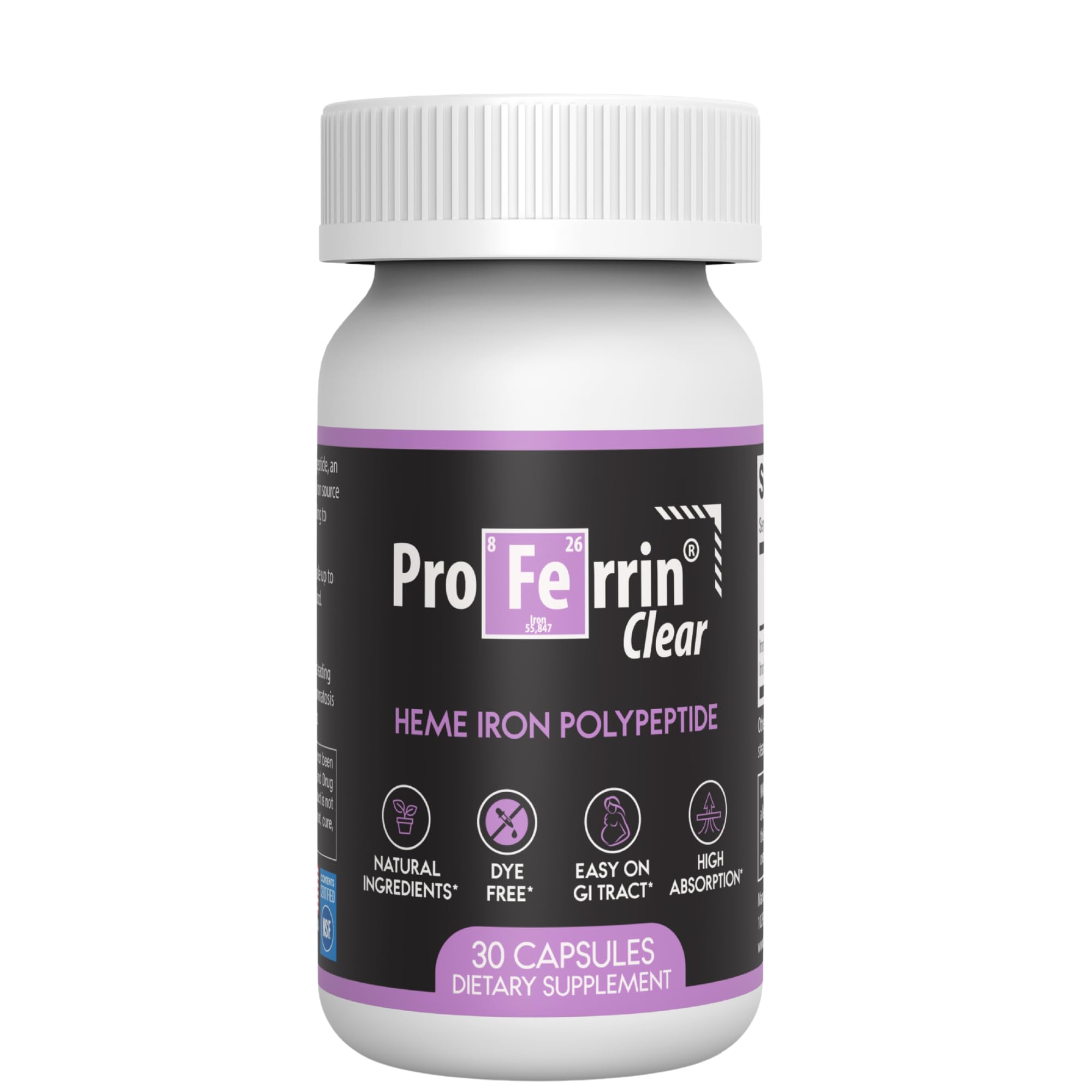
Proferrin Clear uses heme iron polypeptide, the same form of iron found in red meat but isolated into a digestible tablet. Because heme iron is absorbed through a separate mucosal transporter that isn’t blocked by dietary inhibitors like phytates or tannins, it often works when non-heme supplements fail. Users whose ferritin wouldn’t budge on standard supplements report seeing levels climb — one reviewer moved from the low 20s ng/mL into the mid-40s after adding Proferrin to their regimen.
The dosing is flexible: one tablet up to three times daily depending on your deficiency severity. Each tablet contains 10.5 mg of elemental heme iron, so reaching therapeutic levels requires multiple tablets per day — that’s the trade-off for the gentler pathway. It’s NSF-certified, gluten-free, and dye-free, making it one of the cleanest options for users with multiple sensitivities. Several women note significant improvement in menstrual cramp severity when starting the supplement a week before their period.
If you have a history of GI reactions to every iron pill you’ve tried, or if your ferritin has been stubbornly low despite supplementation, Proferrin’s heme pathway is likely your best bet. Just factor in the higher per-tablet cost if you titrate up to the full three-tablet daily regimen.
Why it’s great
- Heme iron uses a separate absorption pathway that avoids most GI side effects
- NSF-certified for purity and accuracy of labeling
- Can be taken with or without food, unlike many non-heme irons
- Works when ferrous sulfate and bisglycinate have failed to raise ferritin
Good to know
- Only 10.5 mg of elemental iron per tablet — may need 2-3 tablets daily
- Higher per-dose cost compared to non-heme alternatives
4. Vitamatic Ferrous Sulfate 325 mg with Vitamin C

Vitamatic stays with the classic ferrous sulfate format but improves it with a 100 mg vitamin C boost built into each tablet. You get 65 mg of elemental iron from 325 mg of ferrous sulfate — the standard therapeutic dose used in most clinical settings. The 250-count bottle is a standout value that works out to several months of daily supplementation, making it the most economical option in this roundup per milligram of iron.
The coated tablet is free of starch, soy, yeast, wheat, egg, artificial colors, and preservatives. It’s manufactured in a GMP-compliant, FDA-registered facility. User feedback consistently notes improved energy and alertness within the first few days, though the ferrous sulfate form is historically more likely to cause constipation than bisglycinate or carbonyl iron. Some users report zero stomach issues; others with pre-existing GI sensitivity may need to pair it carefully with food.
If you’ve tolerated ferrous sulfate in the past and you want the lowest cost per dose with the absorption benefit of vitamin C already in the pill, Vitamatic delivers reliable results in a long-lasting bottle. Just be aware that the sulfate form is the least gentle option here if your stomach is sensitive.
Why it’s great
- Exceptional value with 250 tablets per bottle
- Built-in 100 mg vitamin C eliminates need for separate supplement
- Free of common allergens: soy, gluten, wheat, dairy, and artificial dyes
- Manufactured in a certified US facility
Good to know
- Ferrous sulfate is more likely to cause constipation and nausea than bisglycinate or carbonyl forms
- Tablet size may be slightly larger than specialty iron pills
5. NovaFerrum All Good Iron Capsules
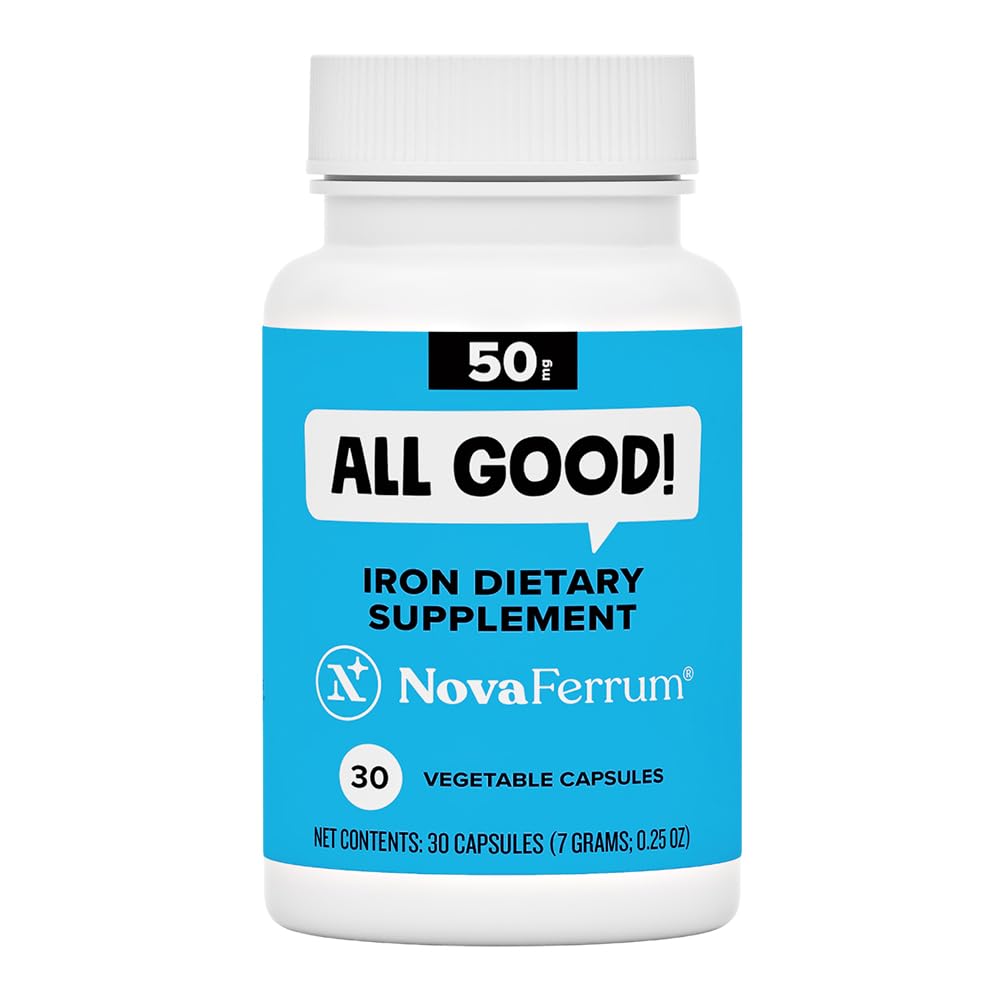
NovaFerrum All Good is formulated specifically for adults and recommended by pediatric hematologists, a credential that carries weight for families managing iron deficiency in sensitive individuals. Each capsule provides 50 mg of iron in a sugar-free formula designed to minimize the gnawing hunger pains and stomach upset that plague users on standard iron salts. Multiple verified purchasers describe this as the only iron they’ve been able to tolerate long-term.
The packaging is compact at just 30 servings per bottle, which makes it a trial-friendly size for anyone unsure about committing to a larger supply. The capsules are easy to swallow and have a noticeably milder taste than other brands — several reviewers mention they taste “a bit better” than the competition, which matters for users with a strong gag reflex to metallic supplements.
If your doctor specifically recommended a gentle adult iron formula and you want to start with a shorter supply to test tolerance, NovaFerrum’s formulation is backed by clinical recommendations and real-world patient success stories. Just note the 50 mg elemental iron dose is slightly below the 65 mg standard, so users with severe deficiency may need to adjust serving size under medical guidance.
Why it’s great
- Recommended by hematologists for patients with iron deficiency anemia
- Taste and ease on the stomach are consistently praised in user reviews
- Sugar-free formula with no unnecessary additives
- Small 30-count bottle allows for low-commitment trial
Good to know
- 50 mg elemental iron per capsule is lower than the standard 65 mg dose
- Relatively new product (released May 2025) with limited long-term review history
FAQ
How quickly will a supplement for iron raise my ferritin levels?
Should I take ferrous bisglycinate or ferrous sulfate for iron deficiency?
Can I take an iron supplement with coffee or green tea?
Why does my iron supplement cause black stools and is that normal?
Final Thoughts: The Verdict
For most users, the best supplement for iron winner is the Vitron-C because its carbonyl iron form offers the best balance of gentle absorption and built-in vitamin C synergy at a reasonable per-dose cost. If you want the maximum absorption from a clean formula with no fillers, grab the Naked Iron with ferrous bisglycinate. And for those with a history of GI reactions to every supplement they’ve tried, nothing beats the Proferrin Clear heme iron formula for side-effect-free ferritin recovery.