Most green tea sold in stores has been crushed, oxidized, or sitting in a warehouse for months before it ever hits your cup. The difference between a bag of grocery-store dust and a properly handled loose-leaf is the difference between drinking a memory of tea and tasting the actual plant—vibrant, grassy, sweet, or smoky depending on the cultivar and harvest. That distinction becomes non-negotiable once you commit to buying organic, because organic certification removes the pesticide mask and lets the terroir speak.
I’m Mohammad Maruf — the founder and writer behind AirfryerBite. I’ve spent years analyzing market data, customer feedback trails, and cultivation practices across specialty tea imports to separate marketing claims from genuine leaf quality in the organic loose-leaf segment.
This guide breaks down five contenders that actually deliver on the organic label without sacrificing flavor. Whether you need a daily drinker for your morning mug or a ceremonial-grade brew for focused sipping, the organic loose leaf green tea market has a genuine standout for every ritual.
How To Choose The Best Organic Loose Leaf Green Tea
Picking the right organic loose-leaf green tea comes down to two fundamental variables: botanical cultivar and processing method. A Chinese gunpowder rolled by hand tastes nothing like a Japanese deep-steamed sencha, even if both carry the USDA Organic seal. Understanding a few structural specs makes the difference between a purchase you burn through in two weeks and one you look forward to every morning.
Harvest Season and Cultivar
First-harvest leaves (shincha or ichibancha) contain higher concentrations of theanine and lower catechin bitterness than second-flush leaves. The Saemidori and Yabukita cultivars are the gold standards for Japanese sencha because their leaf chemistry produces natural sweetness without astringency. If the label doesn’t specify a named cultivar or harvest window, you are likely getting a commodity blend of unspecified origin.
Processing Style: Steamed vs. Pan-Fired
Japanese green tea is steamed to halt oxidation, producing a bright green liquor with strong umami and vegetable notes. Chinese green tea is pan-fired, creating a toasty, sometimes smoky character with a golden-green cup. Gunpowder green tea is a specific Chinese style where leaves are rolled into tight pellets that unfurl slowly, releasing flavor across multiple infusions. The style determines both your steeping temperature and your expected number of re-steeps.
Storage and Packaging
Volatile aroma compounds in green tea degrade rapidly when exposed to light, oxygen, and moisture. An airtight tin with a gasket seal outperforms a zip-lock bag by a measurable margin after just two weeks of daily opening. Aluminum tins with tight lids or double-layered foil bags are the only packaging formats that preserve the fresh-cut grass and sweet vegetal notes you pay a premium for. Transparent plastic containers are a dealbreaker for any serious organic purchase.
Quick Comparison
On smaller screens, swipe sideways to see the full table.
| Model | Category | Best For | Key Spec | Amazon |
|---|---|---|---|---|
| Harney & Sons Organic Gunpowder Green | Gunpowder | Smoky daily drinker | 8 oz tin, gluten-free | Amazon |
| Senbird Premium Sencha | Fukamushi Sencha | Sweet ceremonial brew | 3.5 oz airtight tin | Amazon |
| Matcha Konomi First Harvest Saemidori Sencha | Single-Cultivar Sencha | Complex multi-steep | 3.5 oz bag, organic | Amazon |
| Frontier Co-op Organic Gunpowder Green Tea | Bulk Gunpowder | High-volume value | 16 oz bulk bag | Amazon |
| Harney & Sons Japanese Sencha | Standard Sencha | Entry-level Japanese green | 4 oz airtight tin | Amazon |
In‑Depth Reviews
1. Senbird Premium Sencha – Japanese Green Tea
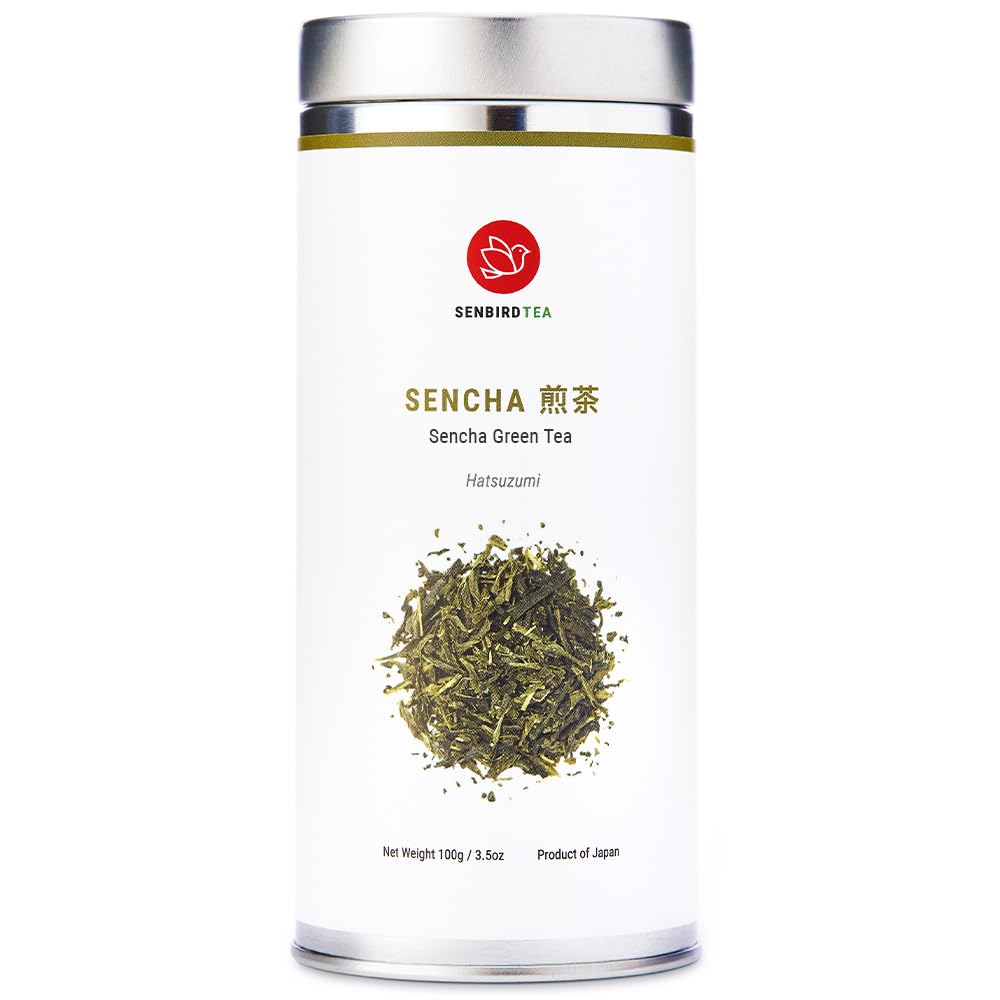
Senbird sources its Yabukita cultivar from Shizuoka, a region known for mineral-rich volcanic soil and the use of fermented soybean and yogurt amendments rather than chemical fertilizers. The deep-steaming (fukamushi) process breaks down the leaf cell walls, producing a finer grind that infuses quickly and yields a thick, vibrant green liquor with pronounced savory depth and natural sweetness. This is the tea that makes you realize mainstream sencha is essentially overpriced hay water.
The airtight recycled-aluminum tin with a gasket seal preserves volatile aroma compounds measurably better than the typical cardboard tube or zip-bag. Multiple verified reviews confirm the leaves retain their fresh-cut grass and steamed-vegetable character through the entire can, with no stale or flat notes even near the bottom. The moderate caffeine level makes it a viable afternoon beverage without the jitter spike of powder-grade matcha.
Non-GMO, pesticide-free, and tested for radiation and heavy metals—the third-party testing documentation is available on request. The refill pack program reduces packaging waste, which aligns with the overall sustainability positioning. The only serious caveat is the modest 3.5-ounce net weight; heavy daily drinkers will need to reorder frequently.
Why it’s great
- Rich umami sweetness with no bitterness at standard steeping temps
- Recycled aluminum tin locks out light and oxygen for long-term freshness
- Third-party tested for radiation and metals
Good to know
- Relatively small package size at 3.5 ounces
- Premium price per ounce compared to bulk gunpowder alternatives
2. Matcha Konomi First Harvest Saemidori Sencha

The Saemidori cultivar is bred specifically for high theanine and low catechin content, which translates directly into a cup that is sweet, seaweedy, and utterly free of the astringent bite that ruins most sencha. This first-harvest lot from Kagoshima Prefecture delivers the deepest green liquor of any product on this list, with a complex aroma that shifts from steamed spinach to roasted chestnut as the cup cools.
Multiple infusions are where this tea truly justifies its price point. The tightly rolled whole leaves unfurl over three to four steeps, releasing a slightly different flavor profile each time—the first steep is creamy and sweet, the second becomes more vegetal, and the third develops a delicate nuttiness. Few organic teas in this price bracket offer that kind of evolving complexity.
The bag format is functional but not optimal for long-term storage. Fine particles from the harvest process are visible in the bag, and several reviewers recommend sifting or using a fine-mesh strainer to keep the cup clear. The high caffeine content makes it a morning-only brew for caffeine-sensitive drinkers.
Why it’s great
- First-harvest Saemidori cultivar with zero astringency and dominant sweet notes
- Exceptional re-steep performance across 3-4 infusions
- Complex flavor progression from creamy to nutty
Good to know
- Fine leaf dust requires sifting for a clean cup
- Bag packaging, not airtight tin
3. Harney & Sons Organic Gunpowder Green, Loose Leaf 8 oz Tin

This gunpowder from Harney & Sons hits the sweet spot between quality and volume. The tightly rolled pellets are uniformly sized and unfurl into whole leaves rather than the broken fannings common in bulk gunpowder. The smoky, slightly roasted character is bold without being aggressive, and the brew remains smooth even when steeped a minute longer than recommended.
The 8-ounce tin provides roughly 80-90 servings depending on your leaf-to-water ratio, which makes it the most economical organic option on this list by a wide margin. The metal tin with a tight friction-fit lid preserves the smoky aroma significantly better than a foil bag. Verified reviews consistently note that the flavor holds steady from the first scoop to the last—no stale flatness or rancid notes.
The allergen statement confirms gluten-free production, which matters for cross-contamination concerns. The only functional drawback is the moderate caffeine content; this gunpowder has enough kick to function as a morning brew but won’t replace your coffee if you need a heavy caffeine hit.
Why it’s great
- Large 8 oz tin provides excellent per-serving value
- Whole rolled leaves unfurl fully for consistent flavor
- Smoky character smooth enough for extended steeping
Good to know
- Smoky flavor profile may not appeal to sencha purists
- Moderate caffeine level—not ideal for high-caffeine seekers
4. Frontier Co-op Organic Gunpowder Green Tea Leaves, 1-Pound Bulk

Frontier Co-op’s bulk gunpowder is the volume play for anyone who drinks green tea by the quart rather than the cup. The 16-ounce bag delivers over 180 servings at a per-ounce cost that undercuts every other option on this list by a significant margin. The leaves are certified organic, kosher, and Fair Trade, with the cooperative’s transparent sourcing commitments backing the supply chain.
The flavor profile is bold and savory with a noticeable smoky finish, but it lacks the nuance of smaller-batch gunpowders. Several reviewers note that the leaves taste slightly less bright than premium brands like Numi, likely because the batch includes later-picked leaves with higher catechin content. That trade-off is entirely acceptable for an everyday brewing tea where you are adding honey, lemon, or mint rather than sipping it straight for the terroir.
The bag packaging is a functional downgrade from a tin. Once opened, the leaves are exposed to air and light every time you reach in. Transferring to an airtight jar is strongly recommended for anyone who takes more than four weeks to finish a pound. The bulk format also makes this a poor choice for gifting or for those with limited pantry space.
Why it’s great
- Unbeatable per-ounce cost for organic certified tea
- Fair Trade and kosher certified with transparent sourcing
- Bold, savory flavor works well with additions
Good to know
- Less nuanced flavor than smaller-batch gunpowders
- Bag packaging degrades freshness faster than a tin
5. Harney & Sons Japanese Sencha Green Tea, Loose Leaf 4 oz
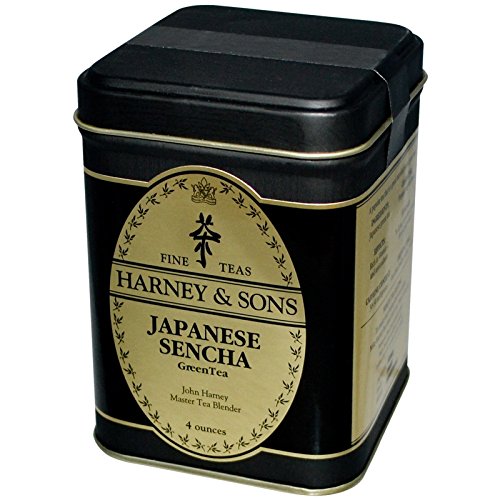
Harney & Sons’ standard sencha is the entry point for anyone transitioning from bagged green tea to loose-leaf. The flavor is clean and balanced with a light vegetal note and no bitterness even when accidentally over-steeped, making it remarkably forgiving for beginners. The 4-ounce tin is compact enough to fit in a small cabinet drawer, and the airtight seal keeps the leaves fresh for the duration of use.
The tea is not certified organic, which is a notable omission for this list. However, the kosher certification and consistent quality across multiple production lots make it a reliable choice for those who prioritize taste and processing standards over the USDA seal. Verified reviews spanning several years confirm that the flavor profile remains consistent batch after batch—rare for a mainstream loose-leaf product.
Works well for a second steep, though the flavor drops off noticeably by the third infusion. The main limitation is the price per ounce relative to the bulk Frontier Co-op option, which offers a lower cost for similar volume. This is best viewed as a sampler or a desk-drawer backup rather than a primary supply.
Why it’s great
- Forgiving flavor profile—no bitterness even with long steeps
- Compact 4 oz tin fits small storage spaces
- Consistent quality across multiple production lots
Good to know
- Not certified organic
- Higher per-ounce cost than larger bulk options
FAQ
What does “first harvest” actually mean for green tea quality?
Does organic certification guarantee no pesticide residue in green tea?
Why does gunpowder green tea have a smoky flavor?
Final Thoughts: The Verdict
For most users, the organic loose leaf green tea winner is the Harney & Sons Organic Gunpowder Green 8 oz Tin because it marries a bold, smooth flavor profile with a large tin format that preserves freshness longer than any bagged alternative, all at a per-serving cost that supports daily drinking without guilt. If you want a sweet, ceremonial-grade sencha with layered umami and zero bitterness, grab the Senbird Premium Sencha. And for high-volume consumption where cost per cup is the primary driver, nothing beats the Frontier Co-op Organic Gunpowder bulk bag.