Managing cholesterol numbers often starts with swapping one fat for another, and the fat that consistently earns the most clinical support is extra virgin olive oil. The challenge is that the grocery shelf is flooded with bottles labeled “pure” or “light” that lack the polyphenol punch needed to actually move LDL markers. You need an oil that delivers measurable phenolic compounds with every drizzle, not just a marketing story.
I’m Mohammad Maruf — the founder and writer behind AirfryerBite. I’ve spent years analyzing the chemical profiles, certification standards, and customer-sourced feedback on dozens of olive oil brands to separate the genuine heart-health performers from the adulterated impostors.
Finding the right bottle doesn’t require a chemistry degree, but it does demand an understanding of what separates a therapeutic oil from a cooking lubricant. That is exactly what this guide to the best olive oil for cholesterol will clarify, so you can buy with real confidence.
How To Choose The Best Olive Oil For Cholesterol
Not all olive oil is created equal when the goal is lowering LDL. Standard supermarket bottles often lack the bioactive polyphenols that make olive oil a functional food. You need to look past the label design and check three non-negotiable markers of quality.
Polyphenol Content is the Non-Negotiable Metric
Polyphenols are the antioxidant compounds responsible for olive oil’s anti-inflammatory and LDL-lowering effects. A bottle that doesn’t publish or guarantee a minimum polyphenol level (measured in mg per kg) is a gamble. Look for oils that state at least 250 mg/kg, though premium options push past 500 mg/kg. The peppery throat burn you feel when tasting a high-quality EVOO is actually a direct sensory indicator of polyphenol concentration — the stronger the tingle, the higher the phenolic load.
Certification and Origin Claims Must Be Verifiable
Third-party certification from bodies like the California Olive Oil Council (COOC) or official PDO/PGI seals from European authorities provides a layer of accountability that marketing language cannot. Single-origin oils from known growing regions (Tuscany, Koroneiki groves in Greece, California orchards) generally offer better traceability than blended “Product of Italy” labels, which often mask mixed sourcing from multiple countries.
Packaging Protects the Oil or Destroys It
Light, heat, and oxygen degrade polyphenols and accelerate rancidity. Clear glass bottles sitting under grocery store lighting are the worst possible container for a heart-healthy EVOO. Opaque dark glass, tinted bottles, or aluminum cans with airtight spouts preserve the chemical integrity of the oil from the mill to your salad. If the bottle is clear, the oil inside likely has a reduced phenolic shelf life before you even open it.
Quick Comparison
On smaller screens, swipe sideways to see the full table.
| Model | Category | Best For | Key Spec | Amazon |
|---|---|---|---|---|
| Corto TRULY | Premium | Daily cold use & dipping | COOC Certified EVOO | Amazon |
| O-Live&Co. Organic | Mid-Range | USDA organic cooking oil | 33.8 fl oz bottle | Amazon |
| Yolioo Tuscan EVOO | Mid-Range | Polyphenol-rich finishing | 25.4 fl oz Tuscan | Amazon |
| Fresh Press Farms Pure Gold | Premium | Highest polyphenol numbers | 2-pack aluminum cans | Amazon |
| Kosterina Greek EVOO | Premium | Ultra-high polyphenol hit | 500+ mg/kg phenols | Amazon |
In‑Depth Reviews
1. Corto TRULY Extra Virgin Olive Oil
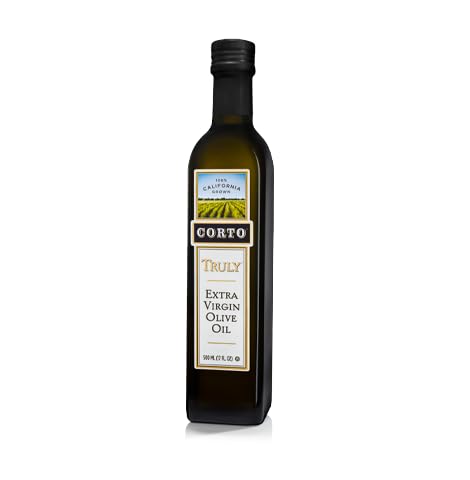
Corto TRULY earns the top spot because it comes from a single California grower who mills the olives immediately on-site, ensuring that the phenolic compounds locked in the fruit survive into the bottle. The 500 mL format is slightly smaller than most competitors, but the oil delivers a clean, floral profile that customers consistently describe as the best-tasting EVOO for bread dipping and salads. Being COOC certified means every batch has passed both chemical and sensory panels, a verifiable safety net against the adulterated oils that dominate roughly 70% of the market.
The flavor is deliberately light and non-overwhelming, making it a versatile daily oil that won’t dominate a vinaigrette or a simple sauté. Multiple users mention using it as a host gift because of the attractive packaging. The extraction method uses a state-of-the-art mill rather than high heat, which preserves the fragile polyphenols responsible for LDL modulation.
While the smaller bottle size means you’ll reorder more frequently, the tradeoff is a consistently fresh supply. The family-run orchard tracks every batch from grove to bottle, giving you a level of traceability that blended European oils rarely offer. For a cholesterol-conscious kitchen, this is the bottle to keep on the counter for cold applications.
Why it’s great
- COOC certification guarantees purity against adulteration
- Light, floral flavor works with both raw and gently cooked dishes
- Family orchard with full in-house traceability
Good to know
- 500 mL bottle is smaller than many value-size options
- Premium price per ounce compared to bulk imports
2. O-Live&Co. Premium USDA Organic Extra Virgin Olive Oil
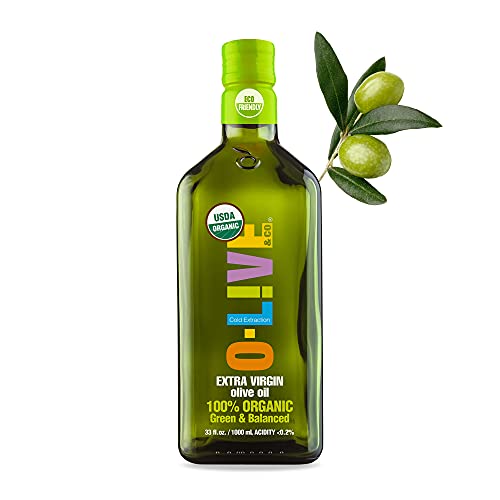
O-Live & Co. delivers a full liter of USDA-certified organic EVOO at a per-ounce cost that undercuts many smaller premium bottles, making it the most accessible entry point for anyone wanting to make olive oil a daily cholesterol-management habit. The oil is cold-extracted from Chilean olives and offers a well-balanced flavor that customers describe as fresh and fruity. Many reviewers report buying this consistently for over eight years, a testament to the reproducible quality.
The larger 33.8-fluid-ounce bottle is ideal for households that go through oil quickly, though the packaging is clear plastic, which introduces some risk of light degradation over time if stored improperly. Users note the oil has a pleasant spicy finish that indicates a decent phenolic presence, even if the brand does not publish specific mg/kg numbers. The sustainable farming practices in Chile add an ethical dimension that resonates with environmentally conscious cooks.
For cholesterol purposes, the key advantage is volume — you can afford to use this oil generously for cooking, marinades, and dressings without worrying about cost per drizzle. If you are transitioning from a standard vegetable oil diet and want a certified-organic EVOO that allows you to cook freely, this bottle delivers solid heart-healthy fats at a price that encourages habitual use rather than hoarding.
Why it’s great
- Full liter of USDA organic EVOO at a low per-ounce cost
- Fruity, well-balanced flavor suits a wide range of dishes
- Support for sustainable Chilean agriculture
Good to know
- No published polyphenol count for targeted cholesterol support
- Clear plastic bottle needs dark cupboard storage
3. Yolioo 100% Italian Organic Olive Oil Extra Virgin
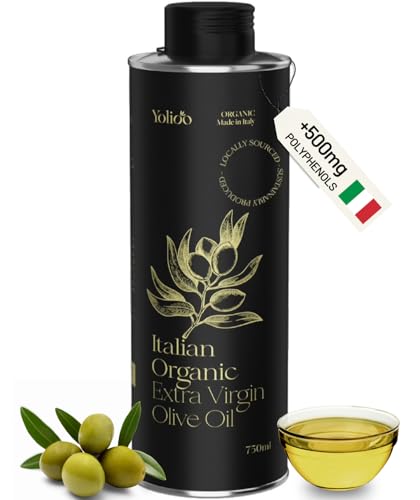
Yolioo sources its olives from a third-generation family farm near Florence, Tuscany, and mills them within six hours of harvest at a controlled 22–24°C to preserve the delicate polyphenol profile. The resulting oil has a rich, peppery finish that customers consistently confirm as a sign of high phenolic content. It is organic, fully traceable, and bottled in a dark container that protects the oil from light degradation.
Reviewers mention using this oil for salads, vegetables, pasta, and focaccia, noting that the flavor is robust enough to finish a dish but not so aggressive that it overpowers other ingredients. Some users compare it to oils found in Tuscan restaurants and appreciate the elegant bottle as a host gift. The third-generation farm story adds a layer of authenticity that matters when you are paying a premium for a single-origin product.
For cholesterol management, the early-harvest timing is critical — olives picked earlier in the season contain higher concentrations of polyphenols than late-harvest fruit. The 25.4-ounce size is a practical middle ground between the smaller Corto bottle and the liter-sized O-Live container, giving you a solid month of daily use without the oil sitting long enough to go stale.
Why it’s great
- Milled within six hours of harvest to maximize polyphenol retention
- Robust, peppery flavor confirms phenolic density
- Full traceability from Tuscan family farm
Good to know
- Premium tier pricing per ounce
- Some customers report dented tins depending on shipping
4. Fresh Press Farms Pure Gold Extra Virgin Olive Oil

Fresh Press Farms stands out because it publishes a specific lab-tested polyphenol number: 1,000 mg per kg, which is roughly double the industry benchmark for high-phenolic oils. That translates to about 14 mg of polyphenols per serving, a clinically relevant dose for supporting LDL reduction. The oil is cold-pressed from Georgia-grown olives, meaning it is 100% American-made and shipped in lightweight, recyclable aluminum bottles with pour spouts.
Customers consistently describe the flavor as smooth with a slight peppery throat burn that confirms the high phenolic load. The 2-pack format gives you 32.8 total fluid ounces, making this one of the most cost-effective ways to get a guaranteed high-polyphenol oil into your daily rotation. The oil is also Whole30, Keto, and Paleo certified, appealing to users following low-carb or elimination diets alongside their cholesterol goals.
The aluminum packaging is a major advantage for cholesterol-conscious buyers because it blocks all light and oxygen more effectively than glass or plastic. The slender bottles also fit well in small hands, a detail that arthritic customers appreciate. If your primary reason for buying olive oil is the documented phenolic content for heart health, this is the most transparently labeled option on the list.
Why it’s great
- Lab-tested at 1,000 mg/kg polyphenol content
- Lightweight aluminum 2-pack for optimal preservation
- US-grown and produced with full supply chain transparency
Good to know
- Plastic sleeve over cans can feel greasy
- Medium heat range, not ideal for deep frying
5. Kosterina Original Extra Virgin Olive Oil
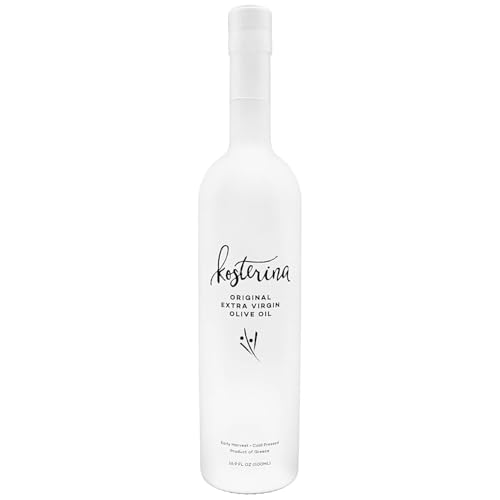
Kosterina uses early-harvest Koroneiki olives from southern Greece and cold-presses them to produce an oil that tests above 500 mg/kg of polyphenols, delivering the classic peppery throat tingle that experienced EVOO buyers use as a quality proxy. The oil is packaged in opaque white glass, which blocks light while avoiding the metallic transfer risk associated with some aluminum cans. It is non-GMO, gluten-free, and vegan certified, covering most dietary restrictions.
Customers frequently describe this as the best olive oil they have ever tasted, specifically citing the robust, fresh flavor and the noticeable throat burn that confirms phenolic activity. Chefs and home cooks alike report using it exclusively for raw applications like drizzling over vegetables and finishing soups, because the delicate polyphenols are heat-sensitive and degrade above medium temperatures. The taller 16.9-ounce bottle fits easily into a cupboard door.
For cholesterol management, Kosterina’s advantage is the combination of single-origin traceability and a specifically high phenolic concentration in a packaging format that does not rely on clear glass. The brand is relatively newer than legacy Italian imports, but the lab transparency and customer enthusiasm suggest a consistently high-quality product that justifies its premium tier placement for serious heart-health buyers.
Why it’s great
- Confirmed 500+ mg/kg polyphenols from certified Koroneiki olives
- Opaque glass protects oil from light damage
- Vibrant, peppery flavor indicative of high antioxidant content
Good to know
- Smaller 16.9 oz bottle for premium price
- Best used raw to preserve heat-sensitive polyphenols
FAQ
How much olive oil should I consume daily to lower cholesterol?
Does heating olive oil destroy polyphenols and make it useless for cholesterol?
Why does my olive oil burn my throat? Is that good or bad?
Can I use any olive oil for cooking and still get cholesterol benefits?
Final Thoughts: The Verdict
For most users, the best olive oil for cholesterol winner is the Fresh Press Farms Pure Gold because it publishes the highest verifiable polyphenol count at 1,000 mg/kg in a light-protective aluminum 2-pack that keeps the oil stable from pantry to plate. If you want a certified-organic oil with a larger volume for everyday cooking, grab the O-Live&Co. for a value-driven liter. And for a single-origin Tuscan experience with a robust peppery finish that proves its phenolic density, nothing beats the Yolioo for salad dressings and finishing drizzles.