The thirst for real hydration without the heavy syrup of sports drinks or the flatness of tap water has turned a generation of shoppers toward the clear, electrolyte-rich liquid inside a young green coconut. But the grocery aisle is now a minefield of “pure” claims, added sugars hiding under natural-sounding names, and reconstituted concentrates that taste more like tin than tropics.
I’m Mohammad Maruf — the founder and writer behind AirfryerBite. I’ve spent years analyzing food and beverage product specs, reading deep into customer feedback, and cross-referencing ingredient labels to separate marketing from reality in the hydration category.
Whether you’re an athlete looking for post-workout replenishment or simply seeking a clean alternative to juices and sodas, finding the real deal matters. This guide cuts through the noise to identify the best pure coconut water options available today based on ingredient honesty, flavor authenticity, and nutritional value.
How To Choose The Best Pure Coconut Water
Not all bottles labeled “coconut water” are created equal. Some are diluted with concentrate, sweetened with cane sugar, or stripped of the natural pulp that provides texture. To find a truly pure product, you need to look past the front label and examine the ingredient list, sourcing method, and packaging. Here are the key factors that separate the genuine article from the pretenders.
From Concentrate vs. Not From Concentrate
This is the single most important distinction. Coconut water “from concentrate” is heat-processed to remove water, then reconstituted later with tap water. This kills delicate flavor compounds and often requires added sugar to compensate for the flat taste. “Not from concentrate” means the water is flash-pasteurized and bottled directly, preserving the natural sweetness and electrolyte profile of fresh coconut. Always check the fine print.
Added Sugar and Hidden Sweeteners
Pure coconut water naturally contains about 5-7 grams of sugar per 100 ml from the fruit itself. Many brands add cane sugar, fruit juice concentrate, or “natural flavors” that effectively spike the sugar content to juice levels. Look for labels that explicitly say “no sugar added” and scan the ingredient list — if it lists anything beyond coconut water, it isn’t pure. A clean label with one single ingredient is the gold standard.
Electrolyte Density and Mineral Content
The primary reason people drink coconut water is for hydration, and that hydration comes from naturally occurring electrolytes — particularly potassium, sodium, calcium, and magnesium. A quality pure coconut water should deliver at least 500 mg of potassium per 16.9 oz serving. Lower numbers often indicate a diluted or reconstituted product. Compare the electrolyte panels between brands to see which ones deliver the highest mineral density.
Packaging and Shelf Stability
Coconut water is sensitive to light and heat. The best options come in opaque Tetra Pak cartons or cans that block UV light, preserving freshness for months without refrigeration. Clear plastic bottles expose the liquid to light, degrading flavor and nutrient quality over time. Also consider the resealability of the container — twist-off caps are convenient for portion control, while cans are one-and-done servings. Shelf-stable packaging that doesn’t require refrigeration until opening allows for bulk buying without spoilage.
Quick Comparison
On smaller screens, swipe sideways to see the full table.
| Model | Category | Best For | Key Spec | Amazon |
|---|---|---|---|---|
| NILO 100% Pure Coconut Water | Premium | Real pulp texture & natural sweetness | With coconut pulp pieces; not from concentrate | Amazon |
| Little Palm Pure Coconut Water | Premium | Large serving size & pure taste | 16.9 oz bottles; single ingredient | Amazon |
| Nature’s Greatest Foods Organic Coconut Water | Premium | Organic certification & bulk value | 1L Tetra Pak cartons; USDA Organic | Amazon |
| Once Upon a Coconut Premium Coconut Water | Mid-Range | Deep natural flavor & smooth texture | Low calorie; under 1% added sugar | Amazon |
| Vita Coco Coconut Water, Pure Organic | Budget | Everyday hydration & portability | 11.1 oz bottles; 60 calories per serving | Amazon |
In-Depth Reviews
1. NILO 100% Pure Coconut Water

NILO takes a different approach than most competitors by including real coconut pulp in every bottle. This isn’t a filtered, clear beverage — it’s an authentic experience that mimics the texture of drinking straight from a young coconut. The flavor is noticeably sweeter than average, which some customers initially suspect is from added sugar, but the ingredient list confirms it’s purely from the natural sugars of the fruit. With 10.8 oz bottles packed in a 12-pack, the total volume is 129.84 fluid ounces, offering solid value for a premium product.
The “not from concentrate” claim is backed by the presence of pulp fibers, which simply wouldn’t survive the reconstitution process. This makes NILO one of the most honest labels in the category. The sweetness is intense enough that some reviewers compare it to juice, but the nutritional profile remains clean: no added sugars, no artificial sweeteners, no preservatives. It’s also non-GMO and gluten-free, fitting clean-eating lifestyles without compromise.
If you prioritize texture and authentic mouthfeel over a perfectly clear, filtered liquid, NILO delivers an experience that other brands can’t replicate. The pulp pieces are small enough to blend into smoothies effortlessly, yet substantial enough to remind you that this came from an actual coconut, not a factory. The only trade-off is the sweetness level — those accustomed to more diluted options may find this one surprisingly rich, but that’s a sign of purity, not a flaw.
Why it’s great
- Real coconut pulp provides authentic texture and flavor
- No added sugar — sweetness comes entirely from the fruit
- Not from concentrate, preserving natural electrolyte profile
Good to know
- Sweetness level may be too high for those expecting a neutral taste
- Bottle size smaller than some competitors at 10.8 oz
2. Little Palm Pure Coconut Water
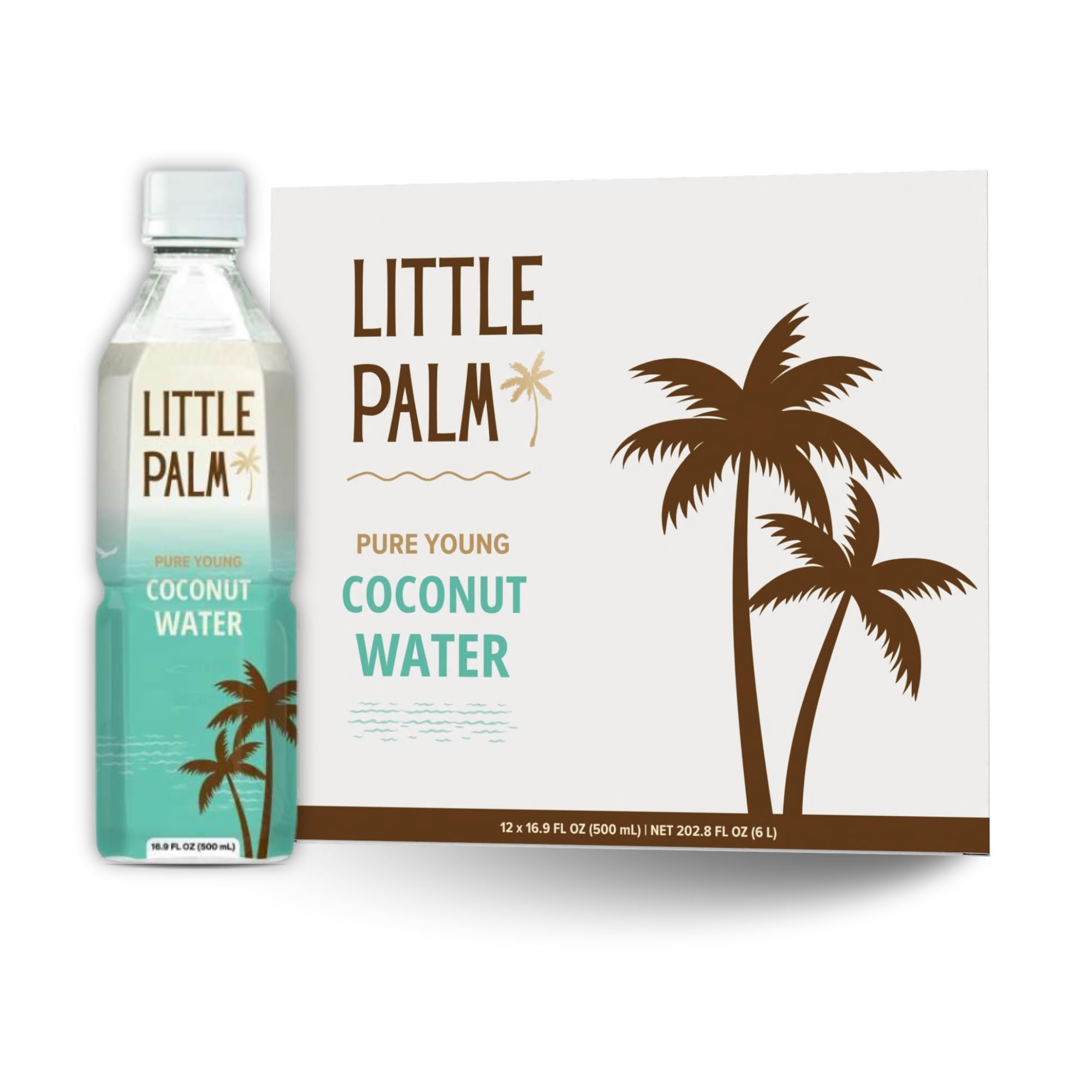
Little Palm is crafted from young Vietnamese green coconuts, renowned for their natural sweetness and peak flavor. Each 16.9 oz bottle contains a single ingredient: pure coconut water with no added sugar, no preservatives, and no artificial anything. The larger bottle size (202.8 total fluid ounces for the 12-pack) makes it a standout for those who want a satisfying, full serving without needing to open multiple containers. The packaging is shelf-stable, meaning you can store it at room temperature without worrying about spoilage until it’s opened.
Customer reviews consistently highlight the taste as “like drinking straight out of a fresh coconut,” with no weird aftertaste or metallic notes that plague many shelf-stable brands. The electrolyte content is impressive, with over 600 mg of naturally occurring electrolytes per bottle, including potassium, sodium, and calcium. This makes it a legitimate post-workout recovery option, not just a flavored water alternative. The clear, non-pulp appearance appeals to those who prefer a smooth, filtered texture without chunks.
During a packaging transition, you may receive either old or new labeling, but the formula remains identical. The bottles are ergonomically designed and easy to grip, fitting standard car cup holders for on-the-go hydration. The only real consideration is the higher price point per unit compared to entry-level options, but the single-ingredient purity and larger serving size justify the premium for serious coconut water drinkers.
Why it’s great
- 16.9 oz bottle size delivers a full, satisfying serving
- Single ingredient with over 600 mg natural electrolytes per bottle
- No added sugar, no preservatives, shelf-stable packaging
Good to know
- Higher price per bottle compared to budget coconut waters
- Label may change during packaging transition
3. Nature’s Greatest Foods Organic Coconut Water
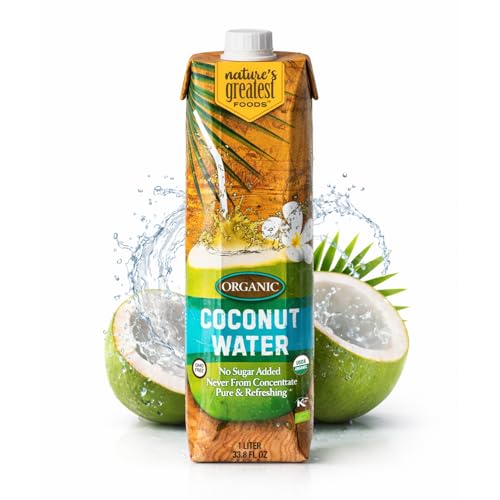
Nature’s Greatest Foods takes a dual approach: USDA Organic certification combined with eco-friendly Tetra Pak cartons that are more recyclable than plastic bottles. Each 1-liter box (33.8 fl oz) in the 6-pack offers massive volume per unit, making this the best option for high-volume users who go through coconut water quickly. The product is never from concentrate, and the ingredient list is refreshingly short — just 100% organic coconut water. It’s also Kosher certified, vegan, and gluten-free.
The twist-off cap design allows for portion control: you can drink some, reseal, and refrigerate for up to three days. The flavor is described as close to fresh, natural coconut water, with several long-time coconut water drinkers noting it tastes similar to what they remember from childhood. The electrolyte content is good, with naturally occurring potassium and a much lower sodium level than most commercial sports drinks, making it suitable for daily hydration without the salt overload.
However, there is a notable packaging concern. Some customers report that the carton material feels somewhat weak, and the plastic pour spout can detach during shipping or normal handling, causing leaks. This means you may need to transfer the liquid to sturdier containers upon receipt. The flavor itself is excellent and well-reviewed, but the packaging quality control issue prevents this from being a flawless recommendation. If you can accept the container risk, the organic purity and large format are hard to beat.
Why it’s great
- USDA Organic with a single ingredient — 100% organic coconut water
- 1L Tetra Pak cartons offer the best volume per unit in the lineup
- Twist-off cap allows resealing; eco-friendly packaging
Good to know
- Pour spout prone to detaching; may leak during shipping
- Carton material feels less durable than competitors
4. Once Upon a Coconut Premium Coconut Water

Once Upon a Coconut sources its product from young Hamona coconuts grown in Bến Tre, Vietnam, using traditional harvesting methods that involve either tree climbing or telescoping poles. This attention to sourcing results in a coconut water that many reviewers describe as perfectly pH-balanced for the mouth — smooth, subtly sweet, and deeply hydrating without any acidic bite. Each 10.8 oz can packs only 70 calories, with less than 1% added sugar, keeping it firmly in the low-calorie hydration category.
The electrolyte profile is well-rounded, containing essential potassium, calcium, and magnesium. Several customers have noted that this product helps with sleep quality, relaxation, and overall hydration, and some have even set up subscriptions after their first purchase. The flavor is described as natural and refreshing, with a deep coconut taste that stands up well when mixed into cocktails or smoothies. A small percentage of customers received a can that tasted off, like flat carbonated water, but this appears to be a rare quality control issue rather than a recurring problem.
The can format is ideal for portability — no need to worry about breakage during transport or light degradation of the liquid. The 12-pack is compact enough for pantry storage, and the cans stack neatly. The only notable downside is the presence of less than 1% added sugar. While this is minimal compared to juice-level sweeteners, purists seeking a truly zero-added-sugar product may want to look elsewhere. For most users, however, the trace amount is negligible and doesn’t detract from the overall purity.
Why it’s great
- Perfect pH balance; smooth texture with subtle natural sweetness
- Low calorie at 70 per can; minimal added sugar
- Could format is shatterproof and light-blocking for freshness
Good to know
- Contains less than 1% added sugar, though minimal
- Rare quality control issues reported with individual cans
5. Vita Coco Coconut Water, Pure Organic
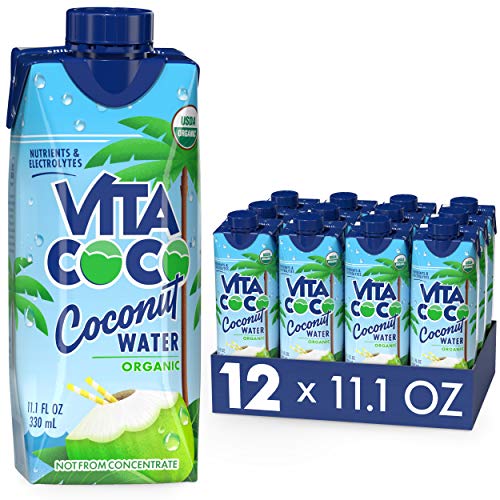
Vita Coco is arguably the most recognized name in the coconut water category, and their Pure Organic line offers an entry point that balances quality with everyday affordability. Each 11.1 oz bottle contains 60 calories and is fat-free, gluten-free, and non-GMO. The taste is consistently described as refreshing, clean, and slightly sweet — a reliable option for daily hydration without the aggressive coconut punch that some premium brands deliver. The 12-pack format provides 133.2 total fluid ounces, making it the most accessible option for first-time buyers.
The electrolyte content is effective enough that some customers with medical conditions — including heart patients needing regular electrolyte control — have reported positive results from using Vita Coco as a daily supplement. The bottles are portable and fit easily into lunch bags or gym bags, though the 11.1 oz size means you’ll need multiple bottles for a full workout recovery session. The flavor is mild compared to the pulp-heavy NILO or the deep Vietnamese notes of Once Upon a Coconut, which makes it more approachable but less authentic for purists.
Vita Coco’s production scale means it relies on concentrate more than smaller premium brands. While the label says “pure organic,” the processing method involves reconstitution, which naturally results in a lighter flavor profile. For everyday hydration on a budget, this is a perfectly serviceable choice. For those seeking the absolute purest, straight-from-the-coconut experience, the premium options above will deliver more depth. Consider this your entry-level benchmark — a solid, accessible starting point that proves why this category has exploded in popularity.
Why it’s great
- Widely available with consistent quality and clean taste
- Low calorie at 60 per bottle; fat-free and non-GMO
- Portable 11.1 oz bottles ideal for on-the-go hydration
Good to know
- Made from concentrate rather than fresh-pressed
- Milder flavor profile less authentic than premium brands
FAQ
Is coconut water from concentrate worse for you than fresh?
How much potassium should a quality pure coconut water contain?
Why does some pure coconut water taste different from others?
Can I use pure coconut water for post-workout recovery?
Final Thoughts: The Verdict
For most users, the best pure coconut water winner is the NILO 100% Pure Coconut Water because it delivers an unmistakably authentic experience with real pulp, no added sugar, and a not-from-concentrate process that preserves the true taste of the fruit. If you want a larger serving size with a single-ingredient bottle that tastes like fresh coconut, grab the Little Palm Pure Coconut Water. And for organic certification combined with high volume in eco-friendly packaging, nothing beats the Nature’s Greatest Foods Organic Coconut Water — just be prepared to handle the packaging carefully.