Plant-based protein powders often carry a hidden penalty: a heavy dose of sodium used to mask earthy legume flavors, leaving you feeling puffy and counteracting your clean-eating goals. The real challenge isn’t just finding a vegan protein—it’s finding one that delivers muscle support without loading up on salt.
I’m Mohammad Maruf — the founder and writer behind AirfryerBite. I’ve spent years analyzing nutritional labels and third-party test results for plant-based supplements, specifically isolating the sodium content and amino acid profiles that serious users actually need to track.
After cross-referencing label claims, customer digestion feedback, and verified ingredient decks across dozens of brands, I’ve built a clear guide to the best low sodium plant based protein powder options that keep your kidneys happy and your muscles fed.
How To Choose The Best Low Sodium Plant Based Protein Powder
Selecting a low-sodium plant protein goes beyond glancing at the front label. You need to verify the actual milligram count per serving, the source of the protein itself, and the additives that often sneak sodium back in. Here are the critical factors to weigh.
Check the Sodium Per 25–30g Serving
A genuine low-sodium plant protein powder should clock in at under 100 mg of sodium per scoop. Many “natural” blends hit 200–300 mg because manufacturers add baking soda or sodium-based flavor enhancers. Look for products that explicitly state “low sodium” or show single-digit to zero milligrams on the back panel.
Pea Isolate vs. Blended Protein Sources
Pure pea protein isolate naturally contains minimal sodium because the extraction process uses water or gentle fermentation rather than chemical salts. Blends that mix pea with brown rice, chia, or hemp often require additional processing aids that raise the sodium floor. Stick to single-source isolates if sodium is your primary constraint.
Watch for Hidden Salt Carriers
Natural flavors, cocoa powders, and even organic sweeteners can carry sodium as a processing residue. Products labeled “unsweetened and unflavored” are statistically the safest bet for near-zero sodium, while chocolate and vanilla versions sometimes add sodium to round out bitterness. Always read the actual nutrition facts, not the marketing bullet points.
Quick Comparison
On smaller screens, swipe sideways to see the full table.
| Model | Category | Best For | Key Spec | Amazon |
|---|---|---|---|---|
| Nutricost Organic Pea Protein | Isolate | Strict sodium control | 20g protein, unflavored isolate | Amazon |
| NOW Sports Pea Protein | Isolate | High protein per scoop | 24g protein, 4200mg BCAAs | Amazon |
| MRM Veggie Elite | Blend | Digestive enzyme support | 24g protein, added enzymes | Amazon |
| Orgain Organic Vegan | Blend | All-around nutrition | 21g protein, 6g prebiotic fiber | Amazon |
| Nutrasumma Pea Protein | Fermented | Low-bloat digestion | 20g protein, fermented isolate | Amazon |
| Nuzest Clean Lean | European Isolate | Minimal ingredient list | 20g protein, 98% digestibility | Amazon |
| NutriBiotic Rice Protein | Rice | Hypoallergenic alternative | 80% protein content, plain | Amazon |
In‑Depth Reviews
1. Nutricost Organic Pea Protein Isolate Powder (Unflavored)

Nutricost delivers exactly what the serious label-checker wants: a single-ingredient organic pea protein isolate with 20 grams of protein per scoop and virtually zero sodium. The 5-pound tub is the largest volume in this roundup, giving you the highest protein-per-dollar ratio among certified organic options. The unflavored profile means no added sugar, no natural flavors, and no sodium-containing processing aids.
Mixing is straightforward — use a blender bottle or a quick immersion blender for best results. The texture is fine but slightly flour-like when shaken with water alone; pairing it with oat milk or blending it into a smoothie eliminates any graininess entirely. Several long-term users report that this powder solves the pea-protein aftertaste problem because there is no flavor mask to go wrong.
For the strict low-sodium shopper, this is the cleanest baseline. You control exactly what goes into your shake, and the 20-gram protein count is consistent without the sodium spikes found in flavored competitors. It is the benchmark every other product on this list must beat in terms of purity and value.
Why it’s great
- Near-zero sodium per serving
- 5-pound bulk tub offers best protein-per-dollar value
- Certified USDA Organic and third-party tested
Good to know
- Unflavored taste takes getting used to if you prefer sweetness
- Fine powder can puff dust if scooped aggressively
2. NOW Sports Pea Protein (Creamy Chocolate)
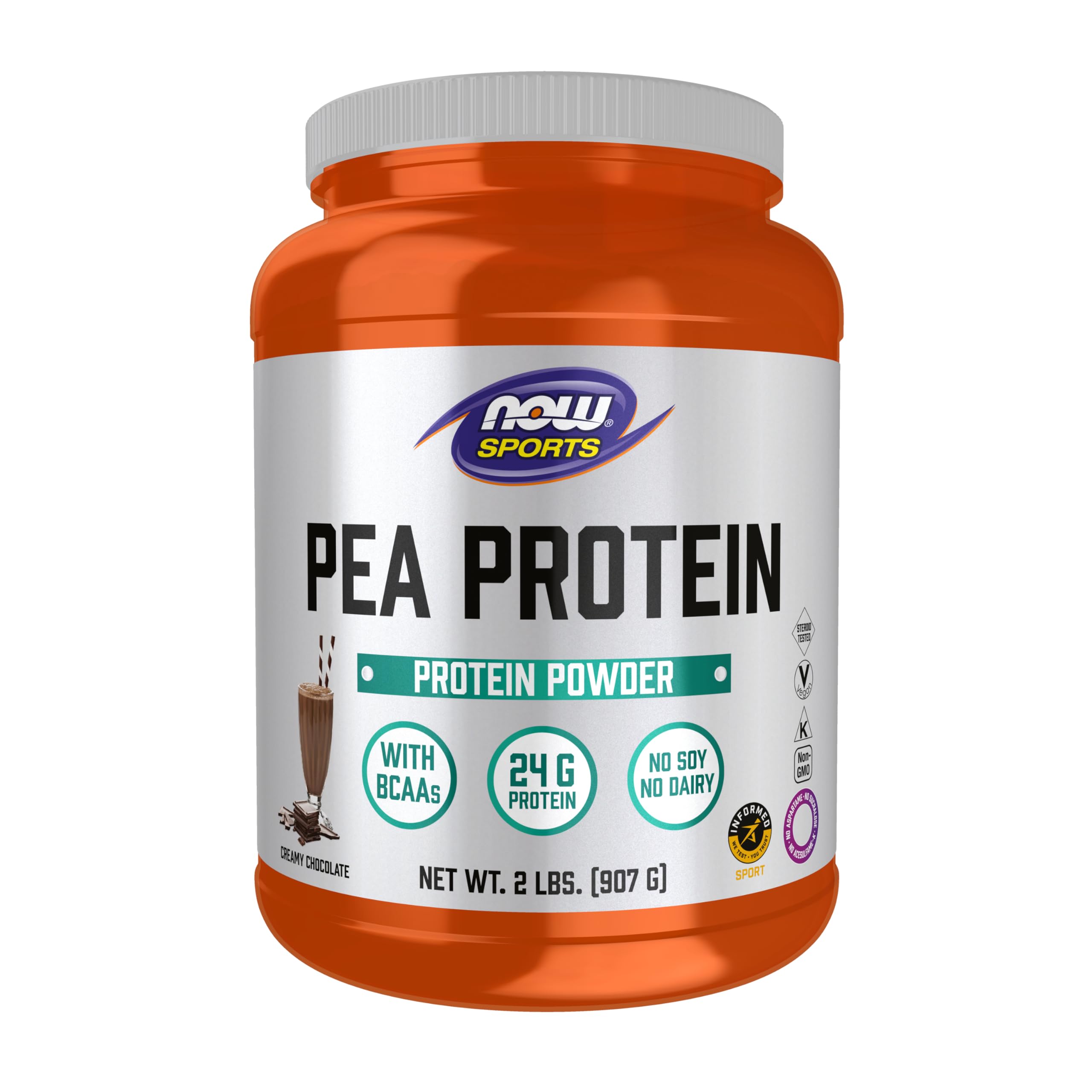
NOW Sports delivers a market-leading 24 grams of pea protein per scoop alongside a robust 4,200 mg of branched-chain amino acids, making it the top choice for muscle recovery without resorting to high-sodium formulas. The Creamy Chocolate flavor uses cocoa and a modest sweetener to mask the pea base without pushing sodium above single-digit territory. It mixes smoothly with almond milk and avoids the clumping that plagues lower-end isolates.
The GMP-certified manufacturing from a family-owned company that has been in business since 1968 adds a layer of trust for buyers who care about quality control. Each serving keeps the carb count low, which fits keto or low-net-carb patterns. Some users note the chocolate is not overly sweet, which actually works in your favor if you are cutting down on added sugars.
Where this product earns its place is in amino acid density. If your primary goal is lean muscle support and you want a flavored option that will not wreck your daily sodium budget, NOW Sports stands out as a serious performer. The trade-off is a slightly higher price per pound compared to bulk unflavored isolates.
Why it’s great
- Highest protein count at 24g per serving in this lineup
- Rich BCAA profile supports muscle synthesis
- Mixes cleanly with no chalky residue
Good to know
- Contains xylitol as a sweetener, which may cause GI discomfort in high doses
- Flavor is mild compared to heavily sweetened mass-market brands
3. MRM Veggie Elite Performance Protein (Vanilla Bean)
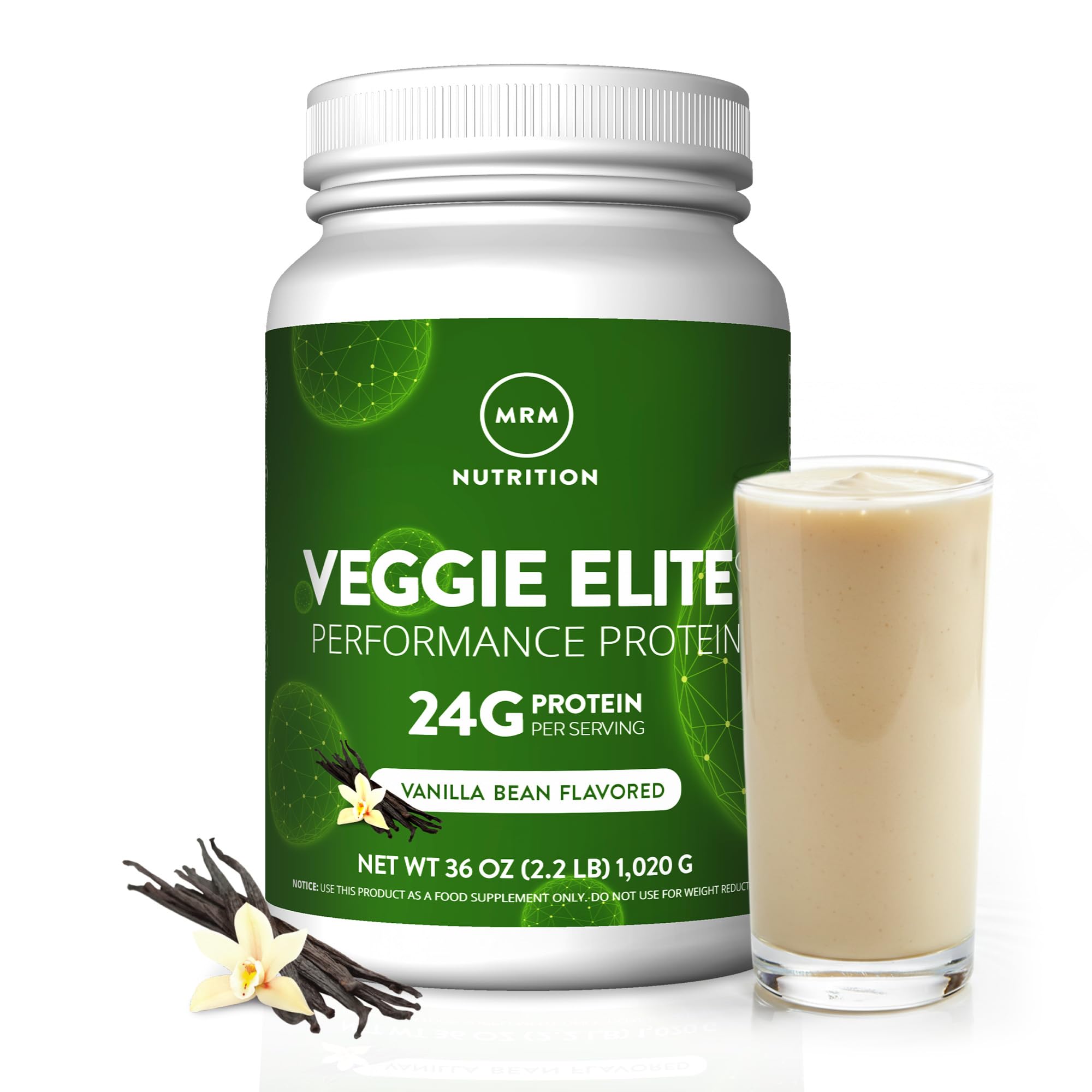
MRM’s Veggie Elite takes a clinical approach by blending pea and organic brown rice protein then adding digestive enzymes to boost amino acid absorption. The formula delivers 24 grams of protein per scoop with 9.5 grams of amino acids and 4.5 grams of BCAAs, all while keeping the sodium content low enough for restricted diets. The vanilla bean flavor is versatile and works well in smoothie bowls, overnight oats, and baked goods.
The company is owned by a clinical dietitian and a biochemist, so the ingredient rationale is sound. Sacha inchi is included as an added whole-food protein source, which rounds out the amino profile beyond what pea-alone isolates provide. Mixing requires a blender for a truly smooth texture — a shaker bottle leaves some grit, similar to most brown rice blends.
If you have struggled with bloating from other plant proteins, the digestive enzyme inclusion makes this a legitimate trial candidate. The trade-off is that the vanilla flavor is on the sweeter side due to stevia, which some users find artificial. For sodium watchers, however, the enzyme support and complete protein profile outweigh the sweetness concern.
Why it’s great
- Digestive enzymes reduce bloating and improve absorption
- Clinically validated pea-rice-sacha inchi blend
- Low sodium while delivering complete amino acid profile
Good to know
- Stevia sweetness may not suit all palates
- Scoop sizing is inconsistent; use a food scale for accuracy
4. Orgain Organic Vegan Protein (Creamy Chocolate Fudge)
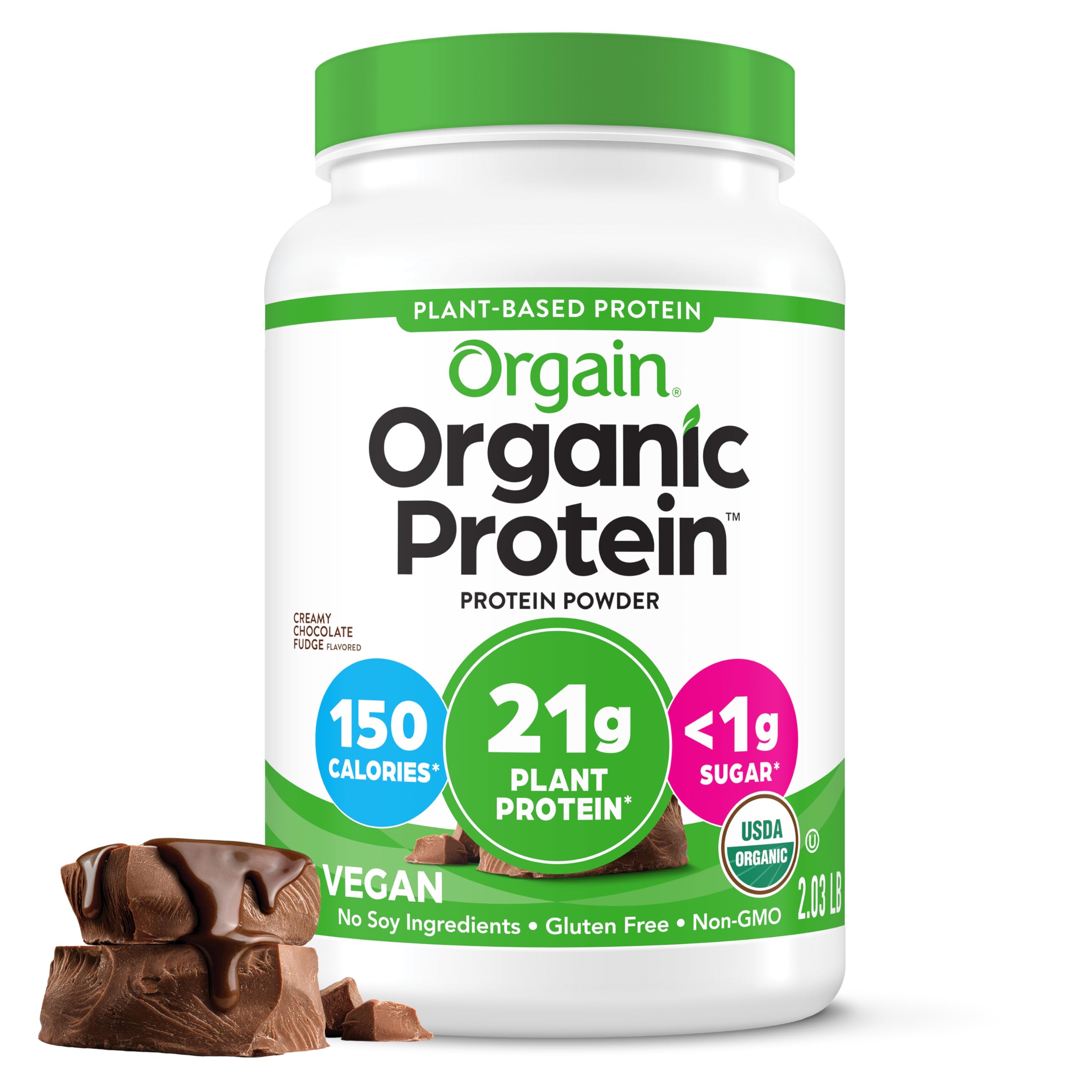
Orgain’s best-selling formula combines pea, brown rice, and chia seed protein with 6 grams of prebiotic fiber for gut health support. The Creamy Chocolate Fudge flavor is genuinely pleasant — rich cocoa aroma, no stevia aftertaste, and no added sugar. At 21 grams of protein and low net carbs per serving, it fits a range of dietary patterns from keto-leaning to standard meal replacement.
The USDA Organic and Certified Plant-Based seals add credibility, and the powder mixes smoothly with minimal grit. Multiple verified reviews highlight that it does not cause digestive upset even for people with severe lactose or soy sensitivities. The versatility extends to baking and overnight oats, where the chocolate flavor integrates without overwhelming the recipe.
For sodium-conscious buyers, Orgain keeps the count reasonable, though it is not as low as single-ingredient isolates. The trade-off is convenience and flavor — you get a ready-to-drink shake feel without needing to doctor the powder yourself. If you prioritize taste and gut health over absolute sodium minimalism, this is the strongest all-around option.
Why it’s great
- Great chocolate taste with no artificial sweeteners or added sugar
- Prebiotic fiber supports digestive health
- Certified organic and plant-based with clean label
Good to know
- Slightly higher sodium than single-isolate unflavored powders
- Requires a blender for really smooth texture (shaker leaves some grit)
5. Nutrasumma Pea Protein (Chocolate)

Nutrasumma processes its pea protein using a biological fermentation technology that breaks down the complex carbohydrates responsible for gas and bloating. The result is a chocolate-flavored powder with 20 grams of protein per serving that users consistently describe as easy on the stomach — a critical advantage for anyone switching from whey or soy. The chocolate flavor uses organic cocoa and 3 grams of organic cane sugar, staying clear of artificial sweeteners and erythritol.
The fine powder mixes easily with a spoon in milk or water, though a quick blender run eliminates any residual graininess. North American peas are the sole protein source, and the product is gluten-free, soy-free, and dairy-free. Several reviews specifically mention resolving chronic bloating issues that persisted with other plant proteins.
For the low-sodium buyer, Nutrasumma keeps levels modest, though the cane sugar adds a few grams of sugar that pure isolates avoid. If your primary dietary restriction is sodium alongside a sensitive GI tract, the fermentation process makes this a uniquely practical choice. The bag packaging is less convenient than a tub, but the value per gram of digestible protein is solid.
Why it’s great
- Fermentation process drastically reduces bloating
- Clean ingredient list with no artificial sweeteners
- Chocolate flavor is genuinely palatable without being cloying
Good to know
- Contains 3g organic cane sugar per serving
- Bag packaging less convenient than a tub with a scoop
6. Nuzest Clean Lean Protein (Smooth Vanilla)
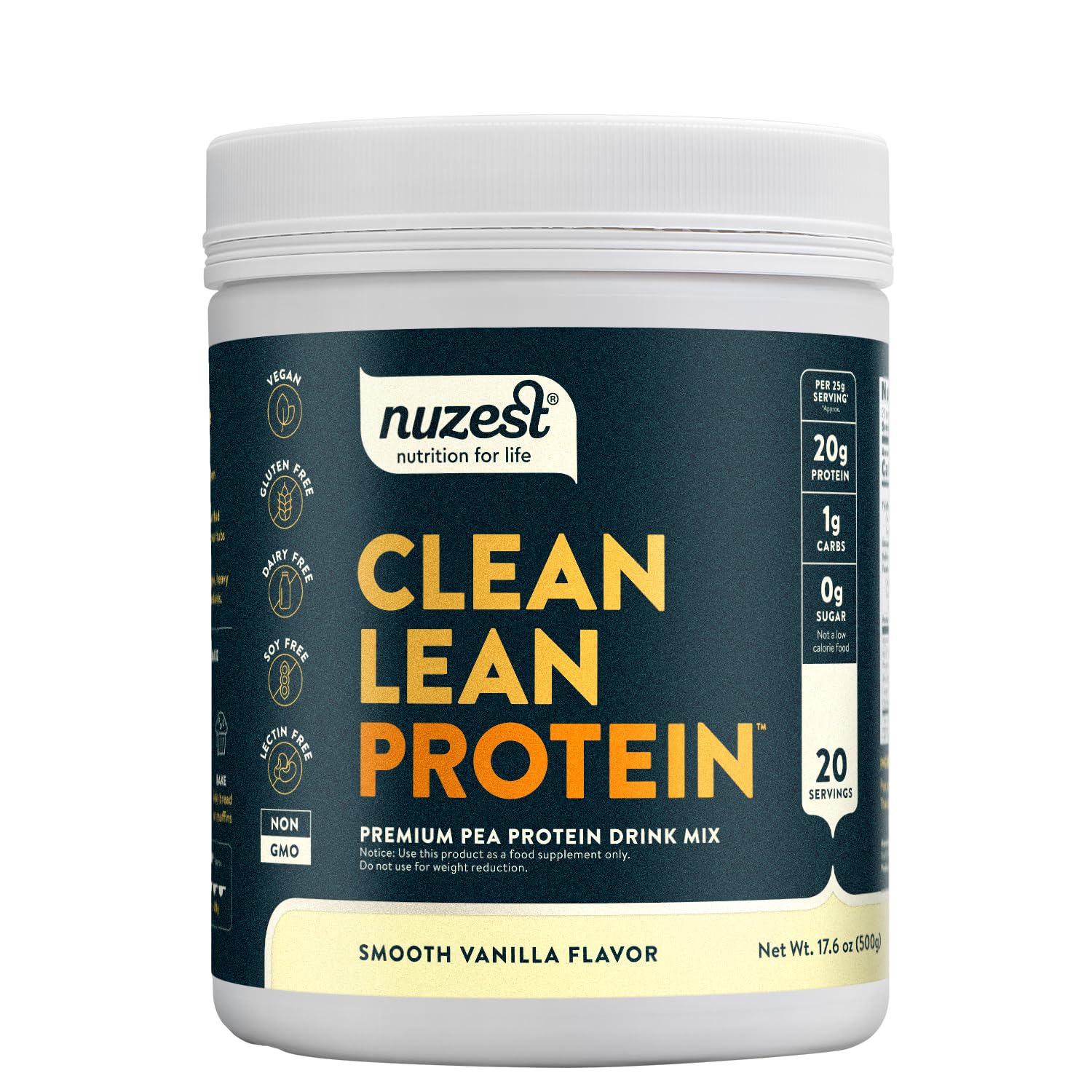
Nuzest uses European golden peas and a gentle water-based isolation process that retains the natural amino acid structure while keeping sodium levels nearly untraceable. The Smooth Vanilla flavor is sweetened with Thaumatin, a natural plant-derived protein that does not spike blood sugar or add sodium. With a claimed 98% digestibility rating, this is one of the most bioavailable pea proteins on the market.
The powder is free from all major allergens — no lactose, gluten, soy, lectins, or gums — making it suitable for elimination diets and sensitive systems. At 20 grams of protein per 100-calorie serving, it is also one of the leanest options, with less than 1 gram of carbs per scoop. Mixing is smoother than most pea isolates, though a shaker bottle alone will still leave trace grit; a personal blender produces a silky result.
The premium price is the main barrier, but you are paying for a genuinely clean processing method and a short ingredient deck. For the low-sodium buyer who also wants zero sugar and zero fillers, Nuzest is a top-tier pick. The smaller tub size (20 servings) means more frequent repurchases, but the quality justifies the rotation.
Why it’s great
- Water-based extraction avoids chemical processing and sodium
- Natural thaumatin sweetener with no artificial aftertaste
- High digestibility reduces GI stress
Good to know
- Premium price point per serving
- Smaller tub lasts only 20 servings
7. NutriBiotic Certified Organic Rice Protein (Plain)

NutriBiotic offers a radically different approach: a single-ingredient organic sprouted brown rice protein with no chemicals used in processing at any stage. The protein content hits 80% by weight, and the plain flavor means zero added sodium, zero sweeteners, and zero natural flavors. For anyone allergic to peas or looking for a rotation protein, this is a legitimate hypoallergenic alternative.
The texture is the biggest adjustment — it is gritty and does not dissolve fully in cold water. A high-speed blender or a few minutes of vigorous shaking are required to achieve a drinkable consistency. Users who stick with it learn to add cinnamon, cocoa, or a splash of juice to improve the palatability, but it is not a grab-and-go shake. The upside is absolute purity: this is as close to raw rice protein as you can buy commercially.
For the low-sodium tracker, this is arguably the cleanest option in the entire lineup because nothing is added. The 3-pound container offers good volume, and the certification extends to organic and kosher standards. If you can tolerate the texture and prefer an unflavored rice base to pea, NutriBiotic earns its spot as the dark-horse contender.
Why it’s great
- Zero sodium and zero additives — just organic rice protein
- Hypoallergenic for those allergic to peas or soy
- 80% protein content is impressive for a whole-food source
Good to know
- Gritty texture and acquired taste require blending
- Plain flavor needs additional ingredients to taste good
FAQ
Is all pea protein powder naturally low in sodium?
Can a plant-based protein powder have zero sodium?
Final Thoughts: The Verdict
For most users, the best low sodium plant based protein powder winner is the Nutricost Organic Pea Protein because it delivers 20 grams of pure organic isolate per scoop with near-zero sodium, comes in a 5-pound bulk tub, and lets you control every additive yourself. If you want a flavored option with high amino acid density, grab the NOW Sports Pea Protein. And for sensitive digestion with minimal bloating, nothing beats the Nutrasumma Fermented Pea Protein.