The difference between a truly great matcha latte and a chalky, bitter disappointment often comes down to a single factor: the grade and origin of the powder itself. Sourcing a vibrant, smooth blend that delivers on both taste and value requires navigating a sea of labels claiming “ceremonial” or “premium” status.
I’m Mohammad Maruf — the founder and writer behind AirfryerBite. I’ve spent countless hours cross-referencing harvest regions, particle fineness, and oxidation markers to separate authentic, high-quality matcha from overpriced impostors.
Whether you’re a seasoned tea drinker or just starting your ritual, this guide breaks down the key specs and real-world flavors to help you find the best matcha tea for your daily cup without falling for marketing fluff.
How To Choose The Best Matcha Tea
Choosing a matcha powder is not about picking the most expensive tin. It’s about matching the harvest quality, grind fineness, and intended use — ceremonial sipping versus daily lattes versus baking — to your own palate and routine. A genuinely smooth matcha will have a sweet, grassy aroma and a vivid, almost neon-green hue, not a dull olive tone.
Ceremonial vs. Culinary Grade
Ceremonial grade uses only the youngest, shaded first-harvest leaves, stone-ground into an ultra-fine powder that dissolves smoothly with minimal clumping. This grade is ideal for drinking straight with water (usucha). Culinary grade, while still authentic, uses later harvests and is slightly coarser, making it perfect for lattes, smoothies, and baking where the flavor blends with other ingredients. A bag labeled “culinary” can be a better value if you’re mixing it with milk or sweeteners.
Origin and Harvest Season
Matcha’s terroir matters. Uji (Kyoto) and Yame (Fukuoka) are the two most celebrated regions in Japan, each producing a distinct flavor profile — Uji offers a deeper, more umami-rich body, while Yame tends toward a brighter, naturally sweeter taste. First harvest (first flush) leaves have the highest concentration of L-theanine, delivering the signature smooth, non-bitter mouthfeel. Always check the product origin and look for “first harvest” or “first flush” descriptors on the pack.
Freshness and Packaging
Once matcha is ground, it begins to oxidize and lose its vibrant green color and delicate flavor. A high-quality matcha will come in an airtight, opaque container — either a tin or a resealable foil pouch — that blocks light and moisture. Avoid any seal that feels loose or uses a clear window. After opening, store the pouch in a refrigerator and aim to use the powder within 30 to 60 days for peak freshness and that vivid green signature.
Quick Comparison
On smaller screens, swipe sideways to see the full table.
| Model | Category | Best For | Key Spec | Amazon |
|---|---|---|---|---|
| Naoki Matcha Fragrant Yame Blend | Ceremonial | Daily straight drinking | 40g / 1.4 oz first harvest Yame | Amazon |
| Kiyo Matcha Classic Grade Hatsumukashi | Ceremonial | Beginners exploring usucha | 40g / 1.41 oz Uji first harvest | Amazon |
| Jade Leaf Culinary Grade | Culinary | Lattes and baking | 100g / 3.53 oz resealable pouch | Amazon |
| FGO Organic Matcha Latte | Culinary Blend | Ready-to-mix sweetened lattes | 16 oz bulk bag with cane sugar | Amazon |
| HANDPICK Japanese Organic | Culinary | Budget everyday matcha | 3.53 oz resealable ziplock pouch | Amazon |
In-Depth Reviews
1. Naoki Matcha Fragrant Yame Blend
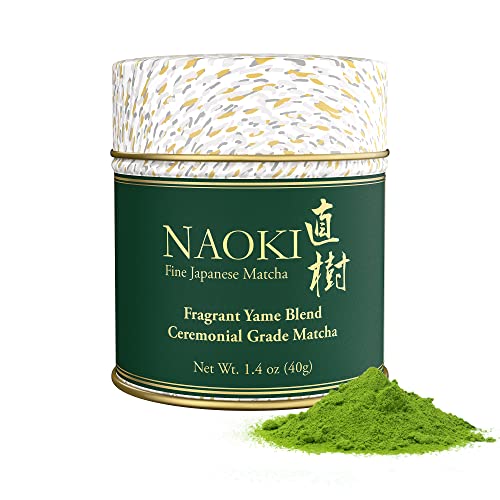
The Naoki Matcha Fragrant Yame Blend earned a Silver award in a Japanese national tea competition, and the quality shows in every sip. Sourced from the Yame region of Fukuoka, this ceremonial grade first-harvest powder delivers a naturally sweet, buttery flavor with creamy notes and an incredibly smooth finish that has virtually zero bitterness. The vibrant green color and fine stone-ground consistency make it easy to whisk into a frothy usucha without any clumping.
This blend is specifically designed for drinking straight with just water, allowing the natural sweetness to shine. Reviewers consistently note the rich, creamy mouthfeel and the absence of the harsh, chalky aftertaste found in lower-grade powders. The 40g tin is packaged in an airtight container that preserves freshness, though the unit count is smaller than bulk culinary options, making it a premium choice for daily sipping rather than high-volume mixing.
For intermediate drinkers who want to elevate their appreciation of straight matcha without the intimidation of ultra-expensive tins, this is the ideal daily driver. The silver award pedigree and the Yame terroir’s signature brightness make it a standout pick that holds its own against older, larger tea houses.
Why it’s great
- Award-winning sweet and buttery flavor profile with minimal bitterness
- Ultra-fine stone-ground texture that froths effortlessly without sifting
- Authentic first harvest Yame origin ensures a fresh, vibrant green hue
Good to know
- Relatively small 40g tin may require frequent reordering for heavy daily drinkers
- Premium-tier pricing makes it less suitable for bulk latte batches
2. Kiyo Matcha Classic Grade Hatsumukashi

Kiyo’s Classic Grade Hatsumukashi bridges the gap between premium quality and everyday accessibility. Sourced from Uji, Japan’s most famous matcha region, this ceremonial grade first-harvest powder delivers the classic Uji profile: a balanced blend of umami, mild sweetness, and a pleasant astringency that matcha purists appreciate. The powder is shade-grown, hand-picked, and stone-ground in small batches to maintain its bright green color and smooth mouthfeel.
Customer reviews highlight its versatility — it performs well as usucha, cold brew, or blended into lattes without turning bitter. Many first-time matcha drinkers found it an excellent entry point because the flavor is complex enough to educate the palate but not so intense that it overwhelms. The airtight pull-top can and sealed inner bag preserve the powder’s freshness, and the 40g size is a manageable introduction for those still exploring their preferences.
The only caution is that the “Classic Grade” label sits below “Premium” within the Kiyo line, so drinkers who want an ultra-smooth, zero-astringency experience may find it slightly more assertive than the Fragrant Yame Blend. For the price, however, it is one of the highest-quality ceremonial-grade options available to beginners looking to taste the real difference between Uji ceremonial and generic culinary powder.
Why it’s great
- Authentic Uji first harvest provides a genuine ceremonial experience at a mid-range price
- Balanced umami with mild astringency, ideal for learning matcha tasting notes
- Versatile enough for usucha, cold brew, and lattes without bitterness
Good to know
- Some drinkers may find the astringency level higher than fully premium ceremonial blends
- Small 40g tin is best for individual use rather than high-volume household consumption
3. Jade Leaf Culinary Grade Matcha

The Jade Leaf Culinary Grade Matcha is the most volume-efficient option for daily latte drinkers and home bakers. The 100g (3.53 oz) resealable pouch provides approximately 50 full-sized lattes or up to 100 traditional usucha servings, making it the most cost-effective choice per gram for those who go through matcha quickly. Sourced from family tea farms in Uji and Kagoshima, Japan, it is USDA Organic certified with no added sweeteners.
Users consistently praise its smooth mixing properties — it blends easily into almond milk and hot water without excessive clumping, and the flavor profile is described as rich and vibrant with no bitter aftertaste. The L-theanine content delivers the calm, focused energy that matcha enthusiasts seek without the jitters associated with coffee. The resealable foil pouch with a zip closure helps maintain freshness, though some users recommend transferring to an airtight tin after opening if clumping occurs in humid environments.
The culinary grade designation means this powder uses later harvest leaves, so it is slightly coarser than ceremonial grades and may not produce the same velvety texture when whisked with water alone. For lattes, smoothies, and baking, however, it is an outstanding performer that delivers real Japanese matcha quality at a price that makes daily consumption practical.
Why it’s great
- Large 100g pouch yields up to 100 servings, offering excellent per-cup value
- USDA Organic from authentic Japanese farms with no added sugar
- Mixes smoothly in milk and water without gritty residue
Good to know
- Culinary grade is slightly coarser and less vibrant than ceremonial-grade options
- Pouch may need transfer to an airtight container to prevent clumping in humid climates
4. FGO Organic Matcha Latte Powder
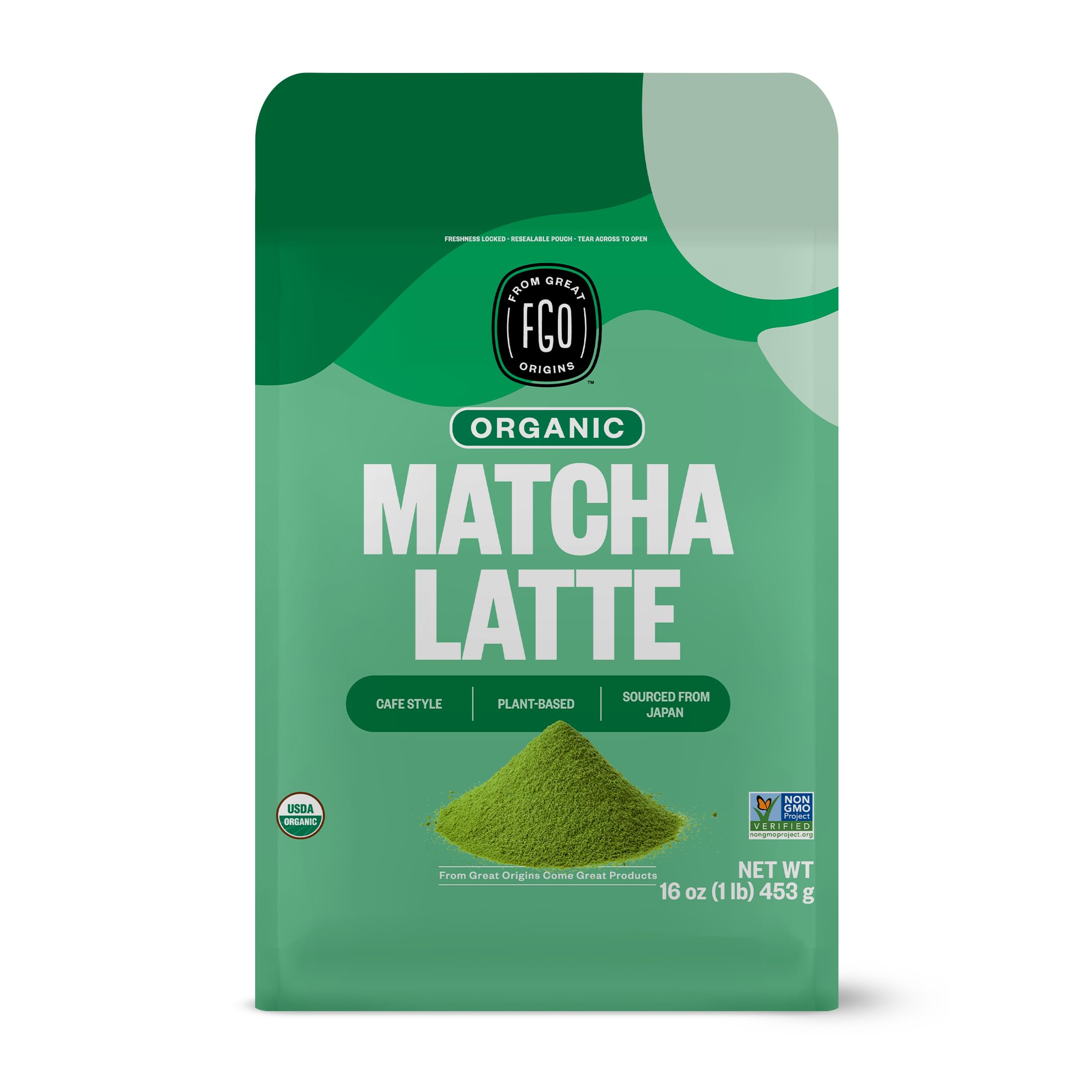
The FGO Organic Matcha Latte Powder is designed for convenience: it is a pre-blended mix of organic Japanese matcha and organic Brazilian cane sugar, intended to be stirred directly into hot milk for an instant café-style latte at home. The 16-ounce bulk bag is massive — far larger than any ceremonial tin — and is formulated to mimic the sweetness level of a coffee-shop matcha latte, which many customers report as tasting close to Starbucks.
The blend contains 9 grams of added cane sugar per serving, which makes it sweet and smooth but also adds 40 calories per cup. Reviewers appreciate the long-lasting energy without jitters and the fact that it replaces a – coffee shop purchase with a home-made cup. The powder mixes well in almond milk and hot water, though some users noted that the color of the powder varied between batches, with the second bag appearing a bit duller, suggesting inconsistency in the matcha quality itself.
Because this is a sweetened blend, it is not suitable for traditional usucha preparation or for anyone who wants to control their sugar intake. If your goal is a grab-and-drink latte without measuring separate sweeteners, this bag delivers unbeatable convenience and volume. For purists who want to taste the tea itself, an unsweetened culinary or ceremonial grade is a better fit.
Why it’s great
- Largest serving size at 16 ounces — ideal for daily latte drinkers
- Pre-sweetened formula eliminates the need for separate sugar or honey
- Smooth, non-bitter flavor that matches popular café chains
Good to know
- Contains 9g added cane sugar per serving, limiting diet flexibility
- Batch color inconsistency reported by long-term users
5. HANDPICK Japanese Organic Matcha
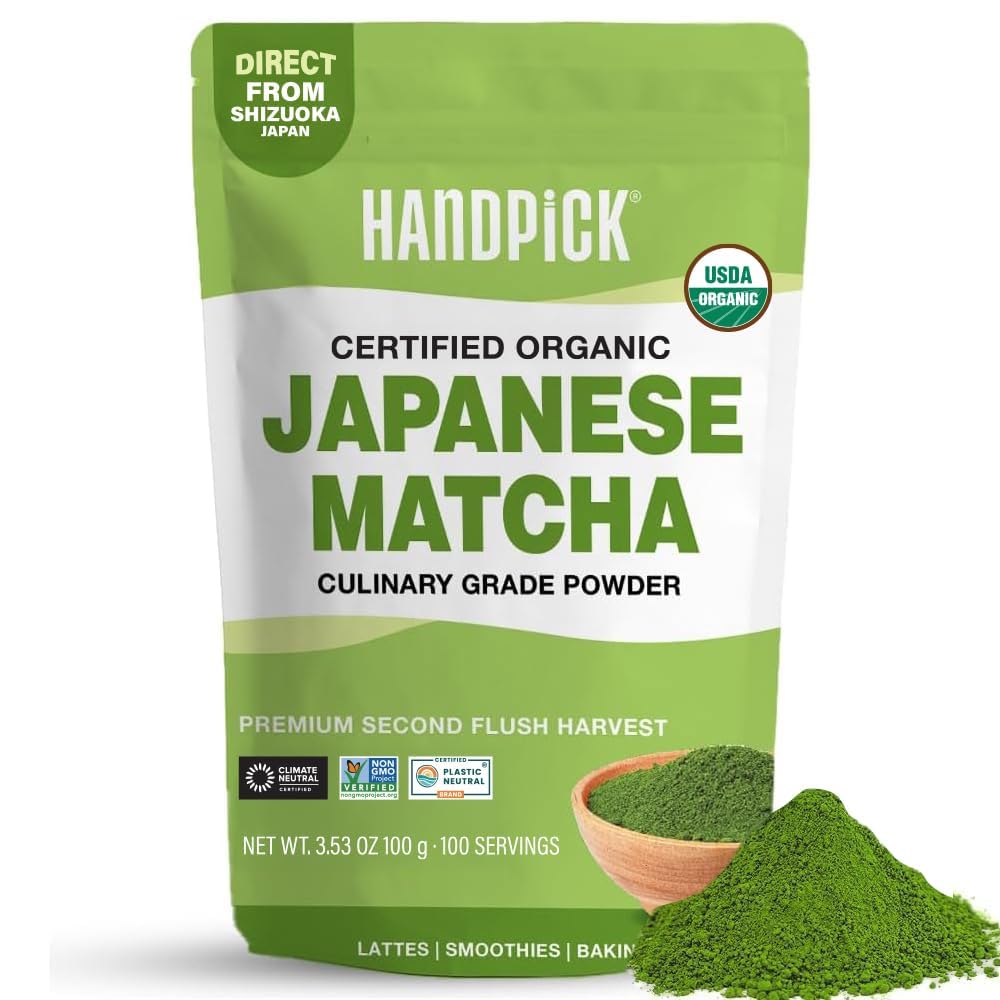
The HANDPICK Japanese Organic Matcha Green Tea Powder positions itself as a budget-friendly entry point for matcha newcomers. This 3.53-ounce resealable ziplock pouch offers a substantial 100 servings, and the organic, Non-GMO verified certification provides a quality baseline that many basic grocery-store powders lack. The shade-grown leaves are hand-picked and stone-ground to a powder that produces a vibrant green color and an earthy, slightly sweet flavor profile.
Customer feedback is remarkably positive, with many users reporting that the bag lasts two to five months with daily use and that the taste is smooth and not chalky when prepared properly. Several reviews directly compare its value to more expensive brands, claiming no discernible difference in taste. The resealable ziplock pouch is practical for everyday access, though unlike a tin, it may not block light as effectively over long periods, so storing the bag inside a dark pantry or transferring the powder to an airtight container is wise.
The powder is moderately fine but may require more vigorous whisking or a traditional bamboo whisk (chasen) to fully dissolve without clumps, especially in cold milk. For those seeking the lowest entry cost per serving to test whether matcha fits their lifestyle, HANDPICK offers a solid, organic-certified starting point without locking them into a premium price commitment.
Why it’s great
- Lowest per-serving cost among all products in this guide
- Organic, Non-GMO verified with no added preservatives
- Light, earthy flavor that satisfies daily latte and baking needs
Good to know
- Ziplock pouch does not block light as well as a tin can
- May require more effort to whisk smoothly compared to finer ceremonial powders
FAQ
What does “first harvest” or “first flush” mean on a matcha label?
Can I use ceremonial grade matcha for baking and lattes?
Why is my matcha clumping and not dissolving smoothly?
Final Thoughts: The Verdict
For most drinkers, the best matcha tea winner is the Naoki Matcha Fragrant Yame Blend because its award-winning sweetness and ultra-fine ceremonial-grade texture deliver the purest straight-drinking experience without the bitterness that turns newcomers away. If you want a large-volume option for daily lattes, grab the Jade Leaf Culinary Grade for its unbeatable per-cup value and smooth mixing. And for the most budget-friendly entry into organic matcha, nothing beats the HANDPICK Japanese Organic pouch.