Moving a toddler from infant formula to a nutritious milk drink is one of the most important food transitions you will manage in the early years, yet the shelf of powdered options can feel overwhelming when you are weighing dairy tolerance, protein density, and added nutrient profiles side by side.
I’m Mohammad Maruf — the founder and writer behind AirfryerBite. I have spent years analyzing the nutritional specifications, ingredient sourcing, and real-world feeding patterns behind toddler nutrition products, helping parents cut through marketing clutter to find what actually matters for their child’s growth.
This guide breaks down the specific specs, protein content, fat sources, and additive profiles that define the true options for the best powdered milk for toddlers on the market today.
How To Choose The Best Powdered Milk For Toddlers
Not all powdered toddler drinks are created equal. Some are designed as complete nutritional supplements meant to fill gaps left by picky eating, while others are simply dehydrated whole milk with added vitamins. Knowing the difference is the first step toward a smart choice for your child’s specific needs.
Protein Source and Digestibility
The base protein — whether cow whey, goat A2 casein, oat protein, or camel milk — determines how gentle the powder sits on a developing digestive system. Goat and camel milk powders offer smaller fat globules and lower A1 casein content, which can reduce gas and discomfort for sensitive toddlers. Plant-based options like oat formula are naturally lactose-free and rely on prebiotics to support gut flora, making them ideal when dairy is off the table entirely.
Nutrient Fortification Beyond Standard Milk
Whole milk powder alone lacks the targeted brain and bone supports that a transitioning toddler benefits from most. Look for added DHA from algal oil (not fish oil to avoid taste issues), choline for neural development, iron to prevent toddler anemia, and prebiotic fibers like inulin or GOS. The best products list these nutrients with specific milligram amounts — vague “vitamin blend” wording is a red flag.
Added Sugars, Fillers, and Allergen Transparency
Many flavored toddler powders pack surprising sugar content that can train a child toward sweet cravings early. Prioritize options with zero added sugar — sweetened only with monk fruit or organic vanilla extract if flavor is included. Check for soy oil, palm oil, and artificial preservatives; clean labels list every ingredient by name and avoid proprietary “natural flavors” that mask allergens. Non-GMO and organic certifications add another layer of safety for daily use.
Quick Comparison
On smaller screens, swipe sideways to see the full table.
| Model | Category | Best For | Key Spec | Amazon |
|---|---|---|---|---|
| Enfagrow Premium Toddler Drink | Dairy Supplement | Transitioning from infant formula | 26mg DHA + 6g protein per serving | Amazon |
| POWkids Protein Shake | Protein Supplement | Picky eaters needing extra protein | 16g grass-fed whey + choline per serving | Amazon |
| Haven Oat Toddler Formula | Plant-Based | Dairy-free / plant-based families | Prebiotics + probiotics + algal DHA | Amazon |
| Meyenberg Whole Goat Milk | Goat Milk | Gentle digestion, A2 casein profile | 7g protein per cup, 5x smaller fat particles | Amazon |
| WonderGoat Organic Goat Milk | Organic Goat Milk | Organic/non-GMO priority families | Grass-fed, lower lactose, A2 protein | Amazon |
| Red Cow Full Cream Milk | Whole Dairy Powder | Budget-friendly whole milk replacement | Enriched with Vitamins A & D | Amazon |
| Desert Farms Camel Milk | Specialty Allergen-Free | Severe dairy/soy allergies | Paleo/Keto certified, allergen-free | Amazon |
In‑Depth Reviews
1. Enfagrow Premium Toddler Milk Nutritional Drink, Vanilla
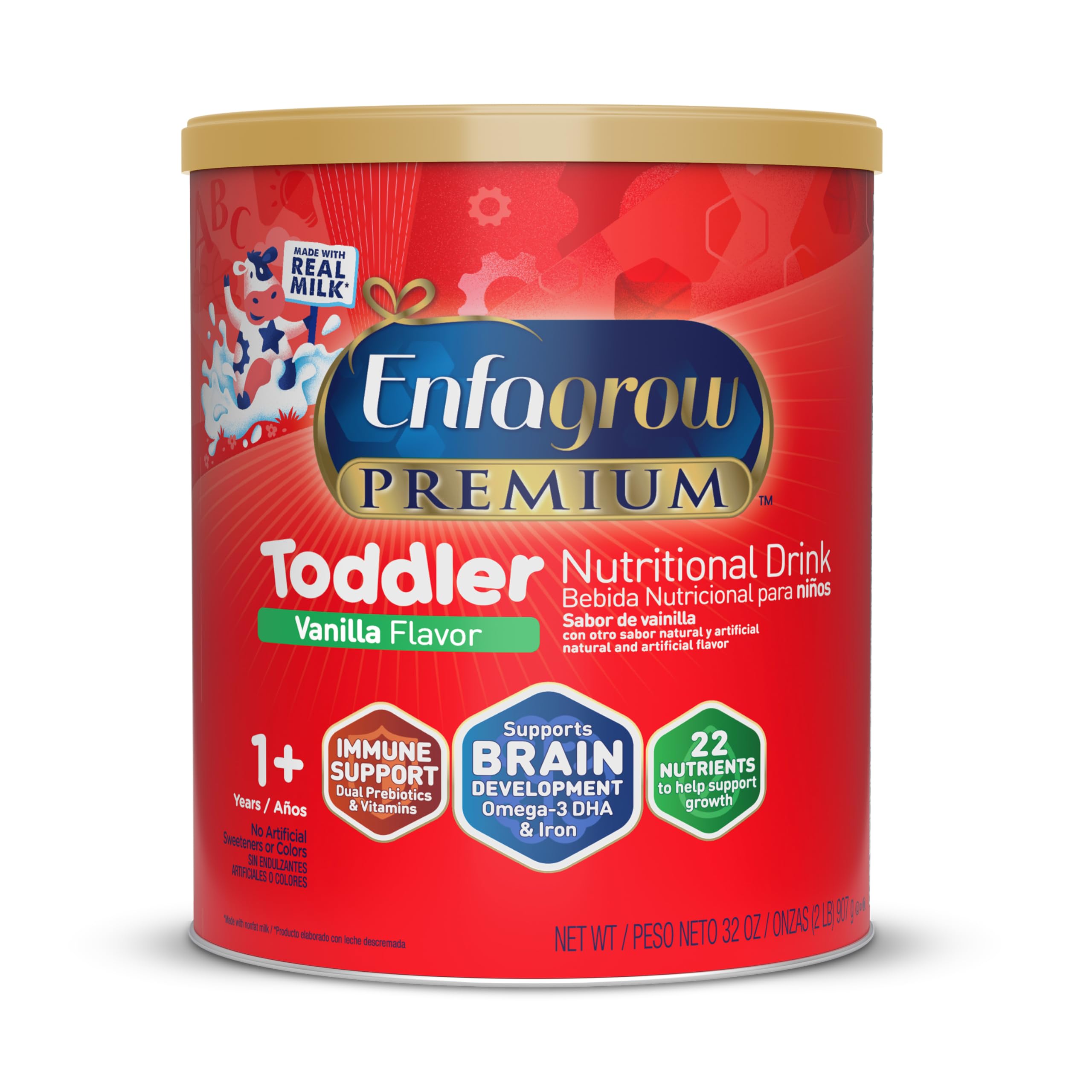
Enfagrow is the closest direct-line successor to infant formula that parents will find in a powdered toddler drink. Each serving delivers 6 grams of protein from real milk, 26 milligrams of DHA for continued brain development, plus iron and 19 other key nutrients that specifically target the 1-3 year old window. Prebiotics for digestive support are built into the blend, which helps ease the transition when a toddler’s gut is still adapting to whole foods.
The vanilla flavor keeps sugar lower than competing pediatric drinks — parents report that toddlers who rejected Pediasure switched to Enfagrow without complaint. The powder mixes readily in a cup or bottle with no clumping, and the 32-ounce can offers a solid week-plus of servings for one child. It is designed as a nutritional supplement, not a meal replacement, so it works best alongside solid food.
Mothers who used Enfamil infant formula will recognize the nutritional philosophy here: targeted fortification without overcomplicating the ingredient deck. The product is not organic and uses conventional milk, but the absence of added sugar and artificial flavors keeps it clean relative to other flavored toddler drinks.
Why it’s great
- Designed specifically for 1-3 year old nutritional gaps
- Real milk base with prebiotics for digestion
- Lower sugar than most pediatric supplement drinks
Good to know
- Not organic / uses conventional dairy milk
- Flavored — not suitable if you want unflavored powder
2. POWkids Kids Protein Shake Powder, Vanilla
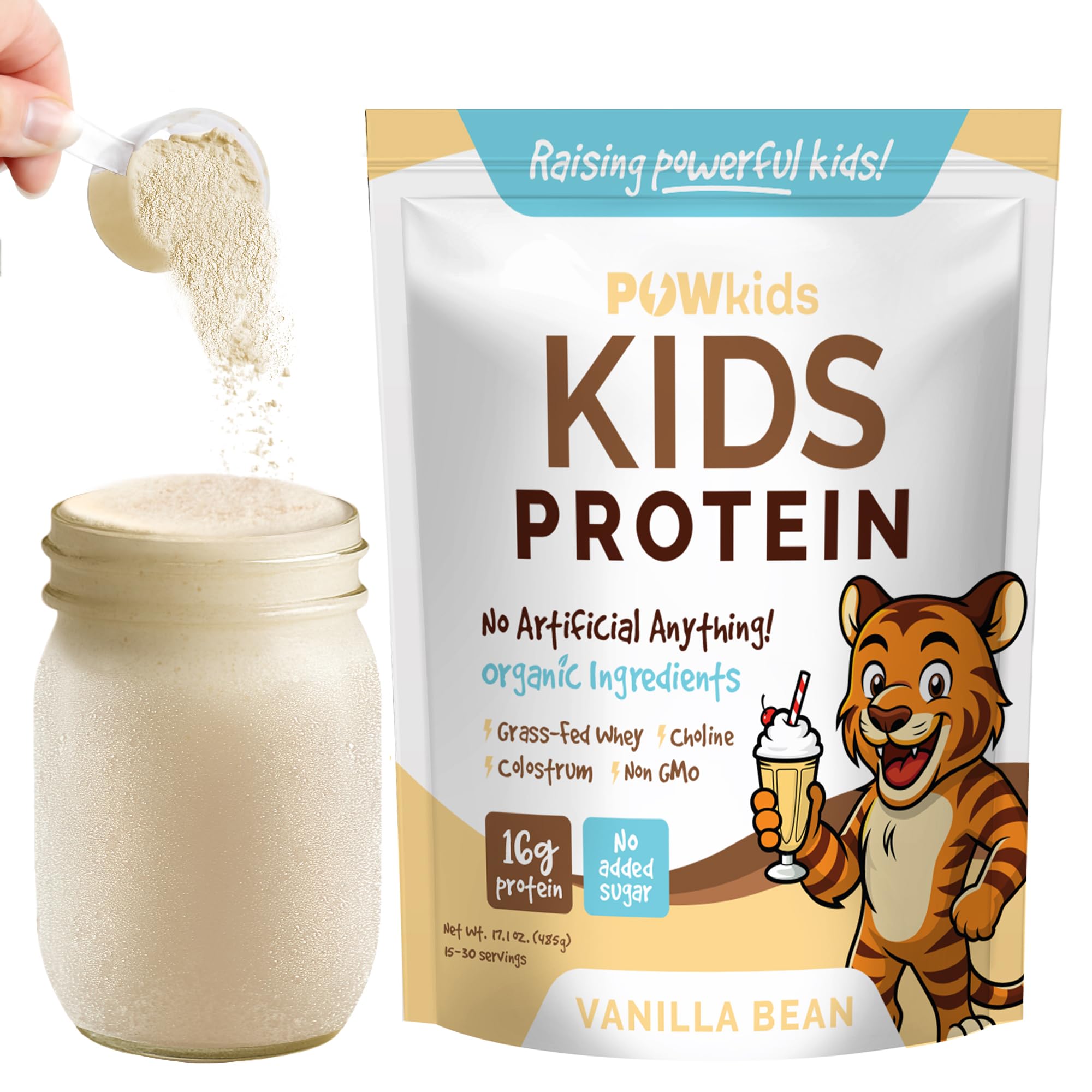
POWkids takes a different angle from standard toddler milk powders — it is a high-protein supplement designed for picky eaters who struggle to get enough calories and muscle-building nutrients. Each serving delivers a hefty 16 grams of grass-fed whey protein, which is more than double most toddler drinks, alongside choline specifically included for brain development and nervous system support. The sweetening comes from monk fruit and organic vanilla extract, producing a flavor that multiple reviewers confirm even finicky children accept readily.
The texture is a differentiator here: parents note that the powder mixes smoothly in a shaker cup with milk or water, leaving no chalky residue or graininess that often kills acceptance with kids. The inclusion of calcium and vitamin D for bone strength rounds out the profile for active toddlers who need the extra fuel. It is worth noting that this is not a meal replacement — the protein density is high, so it works best as a between-meal supplement or post-activity recovery drink.
The packaging has a notable flaw: theresealable closure is weak, and several users report needing to transfer the powder to a separate airtight container or ziplock bag to preserve freshness. If you can manage storage, the nutritional density is unmatched in this category for families dealing with a child who simply refuses to eat enough solid protein.
Why it’s great
- 16g grass-fed whey protein — highest in this comparison
- No added sugar, sweetened with monk fruit
- Choline supports brain development
Good to know
- Bag reseal closure is weak; needs separate storage
- Not a complete meal replacement — supplement only
3. Haven Oat Toddler Formula, Plant Based Dairy Free
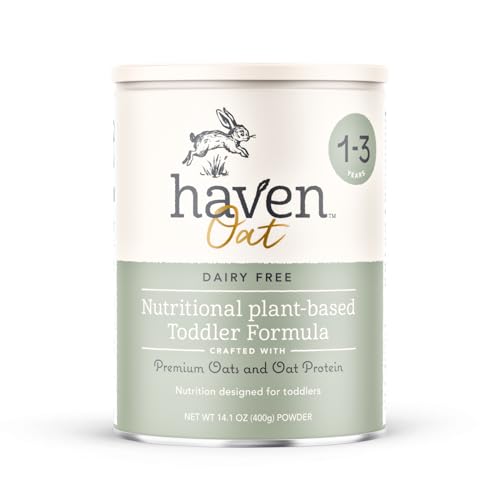
Haven is one of the few plant-based powders formulated specifically for the 1-3 year old demographic, using oat protein sourced from USA-grown oats as its base instead of soy or pea protein that can cause gas. The formula includes both prebiotics and probiotics for digestive balance, plus DHA from marine algae and lutein — two nutrients frequently absent from standard toddler milk powders. Parents transitioning from dairy-free infant formula report that the taste is noticeably better than competing plant options, with no chalky aftertaste.
The powder has a slightly denser texture than milk-based alternatives; the manufacturer recommends shaking for a full 15 seconds to achieve a smooth consistency. It is free of palm oil, soy oil, fish oil, added sugar, and artificial ingredients, making it one of the cleanest formulations in this roundup. The 14.1-ounce can is on the smaller side — parents note it goes quickly with a toddler drinking two servings per day, and some express interest in a larger size option.
This is the strongest choice for families committed to a plant-based diet or managing a confirmed dairy sensitivity. The American-made sourcing and traceable ingredient chain add confidence, though the price per ounce is higher than conventional dairy powders. The nutrient profile is solid but naturally lower in protein than whey-based options, which is a trade-off to accept for the dairy-free benefits.
Why it’s great
- Plant-based, dairy-free with oat protein
- Includes probiotics, prebiotics, and algal DHA
- No added sugar, palm oil, or soy oil
Good to know
- 14.1-ounce can is small for daily use
- Lower protein density than dairy-based options
4. Meyenberg Whole Powdered Goat Milk, 16 Oz (Pack of 3)
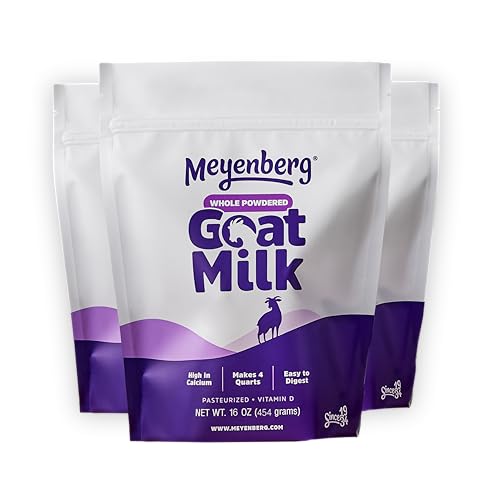
Meyenberg is a well-established name in goat milk, and this whole powdered version delivers 7 grams of protein per cup with fat particles that are roughly five times smaller than cow milk — a structural difference that often makes goat milk significantly easier for sensitive toddlers to digest. The A2 casein profile is naturally lower in A1 beta-casein, which some researchers associate with reduced gastrointestinal discomfort. Parents report that toddlers who experienced gas or fussiness with cow milk formula transition smoothly to this goat milk powder.
The taste is creamy with a mild “goaty” note that most children accept readily, especially when mixed cold. The powder blends smoothly using a blender or shaker, and the pack of three 16-ounce cans provides a solid supply for daily use. Importantly, this is whole milk powder with no added sugar, artificial flavors, or preservatives — just pure pasteurized goat milk in shelf-stable form. The ingredient list is essentially one item, which is appealing for parents seeking minimal processing.
One practical consideration: the price is notably higher than cow milk powder, and the 7 grams of protein is below what some fortified toddler formulas offer. If your child needs extra DHA, iron, or choline, you would need to supplement separately. However, for a simple, clean goat milk powder that supports gentle digestion, Meyenberg is the reference standard.
Why it’s great
- 5x smaller fat particles for easier digestion
- Pure goat milk — no additives or sugar
- High A2 casein, low A1 for sensitive stomachs
Good to know
- No added DHA, iron, or choline
- Higher price per ounce than cow milk powder
5. WonderGoat Organic Goat Milk Powder, 1 Pound
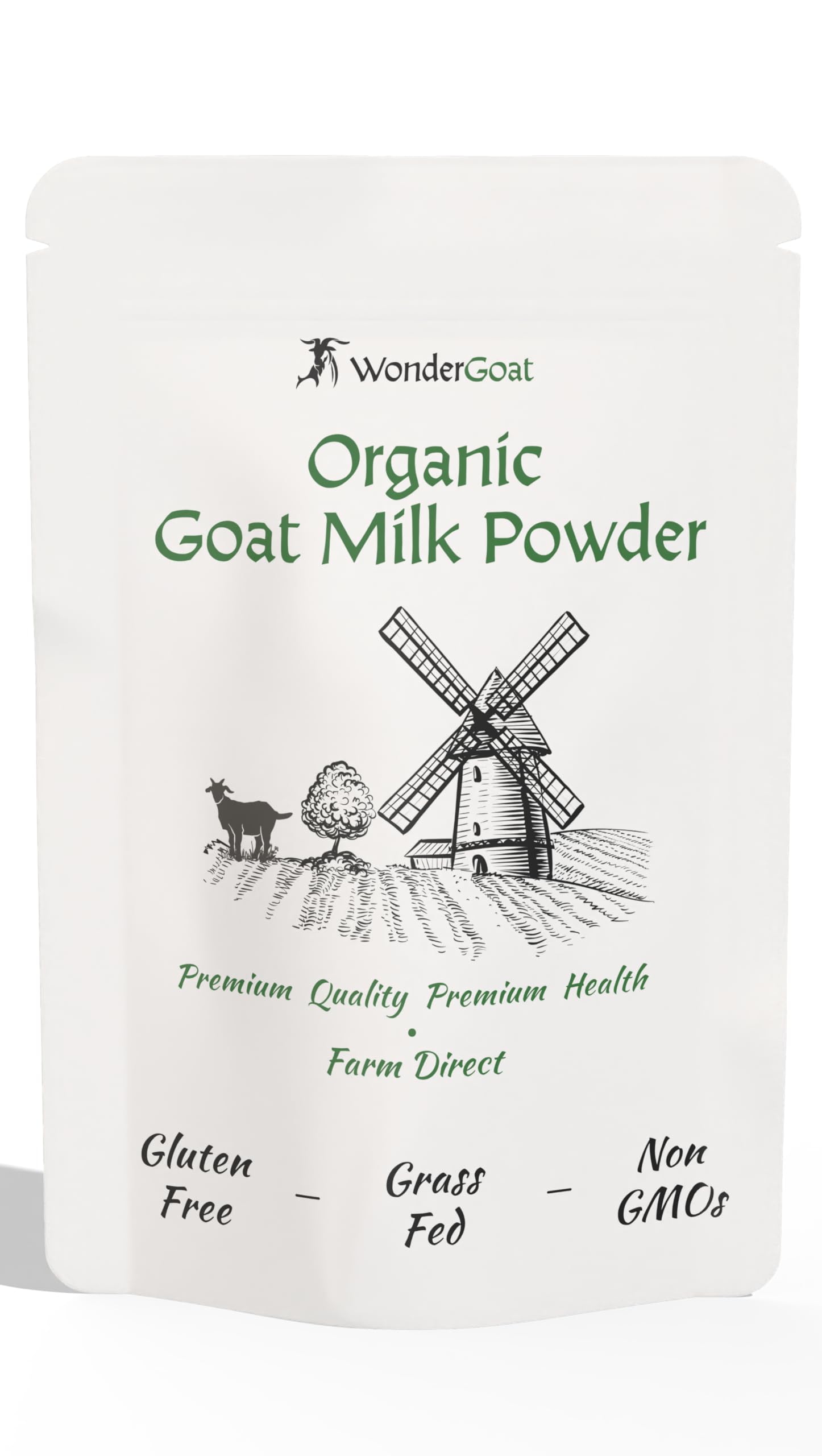
WonderGoat offers the same A2 protein advantages as Meyenberg but adds organic certification, grass-fed sourcing from the Netherlands, and explicit non-GMO labeling — details that matter to parents who prioritize third-party verified purity. The powder is naturally lower in lactose and casein than cow milk, and it dissolves quickly in hot liquids without clumping. Users highlight its smooth blendability in coffee and smoothies, which translates equally well to toddler cups.
The 1-pound bag is smaller than an equivalent cow milk purchase, but the organic grass-fed positioning justifies the premium tier. The flavor is clean with no pronounced goaty aftertaste, and the powder works well for making homemade yogurt or adding to baked goods if you want to stretch its use beyond drinking. The gluten-free, halal, kosher, and vegetarian certifications make it broadly acceptable across dietary frameworks.
The main limitation is availability — multiple reviewers note that this product frequently goes out of stock, which creates a reliability issue if you depend on it as your toddler’s primary milk source. It also lacks the targeted fortifications (DHA, iron, prebiotics) that complete toddler formulas include, so it is best viewed as a high-quality organic milk powder rather than a comprehensive toddler nutritional drink.
Why it’s great
- 100% grass-fed, organic, non-GMO
- Naturally lower lactose and casein
- Mixes smoothly with no clumping
Good to know
- Frequent out-of-stock issues
- No DHA, iron, or prebiotic fortification
6. Red Cow Full Cream Milk Powder, 2.5 Kg
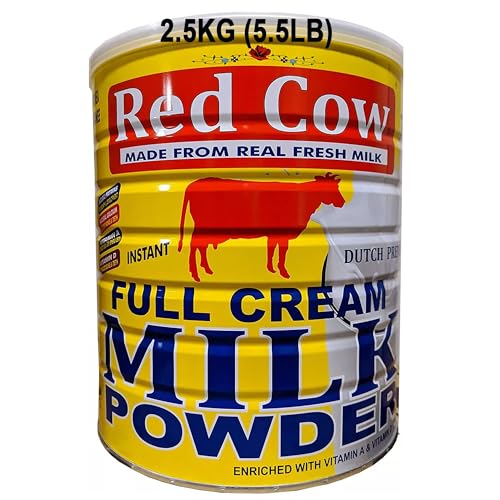
Red Cow is a straightforward full cream milk powder from the Netherlands, enriched with vitamins A and D, with zero trans fat and no added color, flavor, preservatives, or sodium. The 2.5-kilogram (88-ounce) metal can is the largest volume option in this comparison, making it the most economical choice per serving for families who simply want shelf-stable whole milk powder without any nutritional gimmicks. The 1:1 mix ratio with lukewarm water produces a reconstituted milk that reviewers describe as tasting noticeably better than standard grocery store powdered milk.
This product is not a toddler formula — it lacks DHA, prebiotics, iron, and the other targeted nutrients that developmental specialists recommend for the 1-3 year old window. It is whole cow milk powder, period. Parents using it as a primary milk source would need to ensure their toddler gets those additional nutrients through food or separate supplements. The taste is richer than skim milk powder, and the instant mixability reduces clumping compared to budget brands.
The biggest practical concern is the absence of toddler-specific fortification. If your child eats a varied diet with adequate iron, DHA, and fiber sources, Red Cow works well as an affordable daily milk. But if you rely on the milk drink to fill nutritional gaps, this is not the right choice. The large can size also means you need to use it within a reasonable window once opened to maintain freshness.
Why it’s great
- Best value per ounce — largest can size
- Zero trans fat, no added sugar or preservatives
- Better taste than standard grocery powdered milk
Good to know
- No DHA, iron, prebiotics, or toddler fortification
- Whole cow milk — not suitable for dairy sensitivities
7. Desert Farms Organic Whole Camel Milk Powder, 200g
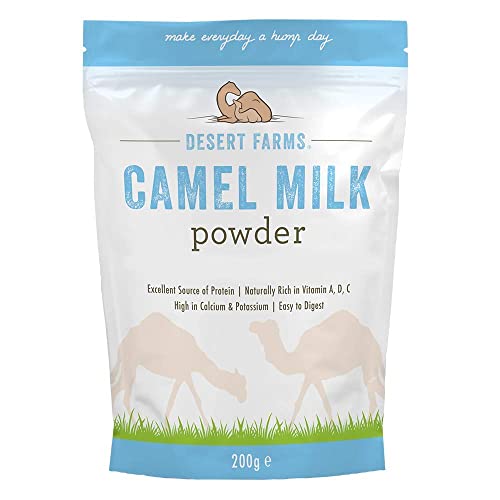
Desert Farms camel milk powder occupies a unique niche in the toddler milk category: it is the go-to option for children with severe dairy allergies, soy intolerance, or multiple food sensitivities. Camel milk is structurally different from both cow and goat milk — it lacks beta-lactoglobulin, a common whey allergen, and is naturally lower in lactose while offering a different protein profile that some children tolerate when all other dairy fails. The powder is third-party certified Paleo and Keto, non-GMO, and free from gluten, soy, wheat, and nuts.
The taste is subtly salty and smooth, distinct from cow milk but not unpleasant. Parents using camel milk as part of an allergy program report that their children accept it readily in smoothies and cereal. The powder mixes well with a brief shake, though the 200-gram package is the smallest in this comparison — at roughly 7 ounces, it will not last long if used as a daily milk source. Several reviewers mention that the product arrived with packaging issues, including compromised seals and obscured expiration dates, which raises concerns for a perishable nutritional product.
This is a specialized solution for a specific need, not a general-purpose toddler milk. The cost per ounce is the highest in the lineup, and the small package size combined with occasional quality-control complaints means it is best suited for families who have confirmed that camel milk works for their child’s unique dietary needs and are willing to pay the premium for that specificity.
Why it’s great
- Naturally free of common dairy and soy allergens
- Third-party Paleo and Keto certified
- Different protein profile for severe sensitivities
Good to know
- Very small 200g package for the price
- Some reported packaging/seal quality issues
FAQ
Is powdered toddler milk as nutritious as fresh whole milk?
Can I use goat milk powder if my toddler has a cow milk allergy?
How long does an opened can of powdered toddler milk stay fresh?
Do I need an organic powdered toddler milk for my child?
Final Thoughts: The Verdict
For most users, the best powdered milk for toddlers winner is the Enfagrow Premium Toddler Drink because it directly addresses the 1-3 year old nutritional gap with real milk, DHA, iron, and prebiotics in a familiar, well-tested formula that toddlers actually drink. If you need high protein density for a picky eater, grab the POWkids Protein Shake. And for a gentle, dairy-free alternative with probiotic support, nothing beats the Haven Oat Toddler Formula in the plant-based category.