Probiotic sodas promise the crisp, satisfying fizz of a soft drink, but they deliver something standard cola never could: active cultures, prebiotic fiber, and zero compromise on your digestive health. Swapping a sugary soda for one that actively supports your microbiome isn’t just a trend—it’s a smarter way to enjoy a cold can on a warm afternoon.
I’m Mohammad Maruf — the founder and writer behind AirfryerBite. I spend my days analyzing functional food labels, comparing CFU counts and sugar content across dozens of gut-health brands, and testing how each can stacks up on taste, fizz, and real ingredient claims.
After combing through customer feedback and nutritional specs on seven top-selling brands, this guide breaks down the probiotic soda market to help you pick the can that fits your taste, your health goals, and your budget.
How To Choose The Best Probiotic Soda
Not every fizzy can labeled “probiotic” delivers live cultures that survive the shelf. When you’re picking a drink for your gut, you need to look past the marketing and focus on a few hard spec points: the strain of probiotics used, whether prebiotic fiber is included to feed those cultures, and the sweetener that makes the taste work without spiking your blood sugar.
CFU Count and Strain Viability
The number of colony-forming units (CFUs) tells you how many live bacteria are in each can at the time of canning. Some brands list billions per serving, but the real question is whether the strain can survive the can’s environment. Bacillus coagulans, for example, is a spore-forming bacterium that resists heat and shelf storage much better than standard probiotic strains. If you want confidence that your drink still works two months after purchase, look for brands that mention stability testing or use spore-based strains.
Sweetener Type and Aftertaste
Probiotic sodas rely on zero-calorie or low-calorie sweeteners to avoid the sugar load of traditional soda. The most common ones are stevia, erythritol, monk fruit, and fruit juice concentrates. Stevia can leave a bitter or licorice-like aftertaste that some people hate. Brands that use a blend of stevia and erythritol (like Cove) or rely entirely on monk fruit (like Wildwonder) often produce a cleaner finish. If you’re sensitive to any artificial-tasting note, check the sweetener section on the ingredient panel before buying a pack.
Prebiotic Fiber Content
Probiotics need food to work, and that food is prebiotic fiber. A drink that includes both probiotics and prebiotics (sometimes called a synbiotic) creates a self-sustaining gut-health effect inside your digestive tract. OLIPOP leads this category with 9 grams of fiber per can, while Wildwonder offers 5 grams. Other sodas like Bloom Pop and Culture Pop skip prebiotic fiber entirely, meaning the probiotics you ingest may not colonize as effectively. If maximizing digestive support is your primary goal, prioritize a can that lists a specific prebiotic fiber amount on the label.
Quick Comparison
On smaller screens, swipe sideways to see the full table.
| Model | Category | Best For | Key Spec | Amazon |
|---|---|---|---|---|
| Cove Prebiotic Soda | Prebiotic Soda | Best Overall zero-sugar profile | 4g fiber, stevia + erythritol | Amazon |
| Wildwonder Probiotic Drink | Pre+Probiotic Drink | Best synbiotic with monk fruit | 1B CFUs + 5g prebiotic fiber | Amazon |
| Humm Probiotic Kombucha | Kombucha | Best traditional kombucha taste | 2B CFUs, vitamin B12 | Amazon |
| OLIPOP Prebiotic Soda | Prebiotic Soda | Best fiber content per can | 9g fiber, 2-5g sugar | Amazon |
| Liquid Remedy Kombucha | Sugar-Free Kombucha | Best zero-sugar kombucha | 30-day brew, native cultures | Amazon |
| Culture Pop Probiotic Soda | Probiotic Soda | Best no-stevia fruit juice sweetened | Billions CFUs, no stevia | Amazon |
| Bloom Pop Prebiotic Soda | Prebiotic Soda | Best entry-level light refreshment | 20 cal, 3g sugar, stevia | Amazon |
In‑Depth Reviews
1. Cove Prebiotic Soda Frozen Favorites Pack
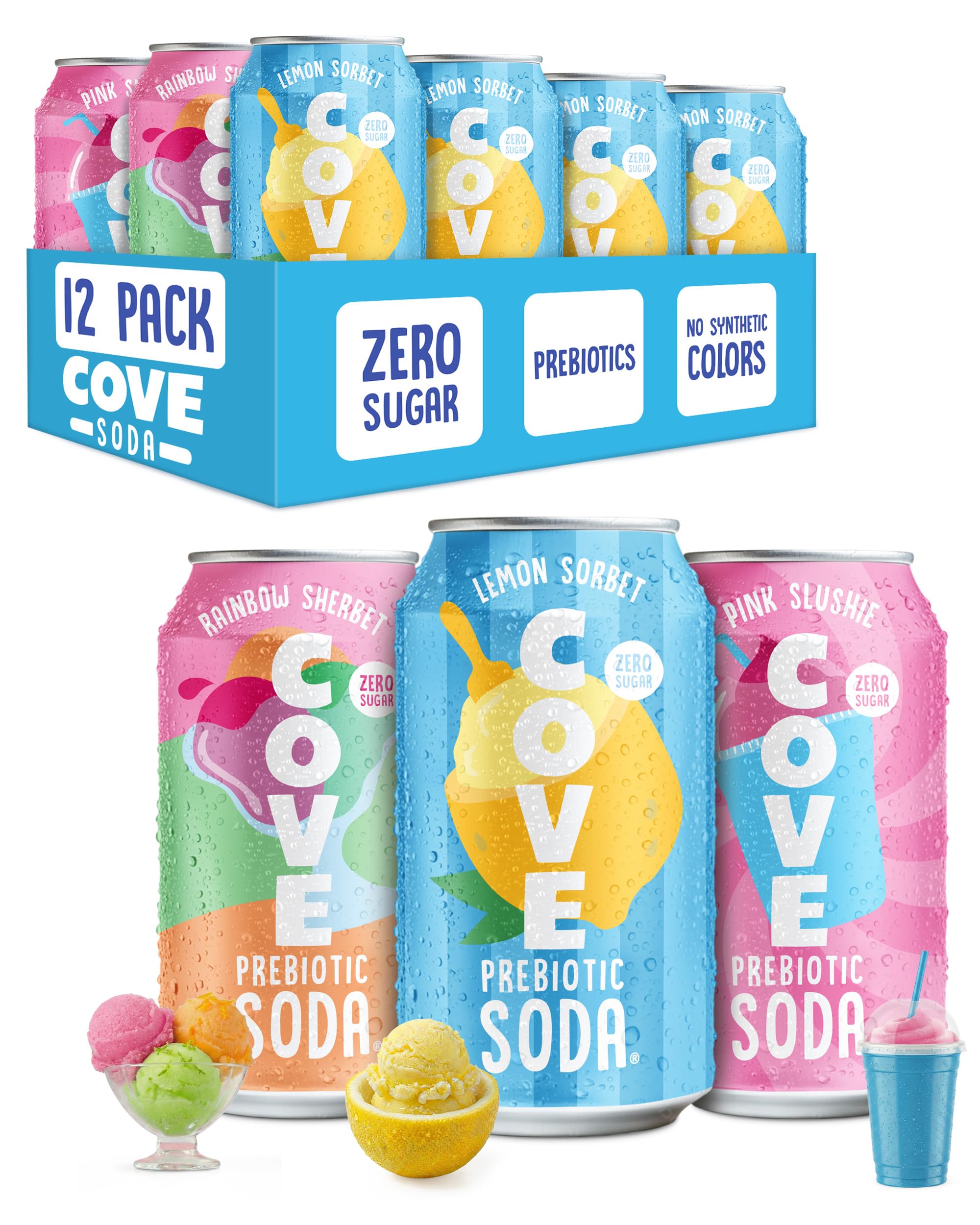
Cove is a zero-sugar prebiotic soda that manages to replicate nostalgic ice-cream-shop flavors—Rainbow Sherbet, Lemon Sorbet, Pink Slushie—without any added sugar. Each can packs 4 grams of prebiotic fiber and 80% of your daily vitamin C, making it a functional drink that doesn’t taste like a health chore. Customer reviews consistently praise Cove for having no stevia aftertaste, a common pain point in this category, thanks to a stevia-and-erythritol blend that mimics sugar’s mouthfeel without the bitterness.
In direct taste comparisons, reviewers rank Cove above the widely available OLIPOP and Poppi, calling it “the best probiotic soda anywhere.” The brand uses Bacillus coagulans, a spore-forming probiotic that survives room-temperature storage, so you don’t need to stress about refrigeration before opening. The Frozen Favorites pack stands out for its playful flavor profile, which appeals to both adults and kids looking for a health-forward soda.
Availability is the main friction point—reviewers note that Cove is often wiped out at specialty grocers like Whole Foods and Sprouts. Buying the Amazon 12-pack solves that issue, though a few buyers flag the per-can cost as slightly high relative to other options. Still, for anyone who wants a genuinely good-tasting soda with zero sugar and real prebiotic fiber, Cove earns the top spot.
Why it’s great
- Zero sugar without stevia aftertaste
- 4g prebiotic fiber per can
- Nostalgic frozen-dessert flavors that kids enjoy
Good to know
- Per-can cost is higher than mass-market brands
- Limited flavor variety outside variety packs
2. Wildwonder Sparkling Probiotic Drink Classic Variety Pack
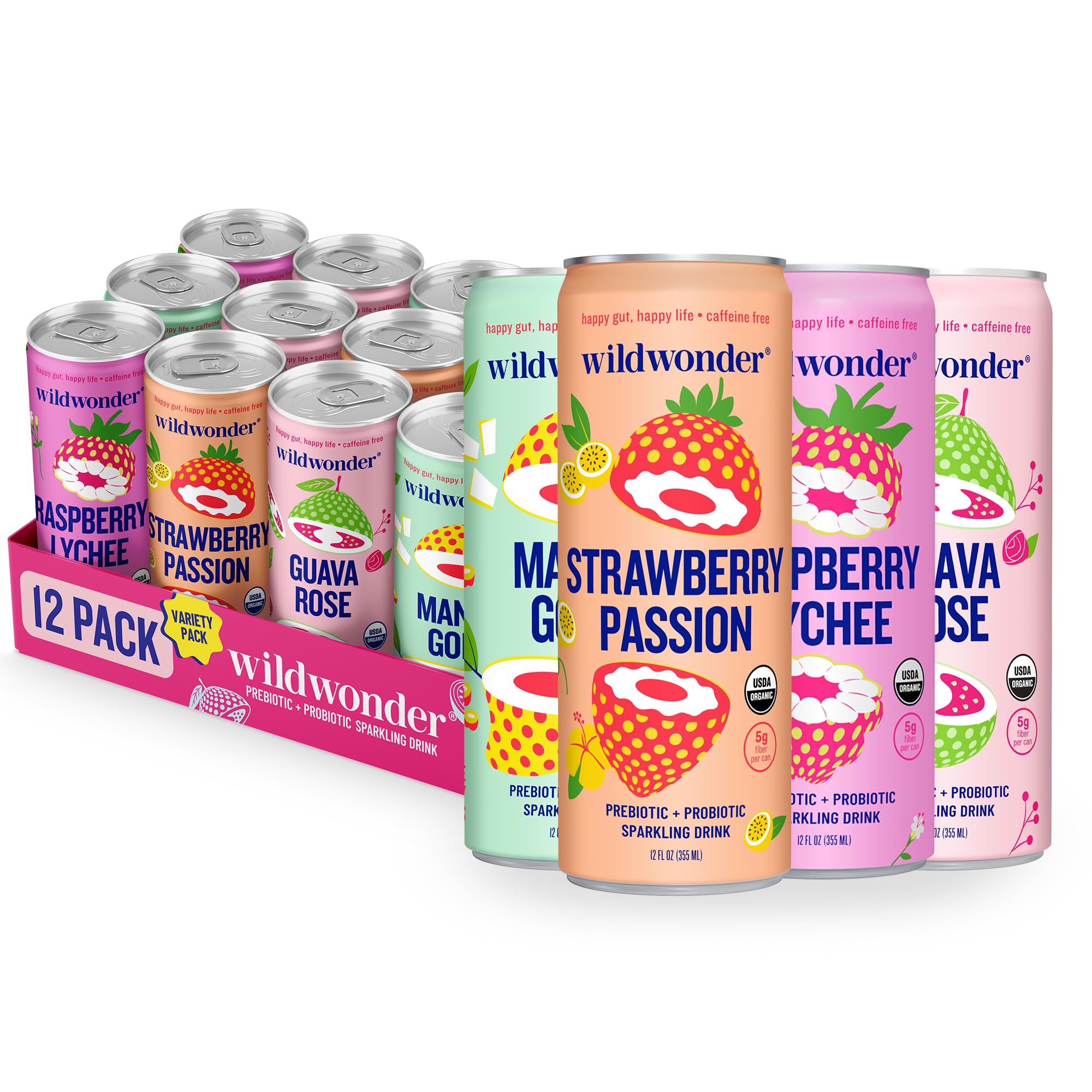
Wildwonder, founded by Rosa Li and launched on Shark Tank, is one of the few drinks that combines prebiotics and live probiotics in a single can. Each serving delivers 1 billion CFUs of vegan probiotics plus 5 grams of prebiotic plant fiber, creating a synbiotic effect that supports both gut and immune health. The sweetener is monk fruit, not stevia, so there is no lingering bitter note—a major selling point for taste-sensitive buyers.
The flavor profile leans herbal and light, with real brewed herbs and fruit juices. Reviewers describe the taste as “strong” and excellent for mocktails, with enough complexity to stand up to mixers. Several customers report feeling tangible digestive benefits overnight, including reduced bloating and improved regularity. The classic variety pack offers a rotating flavor selection that keeps the experience fresh across the 12-can case.
The premium price point is the biggest hurdle. Customers consistently note that Wildwonder is more expensive per can than beer or coffee, and some recommend buying only when it goes on sale. A few also mention that the herbal flavor can be strong if you’re used to mainstream soda sweetness. If you’re willing to pay for a dual-action gut drink that tastes clean and sophisticated, Wildwonder is hard to beat.
Why it’s great
- Synbiotic formula with prebiotic fiber and live probiotics
- Monk-fruit sweetener with zero aftertaste
- Tangible digestive health improvements reported
Good to know
- Premium pricing—best value on sale
- Herbal flavor profile may not suit all palates
3. Humm Probiotic Kombucha The Original Variety 12 Pack
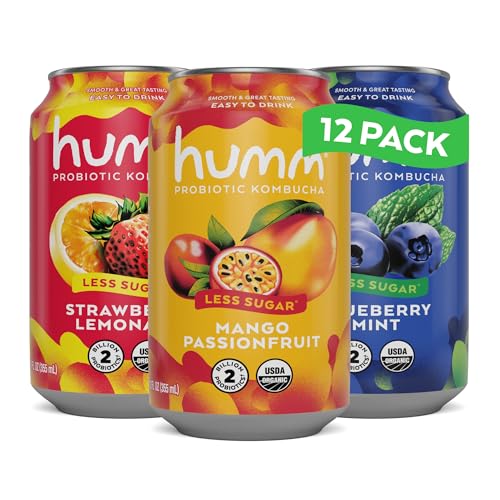
Humm is a true kombucha, not a flavored soda—it’s brewed from fermented tea and delivers 2 billion probiotics per can, nearly double what many shelf-stable drinks offer. It also adds vitamin B12, which supports energy metabolism. The starter variety pack includes Mango Passionfruit, Blueberry Mint, and Strawberry Lemonade, all of which balance the natural tang of fermented tea with bright fruit notes.
Customer feedback reveals a passionate following, with many calling Humm the best-tasting kombucha among the top five brands they tested. The sweetness is dialed in to 30-40 calories per can, and reviewers emphasize that there is no artificial aftertaste. The Mango Passionfruit flavor is the runaway favorite, described as irresistibly tropical without being cloying. The product ships at room temperature but requires refrigeration upon arrival to maintain culture viability.
The main drawbacks are the high price—reviewers regularly call it “very pricey”—and the need for refrigerator space for 12 cans. A few reports mention cans that have expanded, which suggests fermentation is continuing inside the sealed container. If you already drink kombucha and want a reliable brand with a consistent flavor profile, Humm delivers the fermented punch that soda alternatives can’t replicate.
Why it’s great
- 2B CFUs per can—more live cultures than most drinks
- Vitamin B12 added for an energy boost
- Balanced sweetness with no artificial aftertaste
Good to know
- Requires refrigeration after arrival
- Higher per-can cost than unfermented sodas
4. OLIPOP Prebiotic Soda Pop, Crisp Apple
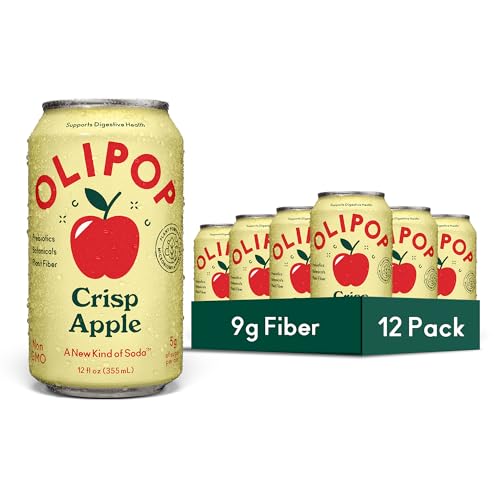
The Crisp Apple flavor is a limited-edition release that customers describe as tasting like a fizzy apple juice crossed with apple rings. It captures the nostalgic sweetness of apple-flavored treats without relying on artificial flavors or preservatives.
User reviews consistently call Crisp Apple the best flavor in the OLIPOP lineup. The carbonation is lively, the sweetness is restrained (2 to 5 grams of sugar per can), and the overall mouthfeel is light rather than syrupy. Many reviewers appreciate that it works as a gluten-free, paleo, and keto-friendly drink without sacrificing the gut-health benefits. The brand also backs its formula with research, positioning itself as a functional beverage rather than just a soda alternative.
The main hang-up is sugar content relative to zero-sugar competitors. At 2-5 grams per can, it’s lower than standard soda but higher than entirely sugar-free options like Cove or Wildwonder. A few reviewers also note that the Crisp Apple flavor, while beloved, is a limited run, so you can’t always rely on it being in stock. For fiber-focused shoppers who want a researched formula and a crowd-pleasing apple taste, OLIPOP delivers.
Why it’s great
- 9g of prebiotic fiber per can—highest in this list
- Nostalgic apple flavor that’s not overly sweet
- Keto, paleo, and gluten-free certified
Good to know
- Limited-edition Crisp Apple flavor may sell out
- Contains some sugar, not zero-sugar
5. Liquid Remedy Kombucha Sugar Free, Raspberry Lemonade

Liquid Remedy is an Australian kombucha brand that has made its way to US Amazon. The key differentiator here is that the sugar is fully fermented out during a 30-day brew, leaving a sugar-free drink that does not require refrigeration because refermentation cannot occur. That makes it uniquely shelf-stable among live-culture kombuchas. The Raspberry Lemonade flavor balances sweet berry notes with a clean lemon tang.
Customers who are new to kombucha appreciate that Liquid Remedy has a mild taste compared to the pungent vinegar notes of many US brands. The highly carbonated fizz makes it feel closer to a soda than a fermented tea. Several reviewers report reduced bloating and firmer digestion after switching to this brand. The cans are convenient for travel or work lunches, since they don’t need to stay cold until opened.
The flavor is not as complex as what you’d get from a live-raw kombucha that still contains residual sugar. Some users find it mild and slightly thin compared to brands like Health-Ade or Synergy. The price is competitive within the sugar-free kombucha niche, but US buyers should be aware that availability occasionally dips. For a shelf-stable, zero-sugar kombucha that won’t overpower sensitive palates, Liquid Remedy is a solid choice.
Why it’s great
- Sugar-free—fermented completely out
- No refrigeration needed until opened
- Mild kombucha taste suitable for beginners
Good to know
- Flavor is milder than traditional kombucha
- Occasional stock issues on Amazon US
6. Culture Pop Probiotic Soda, Zesty & Tarty Variety Pack

Culture Pop sets itself apart by using no stevia and no high-intensity sweeteners. The sweetness comes entirely from real fruit juice, which means the flavor profile is clean, short, and natural—closer to a sparkling juice than a diet soda. The Zesty & Tarty Variety Pack includes flavors like Ginger Lemon, which customers call a favorite for its subtle spice kick. Each can contains billions of CFUs of live probiotics at the time of canning.
Customer feedback is overwhelmingly positive about the taste. Reviewers specifically love that there is no stevia aftertaste, calling it “finally a fizzy drink that gets it right.” The probiotics used are shelf-stable, with the brand claiming virtually no loss of CFUs over 24 months stored at room temperature. That makes it practical to buy in bulk and store in the pantry without sacrificing gut-health benefits.
The sugar content is higher than zero-sugar alternatives—between 8 and 11 grams per can—because the sweetener is natural fruit juice. For people on strict low-sugar or keto diets, that may be a dealbreaker. Also, Culture Pop does not include prebiotic fiber, so it lacks the synbiotic advantage of drinks like Wildwonder or OLIPOP. If you prioritize a stevia-free, fruit-sweetened taste above all else, Culture Pop delivers reliable flavor.
Why it’s great
- No stevia—sweetened only with fruit juice
- Shelf-stable probiotics last up to 24 months
- Clean, natural taste with unique spice blends
Good to know
- 8-11g sugar per can—not suitable for keto
- No prebiotic fiber included
7. Bloom Pop Prebiotic Soda 12 Pack, Variety Pack
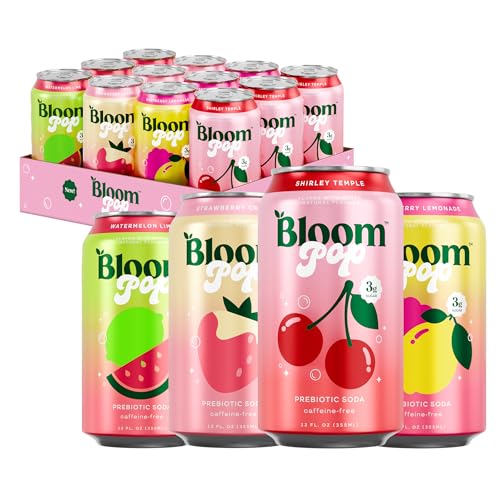
Bloom Pop is an entry-level prebiotic soda that keeps things simple: 20 calories, 3 grams of sugar, and a stevia-based sweetness that aims to mimic soda without overcomplicating the formula. The variety pack features three flavors—Watermelon Lime, Shirley Temple, and Strawberry Cream—that customers describe as bright, tangy, or slightly dessert-like. The packaging is colorful and appealing, making it a good choice for social gatherings or kids.
Customer reviews highlight that the sodas are “not overly sweet” and serve as a satisfying alternative to sugary soft drinks. Several buyers say they mix the cans with sparkling water to tone down the sweetness. The lack of caffeine makes it suitable for children or people avoiding stimulants. The low price per can relative to premium brands makes Bloom Pop an accessible entry point for anyone curious about the category.
The carbonation is less crisp than some competitors, which a few reviewers note as a minor disappointment. A more significant issue is that some customers find the stevia aftertaste noticeable, especially in the Strawberry Cream flavor. Bloom Pop also contains no prebiotic fiber and the probiotic count is not clearly advertised, so it’s more of a “better-for-you soda” than a serious functional gut drink. As a low-commitment starter pack, it serves its purpose.
Why it’s great
- Very low sugar—only 3g per can
- Fun, nostalgic flavor lineup
- Budget-friendly entry to the category
Good to know
- Stevia aftertaste present for some tasters
- Carbonation less crisp than premium brands
FAQ
How is probiotic soda different from regular kombucha?
Can I drink probiotic soda if I take antibiotics?
Final Thoughts: The Verdict
For most users, the best probiotic soda winner is the Cove Prebiotic Soda because it delivers zero sugar, real prebiotic fiber, and nostalgic frozen-dessert flavors that even kids love. If you want a synbiotic formula with both prebiotic fiber and live probiotics, grab the Wildwonder Sparkling Probiotic Drink. And for a classic fermented kombucha taste with 2 billion CFUs per can, nothing beats the Humm Probiotic Kombucha.