Yemen is the birthplace of coffee commerce, and its beans carry a flavor profile you simply cannot find anywhere else—earthy, wine-like, and deeply complex, shaped by the harsh, high-altitude terraces of the Sarawat mountains. Finding a true representation of that heritage on a grocery shelf can feel like a treasure hunt, with most roasters masking the bean’s character rather than celebrating it.
I’m Mohammad Maruf — the founder and writer behind AirfryerBite. I’ve spent years analyzing the sourcing, roast profiles, and chemical compositions of specialty coffee to separate authentic Yemeni beans from over-hyped imitations.
Whether you are a third-wave pour-over enthusiast or a traditional Arabic coffee drinker, navigating the world of authentic yemen coffee requires knowing which roasters honor the bean’s natural sweetness and which turn it into something unrecognizable. This guide breaks down the five most compelling options currently available.
How To Choose The Best Yemen Coffee
Authentic Yemeni coffee is a narrow category defined by its terroir. The beans are typically small, dense, and naturally processed, which yields a flavor that is simultaneously bold and fruit-forward. Before you buy, you need to align your expectations with the specific roast and origin of the bag.
Roast Level: Protecting the Natural Profile
Yemeni beans have a fragile, wine-like complexity that a dark roast can easily obliterate into a smoky, one-dimensional bitterness. A light to medium roast is often the safest choice to preserve the bean’s natural honey sweetness, fruity acidity, and earthy undertones. A dark roast from a skilled roaster can work, but it should mute the acidity rather than introduce a burnt charcoal note.
Origin Transparency: Haraaz vs. General Yemen
The Haraaz mountain region is widely considered the crown jewel of Yemeni coffee. Beans from this area command a premium due to their consistently bright, juicy profile and honey-like sweetness. A bag that simply says “Yemen” without a regional designation may be a blend of lower-elevation beans that lack the same structure. Always look for “Haraaz” or a specific cooperative name if you want the authentic top-tier experience.
Whole Bean Integrity and Bag Size
Pre-ground coffee loses its volatile aromatic compounds within minutes. For Yemeni coffee, where the aroma is a critical part of the experience (think dried fruit, spices, and cocoa), whole beans are non-negotiable. Also note bag sizes: 12-ounce bags are standard for premium Yemeni lots, while 2-pound bags are more common for everyday drinkers. A smaller bag often signals a higher density of specialty-grade beans.
Quick Comparison
On smaller screens, swipe sideways to see the full table.
| Model | Category | Best For | Key Spec | Amazon |
|---|---|---|---|---|
| Al Mokha: Yemen Dark Roast | Authentic Origin | Rich, bold pour-over | 12 oz whole bean dark roast | Amazon |
| Reserve Coffee: Yemen Light Roast | Haraaz Origin | Bright, juicy mornings | 12 oz whole bean light roast | Amazon |
| Java Planet Low Acid Organic | Stomach Friendly | Low acid daily drinking | 16 oz whole bean dark roast | Amazon |
| Caffè Borbone Crema Superiore | Espresso Blend | Creamy milk drinks | 35.27 oz whole bean medium roast | Amazon |
| Fresh Roasted Ethiopian Sidamo | Bright & Fruity | Light roast berry lovers | 32 oz whole bean light roast | Amazon |
In‑Depth Reviews
1. Al Mokha: The World’s First Coffee. Yemen Dark Roast

Al Mokha is the most recognized name in authentic Yemeni coffee on this list, and for good reason. The dark roast here is designed to highlight the bean’s natural earthiness without tipping into burnt territory. Customers consistently describe notes of nuttiness, bold body, and a surprising floral sweetness that cuts through the intensity. The small bean size (roughly 8x6x3mm) is characteristic of high-altitude Yemeni coffee.
This is a full-bodied experience with a lingering, smoky finish that pairs exceptionally well with manual brewing methods like pour-over or French press. It is not a “morning cup for everyone”—its intensity demands a palate that appreciates robust, terroir-driven coffee. Some have found the smokiness overwhelming and recommend using a coarser grind to tame the extraction.
At 12 ounces, the bag is smaller than typical grocery-store offerings, which signals a focus on density and quality rather than volume. If you want the closest thing to sipping coffee from the birthplace of the bean itself, this is your bag. It is also the only option on this list that explicitly markets itself as the world’s first coffee.
Why it’s great
- Authentic Yemeni terroir with nutty, earthy, and floral notes
- Excellent for pour-over brewing methods
- Strong, bold profile without bitterness or chalkiness
Good to know
- Very intense dark roast; may require coarser grind for some
- Small bag size at 12 ounces
- Smoky aftertaste can be divisive
2. Reserve Coffee: Yemen Light Roast (whole bean)

Reserve Coffee is the light roast counterpart to Al Mokha’s dark offering, and it comes from the same parent company. This bag focuses on preserving the natural vibrancy of Yemeni beans grown in the high Haraaz mountains. The result is a cup defined by honey-like sweetness, bright acidity, and a juicy mouthfeel that is rare among single-origin coffees from the Middle East.
This is the ideal entry point for someone who usually drinks light-roast Ethiopian or Kenyan coffees and wants to explore Yemeni terroir without the heavy body of a dark roast. Reviewers highlight an exceptionally smooth finish with zero bitterness, which makes the high price point easier to justify. A professional master roaster even described it as the “Dom Pérignon of coffee.”
That said, not everyone is convinced. Some find it overpriced for its taste profile, noting that it lacks the dramatic punch they expected from “the best coffee in the world.” It is a delicate, refined cup—not a bold one. At 12 ounces, it is a premium, small-batch experience meant for slow sipping rather than daily drowning in milk.
Why it’s great
- Honey-like sweetness with bright, juicy acidity
- Exceptionally smooth with no bitterness
- Premium Haraaz mountain origin
Good to know
- Premium price point for a 12-ounce bag
- Light roast may feel underwhelming to dark-roast fans
- Some customers consider it average for the cost
3. Java Planet Low Acid Organic Coffee – Whole Bean
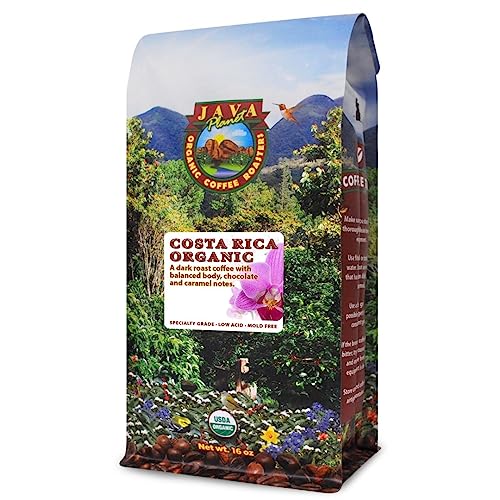
Java Planet positions itself as a health-focused option for those who love coffee but struggle with stomach sensitivity. It is not Yemeni coffee—this is a Costa Rican single origin—but it earns a spot here because it solves the most common barrier to enjoying bold, dark-roasted coffee: acidity. The beans are certified organic and independently tested for mold and heavy metals.
Flavor-wise, this is a smooth, dark roast with prominent chocolate and caramel notes and only a whisper of citrus. It is not complex or wine-like like true Yemeni coffee, but it delivers a clean, satisfying cup without the bitterness or burn. It is forgiving across brewing methods, from standard drip to French press to espresso.
The biggest upside here is value and volume. At 16 ounces with a competitive mid-range price, it is a reliable daily driver. If your stomach cannot handle the bright acidity of a true Yemeni or Ethiopian bean, this is the closest you can get to a bold, smooth profile without the gut punch.
Why it’s great
- Low acidity with smooth, chocolate-forward flavor
- Certified organic, mold-free, and heavy-metal tested
- Ethical sourcing with environmentally responsible farming
Good to know
- Not Yemeni origin; Costa Rican single origin
- Dark roast lacks the fruity complexity of Yemeni beans
- Less 1LB bag yields fewer cups than some competitors
4. Caffè Borbone Crema Superiore Whole Bean Coffee
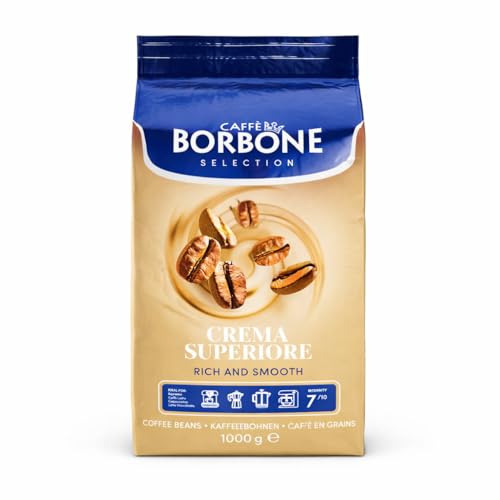
Caffè Borbone is not a Yemeni coffee—it is an Italian espresso blend—but it is the best option here for drinkers who prioritize crema and milk-based drinks. This is a 2.2-pound bag of medium-roast whole beans that combine Arabica and Robusta to produce a thick, velvety crema with notes of chocolate and vanilla sweetness.
This is a massive bag that delivers exceptional cost efficiency for those making multiple espresso shots or latte-style drinks daily. The Robusta component adds body and a punch of caffeine that single-origin Yemeni beans cannot match. It adapts beautifully to any brewing method, from moka pot to drip to espresso machine.
The catch is that this is not a dark roast despite what the crema production might suggest. Some buyers note that the color and flavor profile skew noticeably darker than a typical medium roast, which could be a pro or con depending on your preference. If you want a creamy, low-acid espresso experience at a bulk-friendly price, this is the one.
Why it’s great
- Exceptional crema production for espresso-based drinks
- Very large 2.2-pound bag offers high value
- Smooth, low-acid with chocolate and vanilla notes
Good to know
- Not a single-origin or Yemeni coffee
- Roast level may be darker than standard medium roast
- Robusta content may be too intense for purists
5. Fresh Roasted Coffee, Organic Ethiopian Natural Whole Bean
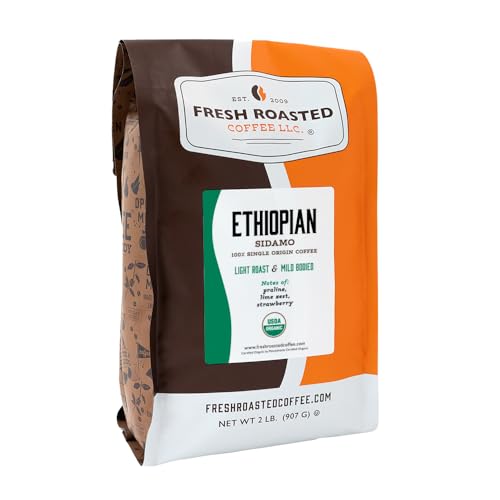
Fresh Roasted Coffee’s Ethiopian Sidamo is a light roast that exemplifies the fruity, wine-like acidity that Yemeni coffee enthusiasts also appreciate. This is a 2-pound bag of USDA Organic, single-origin beans with bright notes of blueberry, citrus, and a subtle chocolate undertone. It is a direct competitor to the Yemeni light roast in terms of flavor profile.
This is the most cost-effective way to get a high-quality, fruity light roast in a large volume. At 32 ounces, it nearly triples the bag size of the Yemeni offerings while staying in the same price tier. The beans are fresh and thirsty during the bloom phase, which is a good sign of proper roasting. It works well across all manual brew methods and even in a standard drip machine.
The downside is that it is not Yemeni coffee, so the flavor will be brighter, more acidic, and less earthy than anything from the Sarawat mountains. If you are specifically craving that Yemeni earthiness, this will not scratch the itch. But if you want a large, affordable bag that delivers the lean, bright, and fruity profile that Yemeni light roasts aim for, this is a solid alternative.
Why it’s great
- Bright, fruity flavor with blueberry and citrus notes
- Large 2-pound bag for an accessible price point
- USDA Organic and Kosher certified
Good to know
- Not Yemeni origin; Ethiopian single origin
- Light, bright profile may be too acidic for some drinkers
- Flavor is less complex than premium Yemeni lots
FAQ
What makes Yemeni coffee different from Ethiopian or Kenyan coffee?
Should I buy a dark roast or a light roast Yemeni coffee?
Is all “Mocha” coffee from Yemen?
Final Thoughts: The Verdict
For most users, the yemen coffee winner is the Al Mokha: Yemen Dark Roast because it delivers the most authentic, terroir-driven Yemeni experience with a bold, earthy profile that honors the bean’s history. If you want a bright and juicy Haraaz profile, grab the Reserve Coffee: Yemen Light Roast. And for a stomach-friendly daily driver that still hits those dark, chocolate notes, nothing beats the Java Planet Low Acid Organic.