Most protein powders focus on one metric — grams per scoop — and leave your digestive system to fend for itself. The result: bloating, irregularity, and a shake that fills you up but never fills you out. A protein and fiber powder solves this by pairing muscle-supporting amino acids with prebiotic or soluble fiber that feeds your gut microbiome, slows digestion, and keeps you feeling full well past lunch.
I’m Mohammad Maruf — the founder and writer behind AirfryerBite. I spend my time cross-referencing supplement labels, verifying third-party certifications, and parsing the difference between added fiber and naturally occurring fiber so you don’t have to.
After evaluating over a dozen blends across cost, protein source, fiber type, and mixability, I’ve narrowed the field to the formulas that actually deliver. This guide to the best protein and fiber powder breaks down each option by digestive profile, ingredient cleanliness, and real-world performance so you can pick the one that works for your body.
How To Choose The Best Protein And Fiber Powder
Not all fiber is created equal, and not all protein powders welcome it. Before you add a tub to your cart, you need to understand how the fiber type interacts with the protein source — because a bad match can leave you feeling heavy instead of energized.
Identify Fiber Source and Solubility
Prebiotic chicory root fiber (inulin) is the most common added fiber in protein powders because it dissolves cleanly and adds a mild sweetness. It supports gut bacteria well, but some people experience bloating at high doses. Soluble tapioca or acacia fiber is gentler on sensitive stomachs and mixes without thickening the shake into a sludge. Check the ingredient list — if the only fiber source is inulin and you have IBS or SIBO, look for a blend that uses acacia or a low-FODMAP alternative.
Match Protein Type to Your Diet and Digestion
Whey-based powders (like the Premier Protein or Optimum Nutrition options) offer a complete amino acid profile and faster absorption, which is ideal post-workout. Plant-based blends (pea, brown rice, chia, almond) digest slower, pair well with prebiotic fiber for sustained satiety, and work for dairy-free or vegan lifestyles. If you are lactose-sensitive but want whey, look for a whey isolate formula — much of the lactose is removed during processing.
Check the “No Added Sugar” and Sweetener Profile
Many protein and fiber powders use stevia, monk fruit, or erythritol to keep sugar at zero. Stevia and monk fruit are generally well-tolerated, but erythritol can cause digestive upset in larger servings. If the label says “no added sugar” but uses sugar alcohols, test your personal tolerance with a half serving first. The Pure Protein and Orgain options use stevia or natural sweeteners, while Premier Protein uses a sucralose blend that tastes clean but may not appeal to everyone avoiding artificial sweeteners.
Quick Comparison
On smaller screens, swipe sideways to see the full table.
| Model | Category | Best For | Key Spec | Amazon |
|---|---|---|---|---|
| Premier Protein Plus Fiber | Whey Blend | Gut health + muscle recovery | 7g prebiotic fiber, 25g whey protein | Amazon |
| Orgain Organic Vegan Protein | Plant-Based | Everyday plant nutrition | 6g prebiotic fiber, 21g organic plant protein | Amazon |
| Koia Plant Based Elite | Plant-Based | High protein + vitamins | 6g prebiotic fiber, 32g pea protein | Amazon |
| Pure Protein All-In-One | Whey + Collagen | Complete nutrition + collagen | High fiber, 20g whey + collagen protein | Amazon |
| Wellious Almond Protein | Plant-Based | Sensitive digestion | 18g almond + chickpea protein, low-FODMAP | Amazon |
| Optimum Nutrition Gold Standard | Whey Isolate | Lean muscle building | 24g whey protein, <1g sugar per serving | Amazon |
| Happy Viking Plant-Based | Plant-Based Meal | Meal replacement + digestive wellness | 10g fiber, 30g plant protein, probiotics | Amazon |
In‑Depth Reviews
1. Premier Protein Powder Plus Fiber, Vanilla
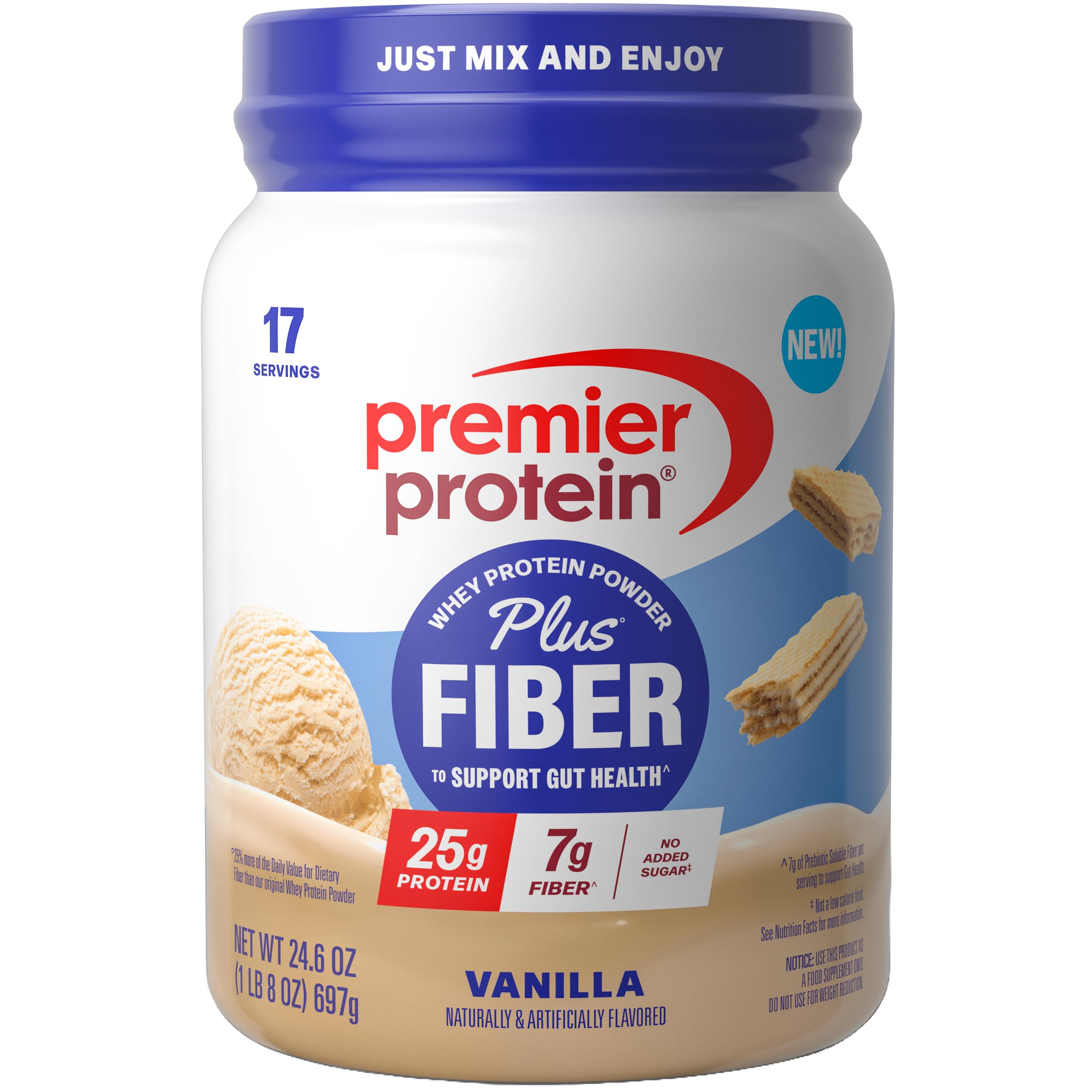
The Premier Protein Plus Fiber powder hits the sweet spot between muscle support and digestive health. Each serving delivers 25 grams of whey protein — enough to trigger muscle protein synthesis post-workout — plus 7 grams of a three-source prebiotic fiber blend that nourishes gut bacteria without turning your shake into a thick paste. The vanilla flavor mixed with water or milk tastes clean, not chalky, and users report no bloating even when mixing it into coffee or oatmeal.
What sets this apart from other whey-fiber combos is the fiber dosage. Most protein powders with added fiber stop at 3 to 5 grams; Premier goes to 7 grams without upsetting stomachs, thanks to a blend that includes inulin, acacia, and other soluble fibers. It also earned a Gold Medal from the American Masters of Taste, which confirms the flavor is dialed in — unusual for a high-fiber formula. The only catch is the use of artificial sweeteners (sucralose), which may deter those seeking a 100 percent stevia-sweetened product.
For anyone wanting one scoop that covers protein goals, gut health, and a midday meal replacement, this is the most complete option on the shelf. The 17-serving container is compact enough for a kitchen cabinet, and the powder mixes with a spoon — no blender required.
Why it’s great
- Highest fiber per serving in this category at 7g
- Mixes seamlessly in cold water or hot coffee
- Award-winning vanilla flavor, no chalky aftertaste
Good to know
- Contains sucralose, not stevia-sweetened
- No third-party testing certification listed
2. Orgain Organic Vegan Protein Powder, Creamy Chocolate Fudge
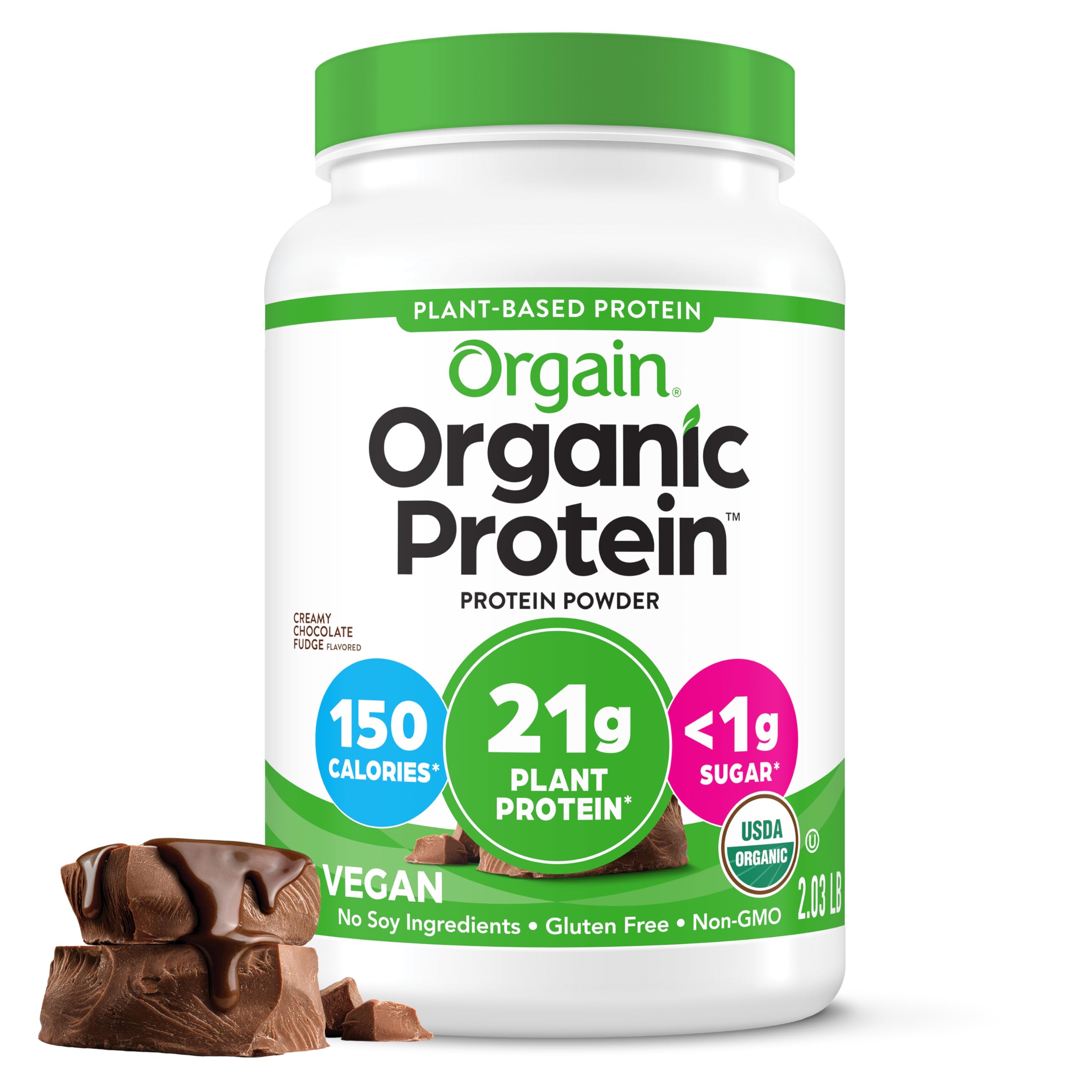
Orgain’s flagship plant protein has been a staple since 2014 for good reason: it combines 21 grams of organic pea, brown rice, and chia seed protein with 6 grams of prebiotic fiber — all in a USDA Organic, non-GMO, and gluten-free formula that contains no added sugar. The Creamy Chocolate Fudge flavor tastes like real cocoa, not artificial chocolate, and most users find it mixes well with almond milk or water, though a blender produces the smoothest texture.
The fiber here comes from the whole-food ingredients themselves (organic chia seeds and pea fiber) rather than an isolated inulin powder, which means it digests more slowly and rarely causes the gas some people experience with added chicory fiber. It also incorporates all nine essential amino acids, making it a complete protein despite being plant-based. The only trade-off is the slightly gritty mouthfeel that some reviewers note when mixing with only a shaker — a quick 15-second blend fixes this entirely.
At this price point per pound, Orgain delivers the best combination of certified organic ingredients, fiber content, and plant-based completeness. It is ideal for anyone who wants a clean ingredient deck without paying premium-tier pricing.
Why it’s great
- USDA Organic and non-GMO verified
- No added sugar and no erythritol
- Fiber from whole-food sources, not just inulin
Good to know
- Slightly gritty if mixed only with a shaker
- Scoop may settle deep in the tub
3. Koia Plant Based Protein Elite Powder, Vanilla
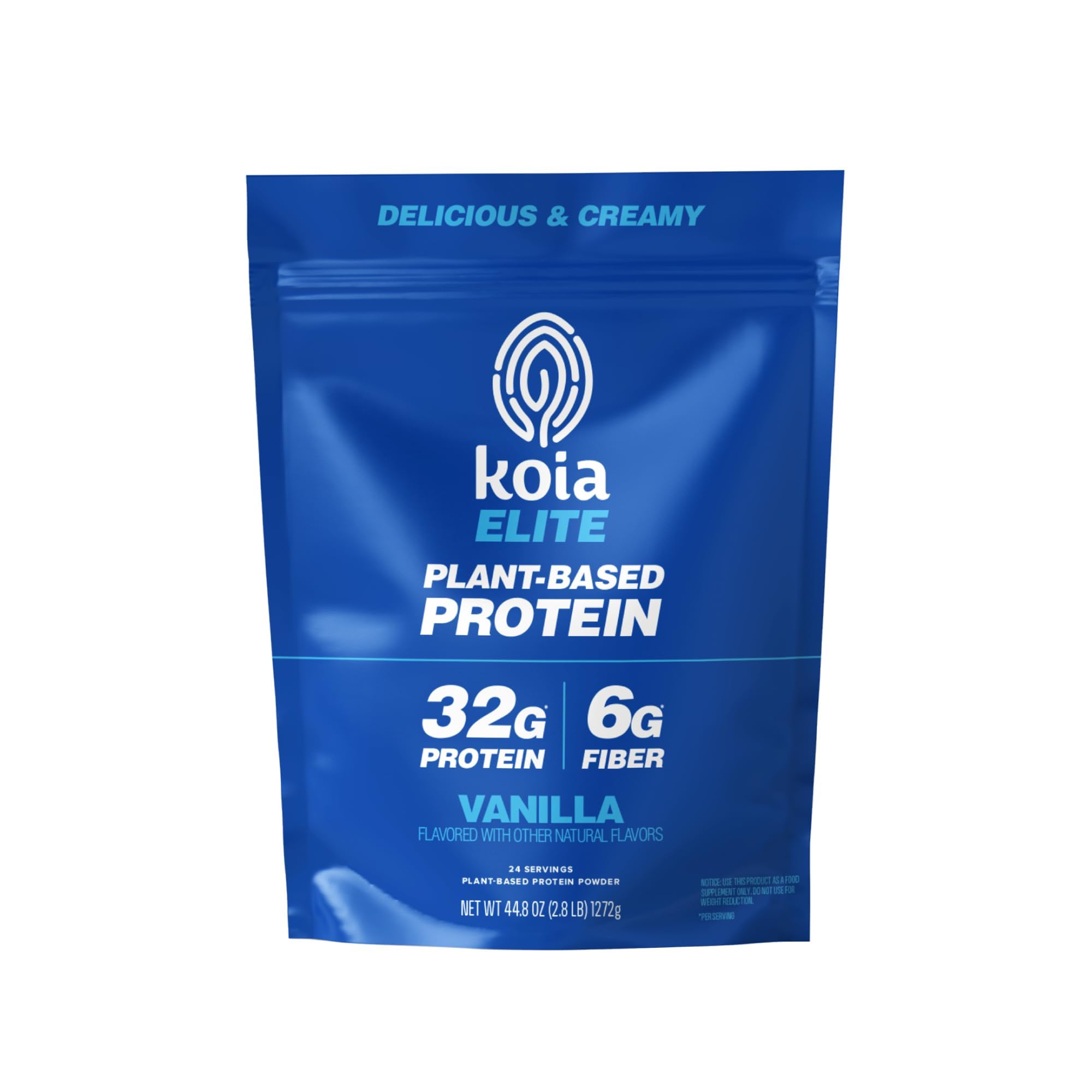
Koia is best known for its ready-to-drink plant shakes, and the Elite Powder translates that same formula into a scoopable format. Each serving packs 32 grams of pea protein — one of the highest protein counts in this comparison — plus 6 grams of prebiotic fiber from chicory root, all with only 4 grams of organic cane sugar. The vanilla flavor is distinctly creamy, and reviewers consistently describe the texture as smooth rather than chalky, even when mixed with just water.
Beyond protein and fiber, Koia fortifies this powder with 21 essential vitamins and minerals, including vitamins A, C, D, E, and B12, which makes it function almost like a meal replacement. The formula avoids erythritol and gums entirely, so it is less likely to cause bloating than some other plant-based blends that rely on xanthan gum to improve texture. The trade-off is price per serving — the cost is slightly higher per gram of protein compared to whey-based options, though the complete vitamin profile partly offsets that.
Active individuals who need a plant-based option that supports both muscle recovery and micronutrient intake will find this powder particularly effective. It is also one of the few plant proteins that mixes smoothly in a standard shaker bottle without clumping.
Why it’s great
- 32g protein per serving — one of the highest in the category
- 21 added vitamins and minerals
- No erythritol or gums for sensitive digestion
Good to know
- Larger serving size requires 1/2 cup per scoop
- Premium per-serving cost
4. Pure Protein All-In-One Powder, Vanilla

Pure Protein’s All-In-One blend combines whey protein and collagen in a single scoop, delivering 20 grams of protein plus a notable amount of fiber to support digestion. The vanilla cream flavor mixes effortlessly into both cold and hot liquids — reviewers use it in coffee, oatmeal, smoothies, and even baking without the texture breaking down. The collagen component adds glycine and proline, which support joint and skin health, something most standard whey powders lack.
This powder strikes a smart balance for those who want the muscle-building speed of whey with the connective-tissue benefits of collagen, all without needing a separate collagen supplement. The fiber content comes from added prebiotic ingredients that dissolve cleanly, and the formula retains zero artificial flavors. The downside is that 20 grams per serving is on the lower side compared to the 25-to-32 gram options in this guide, so those with high protein targets may need an extra half scoop.
For anyone managing joint recovery alongside daily protein intake, this two-in-one formula saves cabinet space and simplifies supplementation. It also dissolves well enough to use as a creamer replacement in morning coffee.
Why it’s great
- Whey plus collagen in one scoop
- Mixes well in hot and cold liquids
- No artificial flavors or fillers
Good to know
- Only 20g protein per serving
- Contains dairy (whey), not suitable for vegans
5. Wellious Almond Protein Powder, Vanilla
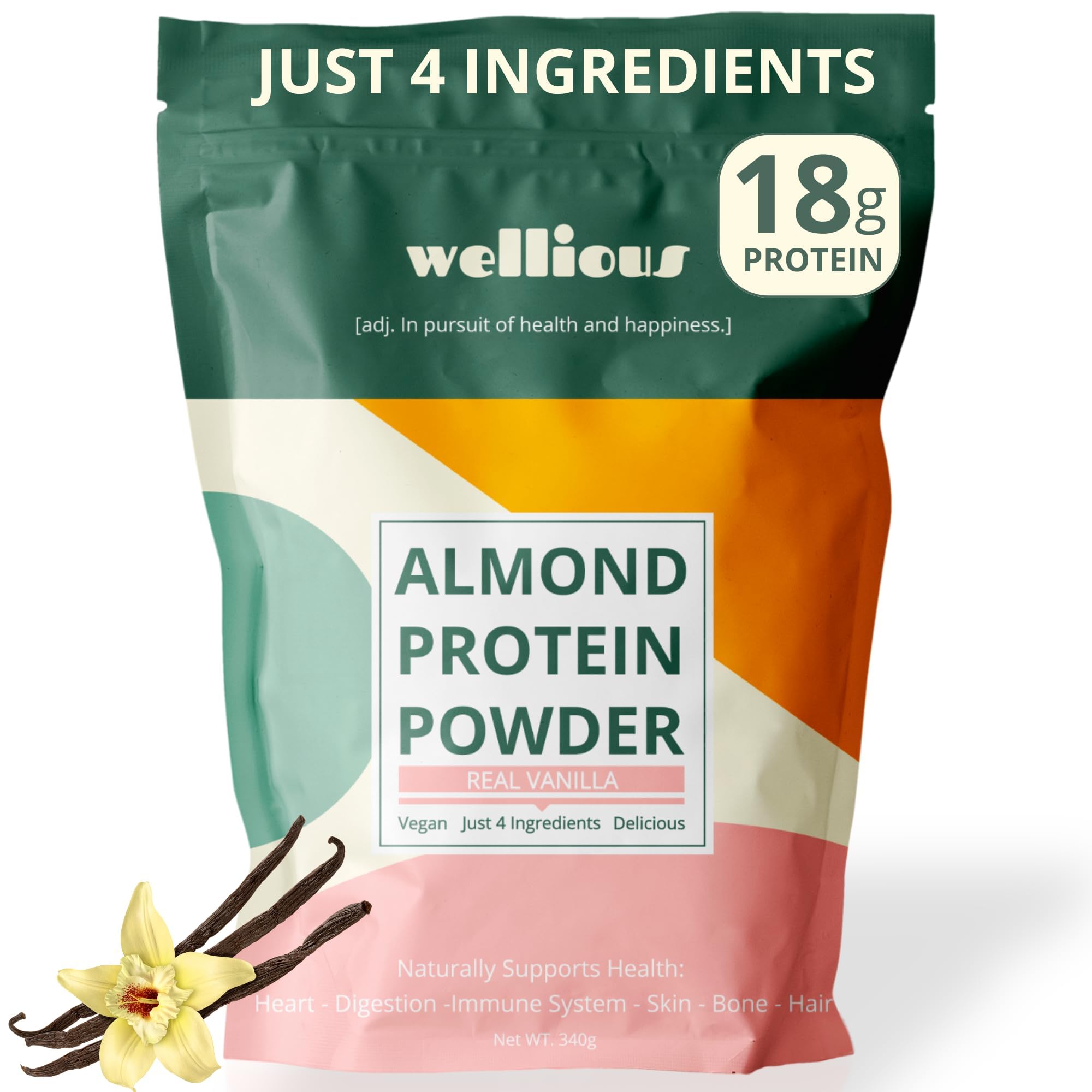
Wellious takes a minimalist approach with only four ingredients: almond protein, chickpea protein, monk fruit, and Madagascar vanilla beans. There are no gums, lecithins, sugar alcohols, or artificial sweeteners — just whole-food protein sources that happen to be naturally low in FODMAPs, making this one of the gentlest options for anyone with IBS, SIBO, or general digestive sensitivity. Each serving provides 18 grams of protein and a moderate amount of fiber from the almonds and chickpeas themselves.
Reviewers with SIBO report zero irritation from this powder, which is a significant claim in the category. The vanilla flavor is lightly sweet from monk fruit and blends into a smooth, milkshake-like consistency when mixed with unsweetened almond milk. The main consideration is the price per gram of protein: because almond protein is more expensive to produce than pea or whey, the cost per serving runs higher, and the 12-ounce container offers fewer total servings than larger tubs.
This is the right choice for anyone whose stomach has rejected every other protein and fiber powder on the market. The ingredient list is so short you can count the ingredients on one hand, and the flavor profile avoids the bitter notes common in high-alkalinity plant proteins.
Why it’s great
- Only four real-food ingredients
- Safe for IBS and SIBO-sensitive individuals
- No gums, lecithins, or sugar alcohols
Good to know
- Lower protein content at 18g per serving
- Higher per-ounce cost than pea-based powders
6. Optimum Nutrition Gold Standard 100% Whey, Double Rich Chocolate
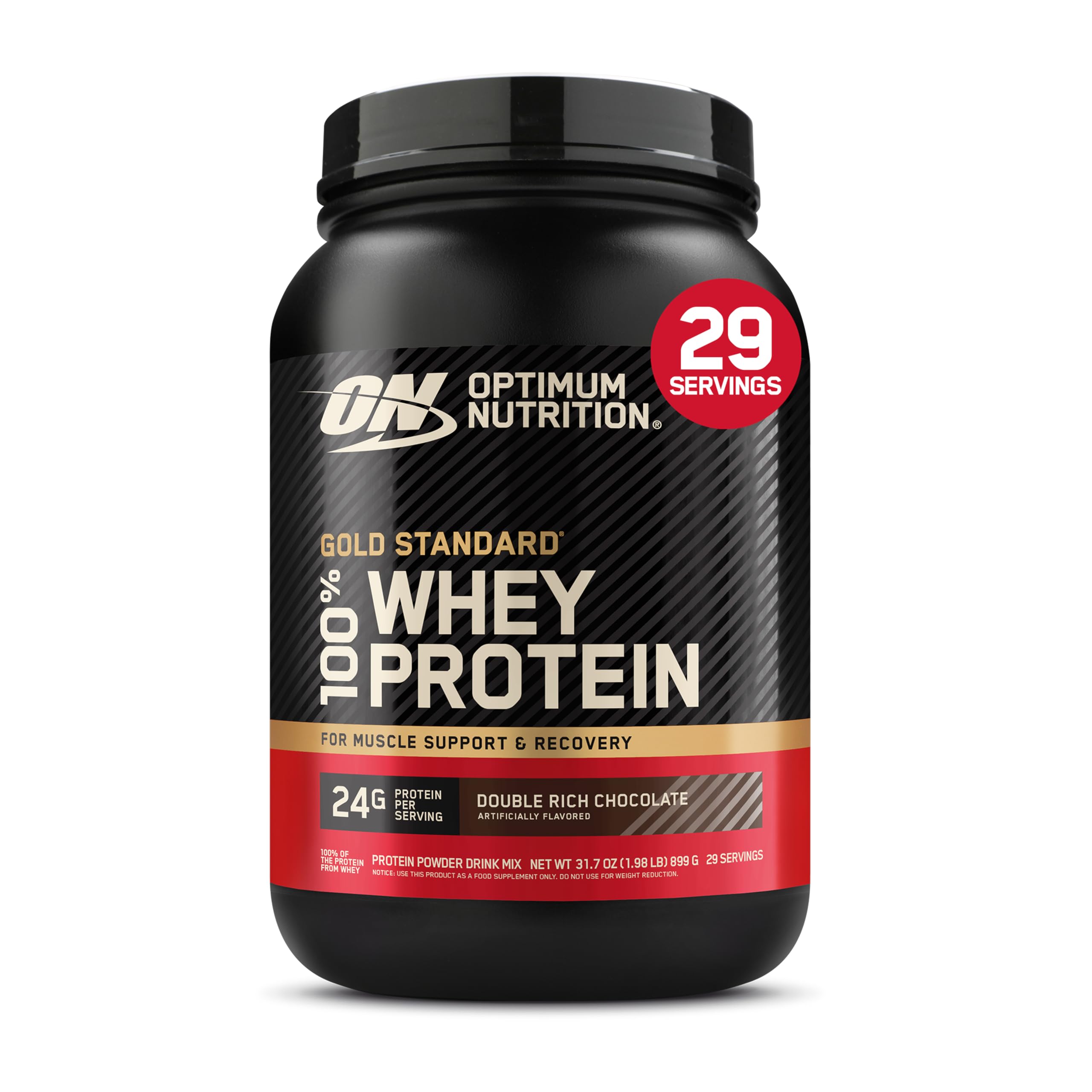
Optimum Nutrition’s Gold Standard Whey is the benchmark that other protein powders are measured against, and for good reason. Each scoop delivers 24 grams of whey protein — primarily from whey isolate — with 5.5 grams of naturally occurring BCAAs and just 1 gram of sugar. The Double Rich Chocolate flavor is consistently described as smooth and not overly sweet, mixing instantly in a shaker with no clumps or grit. It is the most tested and trusted option on this list, backed by 35 years of market presence.
However, this powder does not contain added fiber. It earns its place here because many buyers looking for a protein and fiber powder can simply add their own fiber source (like psyllium husk) to a high-quality whey base, and Optimum Nutrition provides the cleanest, lowest-carb canvas for that. The whey isolate process removes most fat and lactose, making it digestible for many lactose-sensitive individuals, though a small subset does report mild reactions to the milk protein concentrate component in certain batches.
For athletes or lifters who prioritize macro precision and want to control exactly what fiber they add, this is the best foundation powder. Mix it with a tablespoon of soluble fiber and you have a customizable fiber-protein shake without the artificial additives found in some combo powders.
Why it’s great
- Industry-leading mixability and texture
- Lowest carb and sugar profile in this group
- Trusted with decades of consistent quality
Good to know
- No added fiber — you must add your own
- Some users report digestive sensitivity to milk protein
7. Happy Viking Plant-Based Protein Powder, Berry Parfait
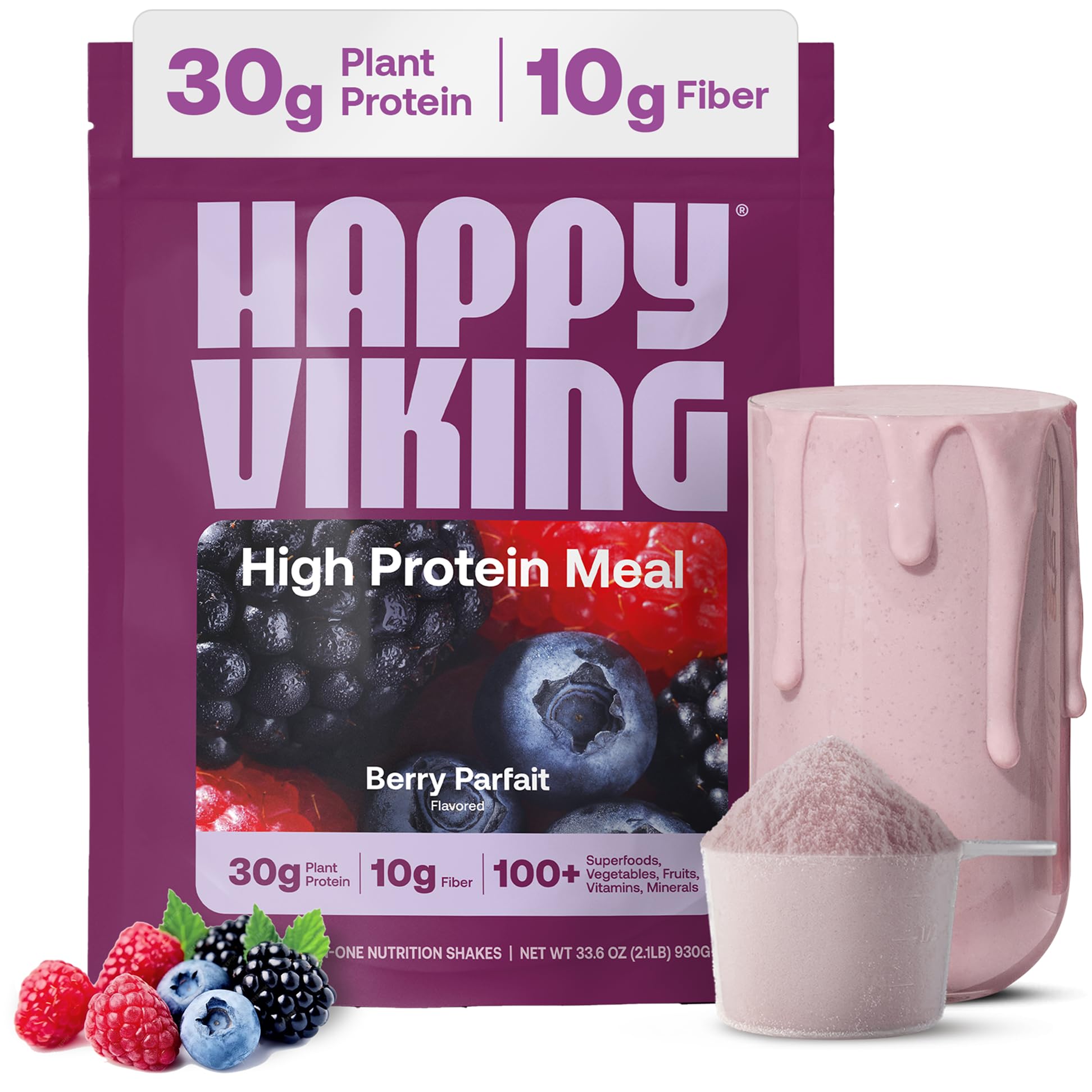
Created by Venus Williams, Happy Viking leans hard into the meal replacement space by combining 30 grams of plant-based protein with 10 grams of fiber and added probiotics. The Berry Parfait flavor is genuinely pleasant — fruity without being artificial — and blends well with frozen fruit, almond milk, or water. The fiber count here is the highest of any product in this guide, and the inclusion of probiotics adds another layer of gut support that standard protein powders ignore.
The formula also packs 100-plus superfoods, including ashwagandha for stress management and omega-3s for skin and hair health, making it more of a functional wellness supplement than a straight protein powder. Users who switched to Happy Viking from other plant proteins report resolved bloating and regular bowel movements, which speaks to the quality of the fiber blend and the absence of inflammatory fillers. The main drawback is serving economy: one bag provides 15 servings when two scoops are used to hit the 30-gram protein target, so the cost per serving sits higher than the competitive set.
This powder is best suited for someone looking to replace a meal, not just supplement a workout. It pairs especially well with breakfast smoothies or as a post-workout recovery shake that doubles as a satiety tool to prevent mid-morning snacking.
Why it’s great
- 10g fiber per serving — the highest in this review
- Contains probiotics for digestive wellness
- Ashwagandha and omega-3s included
Good to know
- Only 15 servings per bag at the full 30g serving
- Higher per-serving cost than other options
FAQ
Can I take protein and fiber powder every day without digestive issues?
Does a protein and fiber powder count toward my daily fiber goal?
Which fiber type is best for IBS or SIBO in a protein powder?
Final Thoughts: The Verdict
For most users, the protein and fiber powder winner is the Premier Protein Plus Fiber because it delivers 25 grams of whey protein and 7 grams of prebiotic fiber in a single scoop that mixes cleanly and tastes genuinely good. If you want a certified organic plant-based option that skips artificial sweeteners, grab the Orgain Organic Vegan Protein. And for the highest fiber count and probiotic support in a meal-replacement format, nothing beats the Happy Viking Plant-Based Protein.