Finding a protein powder that supports your recovery without blowing your daily sodium limit is a real challenge. Most mainstream tubs pack in sodium from additives, flavoring agents, and processing aids—quietly adding hundreds of milligrams per scoop that you never budgeted for.
I’m Mohammad Maruf — the founder and writer behind AirfryerBite. I’ve spent hundreds of hours analyzing nutritional labels, amino acid profiles, and ingredient sourcing for the low-sodium supplement market to separate genuinely clean powders from ones that just claim to be.
Whether you are managing blood pressure, watching your water retention, or simply trying to eat cleaner, my goal is to help you find the very best low sodium protein powder that actually tastes good and mixes well without the salt.
How To Choose The Best Low Sodium Protein Powder
When every milligram of sodium counts, you cannot rely on marketing terms like “clean” or “natural”. Your selection must start with the nutrition facts panel and work backward to the ingredient list. Below are the specific factors that determine whether a powder truly qualifies as low sodium.
Check the Per-Scoop Sodium Figure, Not the Tub
Brands often advertise “low sodium” but hide the per-serving number in small print. Compare the actual milligrams per scoop (not per 100g) because your daily intake is per serving. A genuinely low sodium powder should deliver under 100mg per serving—ideally under 50mg if you are on a strict plan.
Unflavored vs. Flavored: The Hidden Salt Source
Flavored protein powders—vanilla, chocolate, berry—almost always contain added salt to enhance taste. Some use sodium-based flavor carriers or anticaking agents. Unflavored isolates, particularly pea and brown rice, typically test lowest for sodium because they contain nothing beyond the plant itself.
Source Matters: Pea, Rice, or Whey
Pea protein isolate naturally has a very low sodium profile—often 10–30mg per serving before any additives. Brown rice protein is similar. Whey concentrates can vary widely depending on the ion-exchange process used during manufacturing. Cold-processed, cross-flow microfiltered whey tends to retain less sodium than traditional acid-processed whey.
Quick Comparison
On smaller screens, swipe sideways to see the full table.
| Model | Category | Best For | Key Spec | Amazon |
|---|---|---|---|---|
| Micro Ingredients Pea Protein | Premium Bulk | Unflavored bulk supply | 27g protein, unflavored & unsweetened | Amazon |
| Ambrosia Planta Banana Maple | Premium Flavored | Great taste + low sodium | 20g protein, no added sugar | Amazon |
| Nutricost Organic Pea Isolate | Mid-Range Plant | Organic purity on a budget | 20g protein, USDA Organic | Amazon |
| simply tera’s Pure Whey Vanilla | Mid-Range Whey | Grass-fed clean whey | 22g protein, 4 ingredients | Amazon |
| REDCON1 MRE LITE Vanilla | Mid-Range Whole Food | Low carb whole food blend | 26g protein, 1g carb | Amazon |
| Carlyle Pea Protein Isolate | Budget Bulk | Maximum protein per dollar | 29g protein, 7lb tub | Amazon |
| MRM Veggie Elite Vanilla | Mid-Range Vegan | Complete amino profile | 24g protein, digestive enzymes | Amazon |
In‑Depth Reviews
1. Micro Ingredients Pea Protein Powder
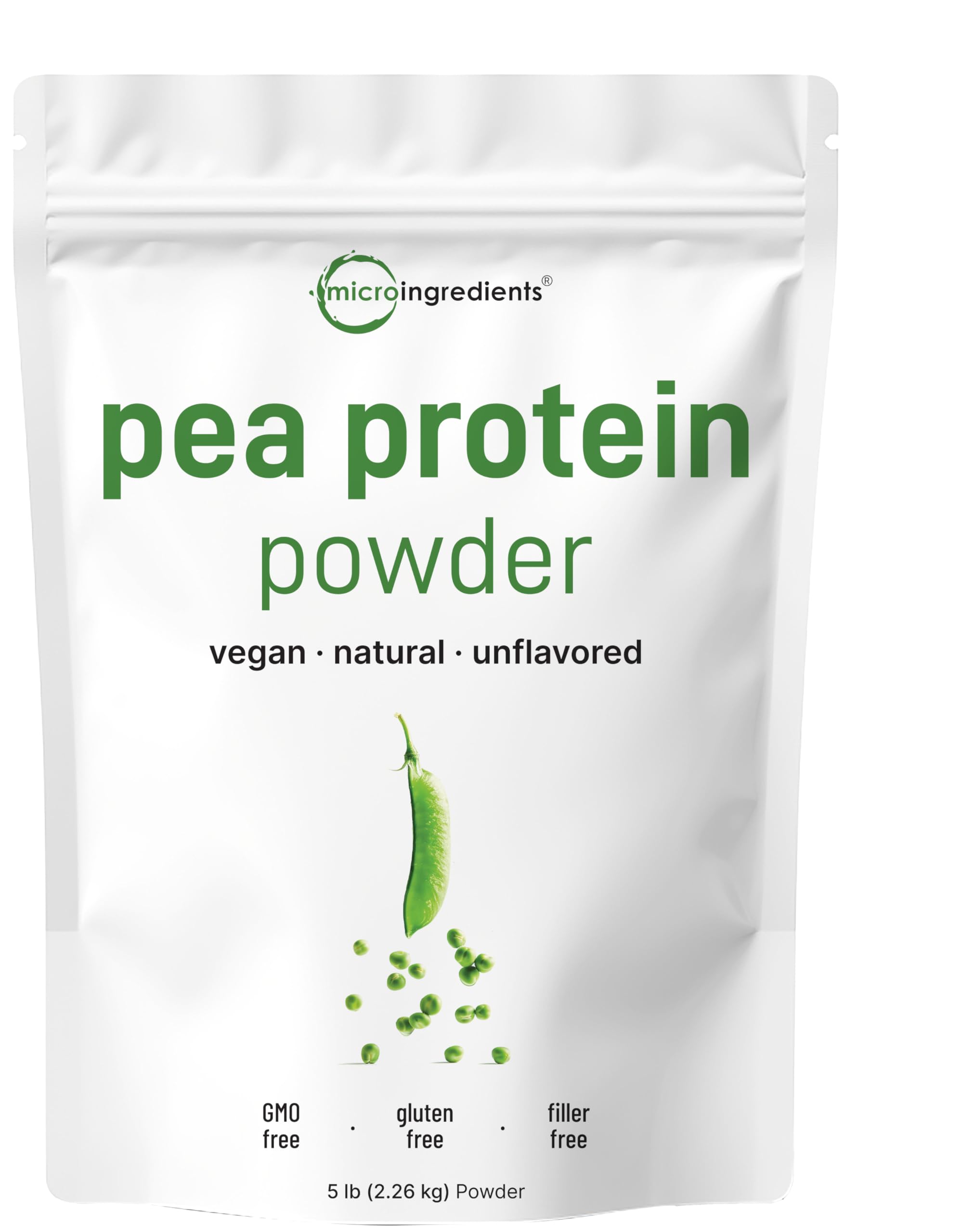
Micro Ingredients offers a massive 5-pound bag of unflavored, unsweetened pea protein isolate that delivers 27 grams of protein per two-scoop serving. The pure, filler-free formulation means users consistently report a smooth texture that mixes easily in water or non-dairy milk without clumping, as long as you shake or blend well.
Reviewers highlight this as one of the lowest sodium options available—several customers mention “low sodium” as a primary reason for purchase, with a clean, slightly earthy taste that fades quickly when mixed into smoothies. The bulk bag stretches to a 68-day supply, making it a strong value for anyone prioritizing sodium control over flavor complexity.
North American grown non-GMO peas are used, and the product is third-party lab tested for purity. The unflavored profile means you control the sweetness and additions, a distinct advantage for medical or fitness protocols requiring strict sodium limits.
Why it’s great
- Exceptionally low sodium per serving
- 27g protein from pure pea isolate, no fillers
- Long-lasting 5lb bulk supply
Good to know
- Unflavored taste may not appeal to everyone
- Some reports of clumping if not vigorously mixed
2. Ambrosia Plant Based Protein Powder Banana Maple
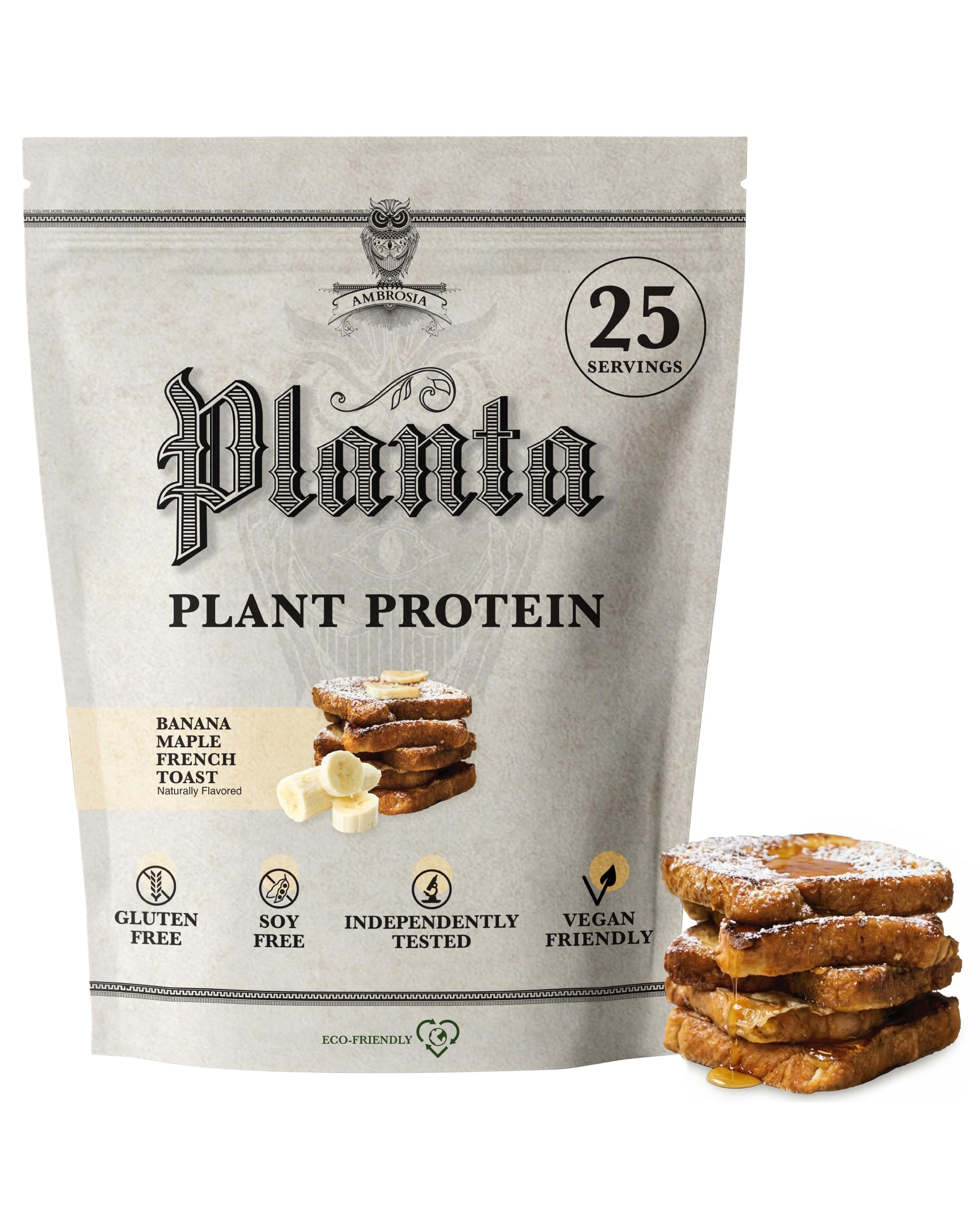
Ambrosia’s Banana Maple flavor is a standout in the low-sodium category because it achieves great taste without relying on heavy sodium or artificial sweeteners. The proprietary blend of pea, brown rice, and fermented sunflower protein provides a complete amino acid profile at just 100-110 calories per scoop, with 20g of protein and 1g of BCAAs.
Customer reviews consistently praise this as “the best tasting plant protein” they have tried, with a smooth, dessert-like experience that does not trigger bloating or stomach upset. The clean ingredient list avoids added sugar entirely, and users on low-sodium regimens appreciate that the flavor comes from natural sources rather than salt.
Each batch is BSCG certified, and the fermented sunflower-sourced BCAAs support muscle recovery without digestive stress. It mixes well with just water or a shaker, making it a practical daily driver for anyone who wants a flavored protein that respects their sodium budget.
Why it’s great
- Excellent natural flavor without added sugar or salt
- Complete amino profile from three plant sources
- Gentle digestion, no bloating reported
Good to know
- Premium price point compared to unflavored bulk options
- Only 25 servings per container
3. Nutricost Organic Pea Protein Isolate Powder

Nutricost delivers a straightforward, certified organic pea protein isolate with 20 grams of protein per scoop and no unnecessary additives. The unflavored formula means sodium content stays naturally low, a point multiple reviewers cite when comparing it against flavored alternatives that pack hidden salt.
User feedback is consistently positive regarding value—it is one of the more affordable organic options on the market. The taste is described as neutral, like flour, which works well when blended into smoothies with banana or peanut butter. A few reviewers note it can be chalky if mixed only with water without a frother or blender.
Made in a GMP compliant facility and third-party tested, this is a solid entry-level pick for anyone looking to switch to a low sodium, plant-based protein without spending premium money. The secure screw-cap tub design keeps the fine powder contained, though some do report a bit of dust puff during scooping.
Why it’s great
- USDA Organic certification at a mid-range price
- Very low sodium profile due to unflavored nature
- Minimal ingredient list with no fillers
Good to know
- Fine powder can be messy and puffs out of the tub
- Mixing with water only yields a chalky texture
4. simply tera’s Pure Whey Protein Powder Vanilla

Simply tera’s keeps things simple: grass-fed whey from small family farms, vanilla from the Bourbon Islands, organic stevia, and nothing else. With just four ingredients, the sodium is inherently lower than most flavored whey powders because there are no artificial flavor carriers or sodium-based processing aids.
Users consistently rave about the taste—calling it “superior vanilla flavor” that blends perfectly into yogurt, oatmeal, or smoothies without artificial aftertaste. The protein comes from pasture-raised, grass-fed cows in the USA, and it contains all 18 amino acids, including 9 essential ones. Some longtime users note a recent recipe change that altered the flavor profile negatively.
At 22g of protein per serving, it sits in the mid-range for protein density, but the clean ingredient list makes it a top choice for those who want whey without the sodium load of commercial blends. The 24-ounce tub is smaller than bulk options, so you reorder more frequently, but the taste justifies the premium positioning.
Why it’s great
- Only four real ingredients, no sodium-heavy additives
- Grass-fed, pasture-raised whey from US family farms
- Excellent taste and smooth mixing with milk or yogurt
Good to know
- Smaller container size relative to bulk options
- Recent reformulation has disappointed some long-term users
5. REDCON1 MRE LITE Whole Food Protein Powder Vanilla Milkshake
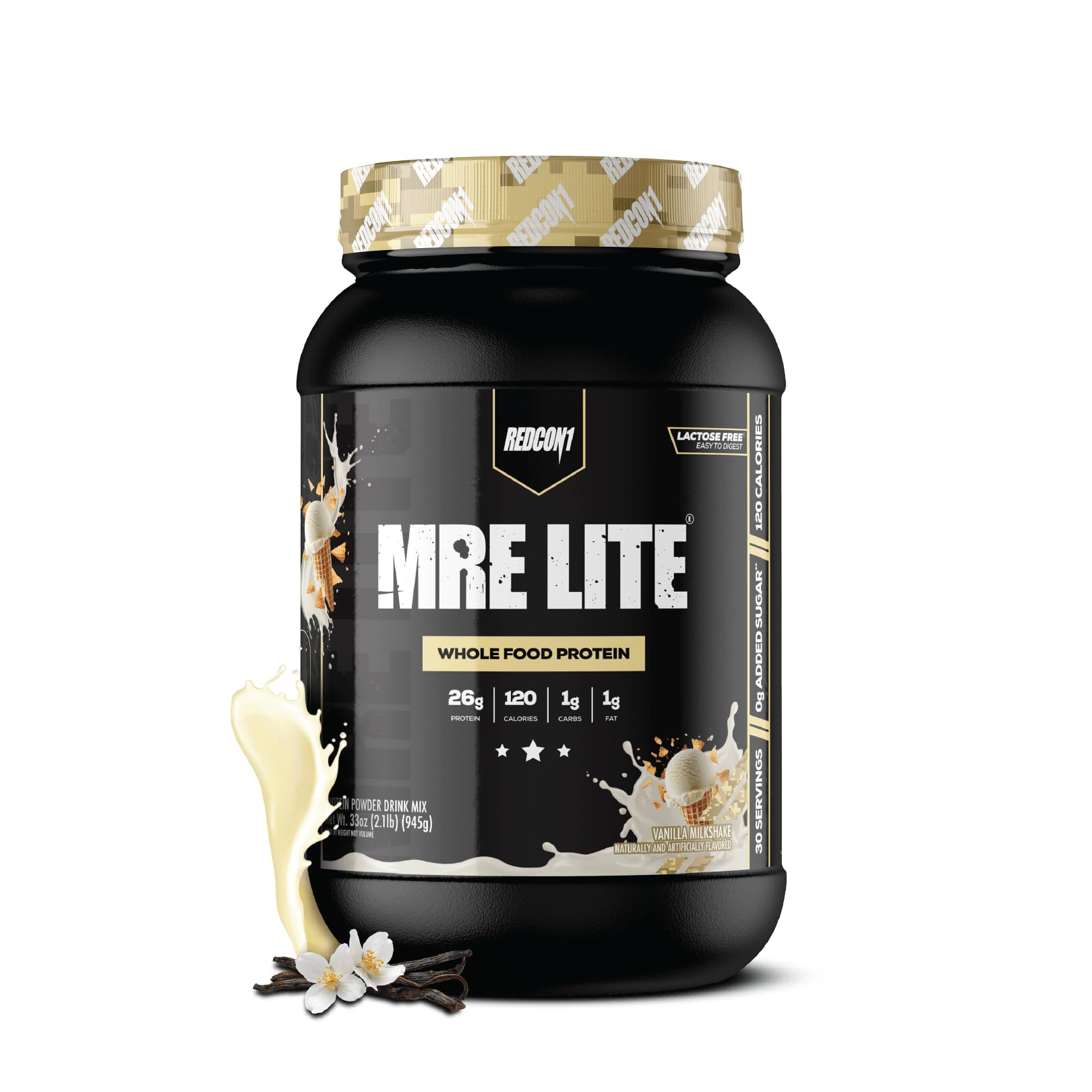
REDCON1’s MRE LITE is a whole food protein blend sourcing protein from beef, salmon, chicken, egg, brown rice, and pea—making it one of the most diverse profiles in this guide. With only 1g of carbohydrate per serving, it caters specifically to low-carb macro plans while delivering 26g of protein and zero sugar.
The lactose-free formula is designed for easier digestion, and many lactose-intolerant users confirm they can use this without discomfort. The Vanilla Milkshake flavor is generally praised, though a vocal minority finds it “sickeningly sweet,” suggesting the stevia-based sweetness may be polarizing. Users recommend using extra water to avoid a chunky texture.
While not the absolute lowest in sodium due to the whole food blend, the macro-friendly profile and clean labeling make it a strong mid-range pick for those on structured meal plans who need a versatile, low-carb protein source that can double as a meal replacement.
Why it’s great
- Whole food protein from six different animal and plant sources
- Only 1g carb and 0g sugar per serving
- Lactose-free, suitable for sensitive stomachs
Good to know
- Sweetness level can be overwhelming for some
- Needs more water to mix smoothly
6. Carlyle Pea Protein Isolate Powder
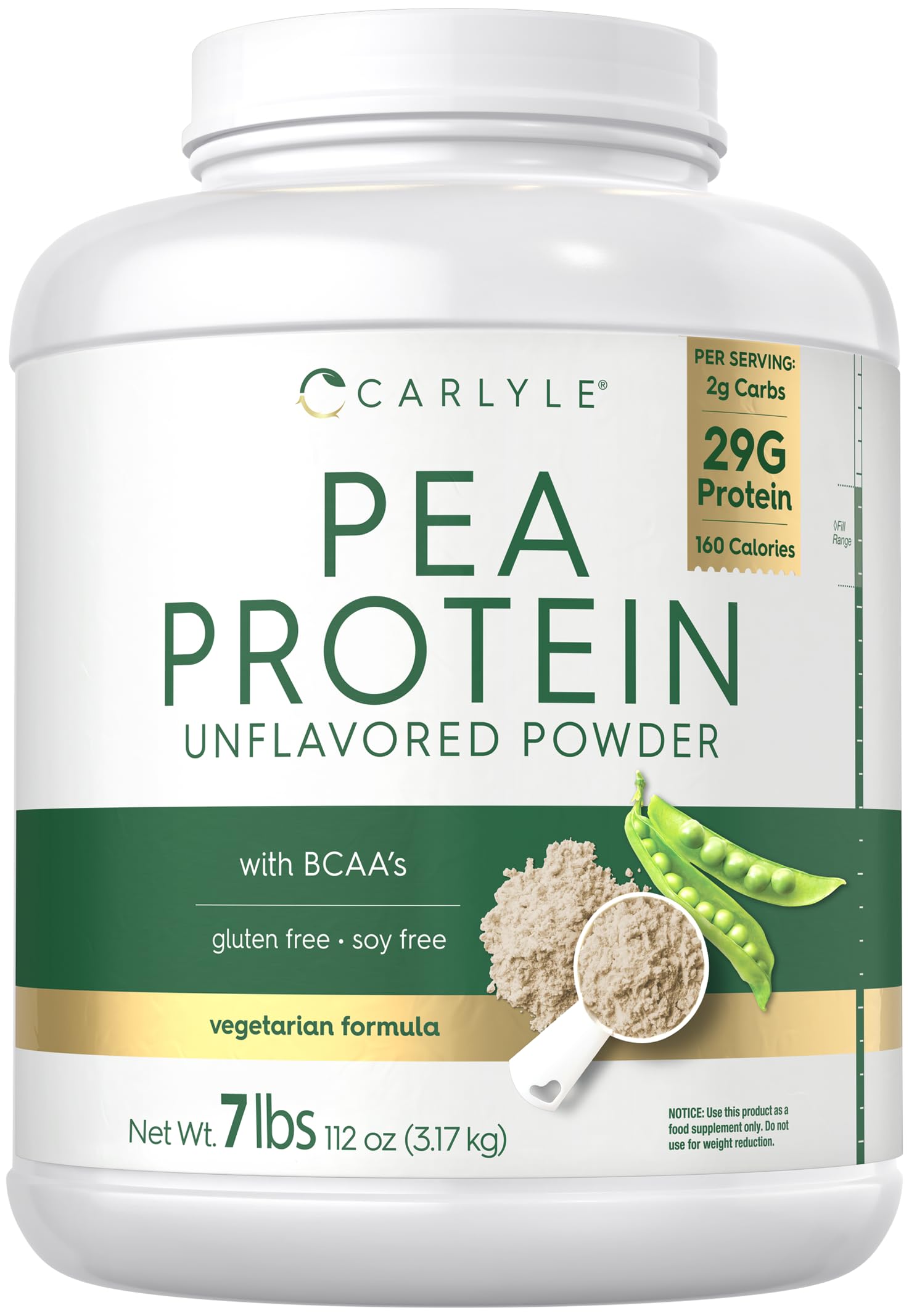
Carlyle’s 7-pound tub delivers 29g of protein per serving—the highest protein density per scoop in this guide—at a budget-friendly cost-per-gram. The unflavored, unsweetened nature keeps sodium naturally low, making it one of the most sodium-conscious bulk options available for plant-based eaters.
Reviews describe the taste as neutral, like “flavorless oatmeal,” which works well for users who want a blank canvas for smoothies, oatmeal, or baking. It dissolves well in water without serious chalkiness, though settling occurs if left standing. Some users report that recent batches have an off-putting smell, indicating a possible quality control inconsistency.
The tub is massive, designed for long-term use, and the protein includes added BCAAs. For anyone who wants maximum grams of protein per dollar and the lowest possible sodium impact, this is the volume king. Just be prepared for a neutral taste and a large container that takes up pantry space.
Why it’s great
- Highest protein per serving at 29g
- Enormous 7lb tub for extended use
- Low sodium profile from unflavored isolate
Good to know
- Recent batch quality control concerns reported
- Neutral, bland taste requires mixing with other ingredients
7. MRM Veggie Elite Performance Protein Vanilla Bean
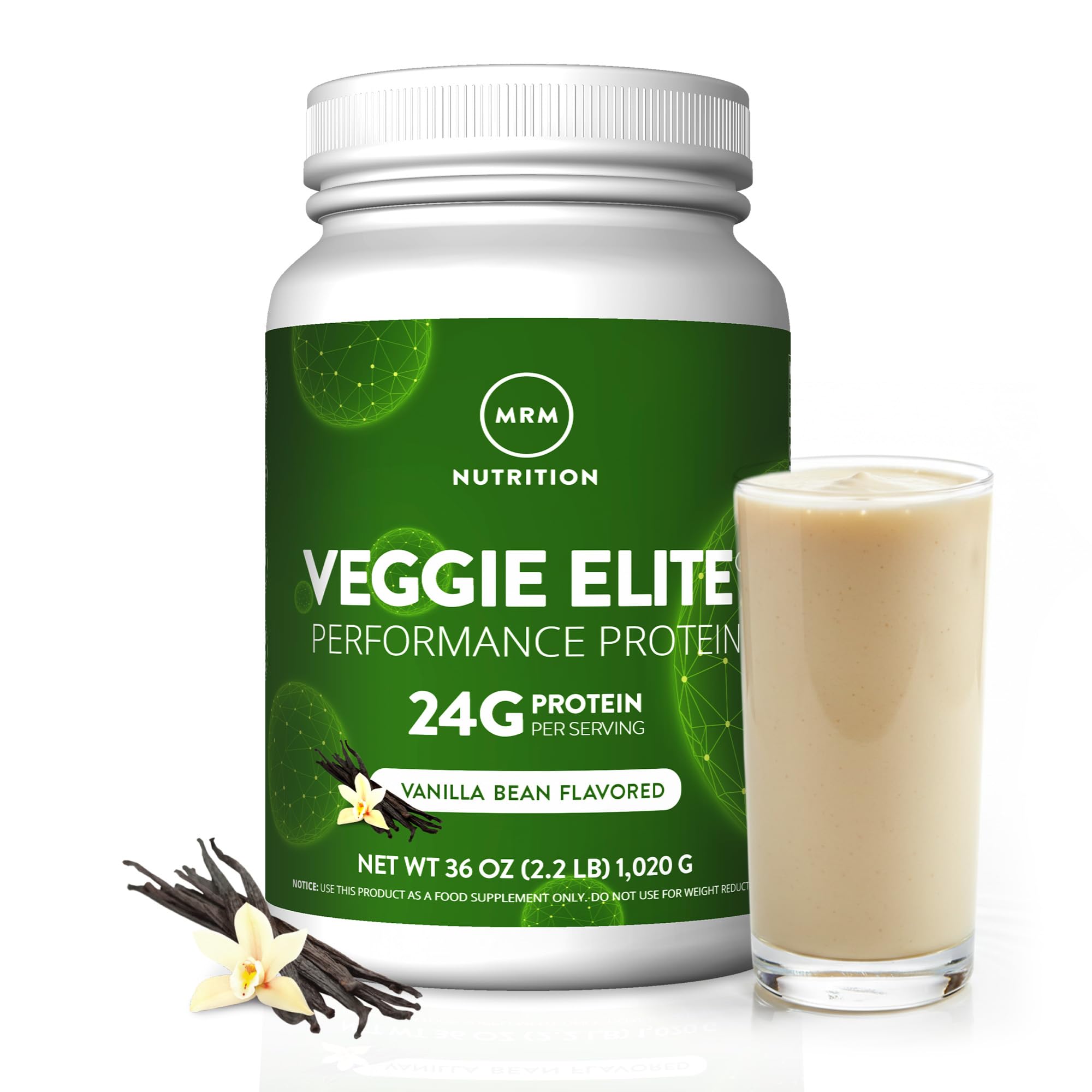
MRM Veggie Elite uses a clinically tested ratio of pea and rice protein enhanced with sacha inchi, delivering 24g of protein, 4.5g of BCAAs, and 9.5g of amino acids per serving. The addition of digestive enzymes makes it one of the easiest on the stomach among plant-based options, with numerous reviewers noting zero bloating or gas compared to whey alternatives.
The Vanilla Bean flavor is well-regarded for smooth blending in smoothies with milk, fruit, and greens, though some users find the stevia sweetness and gritty texture noticeable when mixed only with water. A few long-term reviewers report that a formula change made the powder sweeter than previous versions, impacting repeat purchases.
Owned by a clinical dietitian and biochemist, MRM has been in the supplement space since 1996. For those wanting a complete vegan protein that supports lean muscle building with a clean amino profile and digestive support, this is a strong, research-backed contender that keeps sodium in check through a careful formulation.
Why it’s great
- Clinically tested pea/rice/sacha inchi ratio for complete amino profile
- Digestive enzymes reduce bloating and gas
- BCAA-rich with 4.5g per serving
Good to know
- Reformulation increased sweetness, disappointing some loyal users
- Gritty texture and aftertaste when mixed with water
FAQ
What counts as a low sodium protein powder?
Why do flavored protein powders have more sodium?
Is pea protein naturally low in sodium?
Can I use low sodium protein powder if I am not on a medical diet?
Final Thoughts: The Verdict
For most users, the best low sodium protein powder winner is the Micro Ingredients Pea Protein Powder because it delivers a massive 27g of protein from pure North American pea isolate with an exceptionally low sodium profile and a long-lasting bulk supply at a mid-range price. If you want a flavored option that actually tastes great without hiding sodium, grab the Ambrosia Planta Banana Maple. And for the highest protein per gram at the lowest cost while keeping sodium in check, nothing beats the Carlyle Pea Protein Isolate’s 29g-per-serving 7-pound tub.