Buying a supplement that targets both bathroom regularity and the number on the scale means you’re looking for a specific type of gut support—not just any probiotic off the shelf. You need a formulation that encourages bowel motility while also influencing metabolic pathways, and the difference lies in the specific bacterial strains and CFU counts on the label.
I’m Mohammad Maruf — the founder and writer behind AirfryerBite. I’ve spent years analyzing supplement formulations, comparing clinical study doses, and breaking down complex microbial strain tables so you don’t have to decode the science yourself.
The right choice for many shoppers begins with identifying a probiotic for constipation and weight loss that includes research-backed strains like Bifidobacterium lactis or Akkermansia muciniphila alongside a prebiotic fiber to feed those cultures.
How To Choose The Best Probiotic For Constipation And Weight Loss
Not all probiotics are built for dual action. A formula that excels at relieving occasional constipation may lack the metabolic-supporting strains needed to influence appetite or fat metabolism. You need to evaluate three key levers: the strain lineup, the CFU potency, and the presence of supporting prebiotics or postbiotics.
Strain Specificity Is Everything
Look for Bifidobacterium lactis, which has clinical data supporting reduced gut transit time, and Lactobacillus gasseri, which has been studied for its potential to reduce abdominal adiposity. Newer players like Akkermansia muciniphila target gut barrier integrity and GLP-1 signaling, directly linking gut health to appetite regulation and metabolic balance.
CFU Count vs. Survivability
Higher CFU numbers (30 billion to 60 billion) are common, but they mean little if the capsule doesn’t survive stomach acid. Acid-resistant capsules or spore-forming strains (Bacillus coagulans) ensure delivery to the colon, where these bacteria actually exert their effects on motility and metabolic signaling.
Prebiotic and Postbiotic Support
A prebiotic fiber (inulin, organic acacia, or tributyrate) feeds the live cultures once they colonize. Postbiotics like butyrate generators provide short-chain fatty acids that nourish L-cells in the gut, helping sustain the natural GLP-1 pathways that support satiety and weight management. The best dual-action formulas include all three components.
Quick Comparison
On smaller screens, swipe sideways to see the full table.
| Model | Category | Best For | Key Spec | Amazon |
|---|---|---|---|---|
| GLP-Pro™ | GLP-1 Support | Appetite & Metabolic Balance | Akkermansia MucT + ButyraGen butyrate | Amazon |
| THORNE FloraMend Prime | Weight Management | BMI & Body Fat Support | 5B CFU proprietary blend for weight | Amazon |
| InnoSupps Trim Biome | Synbiotic GLP-1 | Satiety & Craving Control | Akkermansia + TriBiome + Berberine | Amazon |
| Physician’s CHOICE 60B | High-Potency | Digestive Regularity & Immune | 60B CFU, 10 strains, organic prebiotic | Amazon |
| Beekeeper’s Naturals Complete Gut | 3-in-1 Gut | Bloating Relief & Gas Reduction | Propolis prebiotic + MegaDuo probiotic | Amazon |
| THORNE Complete Biotic | 3-in-1 Formula | Family Gut Comfort | Prebiotic + Probiotic + Postbiotic powder | Amazon |
| SAKARA Complete Probiotic | Women’s Gut & Skin | Skin Radiance & Digestion | 6B CFU, 11 strains + enzymes | Amazon |
In‑Depth Reviews
1. GLP-Pro™ — Triquetra Health

GLP-Pro is built around the cutting-edge concept of supporting natural GLP-1 pathways directly from the gut. It supplies 30 billion TFU of pasteurized Akkermansia muciniphila—the same dose used in human studies to reinforce gut-barrier integrity—paired with ButyraGen butyrate generator and spore-forming Bacillus strains.
The butyrate generator is key: it fuels the L-cells responsible for producing GLP-1, the hormone that signals satiety and slows gastric emptying. The spore probiotics further amplify short-chain fatty acid production, creating an environment that supports both digestive regularity and metabolic balance. The unflavored, vegan capsules are shelf-stable and easy to incorporate into a morning routine.
Because it targets metabolic signaling rather than just bulk motility, this is a strong choice if your primary goal is appetite control and craving reduction while still supporting occasional constipation. The 30-count supply is a premium buy, but the clinical dosing justifies the investment for those serious about GLP-1 support.
Why it’s great
- Human-study dose of Akkermansia for GLP-1 support
- ButyraGen butyrate generator fuels L-cells for satiety signaling
- Vegan, shelf-stable, and research-backed strain levels
Good to know
- 30-day supply may require subscription for long-term use
- Premium pricing reflects specialized postbiotic blend
2. THORNE FloraMend Prime Probiotic
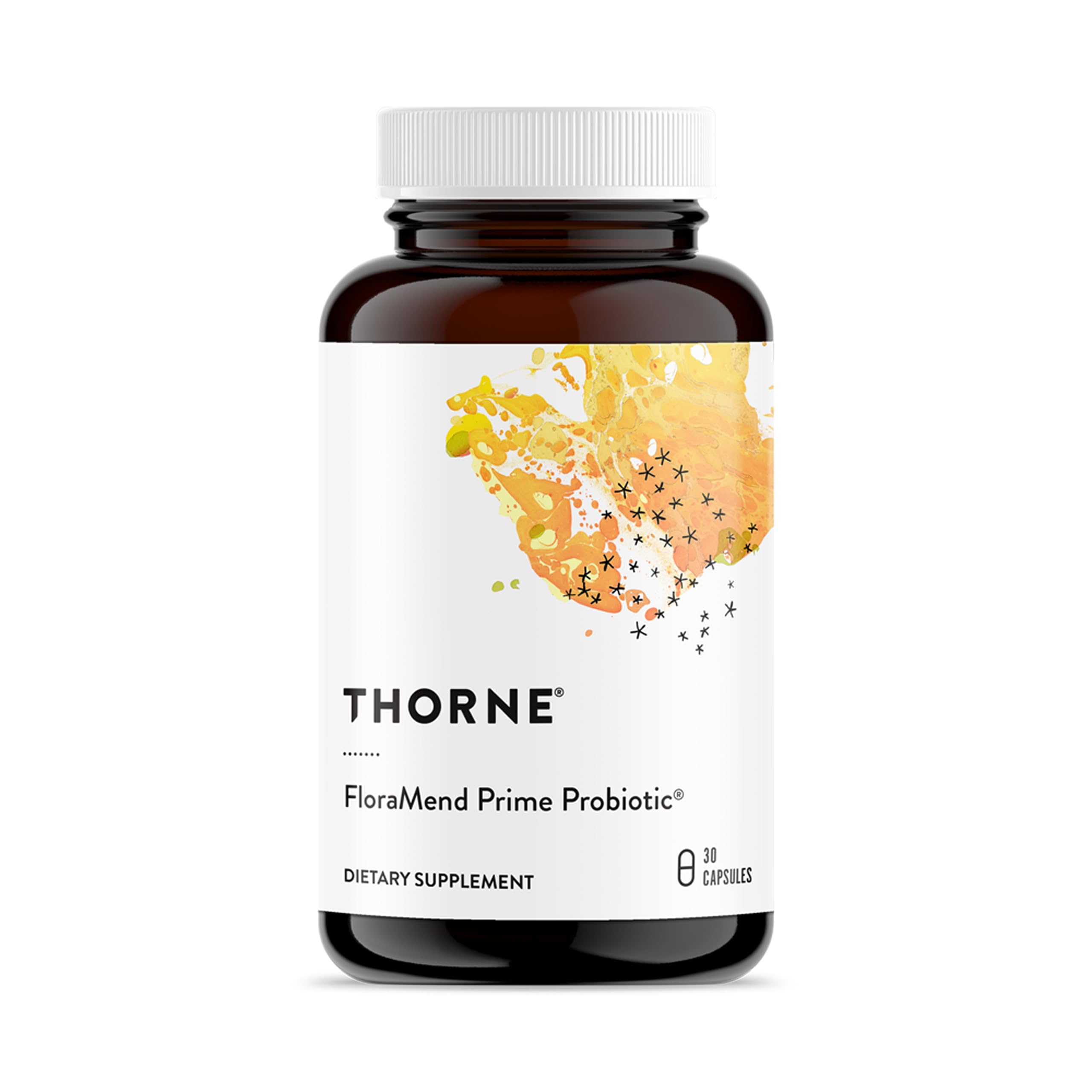
THORNE FloraMend Prime is one of the few probiotics on the market with a proprietary blend specifically researched for its effects on BMI and body fat. The three-culture blend is delivered at 5 billion live CFUs per capsule, stable at room temperature up to the printed expiration date—no refrigeration required.
While the CFU count is lower than many general probiotics, the targeted research backing is what sets it apart. The strains have been studied in clinical settings for their positive influence on weight management, and THORNE’s four rounds of testing—from raw material purity to finished shelf life—provide a level of quality assurance that serious buyers expect from a practitioner-recommended brand.
It also offers relief from occasional digestive upset and supports immune function, making it a well-rounded daily gut health supplement. For users specifically screening for a product with published weight-related research behind the blend, FloraMend Prime is the most direct match on this list.
Why it’s great
- Proprietary blend researched for BMI and body fat effects
- Four rounds of lab testing for purity and potency
- Shelf-stable with no refrigeration needed
Good to know
- 5 billion CFU is lower than some high-potency competitors
- 30-serving bottle requires consistent reordering
3. InnoSupps Trim Biome GLP-1
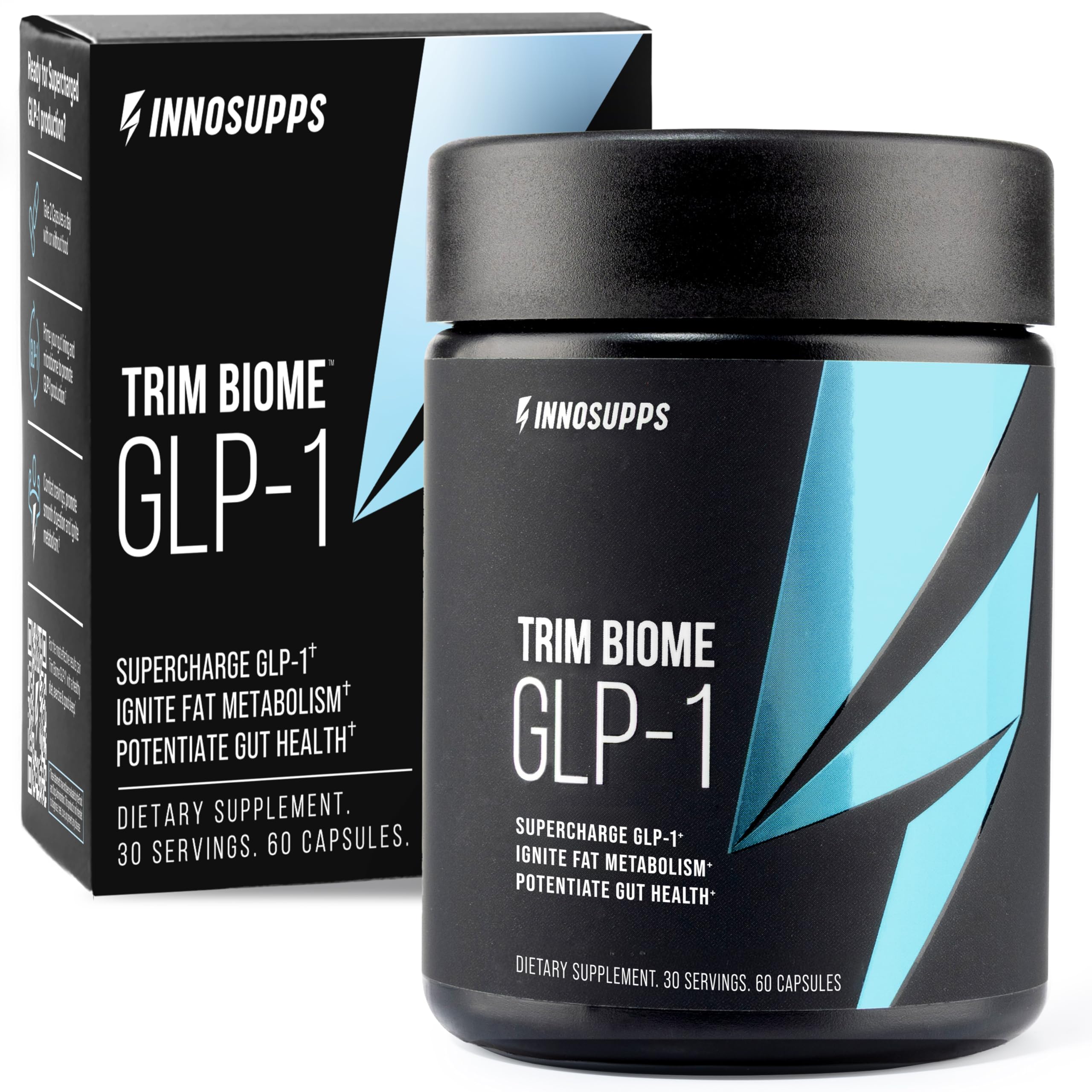
Trim Biome takes a comprehensive synbiotic approach, combining Akkermansia with TriBiome (a three-strain probiotic complex), Sukré prebiotic, and berberine. Berberine adds a metabolic dimension by supporting healthy carbohydrate metabolism and post-meal blood sugar response, which complements the GLP-1-promoting effects of Akkermansia.
The formula targets three distinct mechanisms: nourishing beneficial gut bacteria via prebiotics, reinforcing the gut lining with postbiotic support, and directly influencing the body’s natural GLP-1 signaling. This makes it particularly effective for users who struggle with mid-afternoon cravings and post-meal sluggishness.
At 60 capsules (30 servings), it’s positioned at a premium price point, but the inclusion of berberine—a compound with its own independent weight management research—adds value that standard probiotics lack. It’s best for someone wanting a multi-pathway approach that goes beyond basic gut health.
Why it’s great
- Berberine adds independent metabolic and blood sugar support
- Synbiotic blend covers prebiotic, probiotic, and postbiotic
- Targets GLP-1 pathways for appetite and satiety regulation
Good to know
- Premium price reflects multi-ingredient complexity
- May cause initial digestive adjustment in sensitive users
4. Physician’s CHOICE Probiotics 60 Billion CFU

Physician’s CHOICE delivers a high-potency 60 billion CFU blend across 10 diverse strains, combined with organic prebiotics. The acid-resistant capsules are designed to survive stomach acid and reach the colon intact, where the bacteria can colonize and begin supporting digestive regularity.
With coverage for occasional constipation, diarrhea, gas, and bloating, this is a broad-spectrum gut health probiotic rather than a targeted weight-loss formula. However, the high CFU count and diverse strain profile provide the foundation for a healthy gut environment, which indirectly supports metabolic function and nutrient absorption.
The 84-count bottle provides a 12-week supply at a mid-range price, making it a practical daily maintenance option. For users who prioritize digestive regularity as the foundation for their weight management journey, this is a solid entry point with third-party purity testing.
Why it’s great
- 60 billion CFU with 10 strains for broad digestive support
- Organic prebiotic fiber feeds the live cultures
- Third-party tested for purity and potency
Good to know
- Not specifically formulated for weight or GLP-1 support
- Higher CFU may cause initial bloating in sensitive individuals
5. Beekeeper’s Naturals Complete Gut Health

Beekeeper’s Naturals takes a unique 3-in-1 approach with propolis (bee-derived prebiotic), MegaDuo spore probiotic, and CoreBiome postbiotic. The clinical study cited by the brand showed 68% of participants experienced decreased bloating and 74% experienced less gas within the first week.
Spore-based probiotics (Bacillus coagulans) have a survival advantage over non-spore strains because they can withstand stomach acid and heat without refrigeration. The propolis prebiotic feeds the good bacteria, while the tributyrate postbiotic helps regulate inflammatory response in the gut lining.
This formula excels at reducing bloating and gas—common complaints that can sabotage weight loss efforts by causing discomfort and water retention. The vegetarian capsules are shelf-stable, though the bee propolis means it is not suitable for strict vegans.
Why it’s great
- Clinical data showing rapid bloating and gas reduction
- Spore-based probiotic ensures high survivability through the gut
- Triple-action prebiotic, probiotic, and postbiotic in one capsule
Good to know
- Contains bee propolis—not suitable for vegans
- Not specifically formulated for direct weight loss effects
6. THORNE Complete Biotic
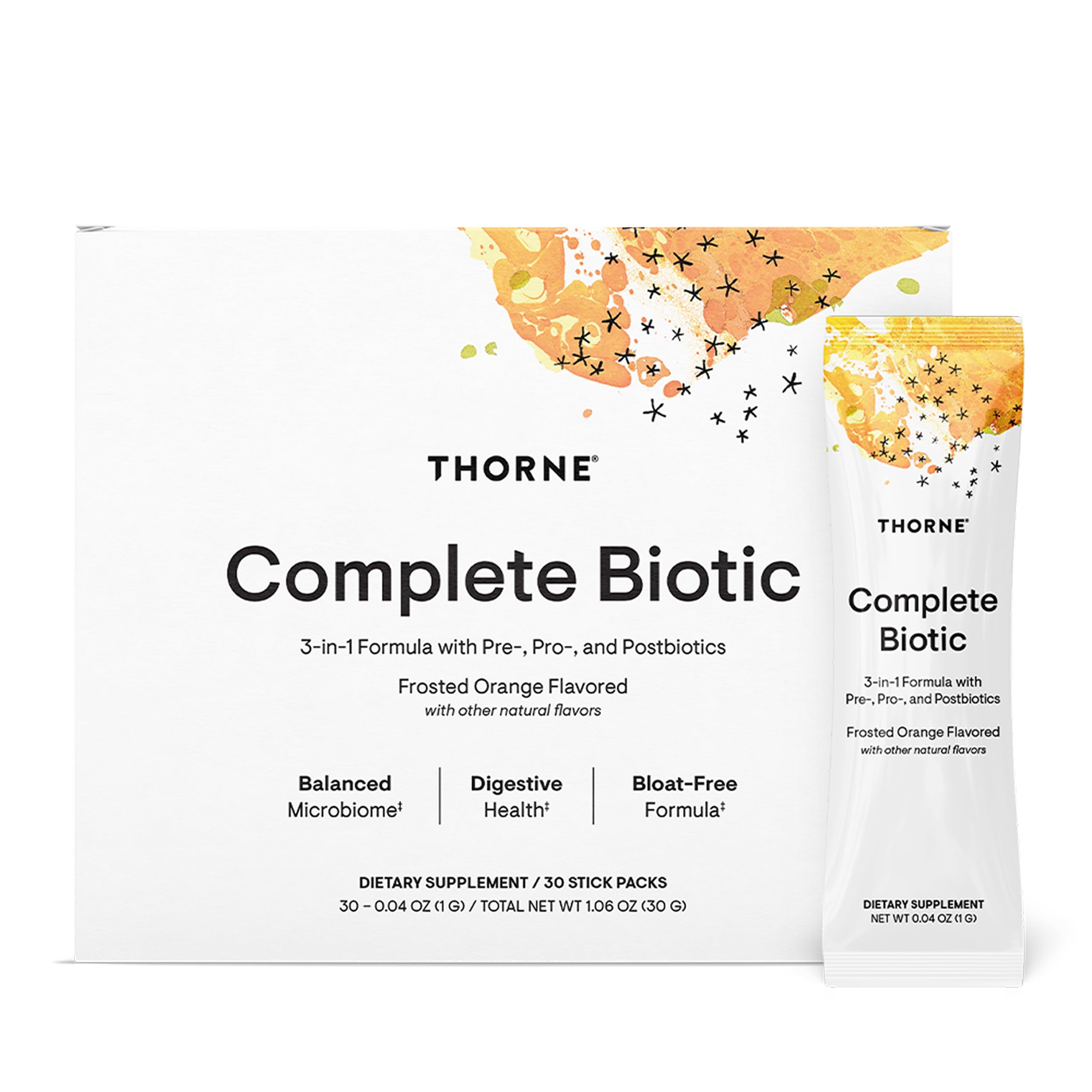
THORNE Complete Biotic is a 3-in-1 powder formula that delivers prebiotic, probiotic, and postbiotic in a single frosted orange-flavored stick pack that melts quickly in the mouth. It is designed for adults and children as young as 4, making it rare among probiotics for its family-friendly dosing.
The formula specifically targets GI discomfort, including occasional constipation, diarrhea, gas, and bloating. By combining well-studied biotic components, it provides extensive support for bowel regularity while also nurturing the overall microbiome environment needed for healthy metabolism.
For parents wanting a single product that can serve both their own digestive needs and their child’s, this is a standout option. The powder format also appeals to those who dislike swallowing capsules. It is a mid-range investment with THORNE’s practitioner-trusted reputation behind every batch.
Why it’s great
- Safe for children as young as 4, unique family-friendly option
- Convenient single-serving stick packs—no measuring required
- Pleasant orange flavor makes daily use easy
Good to know
- Powder format may not be as travel-friendly as capsules
- Not specifically positioned for weight loss mechanisms
7. SAKARA Complete Probiotic

SAKARA’s Complete Probiotic delivers 6 billion CFUs per serving (2 capsules) across 11 targeted strains, blended with prebiotic fiber and a digestive enzyme complex. The enzymes help break down food more efficiently, reducing the fermentative load on the gut that often contributes to bloating and sluggish transit.
While the CFU count is modest compared to the 60 billion options, the brand focuses on strain quality and survivability. The plant-based capsules are gluten-free, soy-free, nut-free, and shelf-stable. SAKARA also highlights the skin-clarity benefits of the formula, linking gut health to reduced inflammation and improved radiance.
This is a balanced, long-term maintenance probiotic rather than a high-potency rescue option. The 180-capsule count (90 servings) provides excellent value for daily use, and the added digestive enzymes make it particularly helpful for women experiencing post-meal heaviness or irregularity.
Why it’s great
- Includes digestive enzymes to support food breakdown
- Plant-based, non-GMO, and free of common allergens
- High serving count (180 capsules) for long-term value
Good to know
- 6 billion CFU is lower than many high-potency competitors
- Not specifically formulated for GLP-1 or metabolic pathways
FAQ
How long does it take for a probiotic to relieve constipation and support weight loss?
Can a probiotic alone cause weight loss without diet changes?
What is the difference between Akkermansia and Bifidobacterium for constipation and weight?
Does a higher CFU count always mean better results for constipation and weight loss?
Should I refrigerate my probiotic for it to remain effective?
Final Thoughts: The Verdict
For most users, the probiotic for constipation and weight loss winner is the GLP-Pro™ because it delivers research-backed Akkermansia at the human-study dose alongside butyrate generation for direct GLP-1 pathway support—addressing both motility and metabolic signaling. If you want a clinically researched proprietary blend with published weight-related data, grab the THORNE FloraMend Prime. And for a comprehensive synbiotic approach that includes berberine for metabolic backup, nothing beats the InnoSupps Trim Biome GLP-1.